Seoul 서울
Korea's capital: Joseon palaces and hanok lanes beside skyscrapers, night markets, Han River parks and granite peaks inside the city limits.
Updated
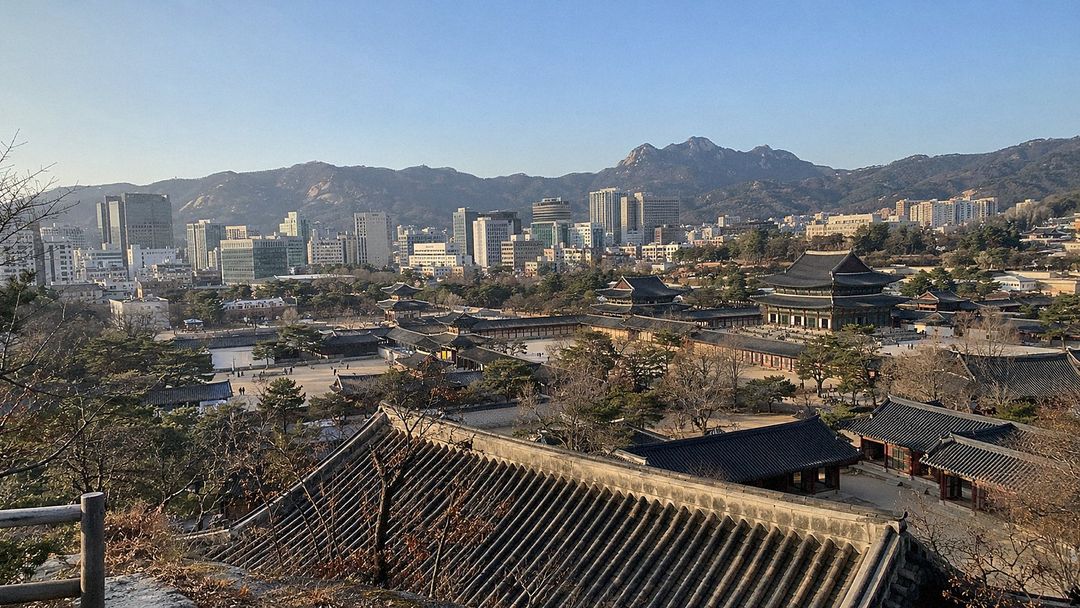
Seoul is the capital of South Korea and by far its largest city, home to about 9.6 million registered residents, including some 275,000 foreign nationals (Seoul city figures, first quarter of 2026). For places beyond the city limits, including Incheon and Gyeonggi Province, see the Seoul region overview.
The city covers about 605 square kilometers in the northwest of the peninsula, not far from the Yellow Sea coast. The Han River cuts it into two halves. North of the river lies the old capital of the Joseon dynasty, which ruled from here for more than five centuries: five royal palaces, the Jongmyo royal shrine, stretches of the old city wall and the hanok lanes of Bukchon. South of the river, Gangnam and Jamsil are newer districts of office towers, malls and the soaring Lotte World Tower. Seoul is ringed by granite mountains, and some of the best hiking is within subway reach in Bukhansan National Park.
What to see
Most visitors start in the palace quarter of Jongno. Gyeongbokgung is the largest palace and stands at the head of Gwanghwamun Square, while Changdeokgung, a UNESCO World Heritage Site, is known for its wooded Secret Garden. Between them, Bukchon and nearby Insadong are good for walking, tea houses and crafts. Just south, Namsan hill is crowned by N Seoul Tower, with the shopping streets of Myeongdong at its foot.
Modern Seoul is just as much a draw: K-pop and fashion in Hongdae and Seongsu, the futuristic Dongdaemun Design Plaza, and the Han River parks, where locals picnic, cycle and order fried chicken on summer evenings. The National Museum of Korea in Yongsan, with its vast collection of ceramics, Buddhist art and Silla gold, deserves at least half a day.
Food
Eating out is one of the highlights of any trip to Seoul. Street-food carts, market alleys such as Gwangjang Market, and barbecue restaurants where meat is grilled at the table are all easy to find in every district.
When to go
Seoul has four distinct seasons. Spring, from April into May, brings cherry blossoms along the river and around the palaces, and autumn, from late September to early November, offers clear skies and colorful leaves on the mountains. Summer is hot and humid, with a rainy season in late June and July, and winter is cold, dry and often below freezing, though crowds are thinner.
Before you go
Many nationalities need a K-ETA travel authorization before boarding; check the K-ETA guide. Seoul is the hub of the national rail network, and KTX trains reach Busan in under three hours. If you plan several long train journeys, compare fares with the Korail Pass.
Book your trip
Top attractions in Seoul
Palace Quarter (Jongno)
The historic core north of the Cheonggyecheon stream: the main Joseon palaces and royal shrine, the hanok alleys of Bukchon and Ikseon-dong, Insadong's craft shops and Gwangjang Market.
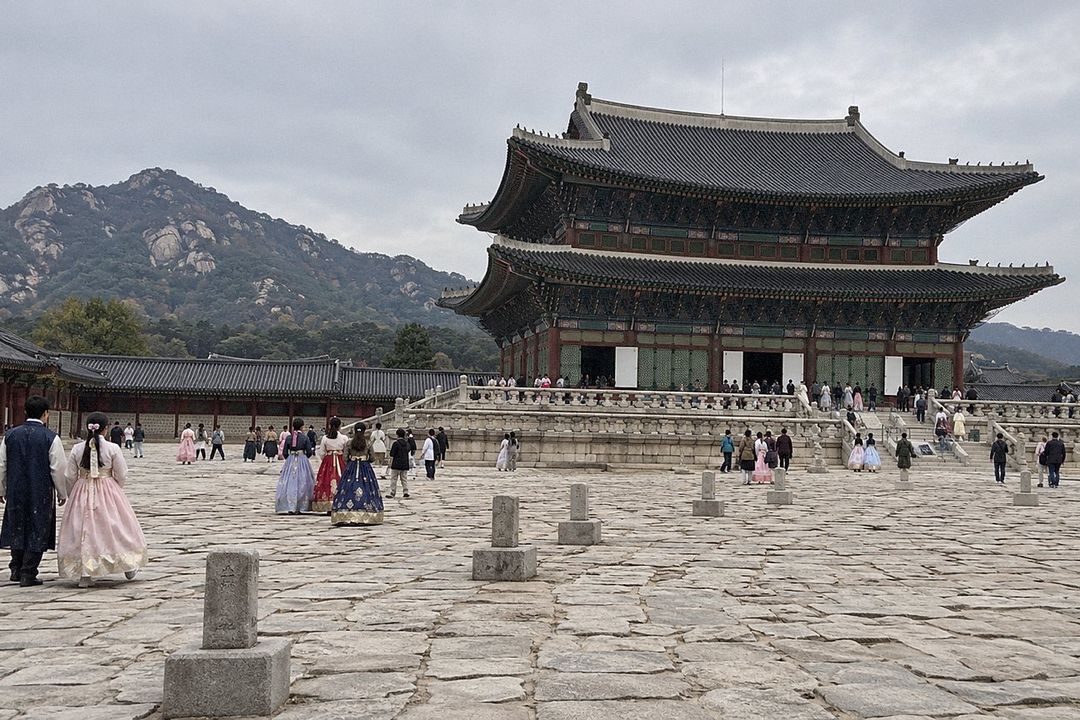
Gyeongbokgung Palace
The largest and grandest of Seoul's five Joseon palaces, with the throne hall, a lotus-pond pavilion and the changing of the guard.
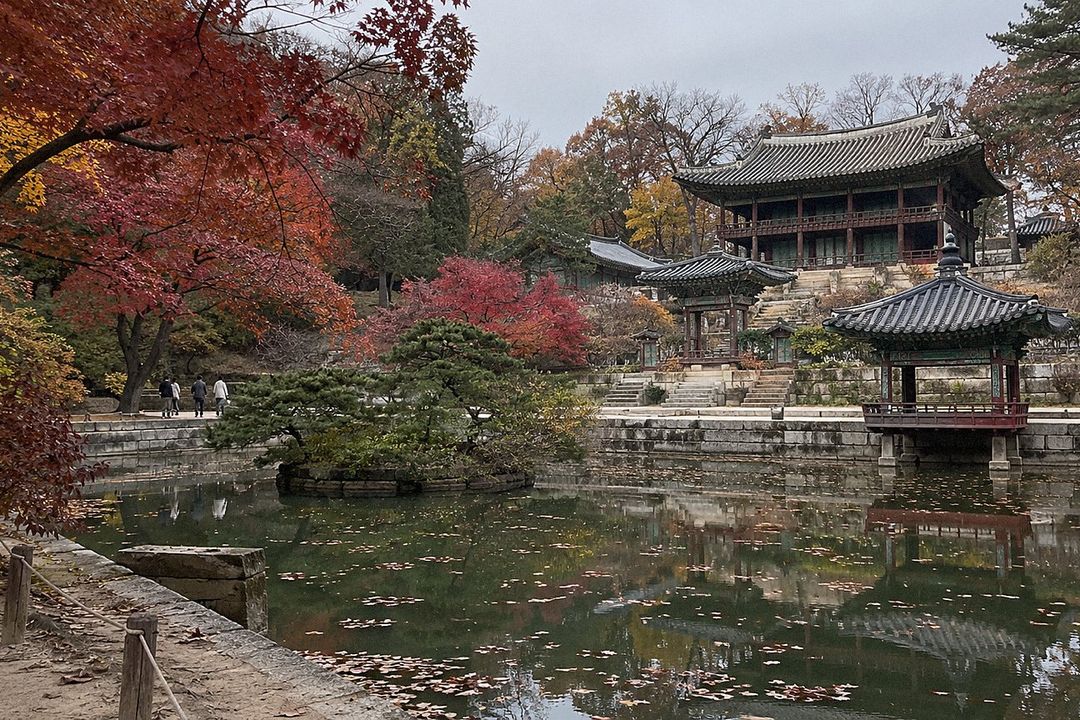
Changdeokgung Palace
A UNESCO-listed palace laid out to follow the hills, famous for its Secret Garden of ponds and pavilions visited on guided tours.
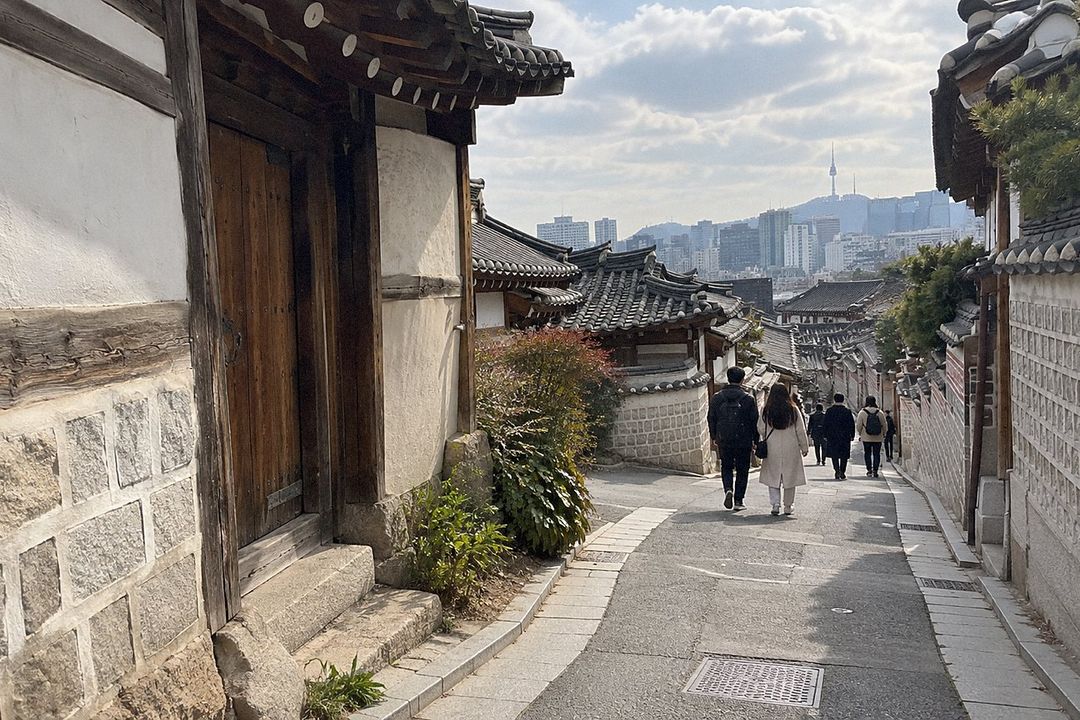
Bukchon Hanok Village
Hillside lanes of traditional tiled-roof houses between two palaces; a lived-in residential area with visiting hours in the busiest part.
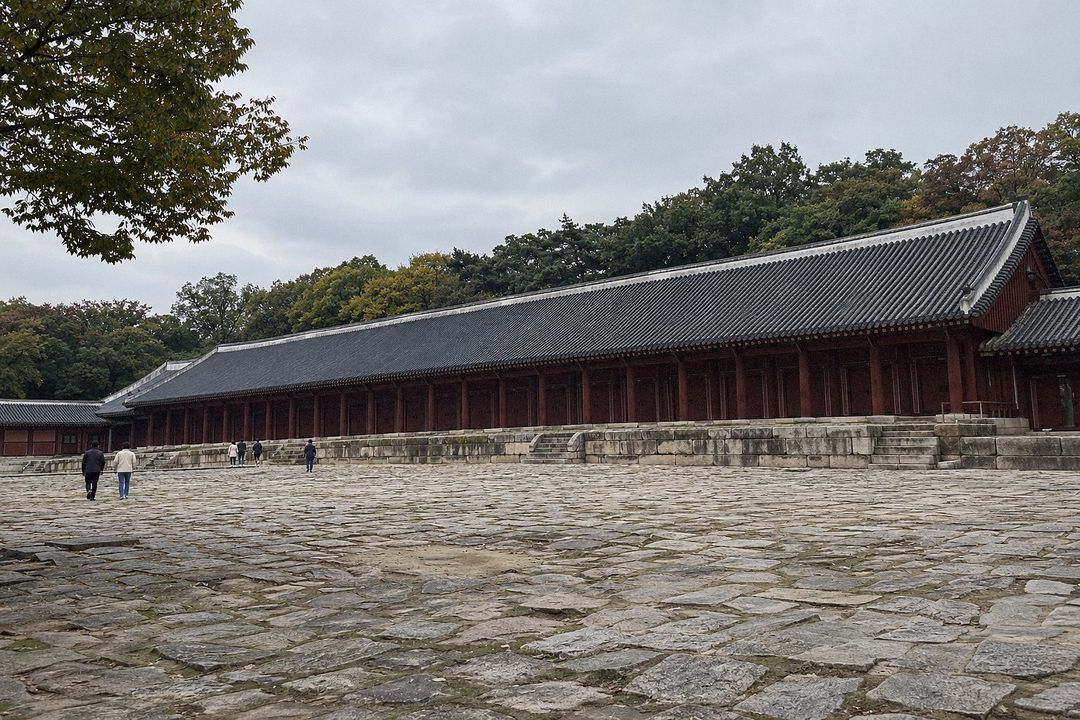
Jongmyo Shrine
The austere royal ancestral shrine of the Joseon kings, a UNESCO site whose long main hall is one of Korea's finest wooden buildings.
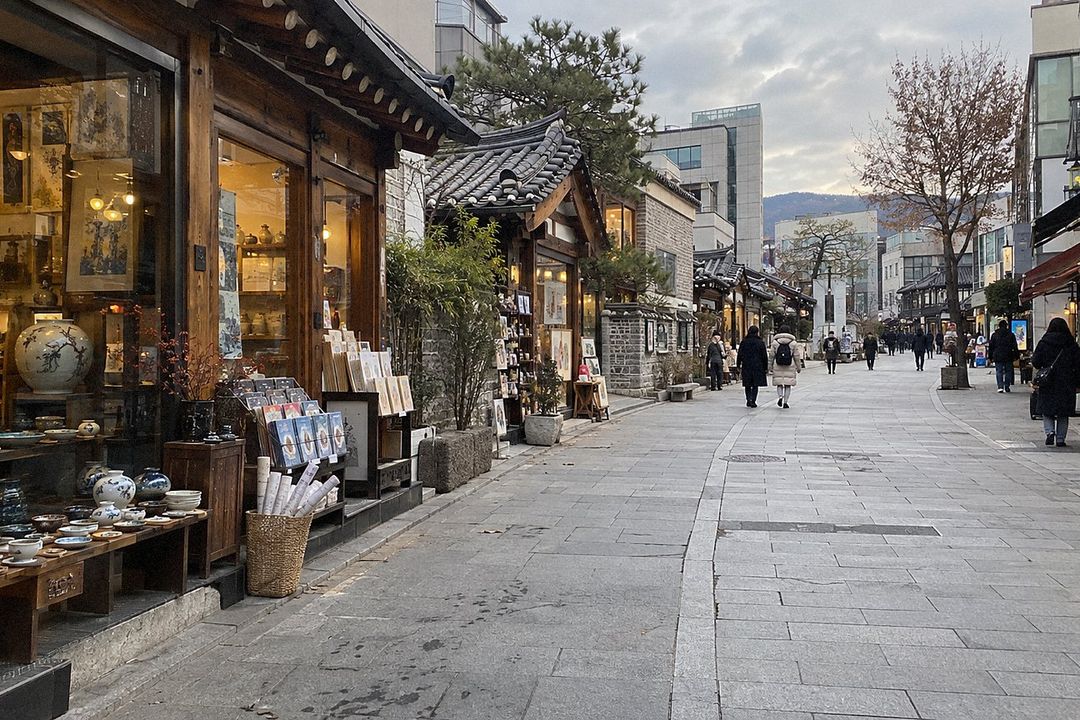
Insadong
A pedestrian-friendly street of craft and antique shops, tea houses and galleries, good for souvenirs such as hanji paper and ceramics.
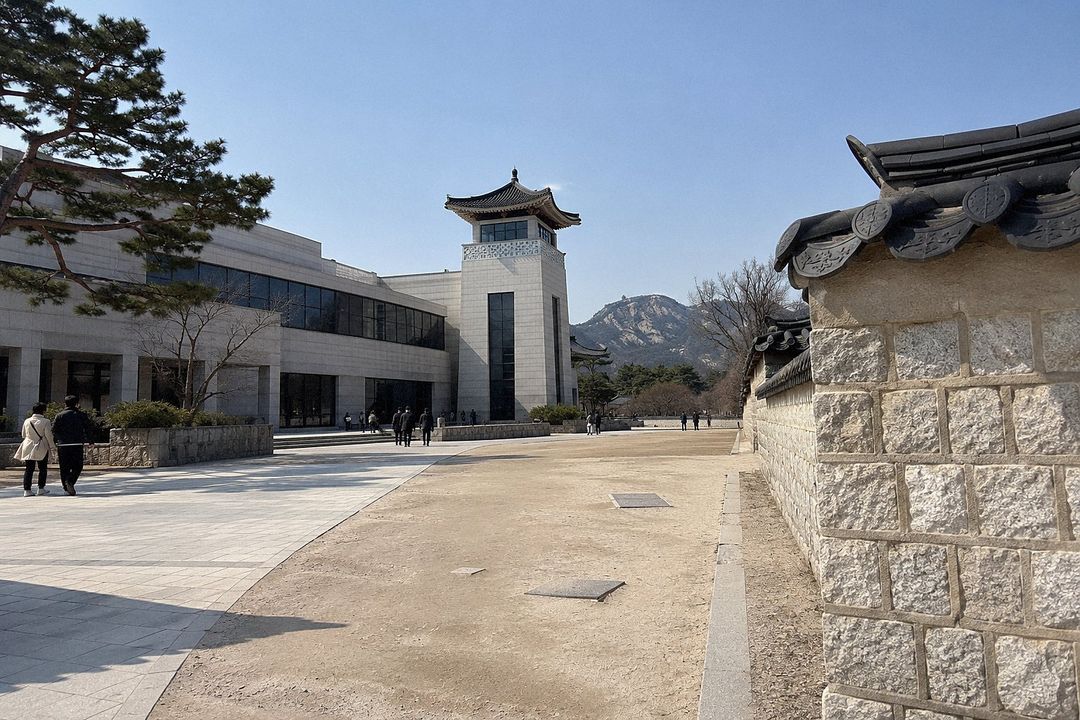
National Palace Museum of Korea
Royal artifacts of the Joseon court and Korean Empire, from thrones and seals to carriages, right beside Gyeongbokgung.
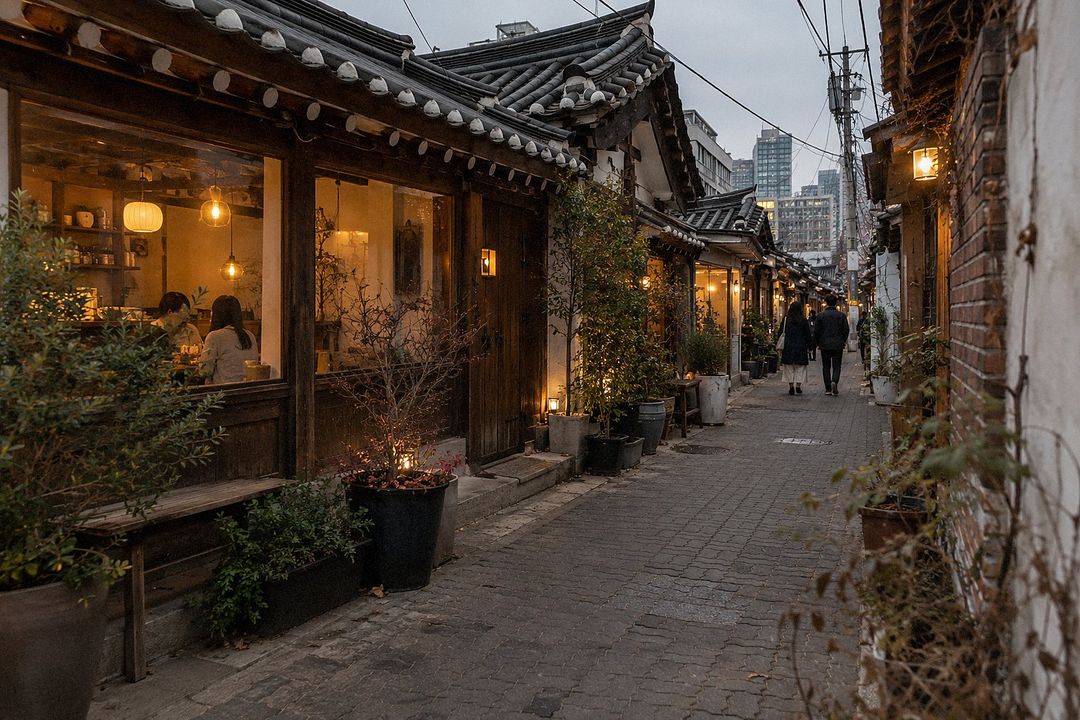
Ikseon-dong
A tight cluster of 1920s urban hanok turned into cafes, bakeries and small restaurants, busiest on weekend evenings.
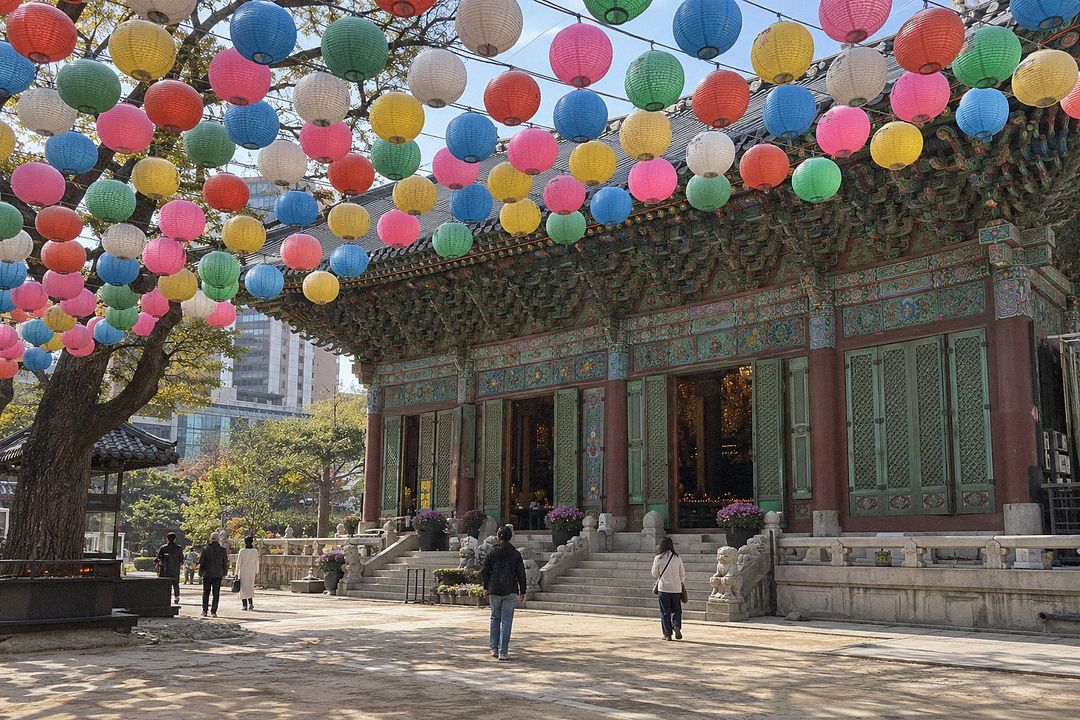
Jogyesa Temple
The head temple of Korea's largest Buddhist order, right in the city center and decked with thousands of lanterns before Buddha's Birthday.
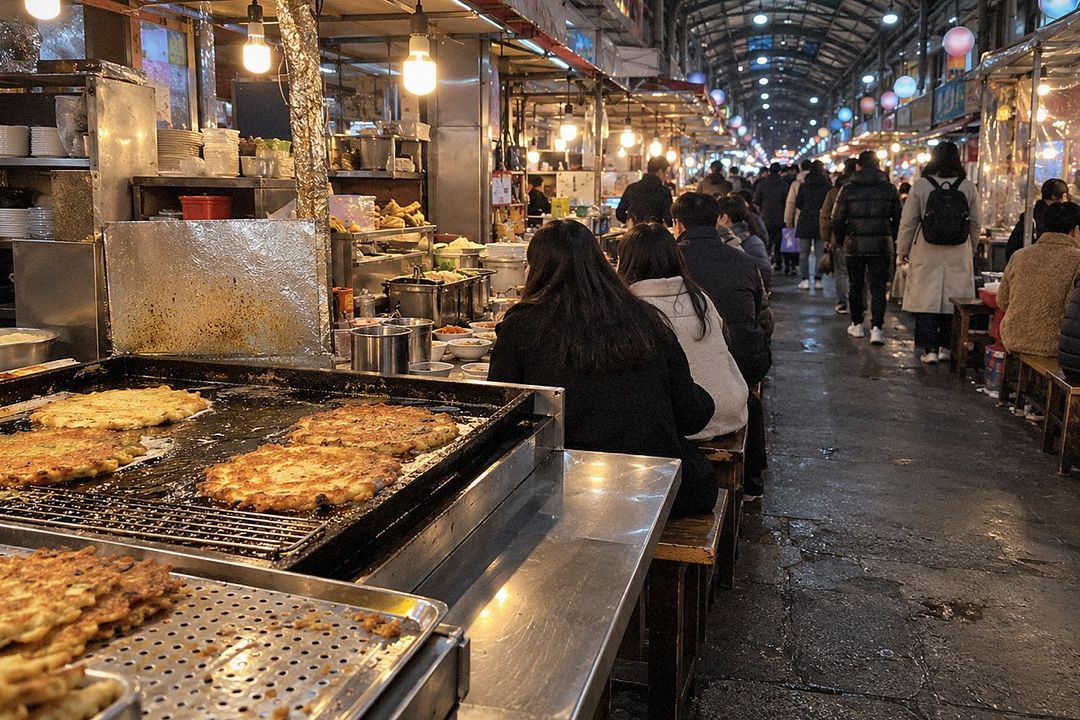
Gwangjang Market
One of Seoul's oldest covered markets, best known for its food alleys serving mung bean pancakes, gimbap and raw beef dishes.
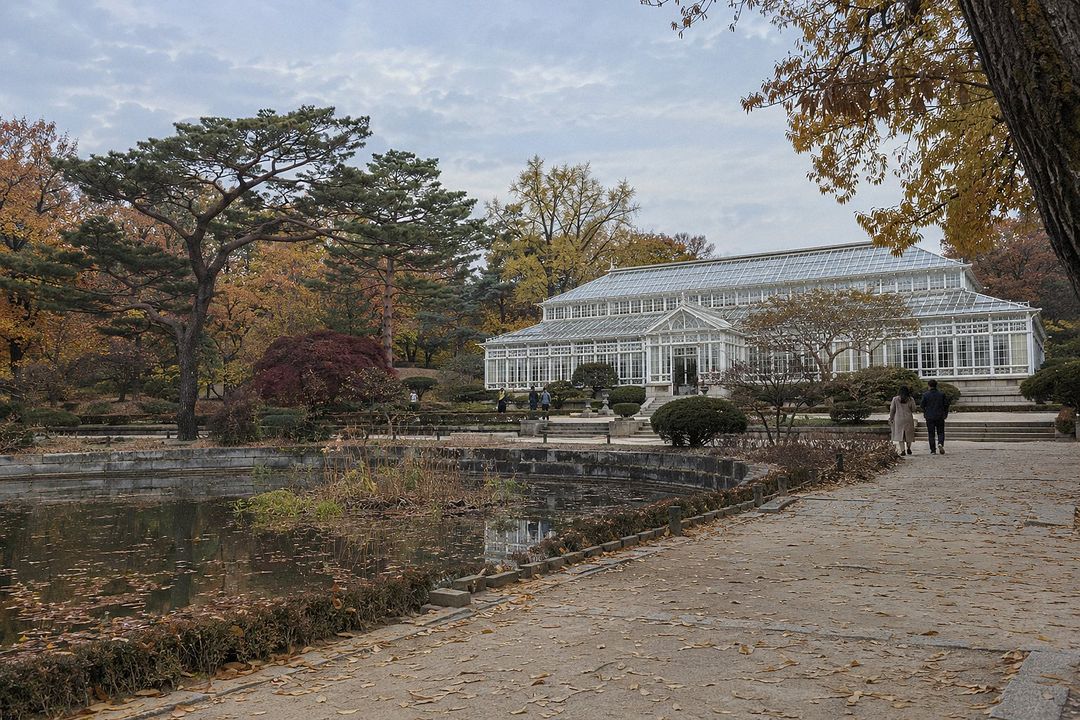
Changgyeonggung Palace
A quieter palace next to Changdeokgung, with a pond, wooded paths and a white Victorian-style glasshouse.
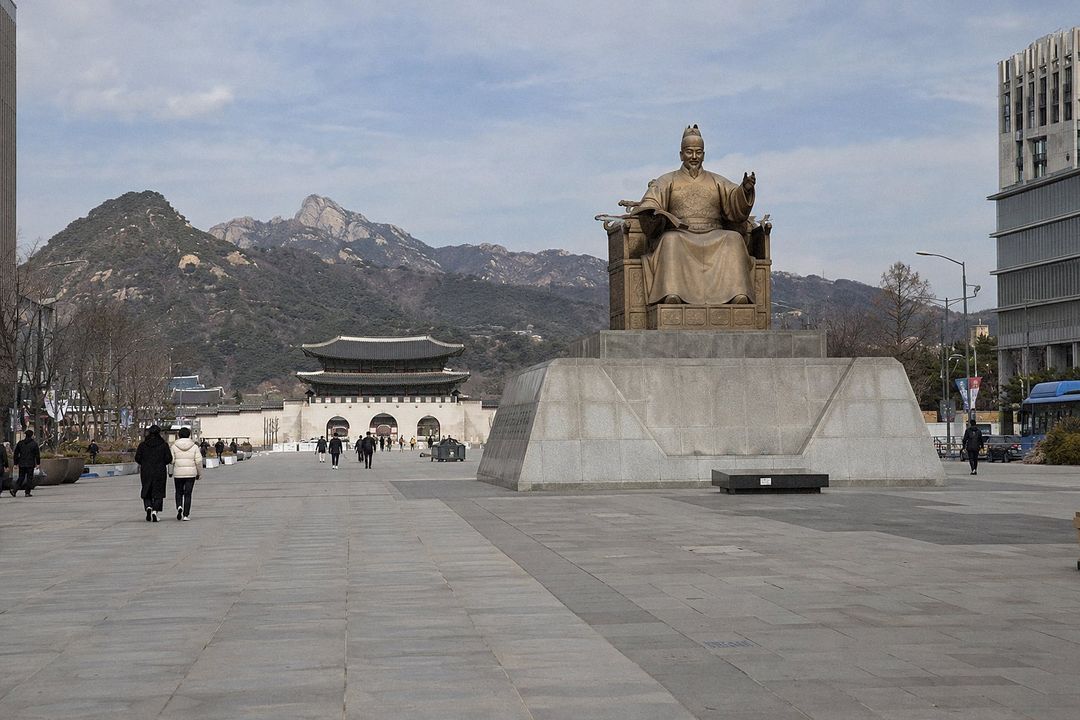
Gwanghwamun Square
The broad plaza in front of Gyeongbokgung's main gate, with statues of King Sejong and Admiral Yi Sun-sin and the mountains beyond.
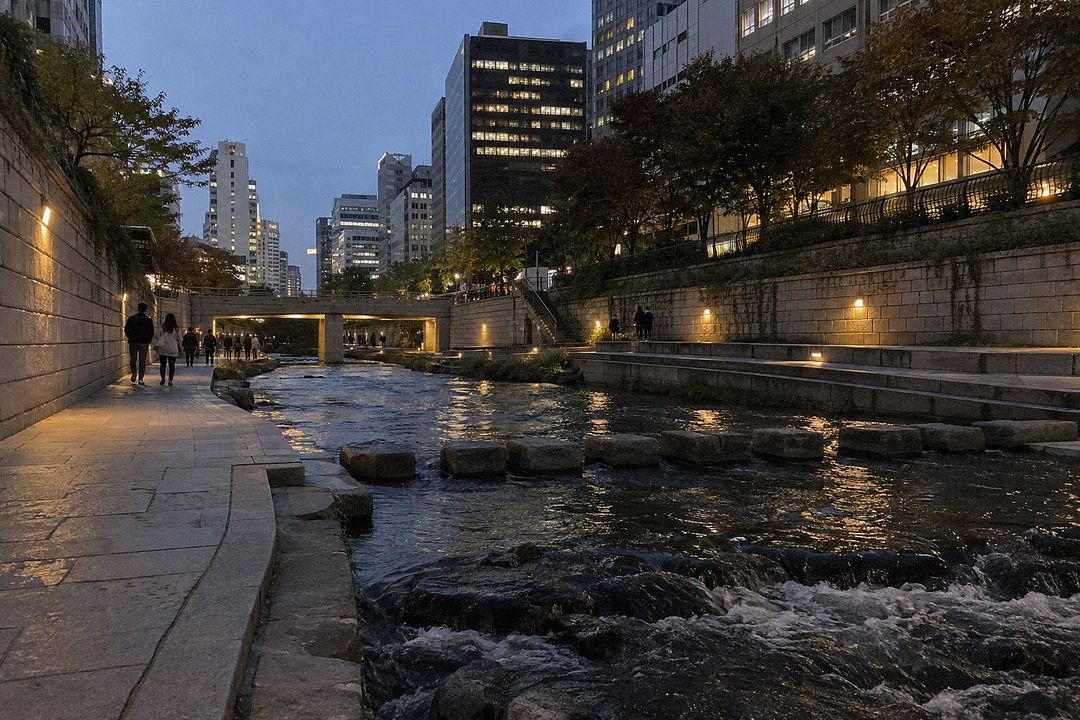
Cheonggyecheon Stream
A restored urban stream with walking paths below street level, running east from Gwanghwamun; pleasant on summer evenings.
Central Seoul (Jung-gu)
The commercial heart around City Hall: Myeongdong shopping streets, Deoksugung, Namdaemun Market, Seoul Station, the Namsan hill with N Seoul Tower and the Dongdaemun fashion district.
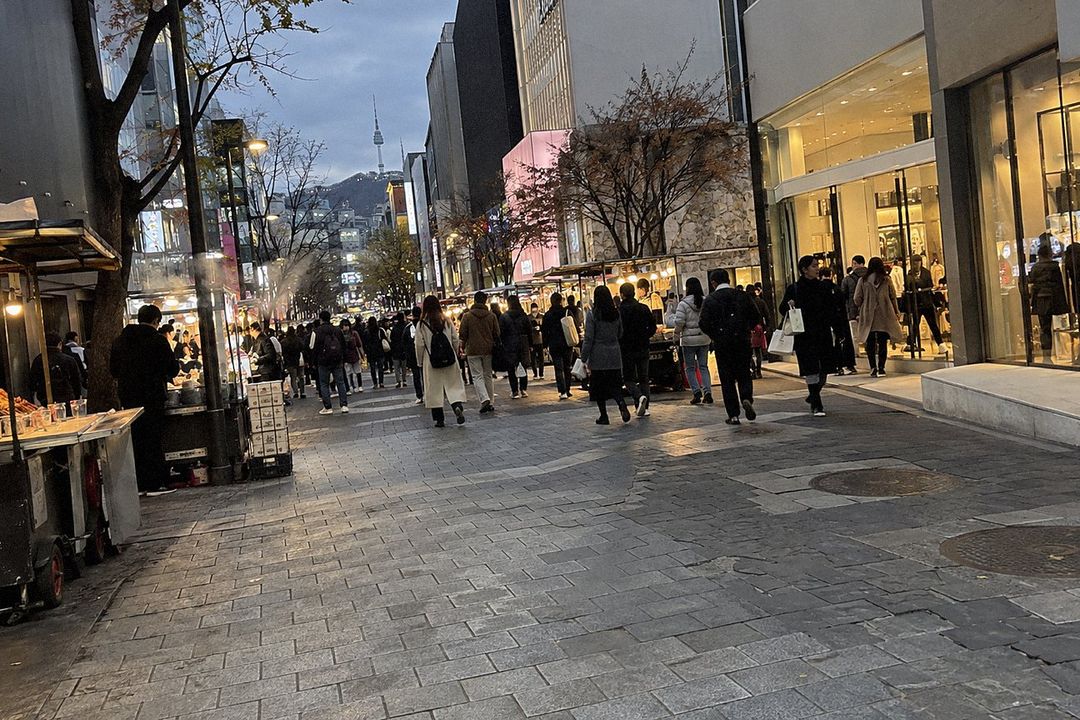
Myeongdong
Seoul's best-known shopping district for cosmetics and fashion, with evening street-food stalls and a historic cathedral.
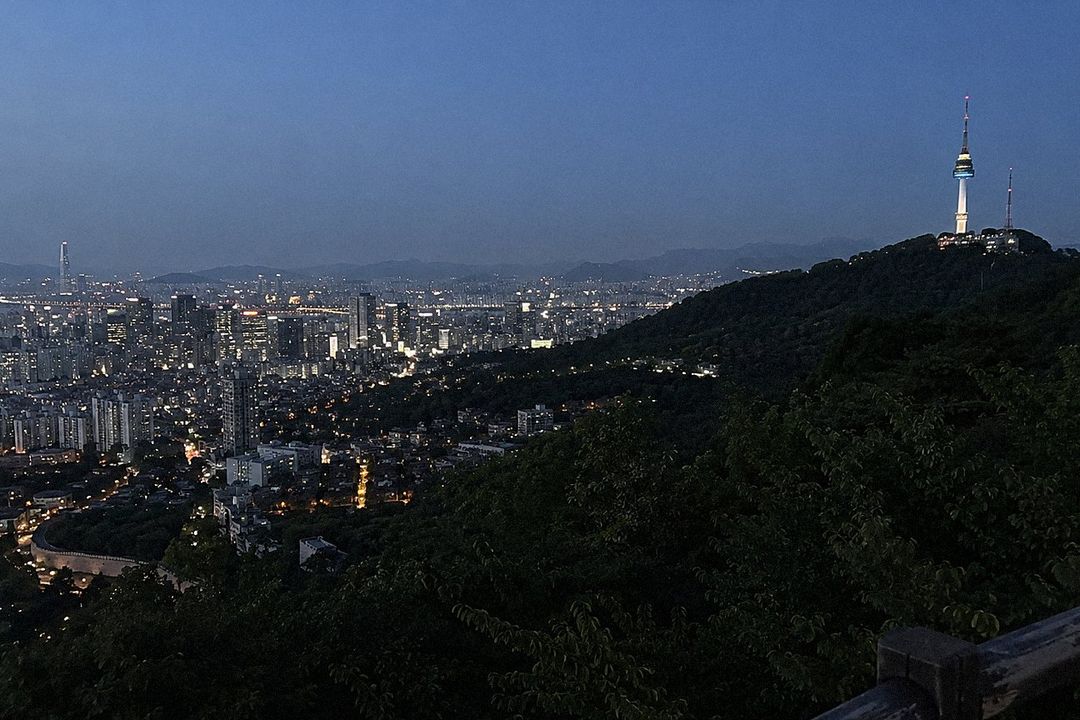
N Seoul Tower
The tower atop Namsan, reached by cable car, bus or a walk up the hill, with panoramic views over the whole city.
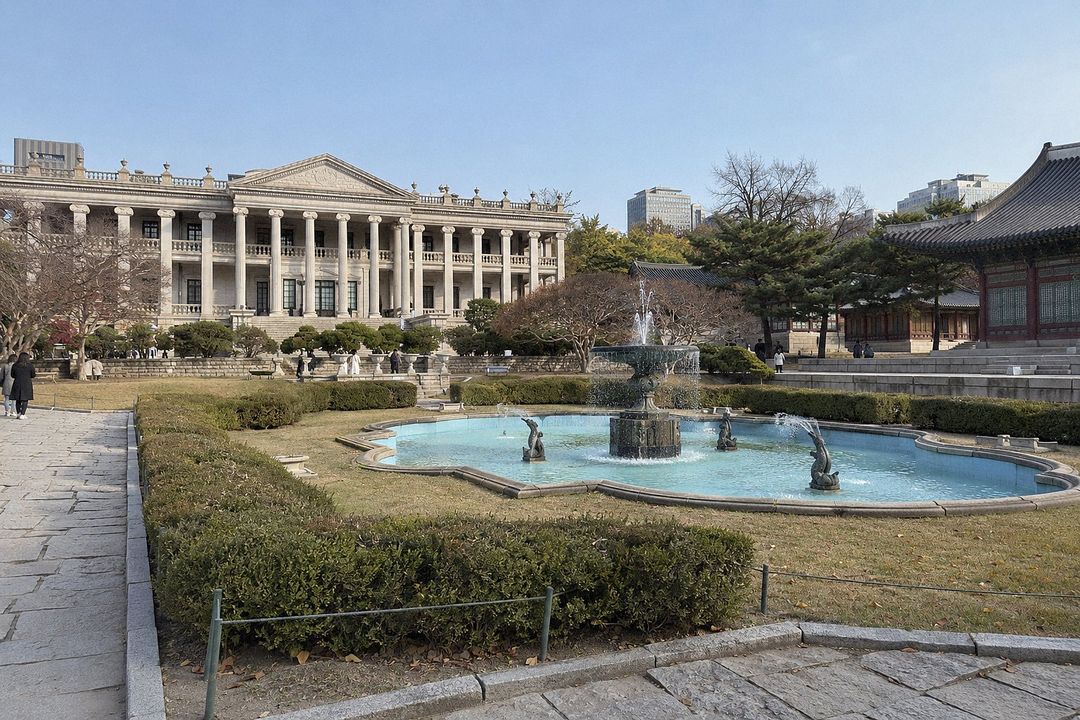
Deoksugung Palace
A compact palace by City Hall mixing Korean halls with early 1900s Western-style stone buildings; its stone-wall road is a classic stroll.
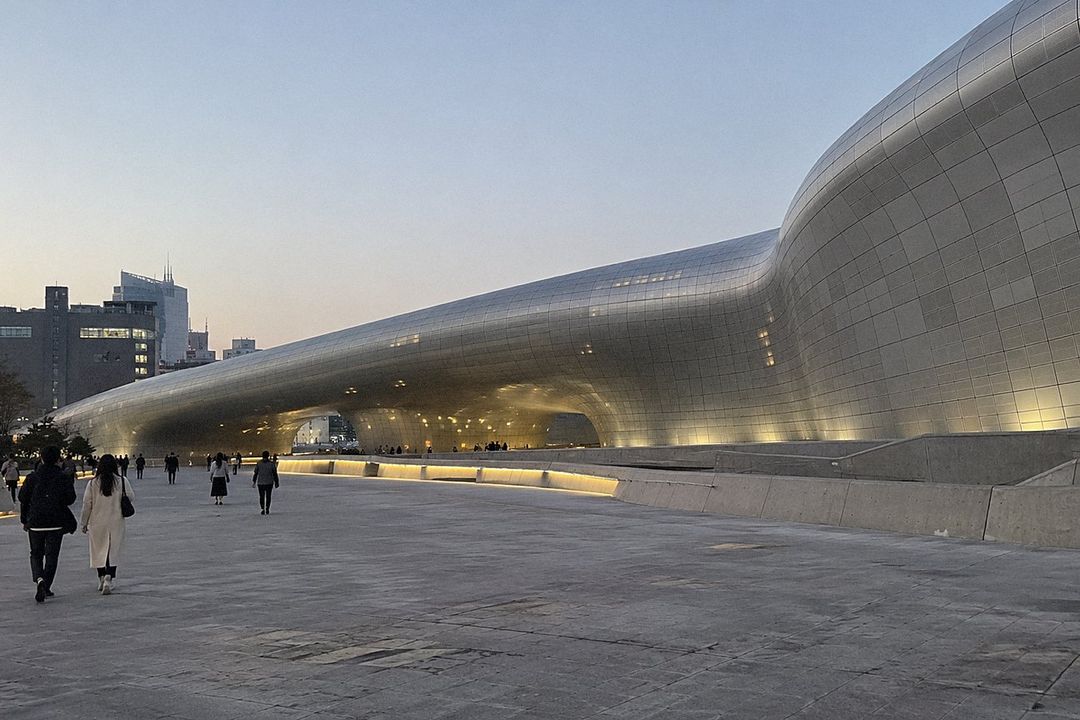
Dongdaemun Design Plaza (DDP)
Zaha Hadid's curving silver landmark hosting exhibitions and events, surrounded by Dongdaemun's late-night fashion malls.
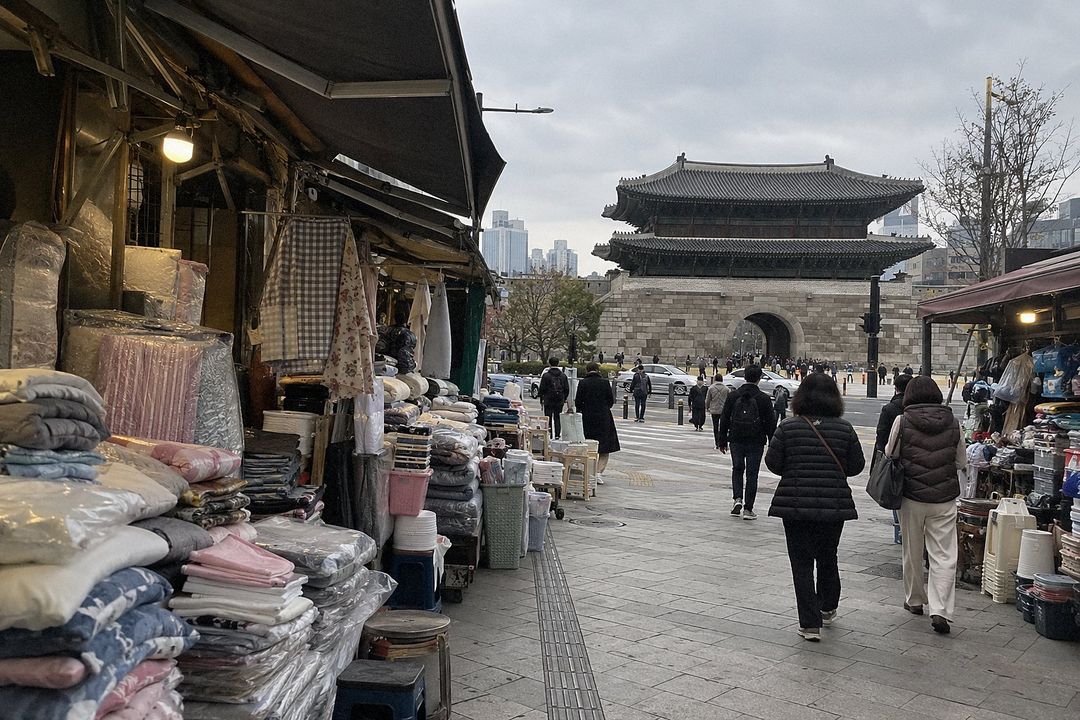
Namdaemun Market
A sprawling traditional market of hundreds of stalls selling clothing, kitchenware and ginseng, with a famous hairtail-stew alley.
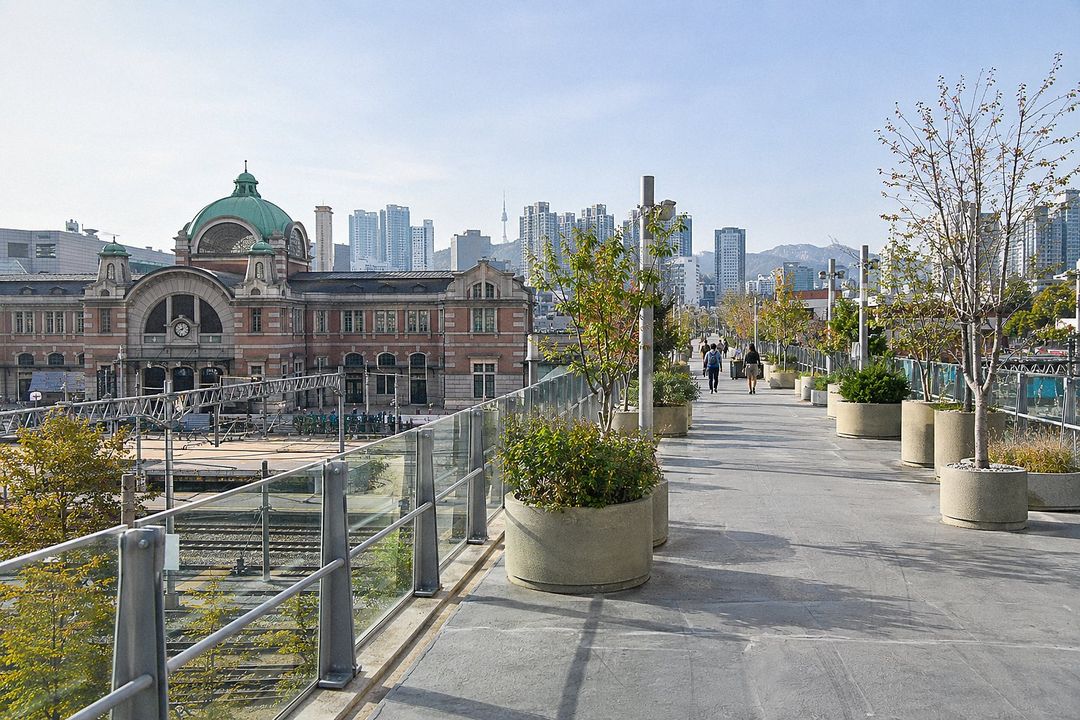
Seoullo 7017
A former highway overpass by Seoul Station reborn as an elevated walkway planted with trees and flowers in round planters.
Yongsan and Itaewon
The area between Namsan and the Han River, home to the National Museum of Korea, the War Memorial and the international dining and nightlife streets of Itaewon.
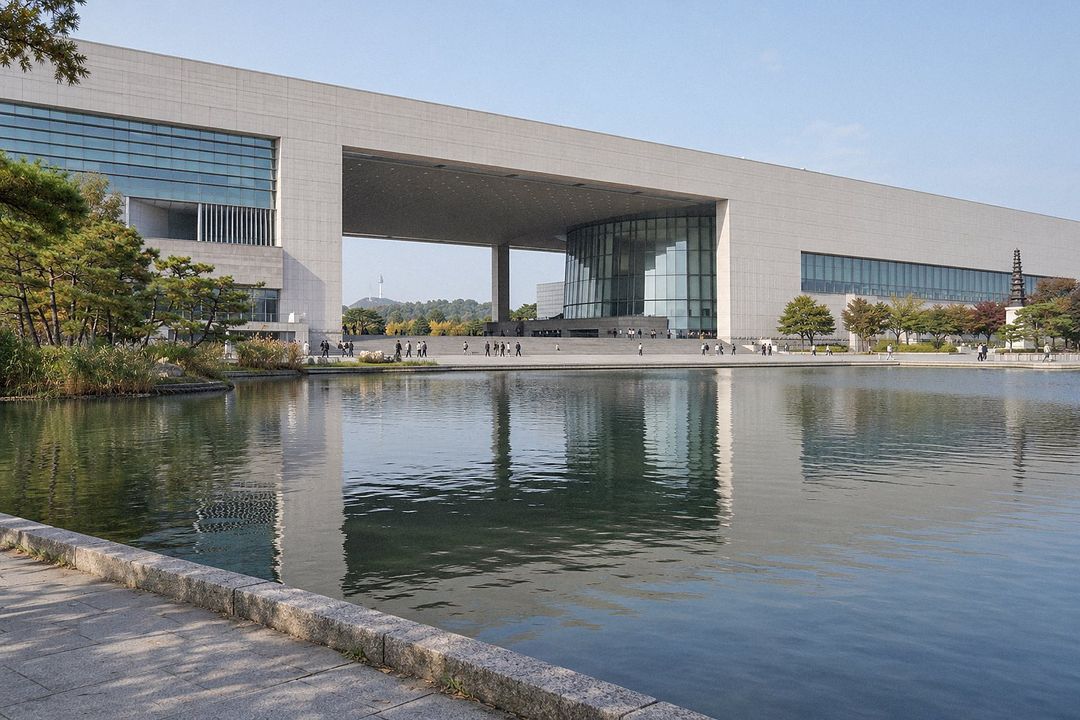
National Museum of Korea
The country's flagship museum, tracing Korean history from prehistory to Joseon through outstanding ceramics, Buddhist art and gold crowns.
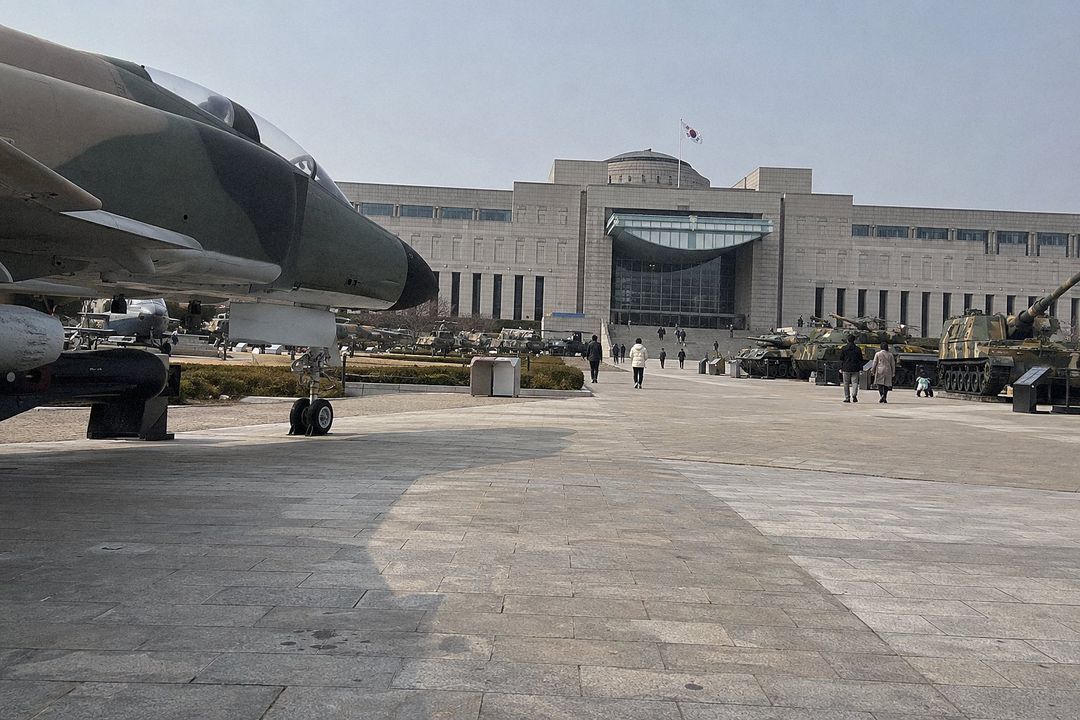
War Memorial of Korea
A large museum on Korea's wars, especially the Korean War, with aircraft, tanks and ships displayed in the grounds outside.
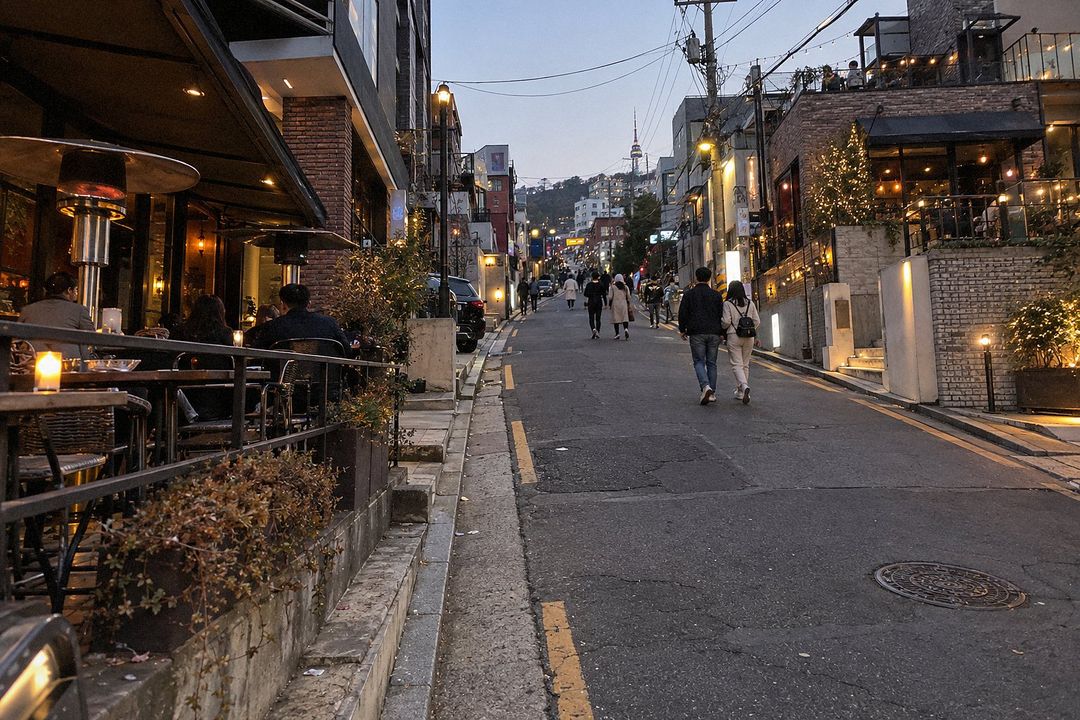
Itaewon
Seoul's most international neighborhood, with restaurants from around the world, rooftop bars and nightlife on the slopes below Namsan.
Hongdae, Mapo and Yeouido
The young, lively west: the university district of Hongdae with its clubs, buskers and cafes, riverside parks in Mapo, and the island business district of Yeouido.
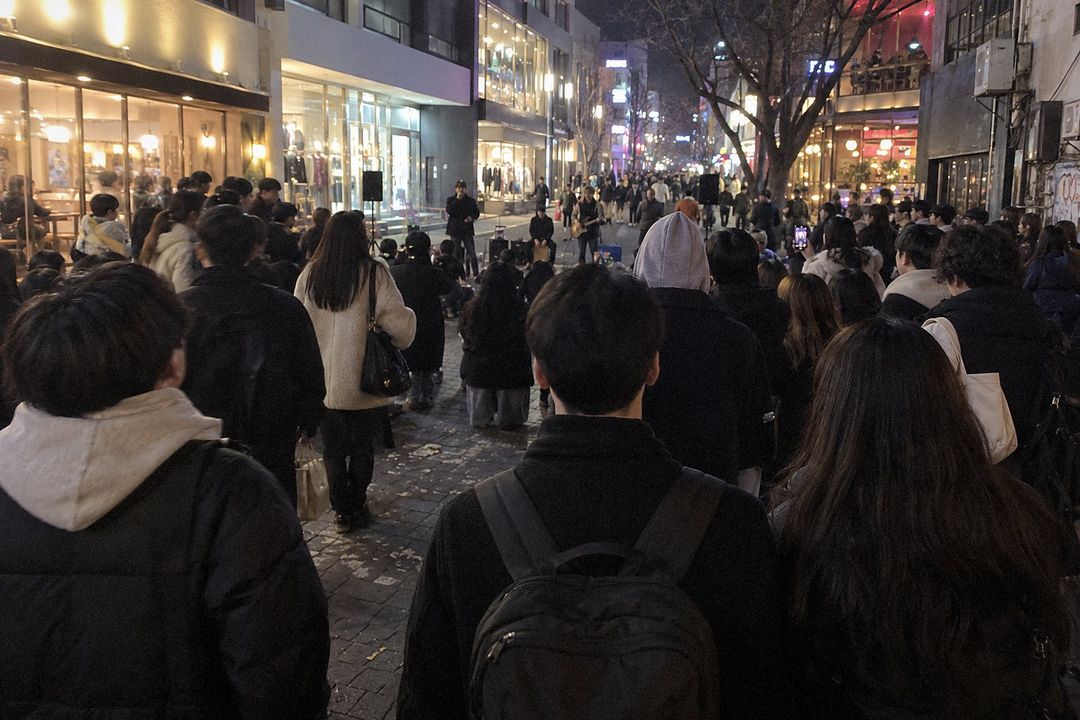
Hongdae
The lively area around Hongik University: street performers, indie music venues, clubs, cafes and budget shopping.
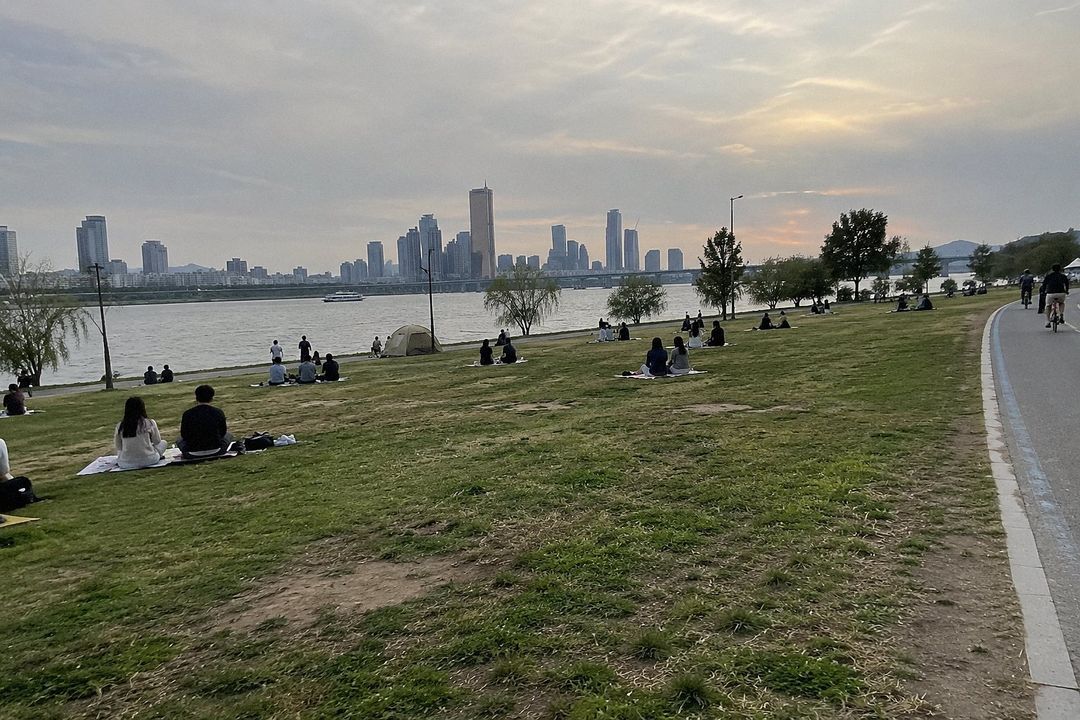
Yeouido Hangang Park
The most popular of the Han River parks, ideal for picnics, bike rental and river cruises; nearby Yunjung-ro is lined with cherry trees.
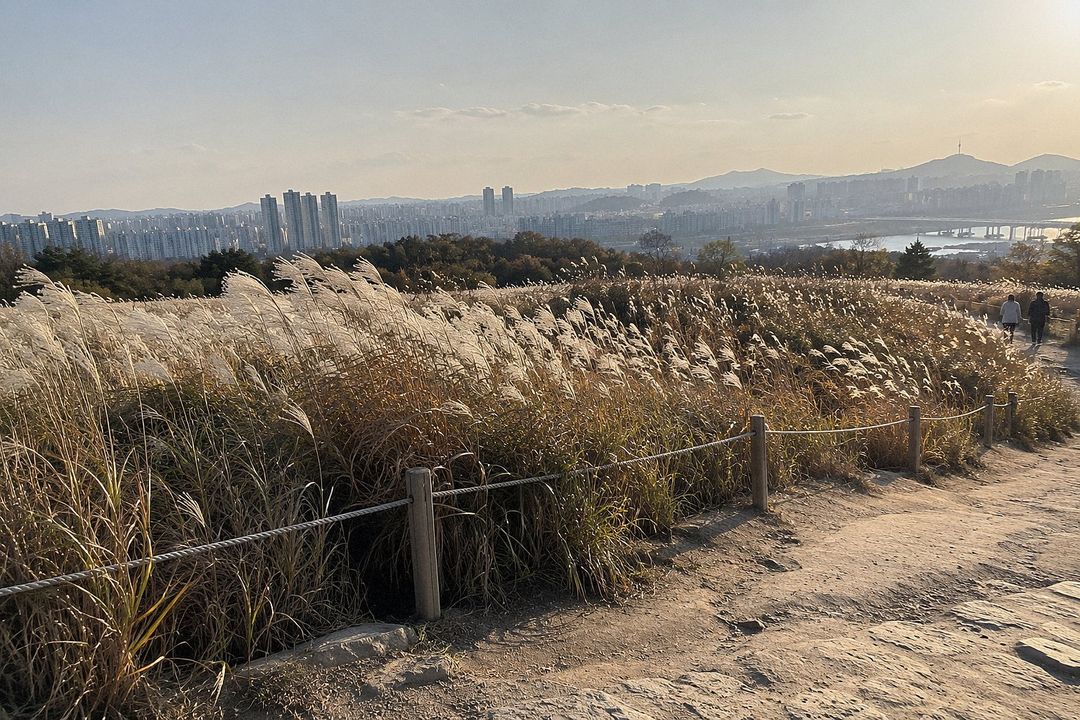
Haneul Park
A hilltop park built on a former landfill, best in autumn when its fields of silver grass turn golden.
Gangnam, Jamsil and Seongsu
Mostly south of the Han River: the towers, malls and temple of Gangnam, Lotte World Tower in Jamsil, plus Seongsu and Seoul Forest just across the river on the north bank.
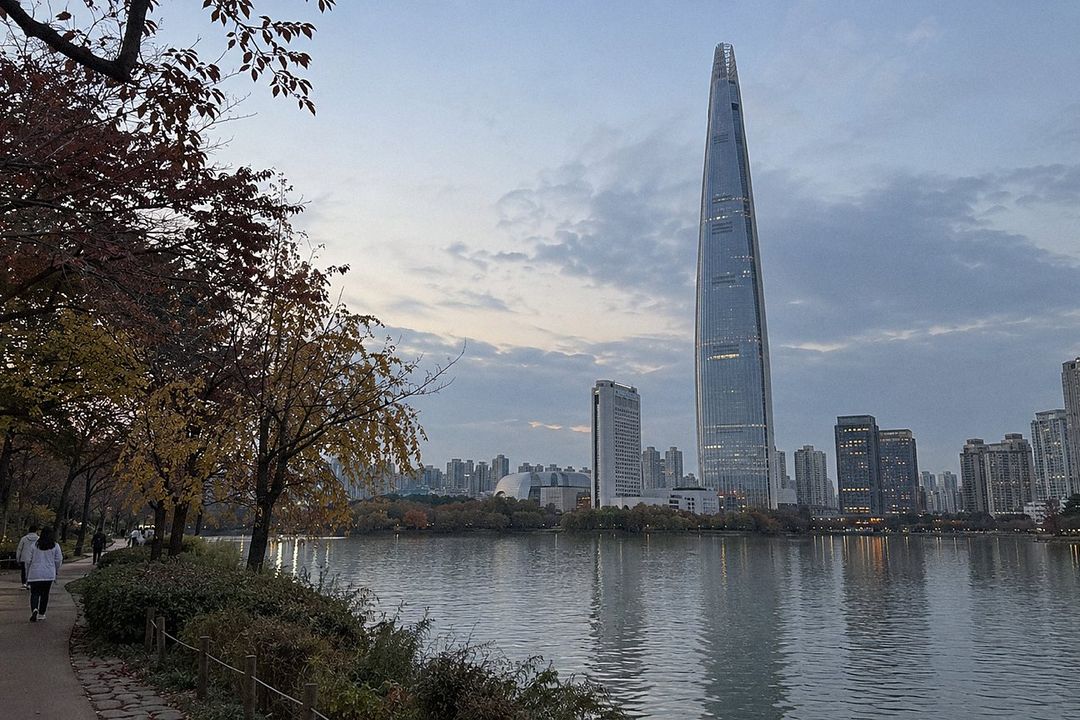
Lotte World Tower
Korea's tallest building, with the Seoul Sky observation decks near the top and a large mall and aquarium at its base.
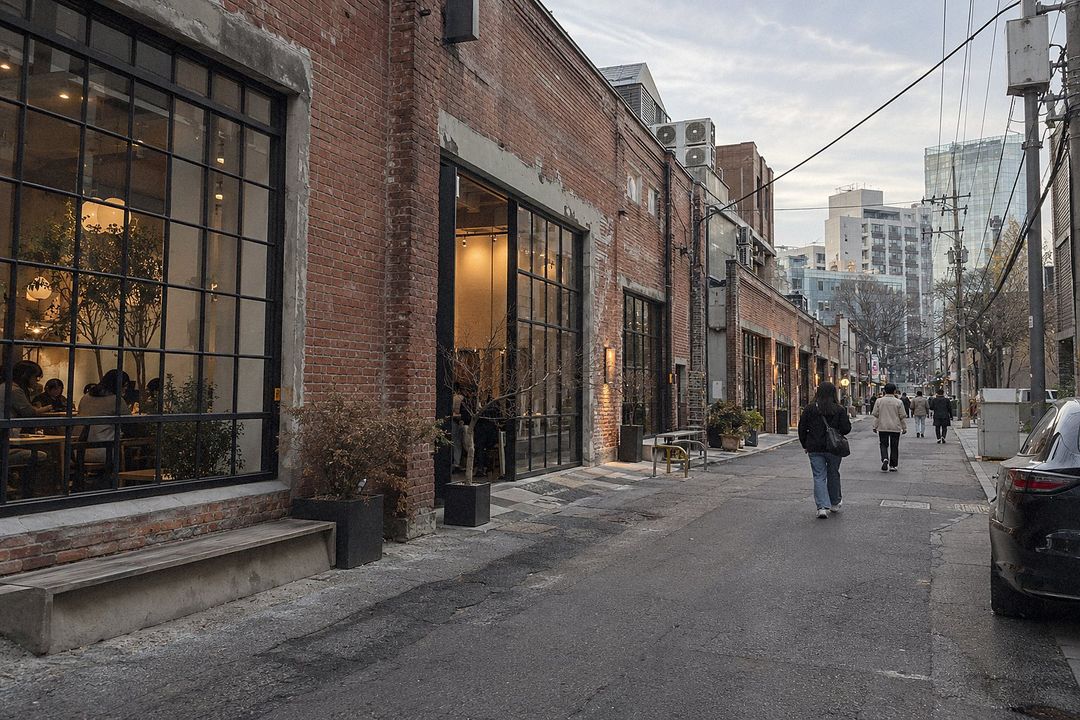
Seongsu-dong
Former factories and red-brick warehouses now filled with cafes, design shops and pop-up stores; a hub for trend-watchers.
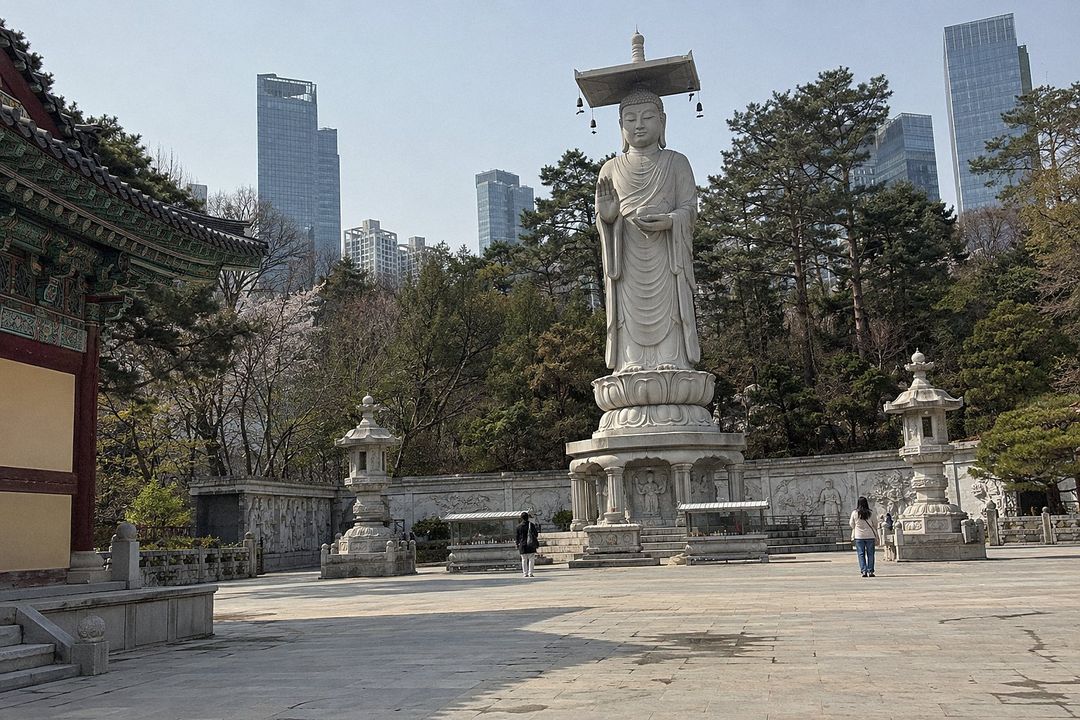
Bongeunsa Temple
A historic Buddhist temple facing the COEX towers, with a giant standing Buddha statue and a temple stay program.
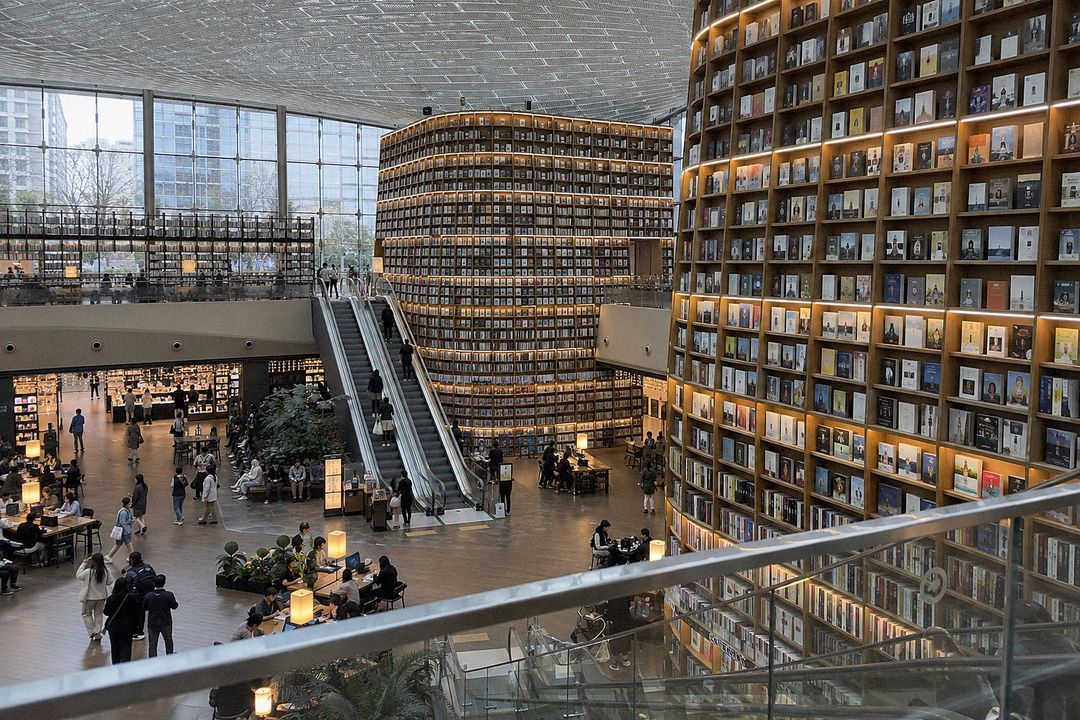
COEX and Starfield Library
A huge underground mall in Gangnam whose centerpiece is an open library hall with towering bookshelves.
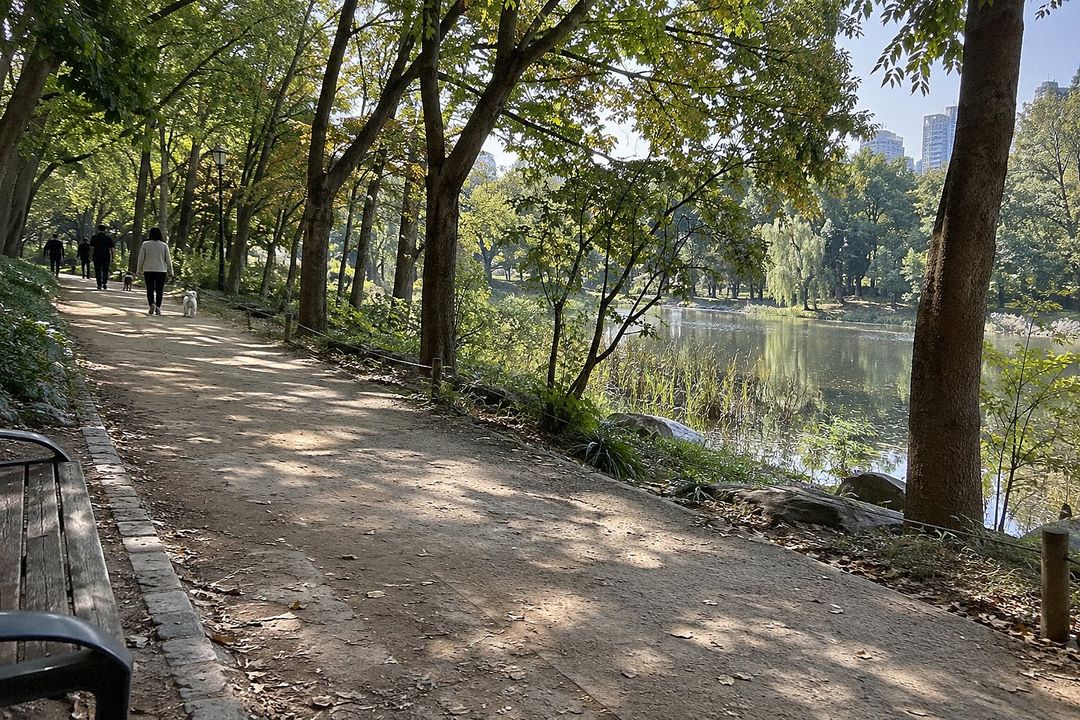
Seoul Forest
A large park with woodland trails, ponds and a deer enclosure, right beside the cafes of Seongsu.
Mountains and Outskirts
Granite peaks and trails on the city's northern edge, led by Bukhansan National Park, reachable by subway and bus for a half-day or full-day hike.
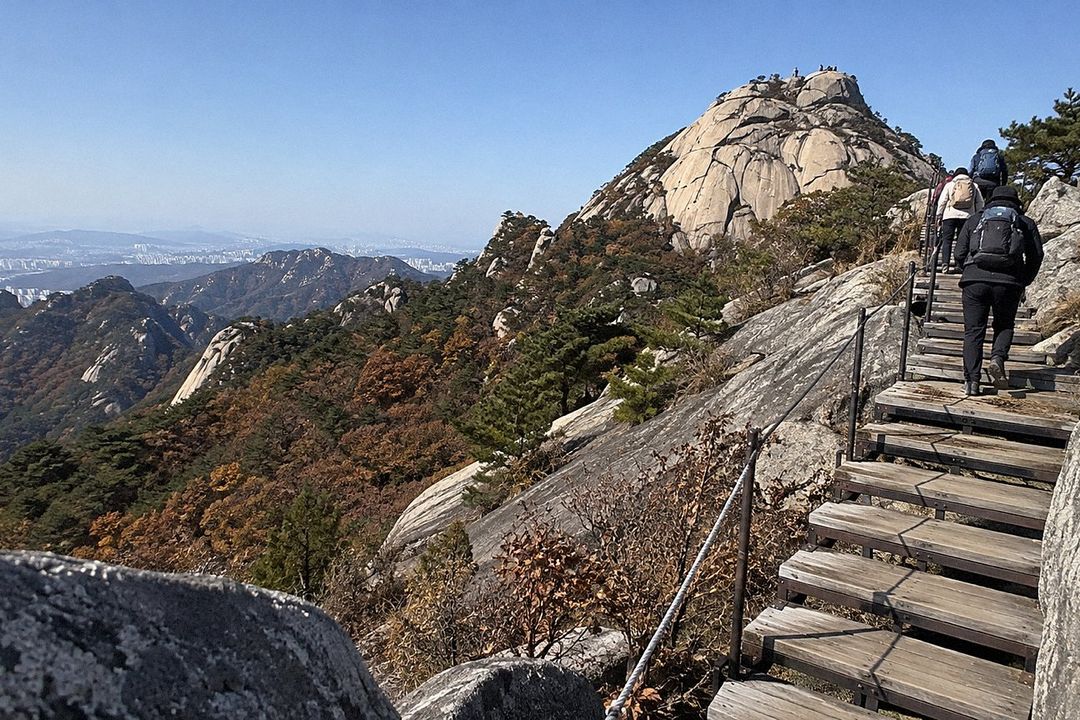
Bukhansan National Park
Granite peaks on the northern city edge with trails to Baegundae summit, an old mountain fortress and hillside temples.
Seoul by interest
Getting to Seoul
| From | How | Time | Notes |
|---|---|---|---|
| Incheon Airport (AREX express train) | Airport Railroad express to Seoul Station, non-stop | About 43 min from Terminal 1, 51 min from Terminal 2 | Adult one-way fare 13,000 won; reserved seats |
| Incheon Airport (AREX all-stop train) | Airport Railroad commuter train to Seoul Station via Gimpo Airport and Hongik University | About 59 min from Terminal 1, 66 min from Terminal 2 | Paid with a T-money or other transit card |
| Incheon Airport (limousine bus) | Airport limousine buses to hotels and districts across Seoul | About 60-80 min, depending on route and traffic | Buy tickets before boarding at the airport ticket counters or machines |
| Gimpo Airport | AREX all-stop train to Seoul Station; also subway Lines 5 and 9 | About 23 min to Seoul Station by AREX | |
| Busan | KTX high-speed train from Busan Station to Seoul Station (SRT to Suseo in southeast Seoul) | About 2 hr 30 min to 3 hr, depending on stops |
Most international flights land at Incheon Airport, about an hour west of the center. Gimpo Airport handles domestic flights and some short-haul routes to Japan, China and Taiwan.
Getting around
Seoul's subway network reaches nearly every sight and is signposted in English; buses fill the gaps. Pay with a rechargeable T-money card, sold at convenience stores and station machines. For heavy use, the Climate Card short-term pass (1 to 7 days) gives unlimited rides on Seoul subway lines and Seoul city buses, but not on the Shinbundang Line, airport buses or the AREX trip to Incheon.
Long-distance trains: see KORAIL PASS and transportation in Korea.
Itineraries
Seoul in 3 days
Palaces, Bukchon and Insadong on day one, Namsan, Myeongdong and the markets on day two, then Gangnam, the Han River and Hongdae on day three.
One day in Seoul
Start at Gyeongbokgung for the guard ceremony, walk through Bukchon to Changdeokgung, lunch at Gwangjang Market, and end with sunset at N Seoul Tower.
Seoul plus a day trip
Add a fourth day for a guided tour to the DMZ, or a hike in Bukhansan National Park reached by subway and bus from the city.
Where to stay in Seoul
Myeongdong
Central, walkable to Namsan and Deoksugung, airport buses stop here and there is a wide range of hotels at all levels.
Best for: First-time visitors, shoppers
See hotels in MyeongdongJongno and Insadong
Within walking distance of the main palaces, Bukchon and Ikseon-dong, with hanok guesthouses as well as business hotels.
Best for: History and culture lovers
See hotels in Jongno and InsadongHongdae
Lively day and night, plenty of guesthouses and mid-range hotels, and the AREX all-stop train runs direct to Incheon Airport.
Best for: Budget travelers, nightlife
See hotels in HongdaeGangnam
Modern high-end hotels, COEX and Seongsu nearby, but a longer subway ride to the old palace quarter.
Best for: Business travelers, upscale stays
See hotels in GangnamSeoul Station
The AREX express from Incheon ends here and KTX trains leave for Busan and Gyeongju, so it suits early departures.
Best for: Short stays, rail travelers
See hotels in Seoul Station
Some links on this page are affiliate links: if you book through them we may earn a commission at no extra cost to you. It never decides what we recommend. Affiliate disclosure.
Food and restaurants in Seoul
Seoul gathers food from every corner of Korea. Markets and street stalls serve quick, inexpensive snacks, while barbecue restaurants and late-night chicken shops are a social ritual. Many restaurants serve a set menu of a few dishes, and side dishes (banchan) are refilled for free.
What to eat
| Korean barbecue 삼겹살 | Thick slices of pork belly grilled at the table, wrapped in lettuce with garlic and ssamjang paste; usually ordered for at least two. |
|---|---|
| Mung bean pancake 빈대떡 | Crisp, deep-fried pancakes of ground mung beans, the signature snack of Gwangjang Market, best with a glass of makgeolli. |
| Knife-cut noodles 칼국수 | Hand-cut wheat noodles in a rich broth, a Seoul lunchtime staple served with sharp fresh kimchi. |
| Tteokbokki 떡볶이 | Chewy rice cakes simmered in a sweet and spicy red sauce, sold at street stalls and snack bars everywhere. |
| Cold noodles 냉면 | Buckwheat noodles in chilled beef broth, a summer favorite; Seoul has several long-running Pyongyang-style specialists. |
| Fried chicken and beer 치맥 | Korean fried chicken, crisp or glazed in sweet chili sauce, eaten with draft beer; a classic picnic on the Han River banks. |
Where to eat
- Gwangjang Market — Food alleys of counter stalls serving bindaetteok, mayak gimbap, noodles and yukhoe.
- Myeongdong — Evening street-food stalls in the shopping streets, plus long-established noodle and dumpling restaurants.
- Ikseon-dong and Euljiro — Hanok cafes and bakeries, old-school beer halls and grilled-fish alleys a short walk from the palaces.
- Mangwon Market — A neighborhood market near Hongdae known for snacks such as croquettes and fried chicken, close to the river park.
Experiences and tours in Seoul
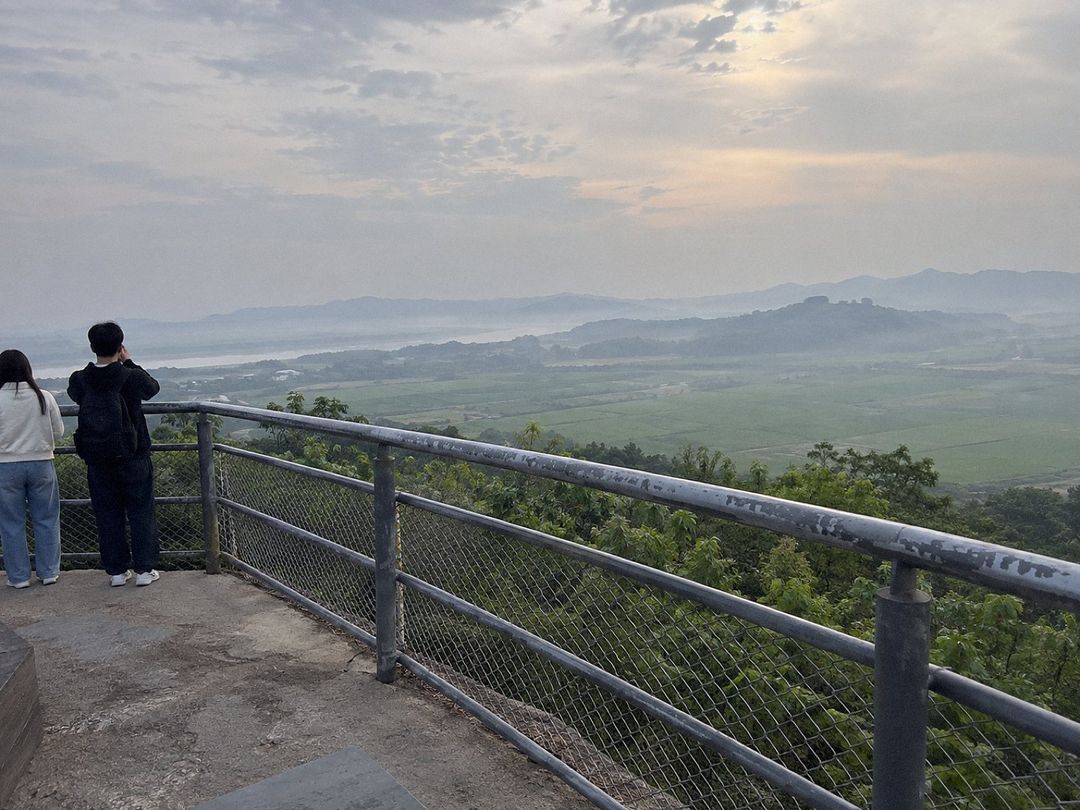
DMZ day tour
A guided day trip to the inter-Korean border area, typically with observatories and infiltration tunnels; bring your passport.
Check on Klook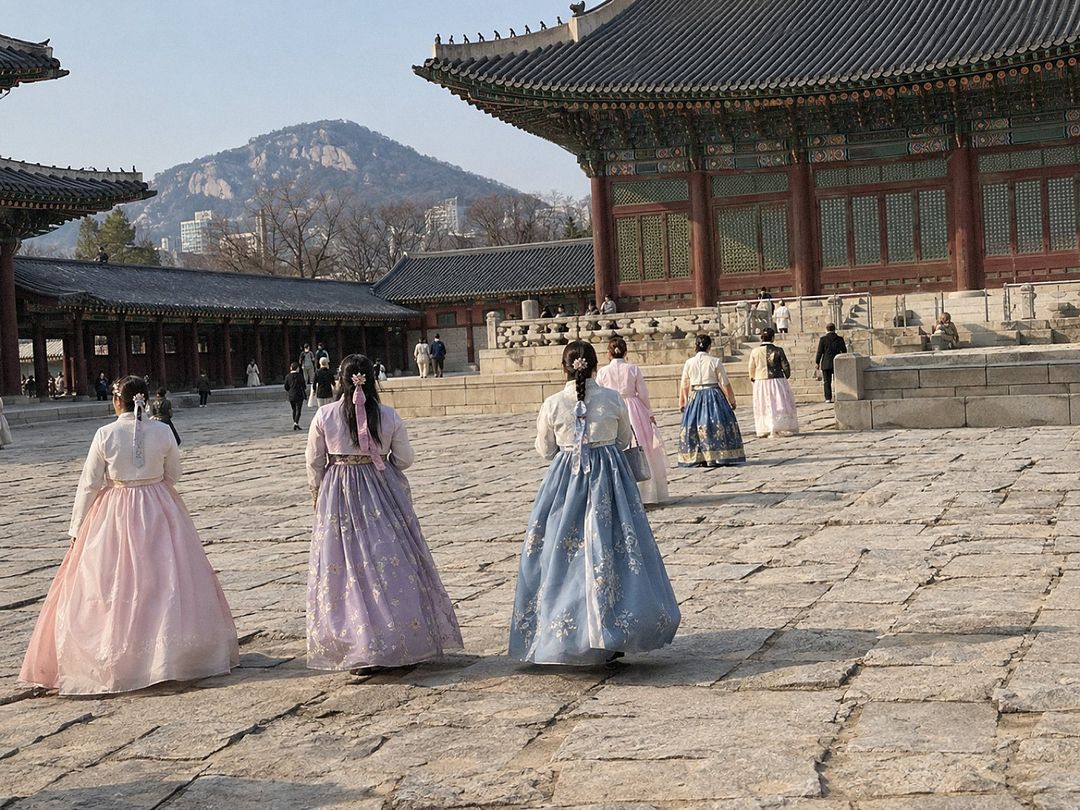
Hanbok rental near Gyeongbokgung
Rent traditional Korean dress for a few hours and explore the palaces and Bukchon; wearing hanbok gives free palace entry.
Check on Klook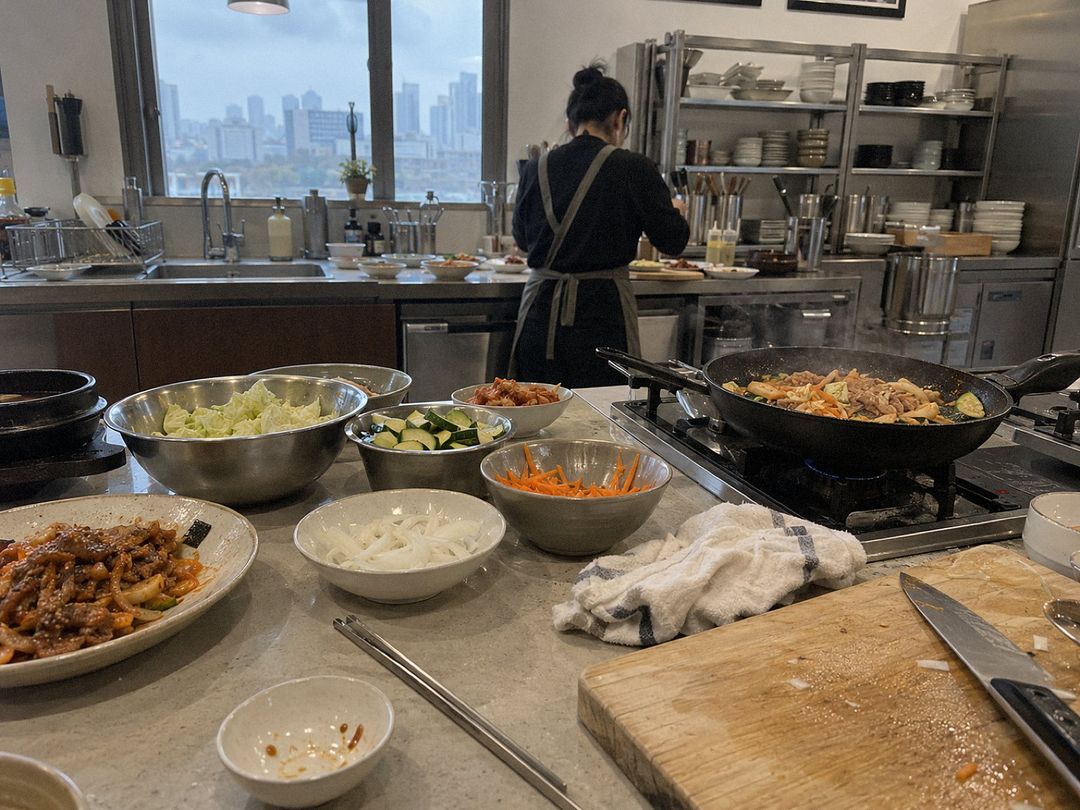
Korean cooking class
Learn to make dishes such as bulgogi, kimchi pancakes or japchae, often with a market visit and the meal at the end.
Check on Klook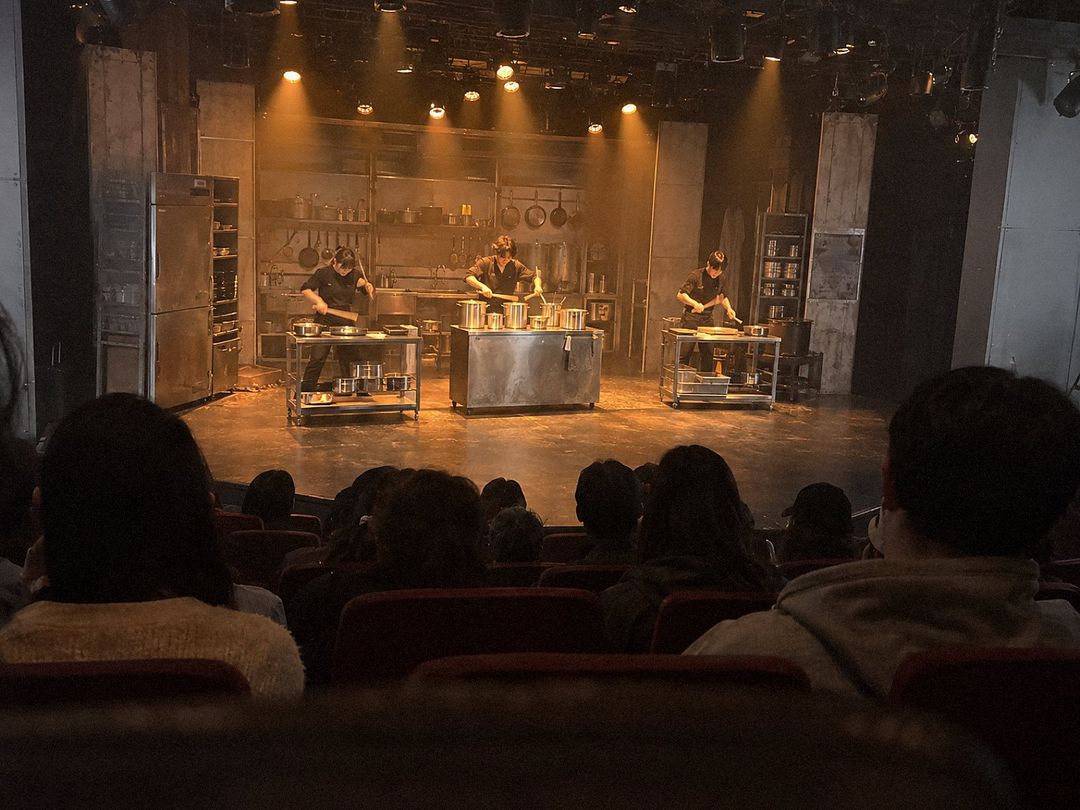
Nanta performance
A long-running non-verbal comedy show of kitchen rhythm and percussion, staged in its own theaters in Myeongdong and Hongdae.
Check on Klook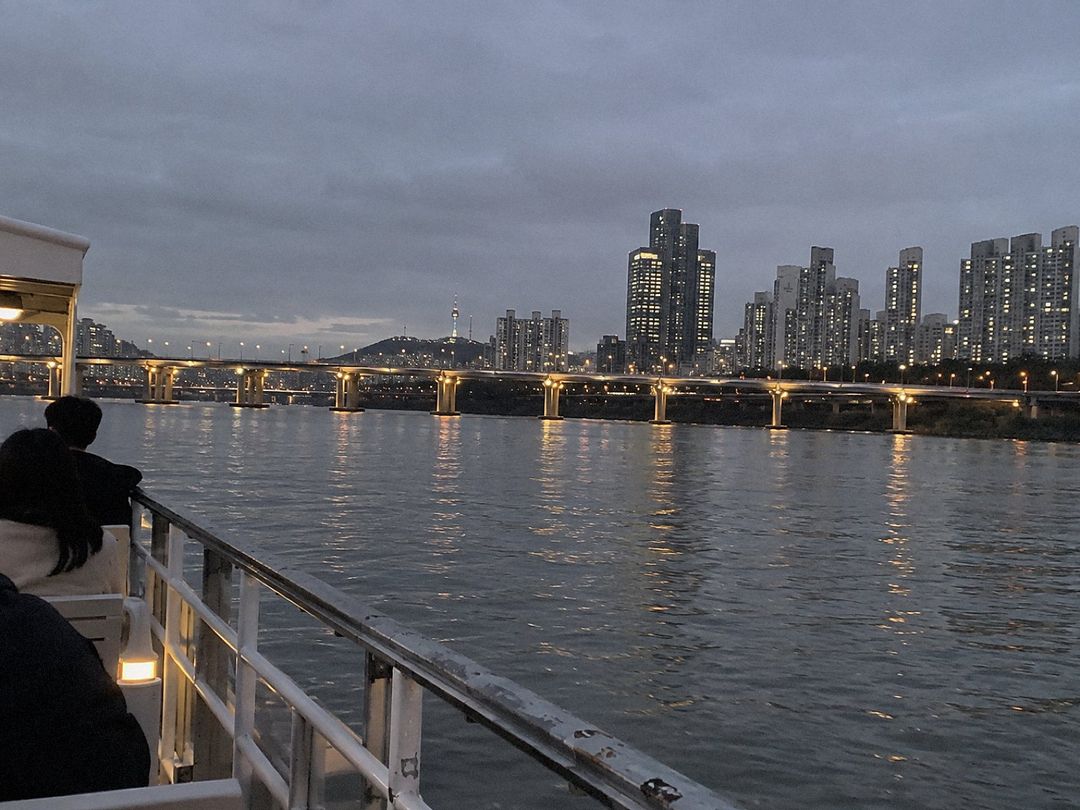
Han River cruise
A sightseeing cruise from Yeouido past the bridges and skyline; evening sailings show off the lit-up riverbanks.
Check on Klook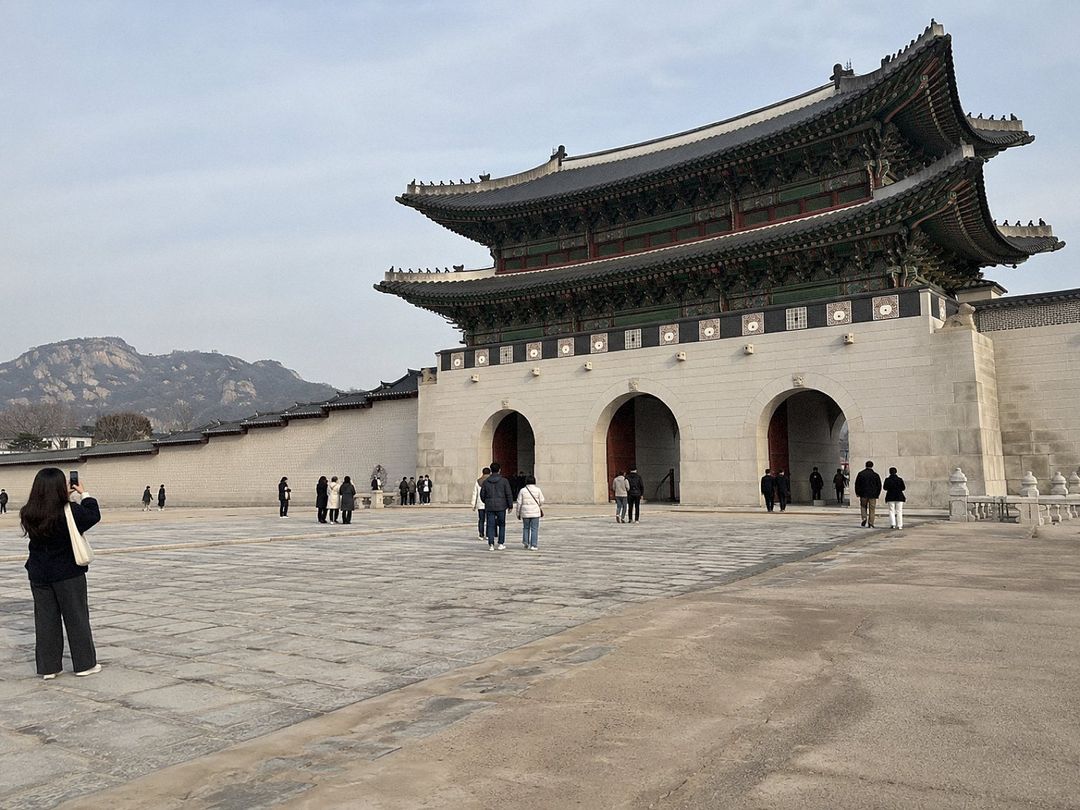
Discover Seoul Pass
A time-limited mobile pass covering admission to many palaces, museums and attractions; worth it for a packed sightseeing schedule.
Check on Klook
Some links on this page are affiliate links: if you book through them we may earn a commission at no extra cost to you. It never decides what we recommend. Affiliate disclosure.
Frequently asked questions
How many days do I need in Seoul?
Three days cover the palaces, the main neighborhoods and a viewpoint at a comfortable pace. Five days leave time for a DMZ tour, a mountain hike or a day trip out of the city.
What is the best way from Incheon Airport to central Seoul?
The AREX express train is fastest to Seoul Station (about 43 minutes from Terminal 1). The cheaper all-stop train is better for Hongdae, and limousine buses are handy if one stops near your hotel.
Do I need a transit card in Seoul?
Yes. A T-money card works on the subway, buses and many taxis across the country. Visitors riding a lot within Seoul can consider a Climate Card short-term pass instead.
When is the best time to visit Seoul?
Spring (April to May) and autumn (late September to early November) bring mild weather, cherry blossoms and fall colors. Summers are hot and humid with a rainy spell, and winters are cold and dry.
Sources
Facts on this page were checked against these sources on 2 October 2026. Prices, hours and rules change — confirm with the operator before you go.
- Seoul Metropolitan Government: Population · official
- Seoul Metropolitan Government: Location · official
- Seoul Metropolitan Government: Getting to Seoul from Incheon Airport · official
- VisitKorea: Airport Transportation Guide · official
- Seoul Metropolitan Government: Climate · official
- VisitKorea: Transportation Cards · official
- Seoul Metropolitan Government: Climate Card · official
- VisitKorea: Train · official
- 내 손안에 서울: 기후동행카드 관광권 (Korean) · official
- 내 손안에 서울: 서울역 도심공항터미널과 공항철도 직통열차 (Korean) · official
- 시대: 서울역 도심공항터미널 이용 기사 (2026) (Korean)
- 서울 열린데이터광장: 주민등록인구 통계 (Korean) · official