Transportation
Getting Around Korea: Trains, Buses, Flights and City Transport
Updated
Book your trip
Overview
South Korea is compact and well connected. High-speed KTX trains link Seoul with most large cities in about two to three hours, buses fill in the gaps, and Jeju is a short flight away. Inside cities, subways and buses all accept the same rechargeable transport cards.
Trains: KTX and conventional services
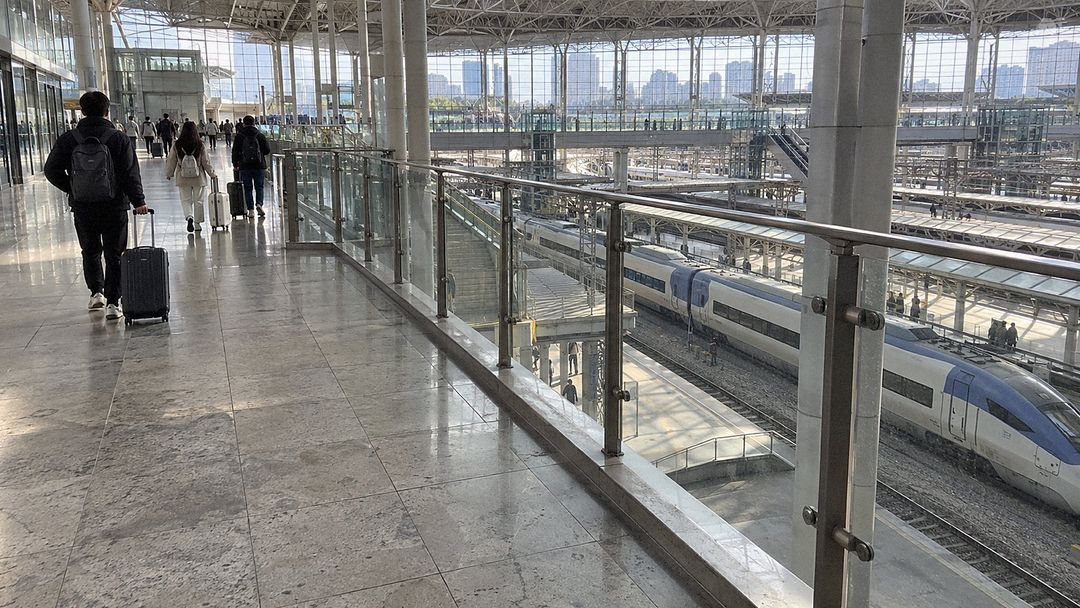
Korail runs almost all of Korea’s passenger trains. The KTX family (KTX, KTX-Sancheon and KTX-Eum) serves Busan, Gyeongju, Daejeon, Gwangju, Jeonju, Gangneung and many other cities. Slower ITX-Cheongchun, ITX-Saemaeul, Saemaeul and Mugunghwa trains stop at smaller towns and cost less.
Since 1 September 2026 the former SRT high-speed service is part of Korail. Its trains now run as KTX-Sancheon, mostly from Suseo Station in southern Seoul, while other KTX trains leave from Seoul, Yongsan and Cheongnyangni stations. Korail lowered KTX fares by an average of about 10% at the same time; Seoul–Busan now costs ₩54,400 in standard class.
Korail’s English website sells tickets up to two months ahead. Buy them there, in the Korail+ app, at ticket machines or at station counters. Foreign visitors making several long trips can buy a rail pass: see KORAIL PASS: types, prices and is it worth it.
Typical journey times from Seoul
| From | To | Train | Typical time |
|---|---|---|---|
| Seoul Station | Busan | KTX | from about 2 h 20 min (fastest trains); many stop more and take longer |
| Seoul Station | Gyeongju (Gyeongju Station, formerly Singyeongju) | KTX | about 2 h 10 min |
| Seoul Station | Gangneung | KTX-Eum | about 2 h |
| Yongsan | Jeonju | KTX | about 1 h 40 min |
Express and intercity buses
Long-distance buses reach many places without a railway station. Express buses run non-stop on expressways between major cities. Intercity buses make stops along the way and serve more small towns. Neither has toilets on board, so longer routes stop at motorway service areas.
In Seoul, express buses leave from the Seoul Express Bus Terminal and Central City (both at Express Bus Terminal subway station), while Dong Seoul Terminal and Seoul Nambu Terminal handle many intercity routes. Always check which terminal your bus uses. Tickets can be booked on the official express bus site (kobus.co.kr) and the intercity bus site (txbus.t-money.co.kr), both of which have English pages, or bought at terminal counters and kiosks.
City subways, buses and transport cards
Seoul, Busan and other large cities have subway networks backed by dense city bus systems. The easiest way to pay is a rechargeable T-money card. It is sold at convenience stores and at subway stations (no ID needed), topped up at subway ticket machines, and accepted on subways and buses nationwide and in taxis with card readers.
Seoul’s Climate Card unlimited pass changed in 2026: the 30-day version could no longer be recharged after 31 August 2026 and is being phased out, but the short-term 1, 2, 3, 5 and 7-day versions for visitors continue. Holders of a KORAIL PASS can add a Rail+ transport card for ₩8,000 through KORAIL PASS Plus, which works on subways and buses nationwide.
From Incheon Airport, the AREX airport railway runs to Seoul Station; Korail lists the AREX express ticket at ₩13,000.
Domestic flights
Domestic flights matter mainly for Jeju. Gimpo Airport in Seoul has flights to Jeju, Gimhae (Busan), Ulsan, Yeosu, Gwangju and other cities, and Jeju International Airport is linked to nearly every airport in the country. Korean Air, Asiana and several low-cost carriers fly these routes.
Ferries
Ferries serve Korea’s islands. Ulleungdo, for example, is reached by boat from Mukho Port near Donghae on the east coast. Busan, Incheon and other ports also have international ferries to Japan and China. Schedules change with the season and the weather, so check before you travel.
Taxis
Kakao T is the taxi app most Koreans use. Its sister app k.ride, launched in 2024 for foreign visitors, works in English, Japanese and Chinese, does not need a KakaoTalk account, and lets you register an overseas credit card for in-app payment.
Where to go next
Start with Seoul, then head south to Gyeongju and Busan, or fly to Jeju. Check what to sort out before you go, including the K-ETA.
Transportation: all guides
KTX & trains (coming soon)
KORAIL PASS
Buses (coming soon)
Subways (coming soon)
T-money (coming soon)
Domestic flights (coming soon)
Ferries (coming soon)
City guides
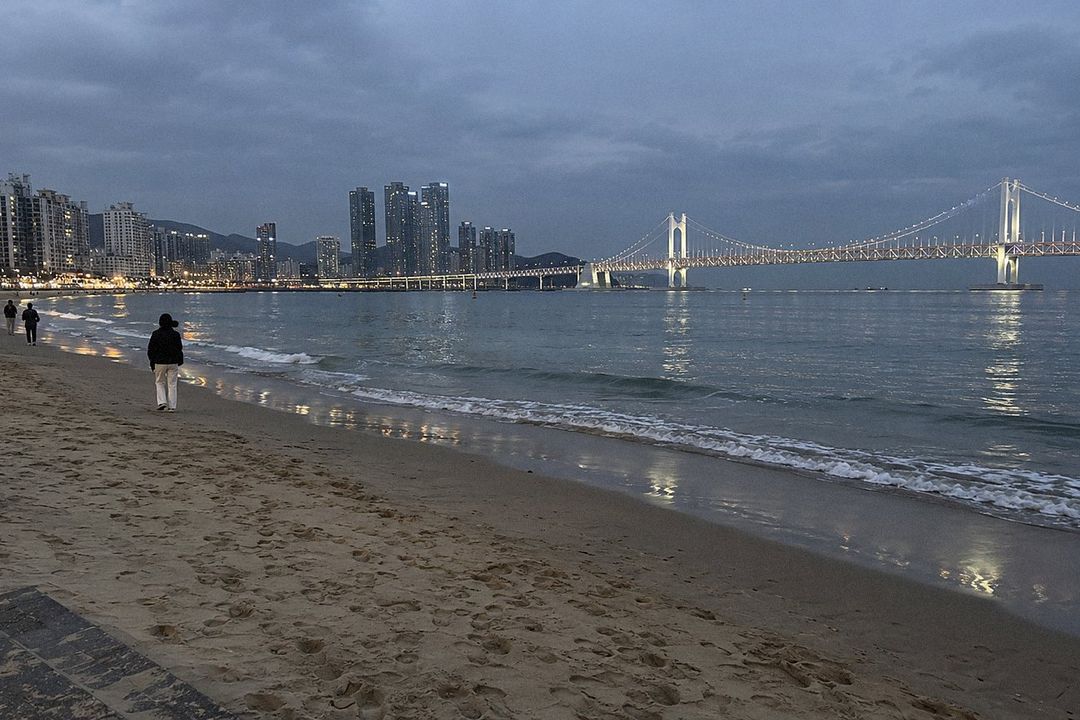
Busan
Korea's second city and busiest port, wrapped around beaches, hillside villages, fish markets and a temple on the rocks.
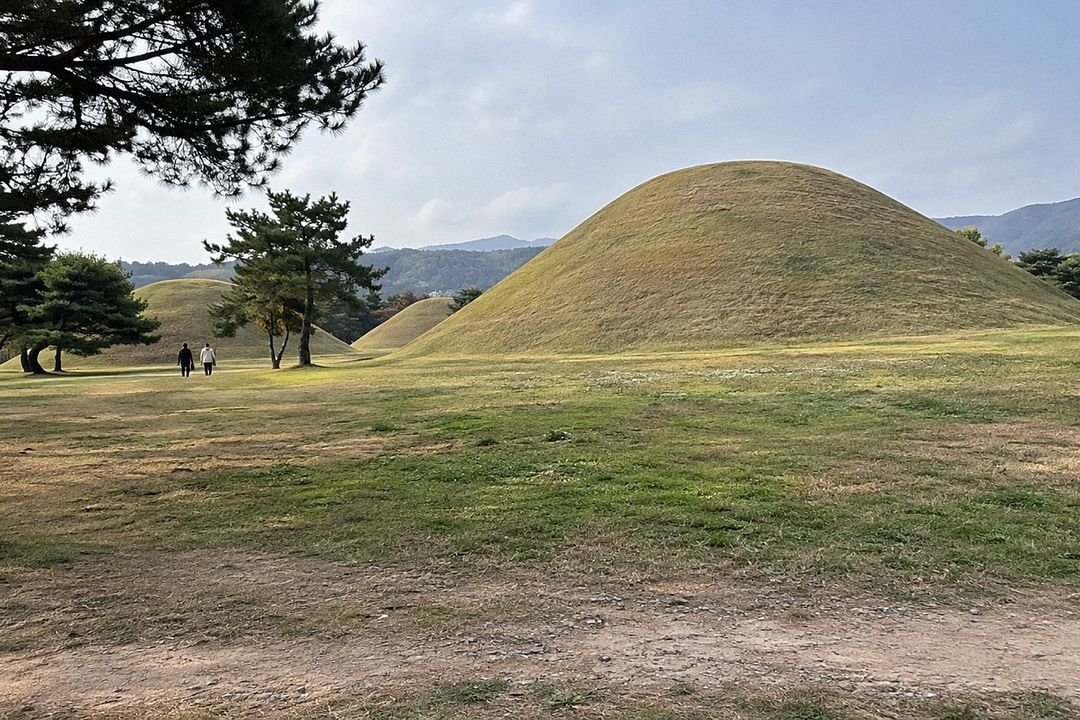
Gyeongju
The former Silla capital, an open-air museum of grassy royal tombs, ancient temples and stone Buddhas in the southeast.
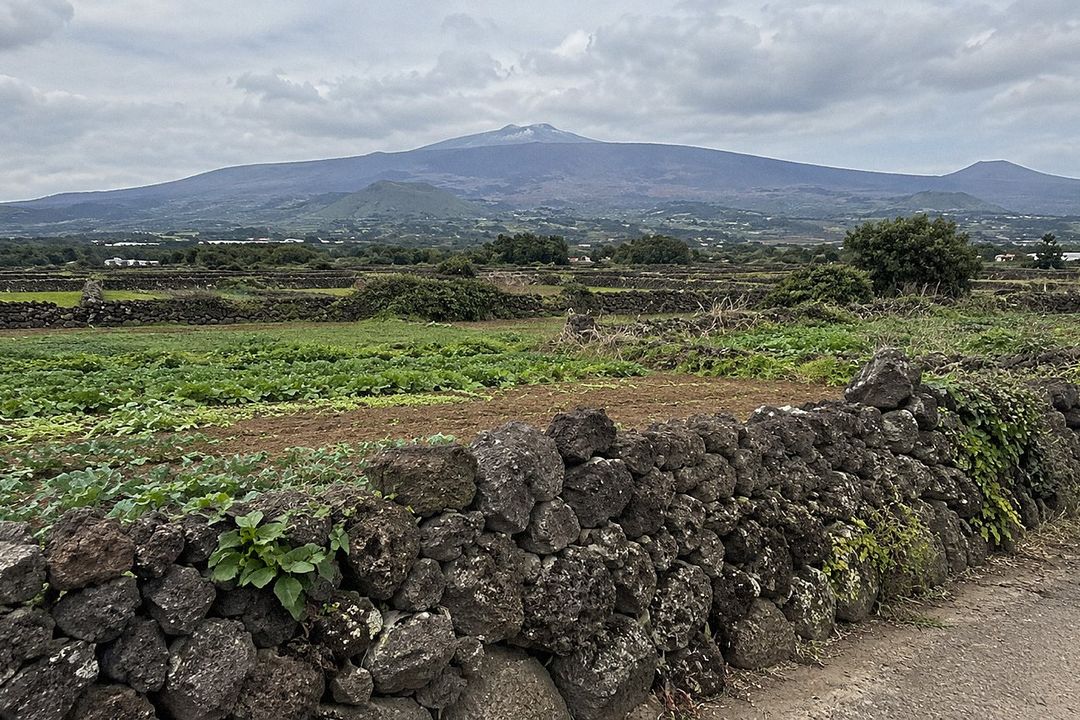
Jeju Island
Korea's volcanic holiday island, with the country's highest peak, UNESCO-listed craters and lava tubes, black-sand coves and waterfalls.
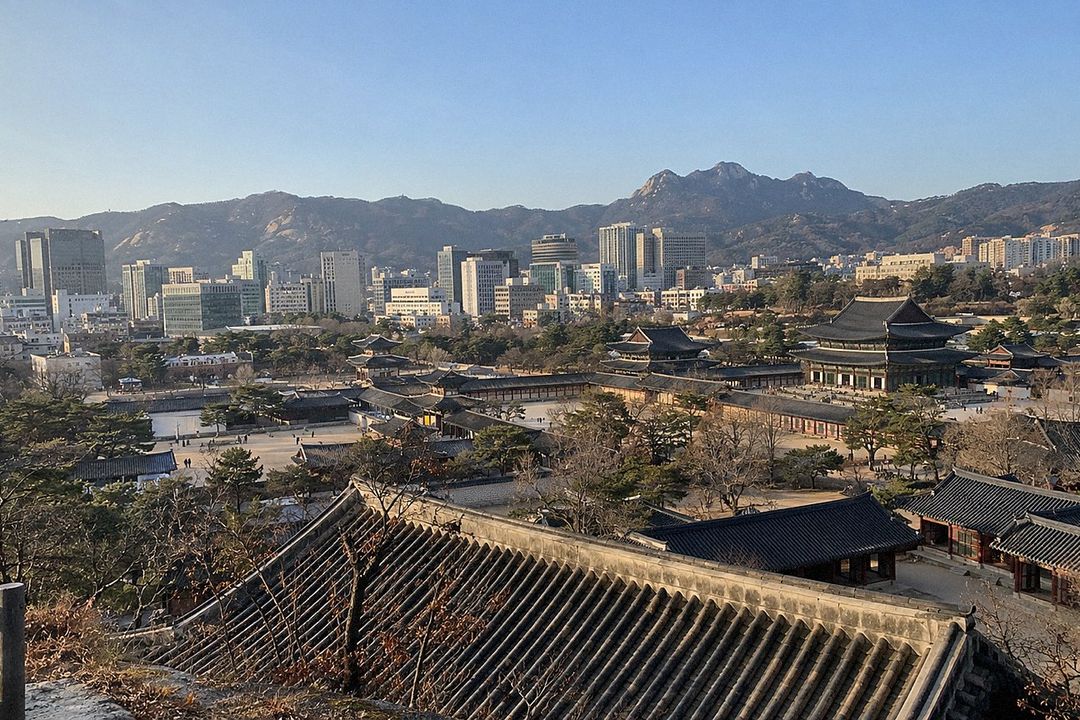
Seoul
Korea's capital: Joseon palaces and hanok lanes beside skyscrapers, night markets, Han River parks and granite peaks inside the city limits.
Frequently asked questions
What is the fastest way to travel from Seoul to Busan?
The KTX high-speed train. The fastest services from Seoul Station take about 2 hours 20 minutes, trains with more stops take longer, and a standard adult ticket costs ₩54,400 since the September 2026 fare cut.
What happened to the SRT?
On 1 September 2026 Korail took over the SRT. Its trains now run as KTX-Sancheon, mostly from Suseo Station in southern Seoul, and all high-speed trains can be booked in the Korail+ app.
Can tourists still buy Seoul's Climate Card?
The 30-day Climate Card could no longer be recharged after 31 August 2026 and is being phased out, but the short-term 1, 2, 3, 5 and 7-day versions aimed at visitors remain on sale, according to operator T-money.
How do I get to Jeju?
Most visitors fly. Jeju International Airport has flights from Gimpo in Seoul and from many other Korean airports, operated by full-service and low-cost airlines.
Sources
Facts on this page were checked against these sources on 2 October 2026. Prices, hours and rules change — confirm with the operator before you go.
- VISITKOREA – Train · official
- VISITKOREA – Express Bus & Intercity Bus · official
- VISITKOREA – Domestic Flights · official
- VISITKOREA – Ferry · official
- VISITKOREA – Transportation Cards · official
- VISITKOREA – Ride-hailing Apps in Korea · official
- KORAIL – KORAIL PASS benefits (AREX express fare) · official
- Busan Metropolitan City – Daegu-Busan KTX Line to Open in November · official
- 코레일 보도자료 – 코레일, 9월부터 고속철도 통합 운영 (2026-08-05) (Korean) · official
- 코레일 보도자료 – 고속철도 통합, 철도서비스가 이렇게 달라졌습니다 (2026-09-18) (Korean) · official
- 코레일 보도자료 – 코레일, '외국인 전용' 통합교통패스 출시 (2025-12-29) (Korean) · official
- 서울시 – 기후동행카드 30일권 이용 종료 안내 (Korean) · official
- 티머니 – 기후동행카드·모두의카드·기후동행패스 차이 (Korean) · official
- 고속버스통합예매 (KOBUS) (Korean) · official
- 시외버스 통합예매시스템 (Korean) · official
- 대한민국 구석구석 – 경강선 KTX로 2시간이면 오케이 (Korean) · official
- 대한민국 구석구석 – 클래식과 레트로, 힙을 잇는 시간의 경주 (2025-10) (Korean) · official
- 비짓전주 – 전주행 교통편 (Korean) · official
- 전국 KTX 열차 운행정보 – current timetables (journey-time cross-check) (Korean)