Region of South Korea
Seoul 서울
Korea's capital of royal palaces, hilltop walls, street markets and round-the-clock neighbourhoods.
Updated
Seoul is a single city, but it is large and varied enough to be treated as a region of its own. The capital spreads across both banks of the Han River and is ringed by granite mountains, so even in the middle of the city a forested ridge is rarely far from view. Old Seoul, the walled capital of the Joseon dynasty, sits north of the river; most of the high-rise business and shopping districts south of the river are products of the late 20th century.
Most first-time visitors come for the royal heritage. Five Joseon-era palaces survive in the historic core, led by Gyeongbokgung and Changdeokgung, and the alleys of Bukchon still hold rows of traditional hanok houses. For a closer look at the palaces as a group, see the palaces guide. The other half of Seoul’s appeal is modern: late-night markets such as Gwangjang Market, the shopping streets of Myeongdong, K-pop and fashion districts, and observation decks such as N Seoul Tower and Lotte World Tower.
The city is easy to navigate. An extensive subway network links almost every sight, signs and announcements are in English, and the airport railway runs straight into Seoul Station. Hikers can reach the trailheads of Bukhansan National Park by subway and bus within the city limits.
Spring and autumn are the most comfortable seasons. Cherry blossoms usually appear around early April, and the leaves on the palace grounds and mountains turn colour from late October into early November. Summers are hot and humid with a rainy spell around July, while winters are cold and dry but bright, with fewer crowds at the major sights.
Seoul also works well as a base. High-speed KTX trains reach Busan, Gyeongju, Gangneung and Jeonju in roughly two to three hours or less, and Gyeonggi and Incheon, which surround the capital, offer easy day trips. Start with the full Seoul city guide, or follow the three-day Seoul itinerary.
Book your trip
Areas of Seoul
Seoul
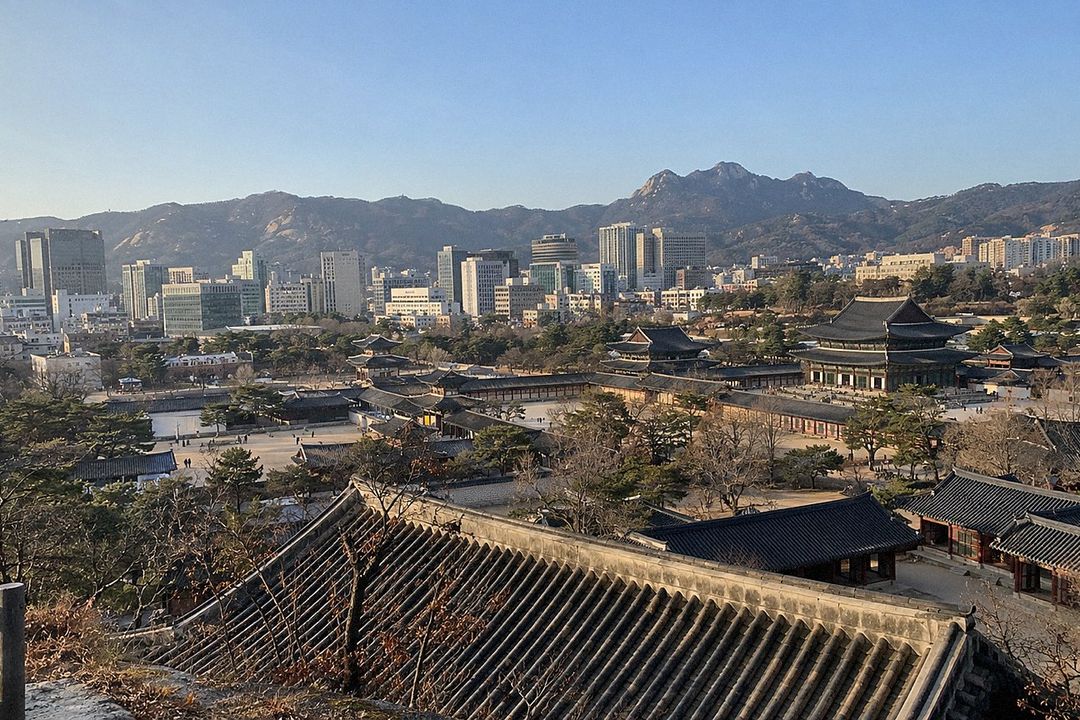
The full city guide with attractions, districts, food, hotels and day-by-day ideas.
Jongno & the palaces
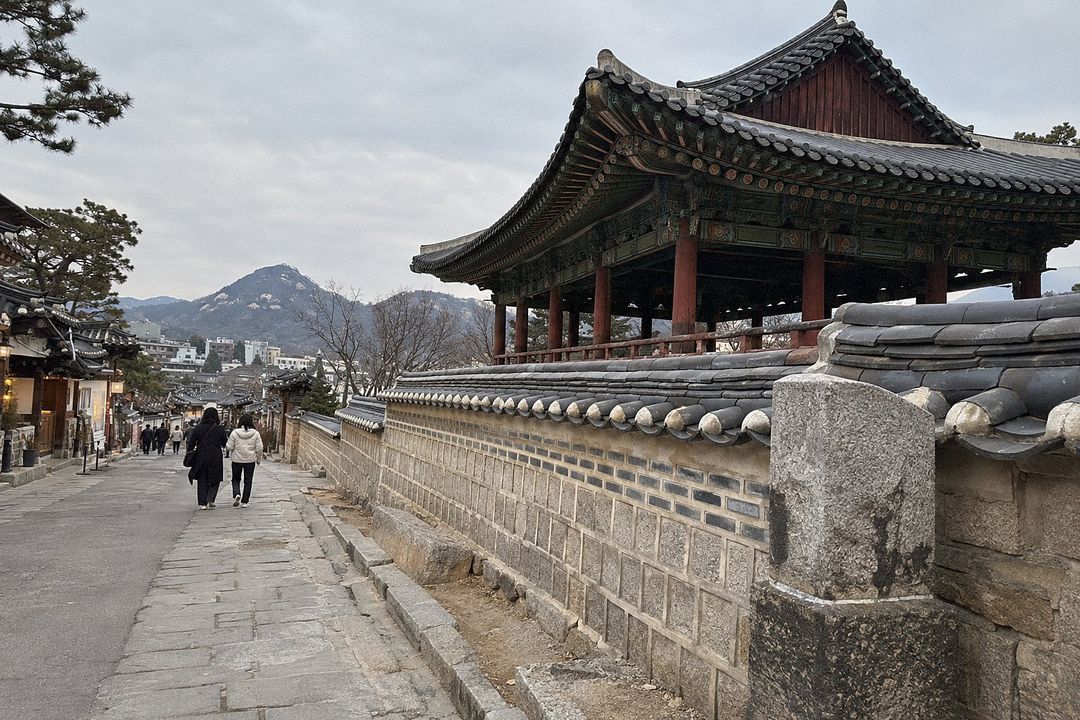
Joseon palaces, hanok lanes in Bukchon and the craft and tea shops of Insadong.
Central Seoul
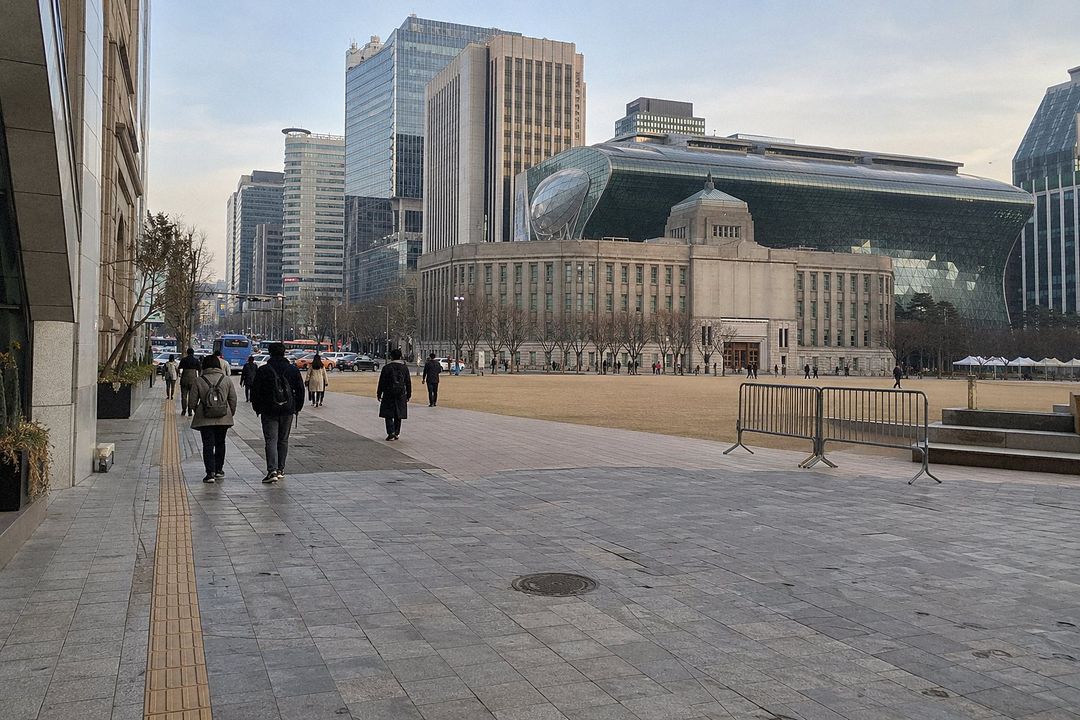
Myeongdong shopping, City Hall, Namdaemun and the late-night markets around Dongdaemun.
Yongsan & Namsan
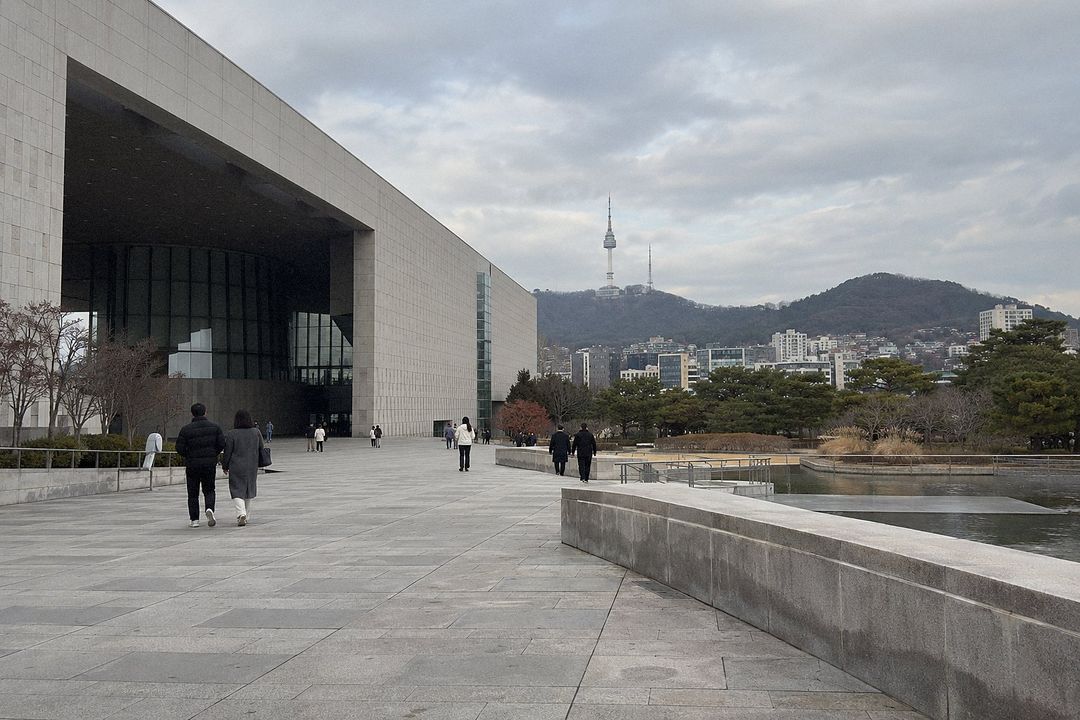
N Seoul Tower on Namsan, the National Museum of Korea and the international streets of Itaewon.
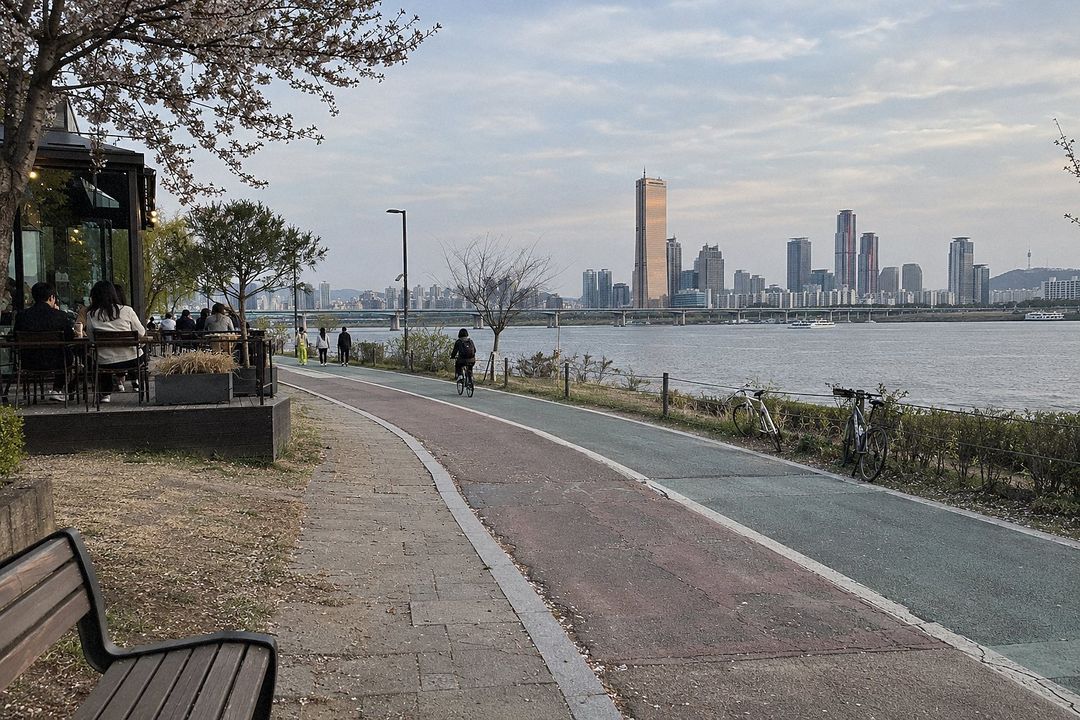
Western Seoul
Student nightlife in Hongdae, cafe streets of Mapo and the riverside parks of Yeouido.
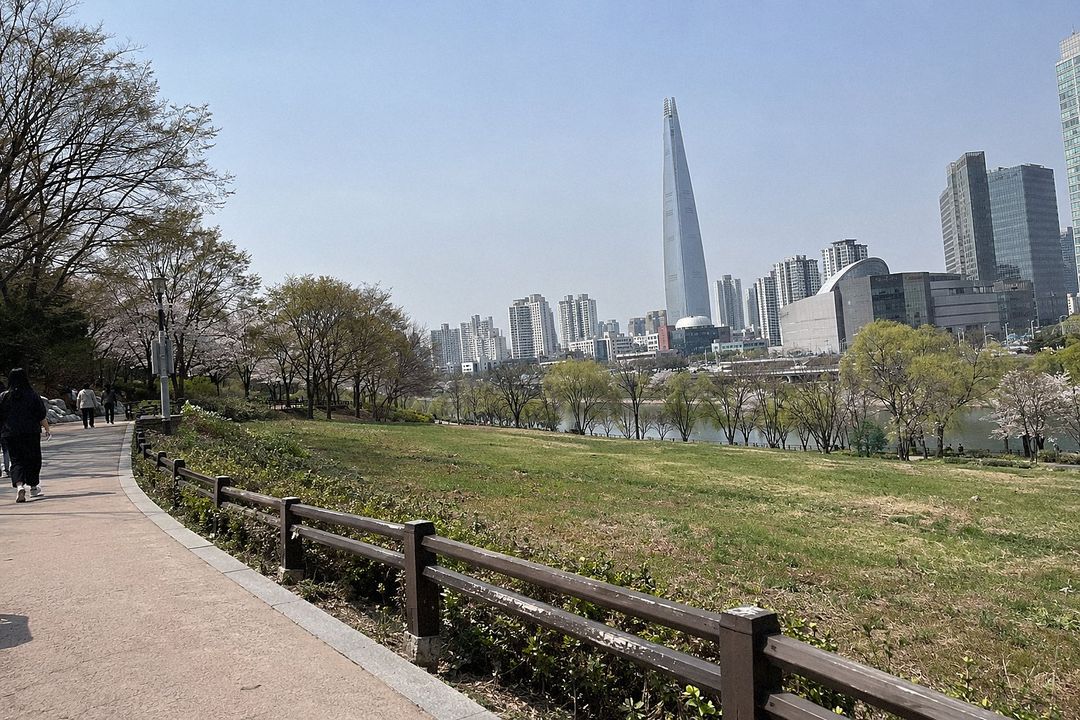
Southern Seoul
Gangnam's shopping avenues, Jamsil's Lotte World Tower and the Olympic Park area.
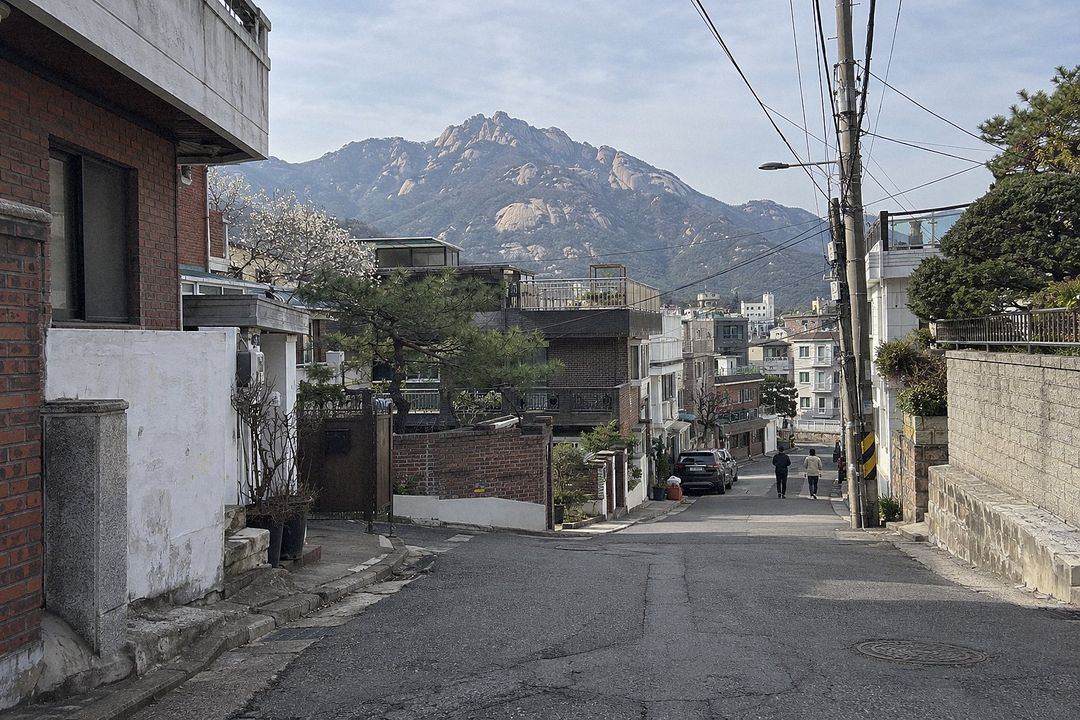
Outer Seoul
Granite peaks of Bukhansan and quieter districts on the city's edge.
Top attractions in Seoul
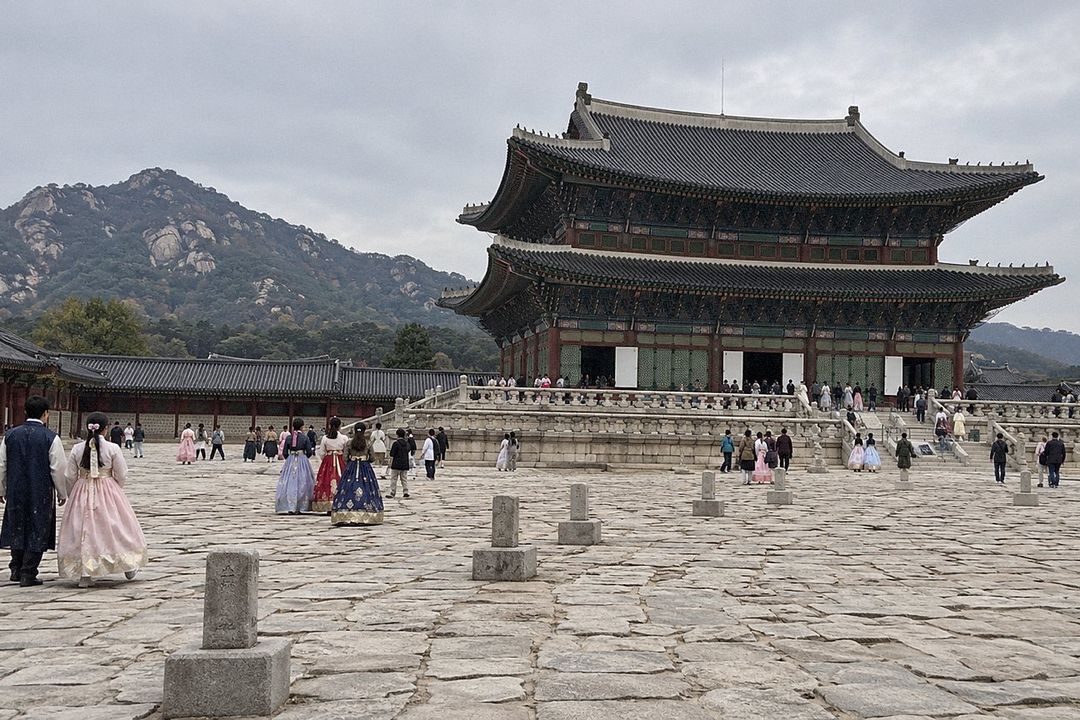
Gyeongbokgung Palace
The largest and grandest of Seoul's five Joseon palaces, with the throne hall, a lotus-pond pavilion and the changing of the guard.
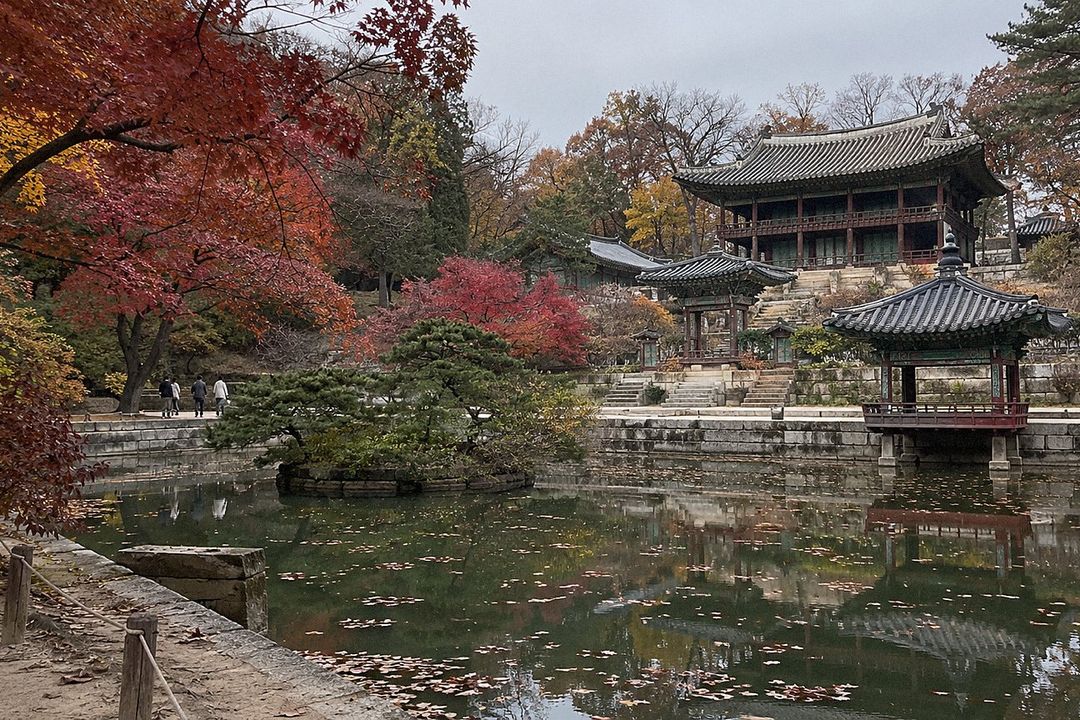
Changdeokgung Palace
A UNESCO-listed palace laid out to follow the hills, famous for its Secret Garden of ponds and pavilions visited on guided tours.
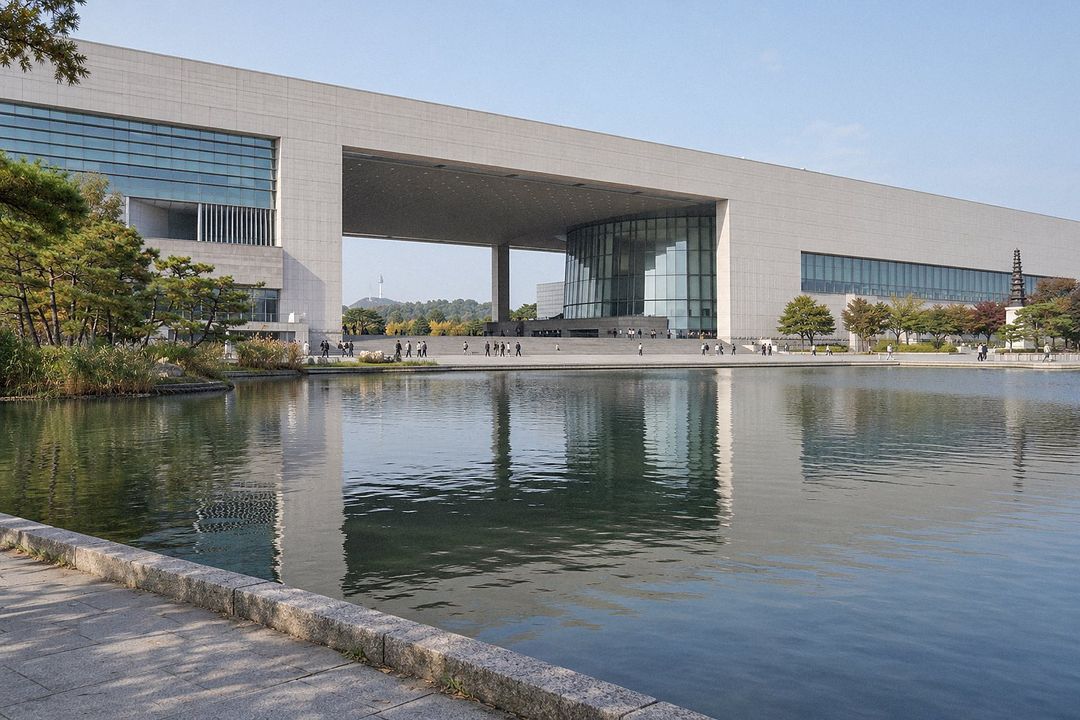
National Museum of Korea
The country's flagship museum, tracing Korean history from prehistory to Joseon through outstanding ceramics, Buddhist art and gold crowns.
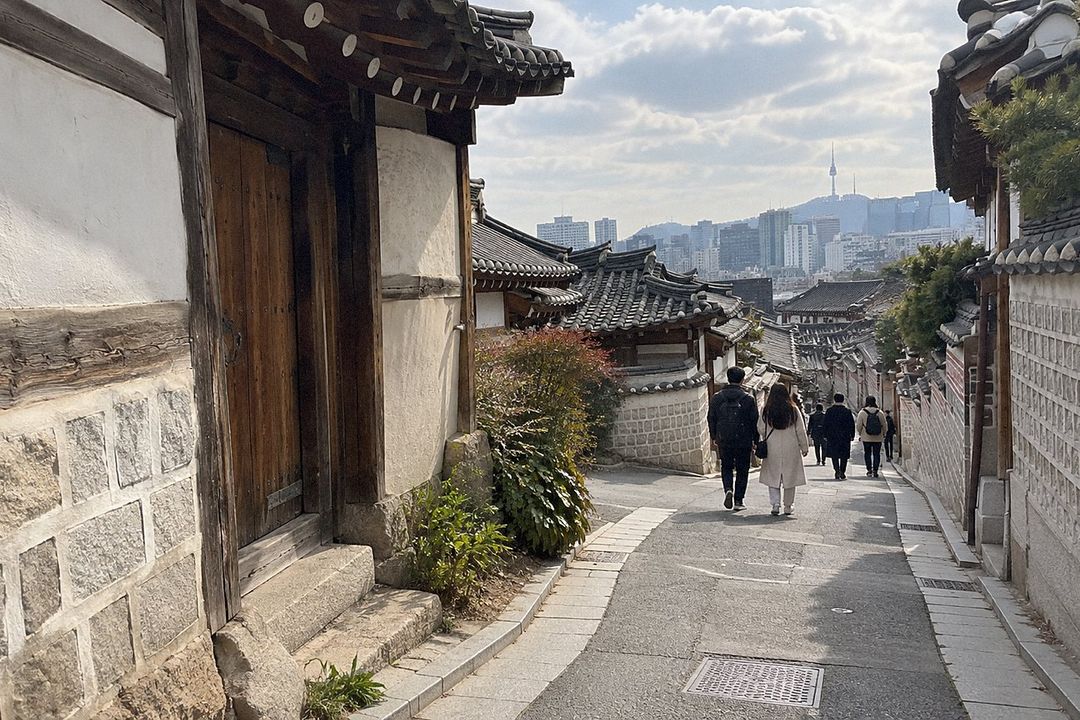
Bukchon Hanok Village
Hillside lanes of traditional tiled-roof houses between two palaces; a lived-in residential area with visiting hours in the busiest part.
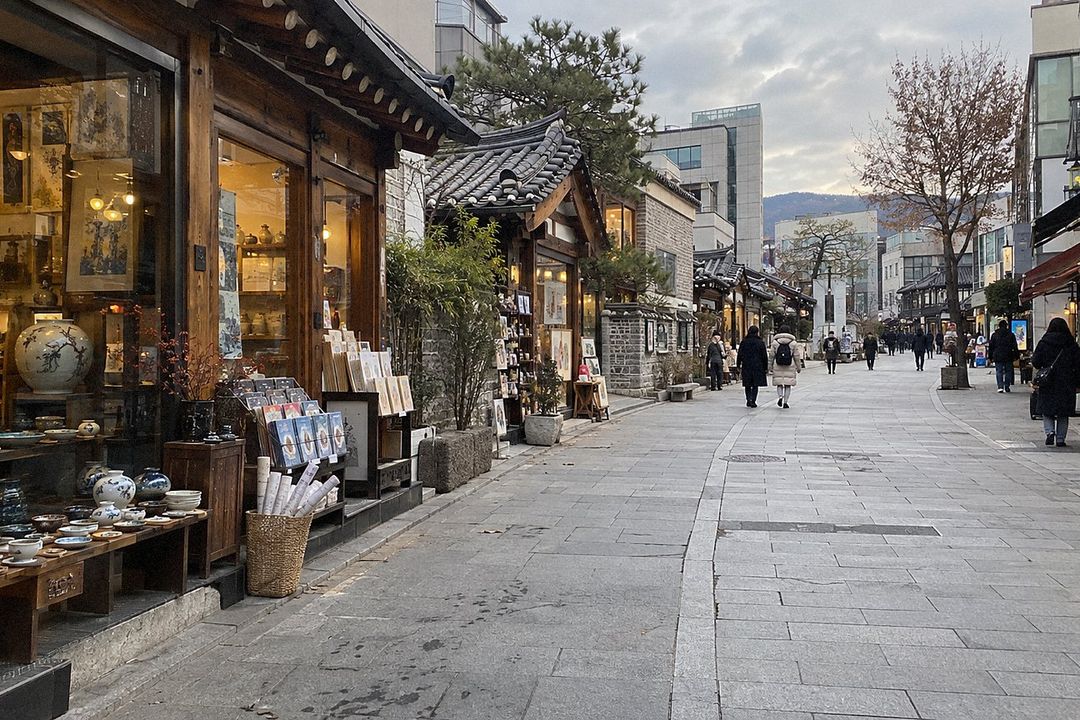
Insadong
A pedestrian-friendly street of craft and antique shops, tea houses and galleries, good for souvenirs such as hanji paper and ceramics.
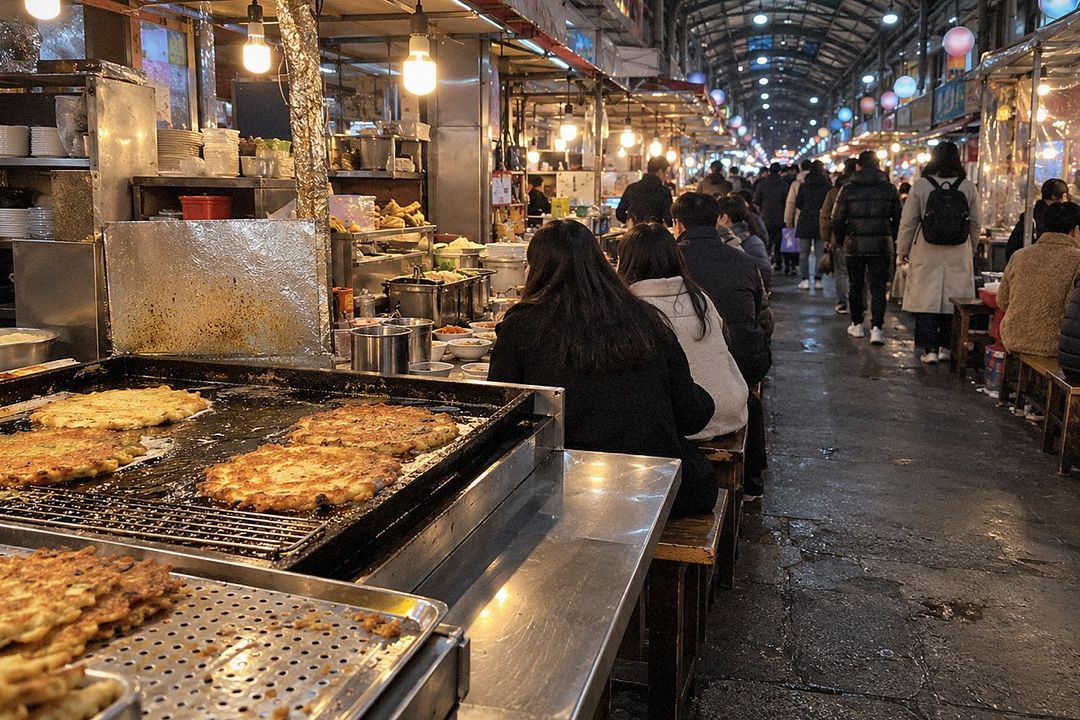
Gwangjang Market
One of Seoul's oldest covered markets, best known for its food alleys serving mung bean pancakes, gimbap and raw beef dishes.
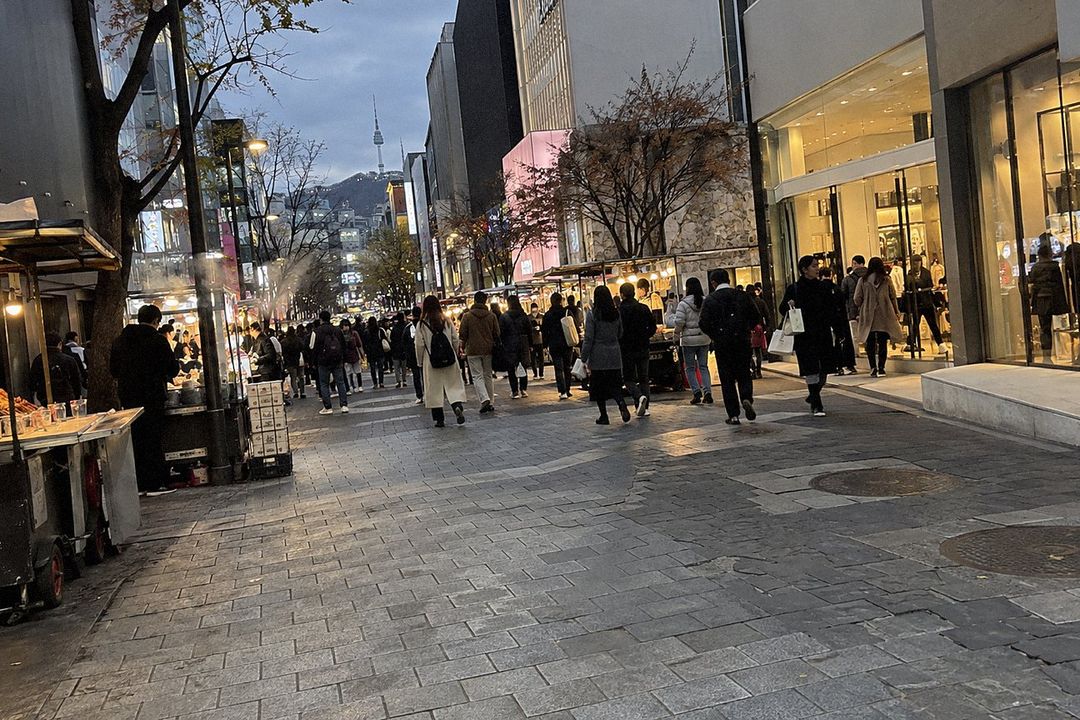
Myeongdong
Seoul's best-known shopping district for cosmetics and fashion, with evening street-food stalls and a historic cathedral.
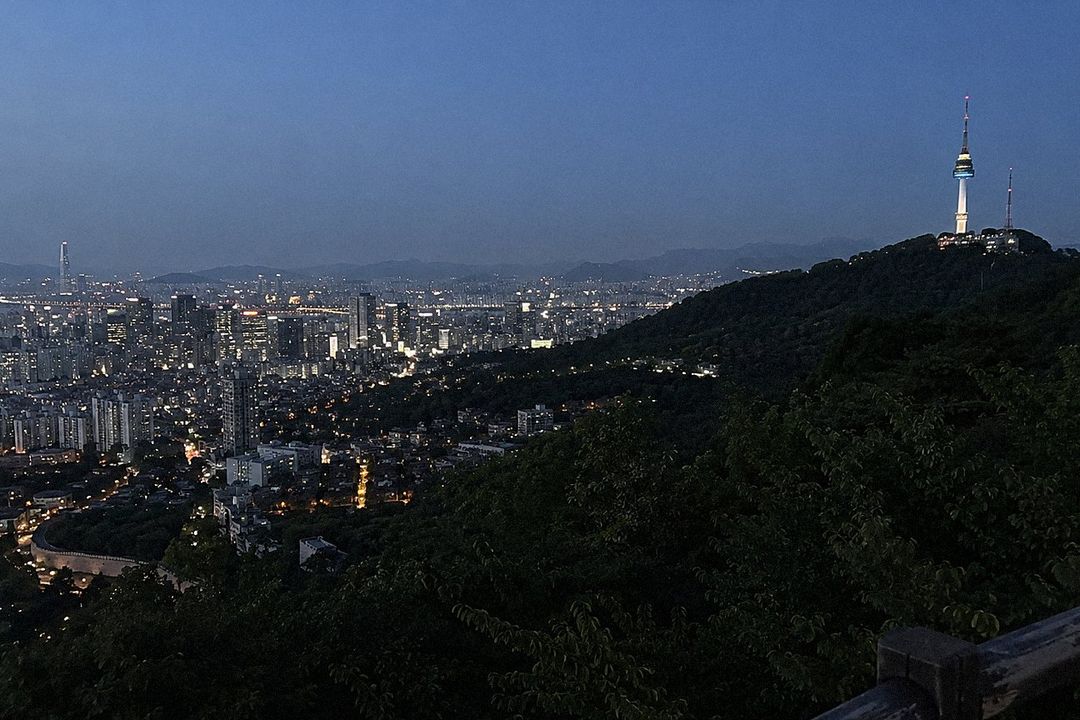
N Seoul Tower
The tower atop Namsan, reached by cable car, bus or a walk up the hill, with panoramic views over the whole city.
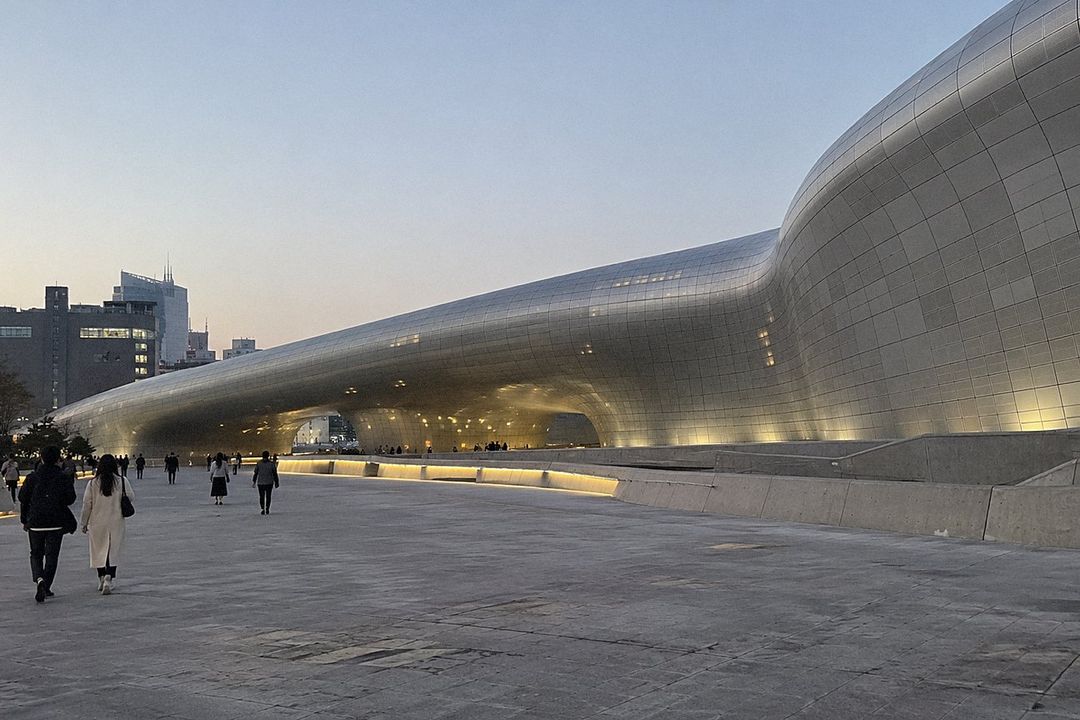
Dongdaemun Design Plaza (DDP)
Zaha Hadid's curving silver landmark hosting exhibitions and events, surrounded by Dongdaemun's late-night fashion malls.
Getting there
| From → to | How | Time | Notes |
|---|---|---|---|
| Incheon Airport Terminal 1 → Seoul Station | AREX express train | 43 min | 51 min from Terminal 2. Slower all-stop AREX trains also run and call at Hongik Univ. and Gimpo Airport. |
| Busan → Seoul Station | KTX | about 2 h 20 min – 3 h | The fastest services take about 2 h 20 min; most trains take 2 h 30 min to 3 h. |
| Gangneung → Cheongnyangni / Seoul Station | KTX-Eum | about 1 h 30 min – 2 h 10 min | Cheongnyangni in eastern Seoul is reached first; many trains continue to Seoul Station. |
Times are typical fastest scheduled journeys. For rail passes see KORAIL PASS; for an overview see getting around Korea.
Sources
Facts on this page were checked against these sources on 2 October 2026. Prices, hours and rules change — confirm with the operator before you go.
- Visit Seoul (official Seoul tourism site, English) · official
- Visit Seoul (서울 공식 관광정보, Korean) (Korean) · official
- AREX 직통열차 소개 (Airport Railroad express train) (Korean) · official
- 코레일 승차권 예매 (Korail ticketing and timetables) (Korean) · official
- 서울역 → 부산역 열차 시간표 (timetable aggregator) (Korean)