Seoul · Palace Quarter (Jongno)
Bukchon Hanok Village 북촌한옥마을
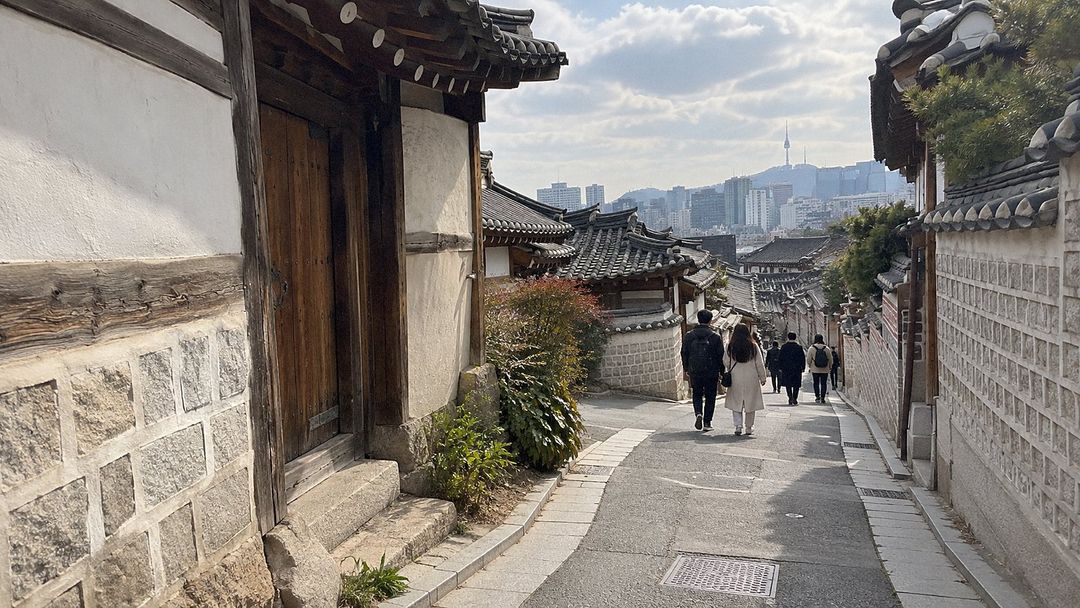
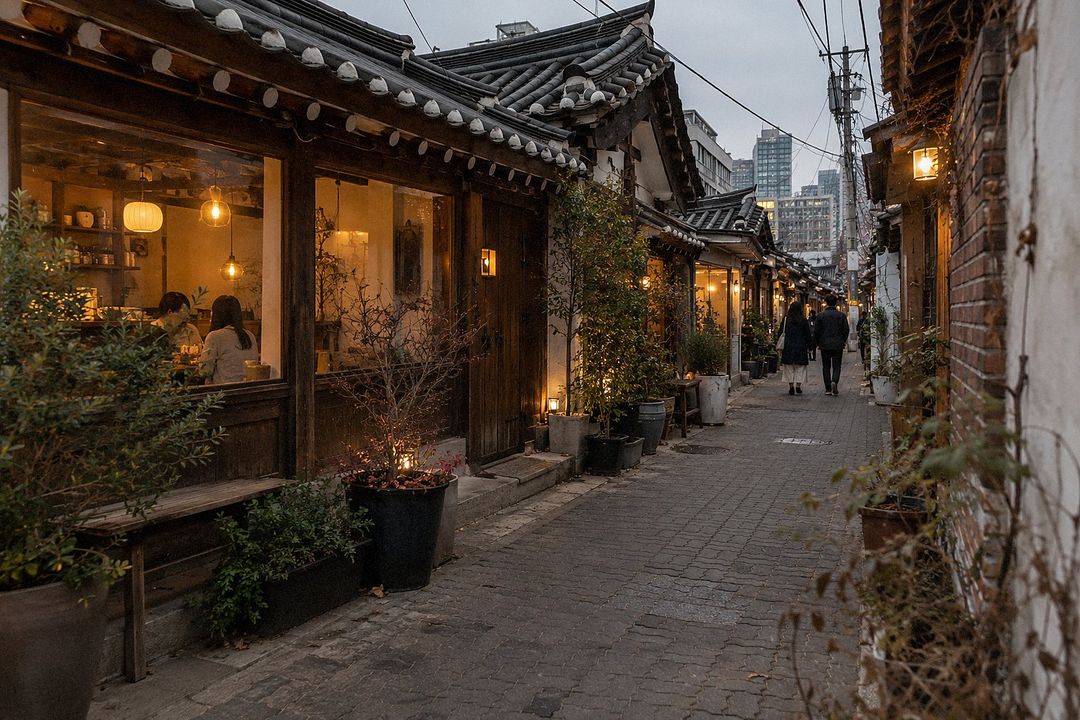
Hillside lanes of traditional tiled-roof houses between two palaces; a lived-in residential area with visiting hours in the busiest part.
Updated
Essentials
- Hours
- Red zone (around Bukchon-ro 11-gil, about 34,000 m²): tourists may visit 10:00–17:00 only; tourist visits are banned from 17:00 to 10:00 the next day
- Other parts of Bukchon: residential streets with no set visiting hours
- Closed
- No closing day; the red-zone hour limit applies every day
- Getting there
- Subway Line 3, Anguk Station, Exit 3 (about 500 m to Gyedong-gil)
- Address
- 37 Gyedong-gil, Jongno-gu, Seoul 03059 (Bukchon area)
서울 종로구 계동길 37 일대 - Website
- tour.jongno.go.kr/tour/main/contents.do?menuNo=401213
Book your trip
Bukchon is the hillside neighbourhood between Gyeongbokgung and Changdeokgung, and it holds the largest concentration of traditional hanok houses in central Seoul. Its lanes of tiled roofs, wooden gates and stone walls are among the most photographed scenes in the city. Bukchon is not a museum village, though: most of the houses are private homes, and since 2024 the district has been managed to protect the people who live there.
Highlights
- Bukchon-ro 11-gil – the steep lanes in Gahoe-dong with the classic view of hanok rooftops stepping down the hill toward downtown. This is the red zone with restricted visiting hours.
- Gyedong-gil – a lively street running north from Anguk Station, lined with small shops and cafés.
- Samcheong-dong-gil and Gamgodang-gil – gentler streets on the western edge, linking Bukchon with the palace walls and galleries near Gyeongbokgung.
- Changdeokgung-gil – the eastern edge of the district, running along the palace wall.
- Craft workshops and small museums – scattered through the area, many in converted hanok, offering short experiences in traditional crafts.
Visiting rules
Jongno-gu designated Bukchon a special management zone under the national Tourism Promotion Act. The most visible measure is the red zone around Bukchon-ro 11-gil, about 34,000 square metres, where tourist visits are allowed only between 10:00 and 17:00. The restriction began as a trial in November 2024 and has been enforced with fines since March 2025. Since January 2026, chartered tour buses are also barred from the main roads through the area.
Whatever the time, Jongno-gu’s campaign reminds visitors that people really live here and asks them to walk quietly. Treat gates, doorsteps and courtyards as private property and take any litter away with you.
Tips for visiting
- Come mid-morning on a weekday, after the 10:00 opening of the red zone, for the quietest walk. Weekends are much busier.
- Start at Anguk Station and walk uphill, then finish downhill toward Samcheong-dong or the palaces.
- Combine Bukchon with a palace visit in the same half-day; both main palaces are a short walk away.
- Wear comfortable shoes: the lanes are steep in places and some sections are stepped.
- For tea, crafts and souvenir shopping afterwards, Insadong is a 10-minute walk south across Yulgok-ro.
History in brief
The name Bukchon means “north village”, after its position north of the Cheonggyecheon stream and between the main palaces. During the Joseon period it was home to high-ranking officials and aristocratic families who wanted to live close to the court. Today the area mixes restored hanok homes, guesthouses, workshops and small museums with newer buildings. More background on the area’s districts is on our Seoul city page.
Nearby
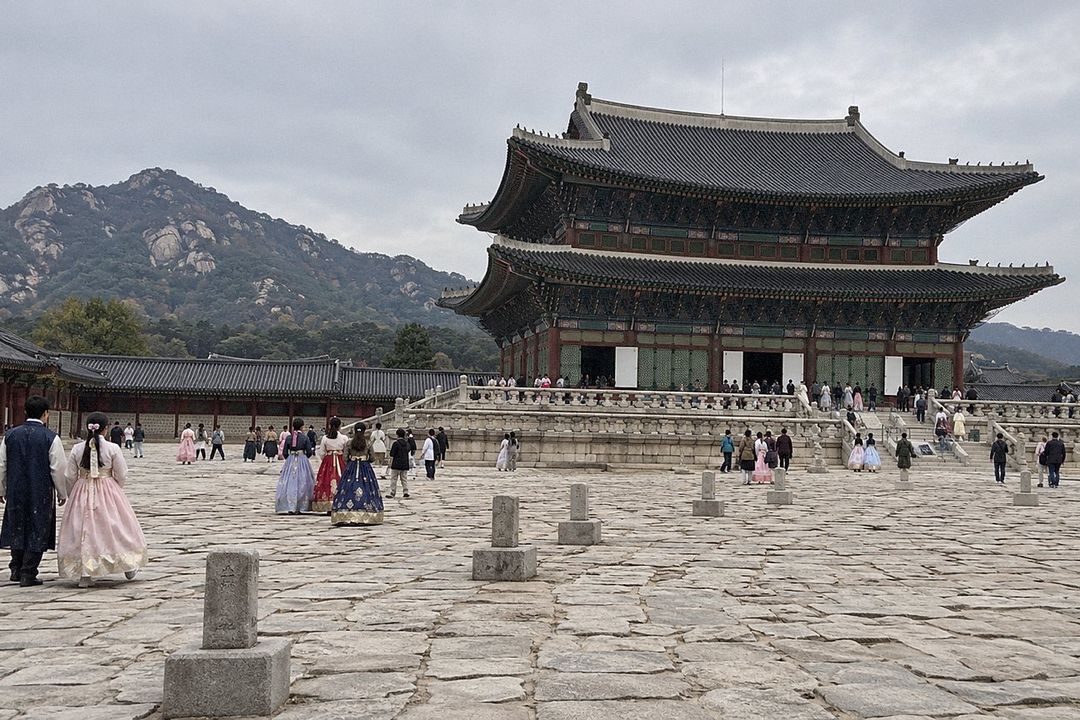
Gyeongbokgung Palace
The largest and grandest of Seoul's five Joseon palaces, with the throne hall, a lotus-pond pavilion and the changing of the guard.
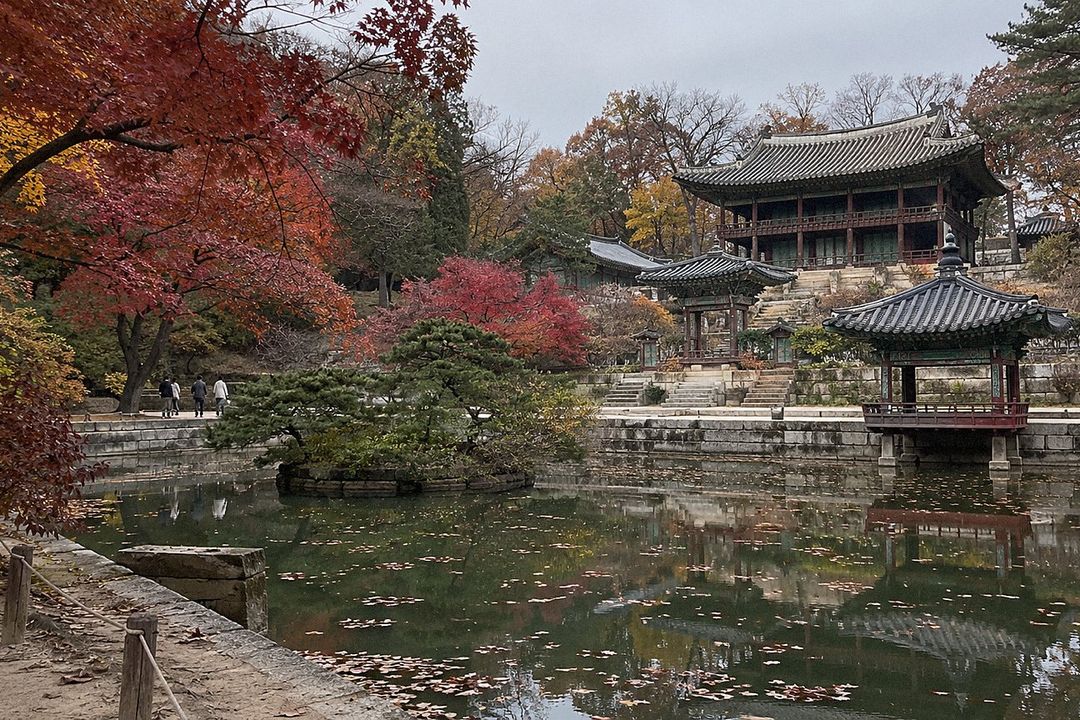
Changdeokgung Palace
A UNESCO-listed palace laid out to follow the hills, famous for its Secret Garden of ponds and pavilions visited on guided tours.
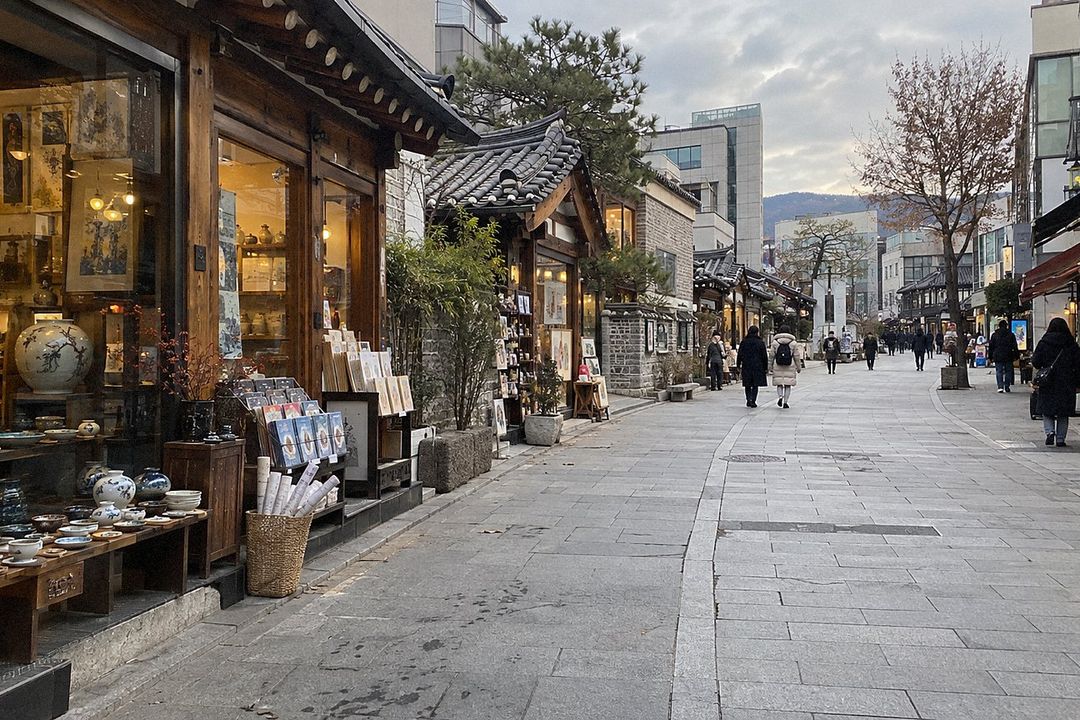
Insadong
A pedestrian-friendly street of craft and antique shops, tea houses and galleries, good for souvenirs such as hanji paper and ceramics.
Ikseon-dong
A tight cluster of 1920s urban hanok turned into cafes, bakeries and small restaurants, busiest on weekend evenings.
Frequently asked questions
What are the visiting hours in Bukchon Hanok Village?
In the red zone around Bukchon-ro 11-gil, the best-known photo lanes, tourists may only visit from 10:00 to 17:00. Outside those hours tourist visits are prohibited and can be fined 100,000 won; the wider neighbourhood has no set hours.
Can tour buses still drop off in Bukchon?
Not on the main roads. Since 1 January 2026 chartered tour buses are banned at all times from Bukchon-ro, Bukchon-ro 5-gil and Changdeokgung 1-gil, with fines starting at 300,000 won.
Is there an entrance fee for Bukchon?
No. Bukchon is a residential neighbourhood, not a ticketed site, and its lanes are public streets. Some museums, workshops and cultural spaces inside the area charge their own fees.
Sources
Facts on this page were checked against these sources on 2 October 2026. Prices, hours and rules change — confirm with the operator before you go.
- Jongno-gu Office – Special management zone (특별관리지역) (Korean) · official
- Seoul Metropolitan Government – Bukchon special management zone tourist visiting-hour restriction (북촌 특별관리지역 관광객 방문시간 제한) (Korean) · official
- Jongno-gu Office – Bukchon introduction (북촌소개) (Korean) · official
- Visit Seoul – Bukchon Hanok Village · official
- OpenStreetMap – Bukchon Hanok Village (coordinates)