Region of South Korea
Gyeonggi & Incheon 경기·인천
The ring of cities, coast and countryside around Seoul, with fortress walls, the DMZ and easy day trips.
Updated
Gyeonggi Province wraps around Seoul on every side, and together with Incheon Metropolitan City on the west coast it forms the capital region, home to roughly half of South Korea’s population. For travellers the region is less a destination in its own right than a collection of day trips: almost everything here can be reached from central Seoul by subway, commuter train or bus in an hour or two.
The landscape changes quickly once the city is left behind. To the north, Gyeonggi runs up to the Demilitarized Zone, and Paju’s observation points and peace parks give a sobering view across the border. To the north-east, the Bukhan River valley around Gapyeong is a weekend escape of lakes, pine slopes, gardens and riverside guesthouses. To the south, Suwon, the provincial capital, is ringed by Hwaseong Fortress, an 18th-century wall circuit that ranks among the country’s finest examples of Joseon military architecture.
Incheon is where most international visitors first set foot in Korea, since Incheon International Airport lies on Yeongjong Island within the city’s boundaries. The city itself has a long port history: a long-established Chinatown, preserved late-19th-century buildings around the old harbour, and ferries to the islands of the Yellow Sea. Ganghwa Island, also part of Incheon, combines prehistoric dolmens with fortifications that saw clashes with foreign warships in the 19th century.
Folk culture is another draw. The Korean Folk Village in Yongin recreates a Joseon-era settlement, and the restored temporary palace inside Suwon’s walls shows how kings travelled outside the capital. Visitors interested in royal sites should note that several Joseon royal tombs, part of a UNESCO listing, lie scattered across Gyeonggi.
Spring and autumn are the best times for walking the fortress walls or the border parks. Summer suits the Gapyeong river valley, while in winter the gardens of Gapyeong switch to evening light festivals. For the main train connections in and around the capital, see the transportation guide.
Book your trip
Cities in Gyeonggi & Incheon
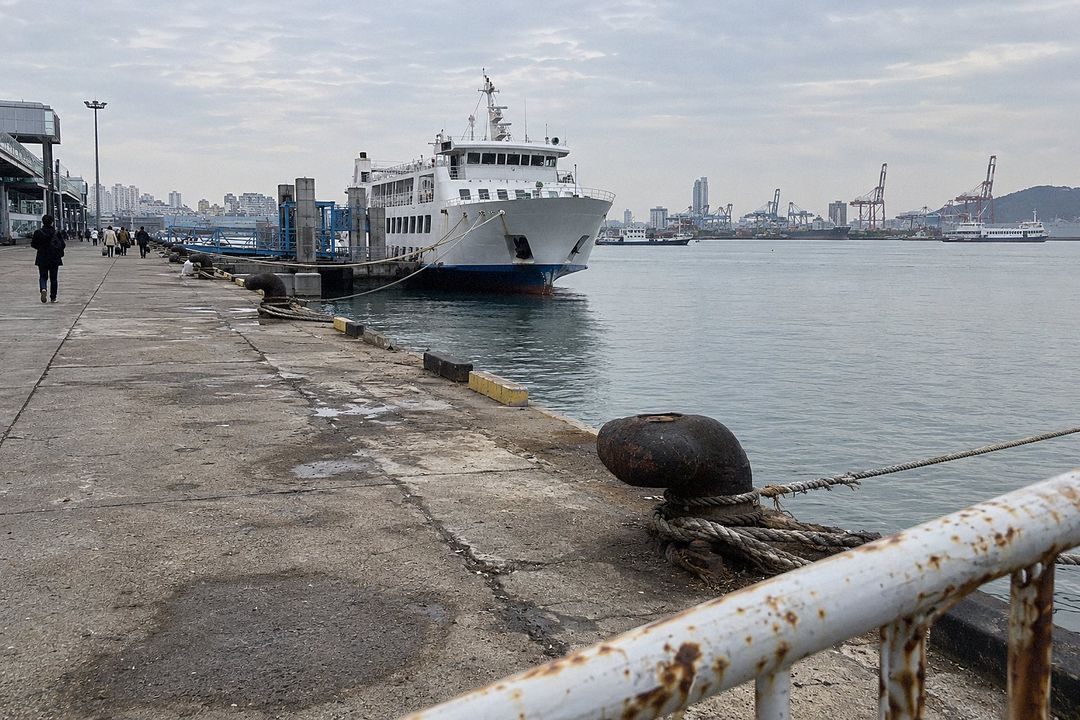
Incheon
Port city with Korea's main international airport, a historic Chinatown and island ferries.
Full guide coming soon
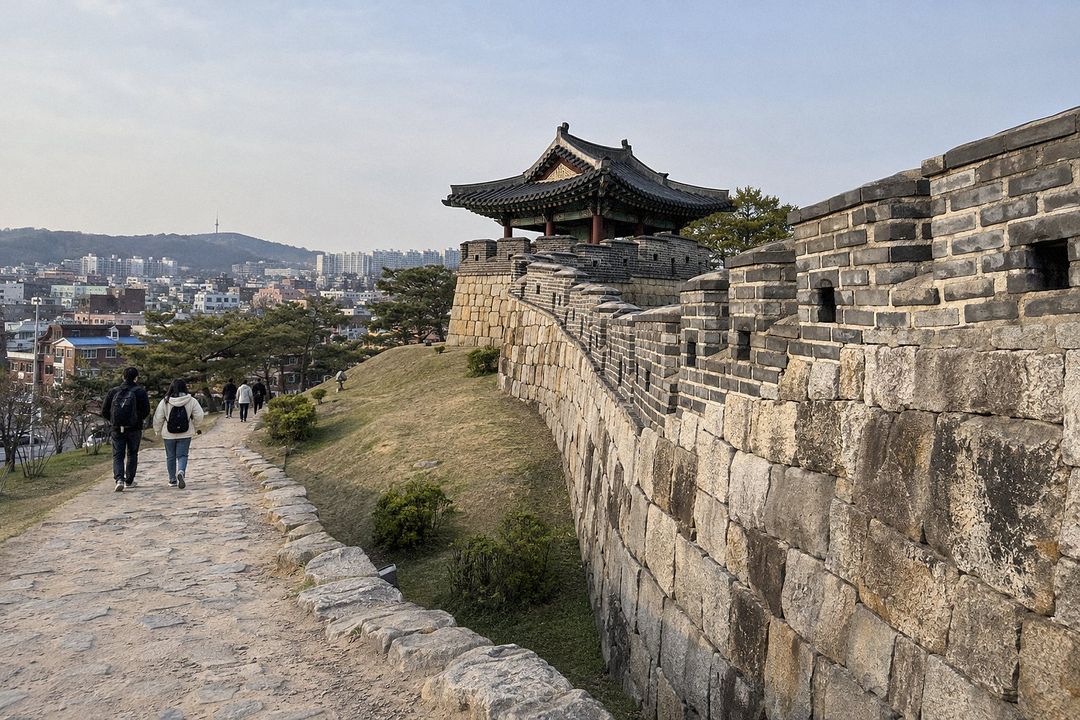
Suwon
Gyeonggi's capital, encircled by the 18th-century Hwaseong Fortress walls.
Full guide coming soon
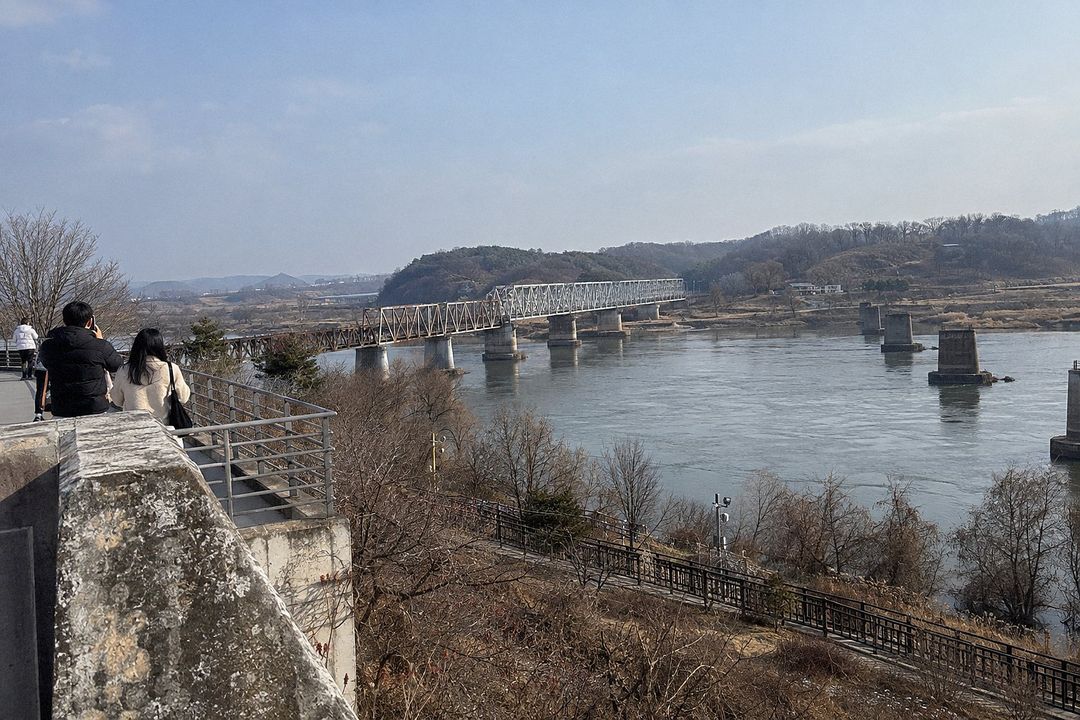
Paju
Border city by the Imjin River, the usual starting point for DMZ visits.
Full guide coming soon
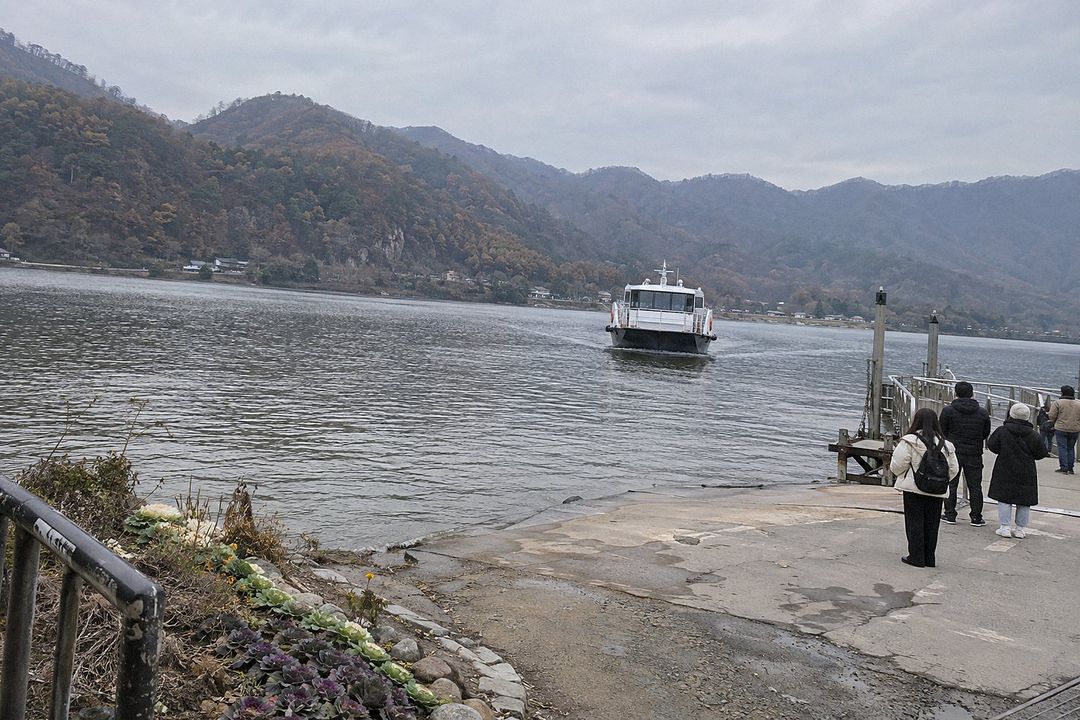
Gapyeong
River and lake valley north-east of Seoul with gardens and the ferry to Nami Island.
Full guide coming soon
Highlights of Gyeonggi & Incheon
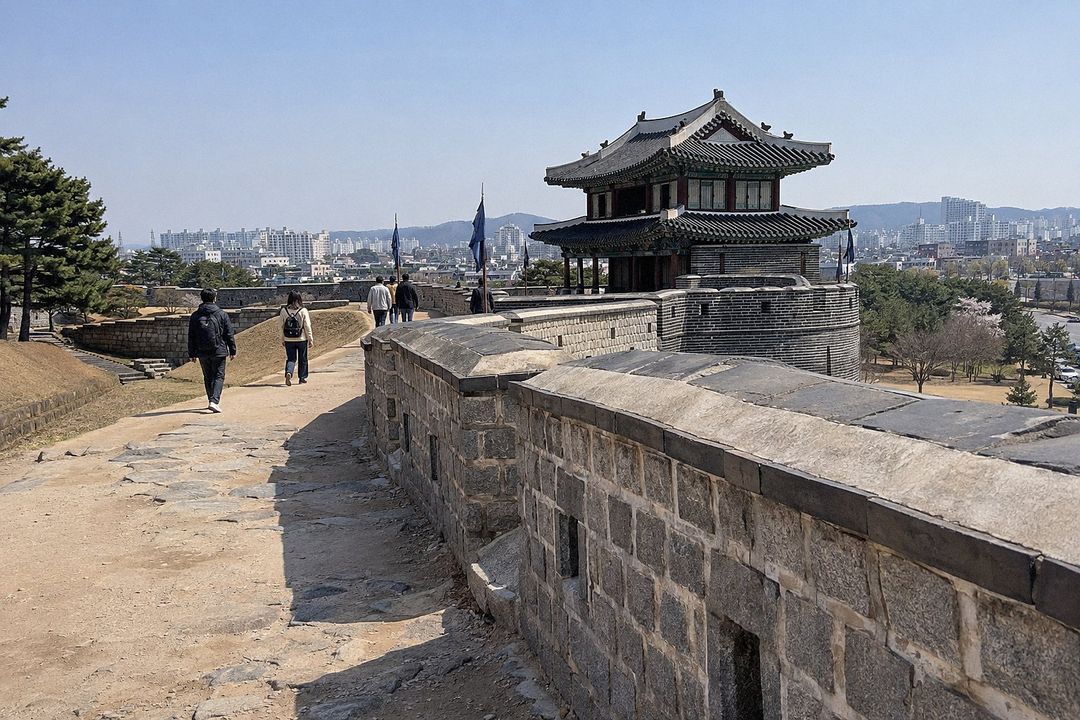
Hwaseong Fortress
A walkable 18th-century fortress loop of gates, watchtowers and walls around central Suwon, listed by UNESCO.
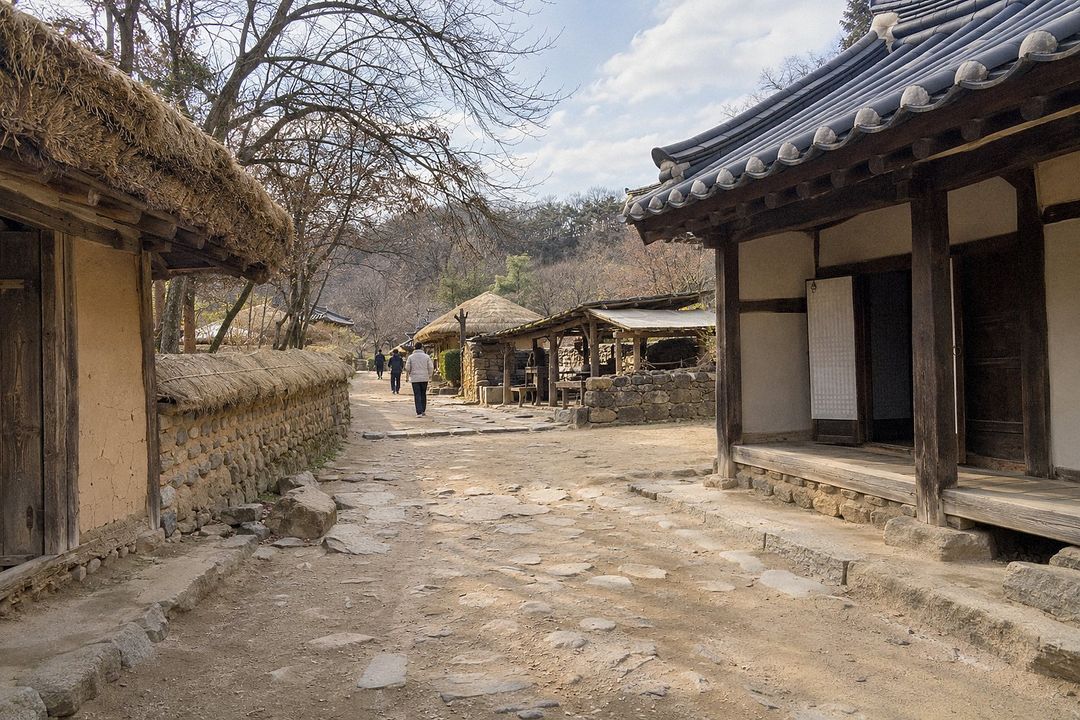
Korean Folk Village
Open-air museum in Yongin with rebuilt traditional houses, craft demonstrations and performances.
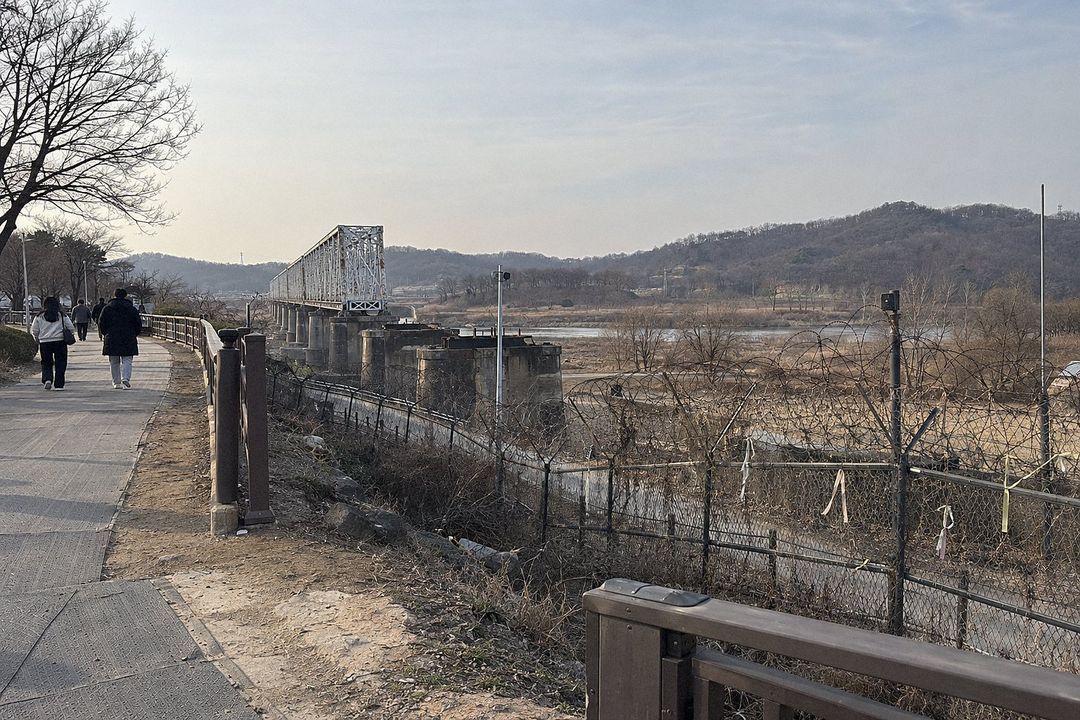
Imjingak and the DMZ area
Park and observation area in Paju near the inter-Korean border; organised DMZ tours depart from here.
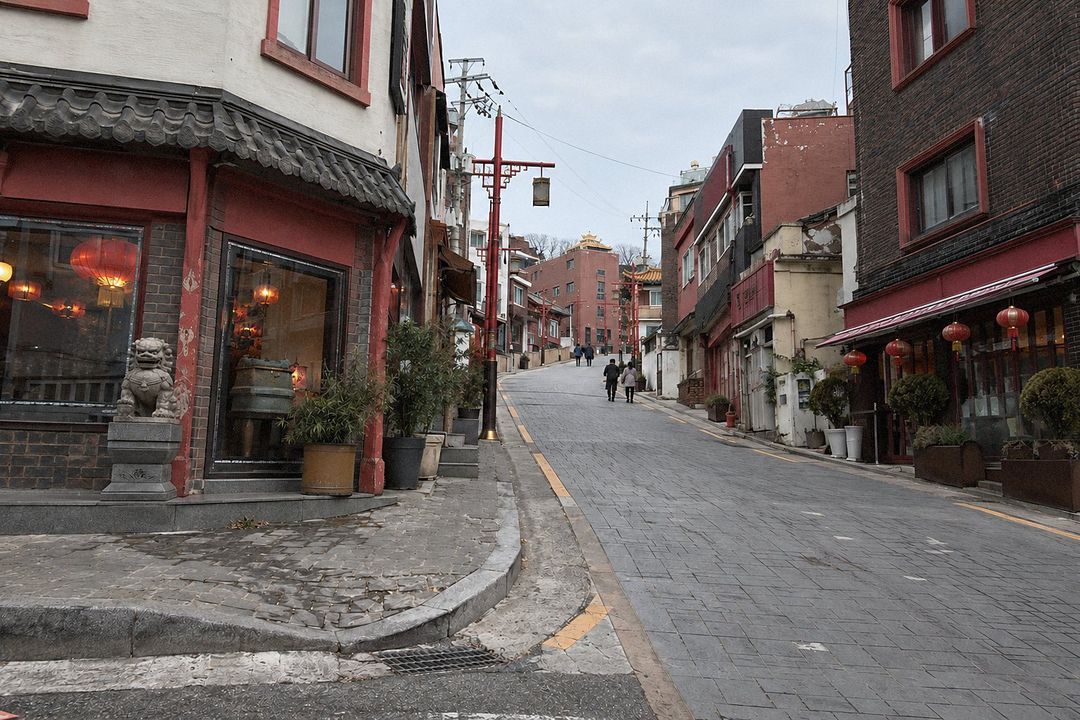
Incheon Chinatown
Hillside streets by the old port, known for jajangmyeon black-bean noodles and early-modern buildings.
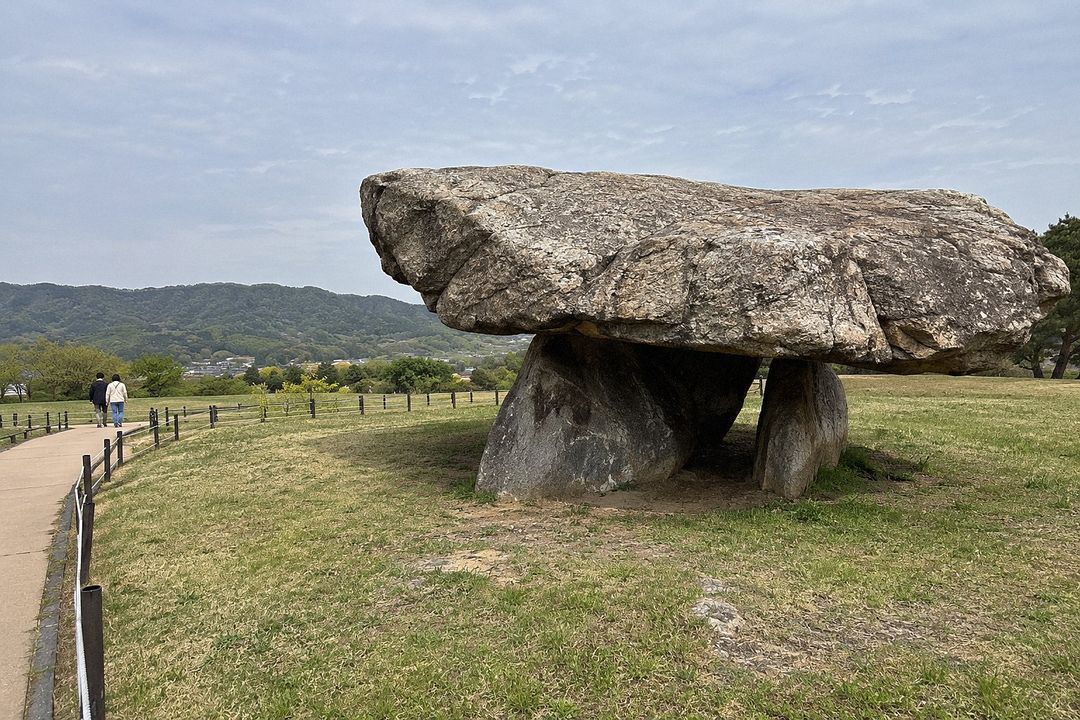
Ganghwa Island
Island north-west of Incheon with UNESCO-listed dolmens, old fortifications and coastal temples.
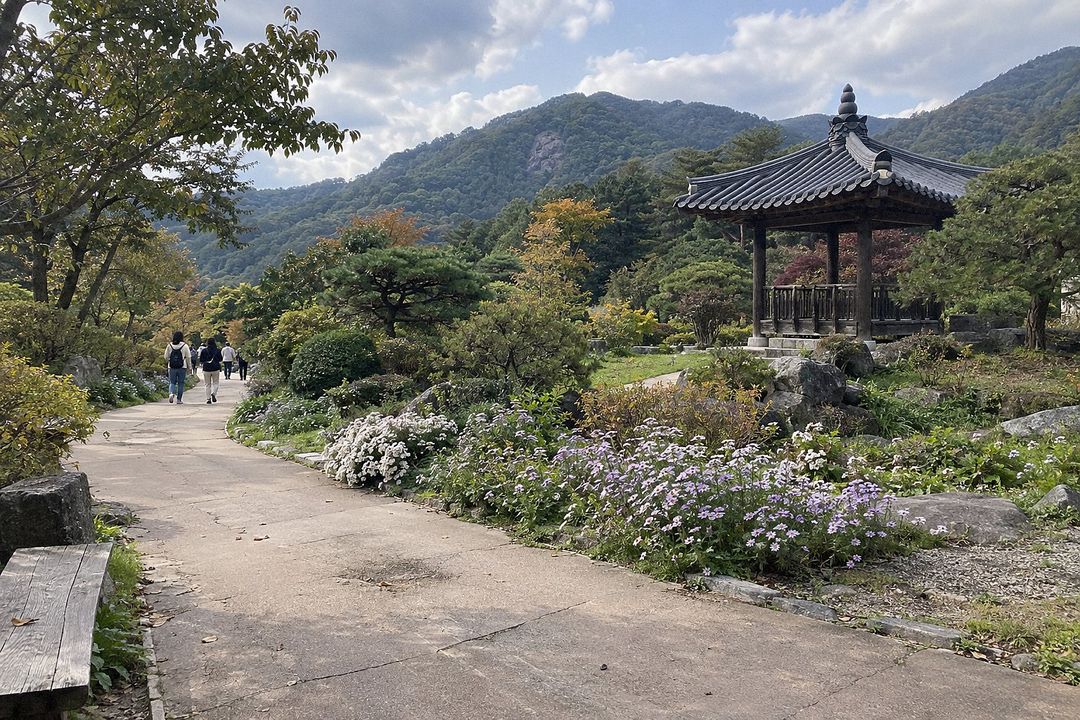
The Garden of Morning Calm
Landscaped mountain arboretum in Gapyeong, known for seasonal flowers and winter light displays.
Getting there
| From → to | How | Time | Notes |
|---|---|---|---|
| Seoul Station → Suwon | Korail train (KTX, ITX or Mugunghwa) | about 30–40 min | Seoul Subway Line 1 also runs to Suwon; it is cheaper but slower. |
| Cheongnyangni (Seoul) → Gapyeong | ITX-Cheongchun | about 35–45 min | From Yongsan the same trains take about 55 min – 1 h 5 min. |
| Incheon Airport Terminal 1 → Seoul Station | AREX express train | 43 min | The airport sits on Yeongjong Island in Incheon; all-stop AREX trains also serve Incheon's Cheongna and Geomam areas. |
Times are typical fastest scheduled journeys. For rail passes see KORAIL PASS; for an overview see getting around Korea.
Sources
Facts on this page were checked against these sources on 2 October 2026. Prices, hours and rules change — confirm with the operator before you go.
- 경기관광플랫폼 (Gyeonggi Tourism Organization) (Korean) · official
- 인천투어 itour (Incheon Tourism Organization) (Korean) · official
- UNESCO World Heritage List: Hwaseong Fortress · official
- UNESCO World Heritage List: Gochang, Hwasun and Ganghwa Dolmen Sites · official
- AREX 직통열차 소개 (Airport Railroad express train) (Korean) · official
- 코레일 승차권 예매 (Korail ticketing and timetables) (Korean) · official
- 청량리역 → 가평역 ITX-청춘 시간표 (timetable aggregator) (Korean)