Food & Entertainment
Food
Updated
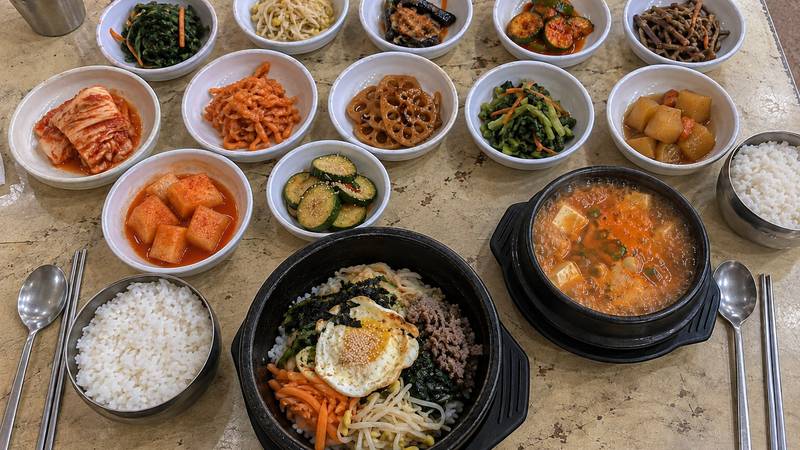
Eat your way through Korea by city: market food and barbecue in Seoul, raw fish and pork soup in Busan, black pork on Jeju and bibimbap in Jeonju. An everyday meal in Seoul averaged ₩8,769–11,923 in August 2026, the menu price is the full price, and there is no tipping.
Short on time? Start with one market in each city: Gwangjang Market in Seoul and Jagalchi Market in Busan cover the classic dishes in one visit, at counter stalls where you can point at what you want. For opening days and night markets in each city, see Korea’s markets.
What to eat in each city
| City | Dishes to try | Where to try them |
|---|---|---|
| Seoul | Pork-belly barbecue, mung bean pancakes, tteokbokki, Pyongyang-style cold noodles, fried chicken and beer | Gwangjang Market, Myeongdong street stalls, Ikseon-dong |
| Busan | Raw fish and spicy fish stew, dwaeji-gukbap (pork soup with rice), milmyeon (wheat cold noodles), fish cake, seed hotteok | Jagalchi Market, BIFF Square |
| Jeju | Black pork barbecue, seafood hot pot (haemul-ttukbaegi), hairtail fish, pork noodle soup, hallabong citrus | Dongmun Market in Jeju City |
| Gyeongju | Leaf-wrap rice sets (ssambap), hwangnam red-bean buns, Gyodong beopju rice liquor | Hwangnidan-gil and the streets around the tomb park |
| Jeonju | Bibimbap, the city’s signature dish | Jeonju Hanok Village |
Dishes from each city’s food section on this site. If you only reach one city outside Seoul, Busan gives the biggest change of menu: seafood replaces the beef and pork of the capital.
Jeonju, in North Jeolla, has been a UNESCO Creative City of Gastronomy since 2012. Most visitors base themselves in the Hanok Village and eat their way along its lanes; the Jeonju guide covers bibimbap, bean-sprout soup for breakfast and the makgeolli houses.
What a meal costs in 2026
| Dish (one portion) | Seoul | Busan | Jeju |
|---|---|---|---|
| Gimbap (one roll) | ₩3,923 | ₩3,543 | ₩3,625 |
| Jajangmyeon (black-bean noodles) | ₩7,731 | ₩7,000 | ₩7,750 |
| Kimchi stew with rice | ₩8,769 | ₩8,429 | ₩9,625 |
| Kalguksu (knife-cut noodles) | ₩10,038 | ₩8,071 | ₩10,375 |
| Bibimbap | ₩11,923 | ₩9,686 | ₩10,500 |
| Naengmyeon (cold noodles) | ₩12,692 | ₩12,000 | ₩9,750 |
| Samgyetang (ginseng chicken soup) | ₩18,269 | ₩17,429 | ₩17,000 |
| Pork belly (200 g, barbecue) | ₩21,321 | ₩18,175 | ₩17,944 |
Average restaurant prices for August 2026 from the government’s Chamgagyeok price portal (provisional figures); checked 15 October 2026. At about ₩1,340 to US$1 (15 October 2026), a Seoul bibimbap is roughly US$9. At these averages, three simple meals in Seoul (gimbap, kimchi stew and bibimbap) add up to about ₩24,600; a barbecue dinner for two, at two portions of pork belly before drinks and rice, starts around ₩42,600.
These are averages of ordinary restaurants. Famous Pyongyang-style noodle houses in Seoul charge well above the average, and tourist-area stalls can too, so check the posted price before you sit down.
How eating out works in Korea
- The menu price is the final price. Food Sanitation Act rules require restaurants to post prices that include VAT and any service charge, and to charge exactly that. Under rules promulgated on 1 September 2026, a restaurant that charges more than its posted price, or posts no prices, faces a five-day suspension on the first offence (Ministry of Food and Drug Safety).
- No tipping. It is not part of the system, and staff in ordinary restaurants do not expect it.
- Side dishes come with the meal. Small plates of kimchi and vegetables (banchan) arrive with most main dishes; many restaurants refill them, and some have a self-service corner for refills and water.
- Barbecue and hot pots are often for two or more. Many barbecue restaurants price meat per portion and expect at least two portions, which makes them awkward for solo travellers; noodle, soup and rice dishes are the easy solo choice.
- Pay at the counter on the way out in most casual places, or at a kiosk or table tablet when you order. See money in Korea for cards and cash.
Fine dining: the Michelin Guide Seoul & Busan 2026
The 2026 edition, released on 5 March 2026, lists 233 restaurants: 178 in Seoul and 55 in Busan. Of these, 46 hold stars. Seoul has one three-star restaurant (Mingles), 10 two-star and 31 one-star restaurants; Busan has four one-star restaurants.
For value, the guide’s 71 Bib Gourmand restaurants are its shortlist of good meals at moderate prices. Starred restaurants generally need a reservation, so book before you fly.
Vegetarian, vegan and halal food
Strict diets take planning in Korea. Many dishes that look vegetable-only are made with meat or anchovy stock or seasoned with salted seafood, so ask before ordering and carry a written note of what you avoid.
Buddhist temple food is the traditional meat-free cuisine, traditionally also cooked without pungent vegetables such as garlic and onions. The Korean Temple Food Center in central Seoul posts monthly cooking programmes on its website and takes group bookings for 10 or more. For a temple stay or a temple meal outside the city, see Korea’s temples.
For halal food, ask whether a restaurant is certified or only pork-free, and whether it serves alcohol. Itaewon is Seoul’s most international dining district and the easiest place to start.
Book your trip
Best food in Korea
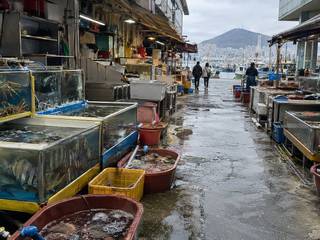
Jagalchi Market 자갈치시장
Korea's best-known seafood market, with live tanks downstairs and restaurants upstairs that cook what you pick.
Busan · Busan ·
Jeonju Hanok Village 전주한옥마을
Korea's largest urban hanok quarter: 735 traditional houses, now guesthouses, cafés, workshops and food stalls; free and open at all hours.
Jeonju · Jeolla ·
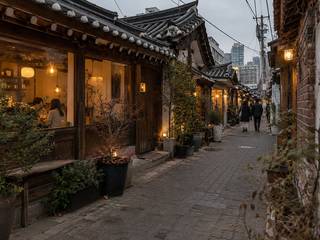
Ikseon-dong 익선동
A tight cluster of 1920s urban hanok turned into cafes, bakeries and small restaurants, busiest on weekend evenings.
Seoul · Seoul ·
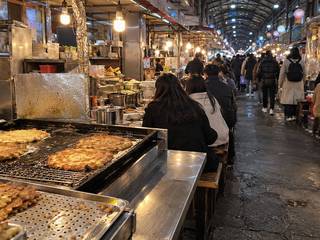
Gwangjang Market 광장시장
One of Seoul's oldest covered markets, best known for its food alleys serving mung bean pancakes, gimbap and raw beef dishes.
Seoul · Seoul ·
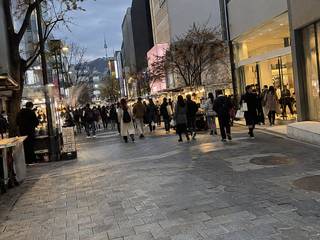
Myeongdong 명동
Seoul's best-known shopping district for cosmetics and fashion, with evening street-food stalls and a historic cathedral.
Seoul · Seoul ·
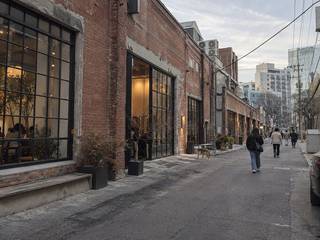
Seongsu-dong 성수동
Former factories and red-brick warehouses now filled with cafes, design shops and pop-up stores; a hub for trend-watchers.
Seoul · Seoul ·
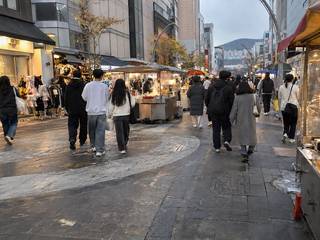
BIFF Square BIFF광장
Pedestrian street tied to the Busan International Film Festival, now best known for its street-food carts.
Busan · Busan ·
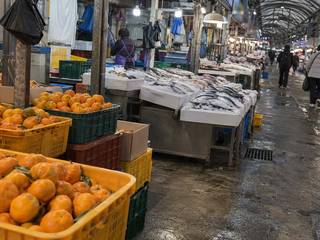
Dongmun Market 동문시장
Jeju City's main traditional market, packed with tangerines, seafood and an evening street-food night market.
Jeju Island · Jeju ·
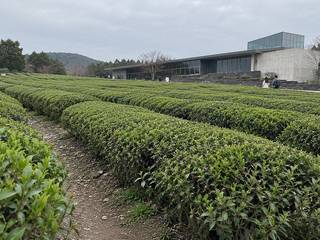
O'sulloc Tea Museum 오설록 티뮤지엄
A modern tea museum and cafe beside rolling green tea fields, known for green tea desserts.
Jeju Island · Jeju ·
Incheon Chinatown 인천 차이나타운
Hillside streets of red-fronted Chinese restaurants by Incheon Station, the place to eat jajangmyeon black-bean noodles.
Incheon · Gyeonggi & Incheon ·
Sinpo International Market 신포국제시장
A covered market a short walk from Incheon Station, known for dakgangjeong, sticky sweet-and-spicy fried chicken.
Incheon · Gyeonggi & Incheon ·
Sorae Pogu Fish Market 소래포구 종합어시장
A busy seafood market by a small fishing harbour, five minutes from Sorae Pogu Station; buy fish below and eat it upstairs.
Incheon · Gyeonggi & Incheon ·
Paldalmun Market and Chicken Street 팔달문시장 통닭거리
Markets around the south gate, Paldalmun, with Suwon's fried-chicken street and, next door in Jidong Market, a sundae (blood sausage) alley.
Suwon · Gyeonggi & Incheon ·
Chodang Sundubu Village 초당순두부마을
A cluster of family tofu restaurants near Gyeongpo, known for soft tofu set with seawater; breakfast or lunch here is a Gangneung habit.
Gangneung · Gangwon ·
Anmok Beach Coffee Street 안목해변 커피거리
A seafront row of cafés and roasters that has made Gangneung Korea's coffee city; free to walk, with a beach in front.
Gangneung · Gangwon ·
Jungang Market and Wolhwa Street 강릉중앙시장 월화거리
The central market for seafood and snacks, next to Wolhwa Street, a 2.6 km linear park on an old railway line with a weekend night market.
Gangneung · Gangwon ·
Jumunjin Port and Fish Market 주문진수산시장
A large fish market by the harbour, with tanks of crab, squid and fish; buy at the stalls and eat at the restaurants around it.
Gangneung · Gangwon ·
Sokcho Tourist & Fishery Market 속초관광수산시장
The central market, with alleys for seafood, sundae and dakgangjeong fried chicken; the raw-fish basement closes every 2nd Wednesday.
Sokcho · Gangwon ·
Abai Village and the gaetbae ferry 아바이마을 갯배
A village settled by Korean War refugees from Hamgyeong, reached by a hand-pulled ferry (₩500); a filming site of Autumn in My Heart.
Sokcho · Gangwon ·
Nambu Market and Youth Mall 전주남부시장 청년몰
The old market by Pungnammun, known for kongnamul gukbap; a youth mall of small shops upstairs and a Friday–Saturday night market.
Jeonju · Jeolla ·
Romantic Pojangmacha 여수 낭만포차
About 18 seafood tent bars under Geobukseon Bridge, open from 18:00; the classic Yeosu night out by the water.
Yeosu · Jeolla ·
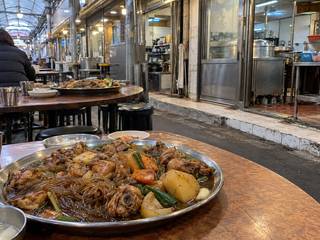
Andong Gu-sijang and Jjimdak Alley 안동구시장 찜닭골목
The old market's covered alley of about 30 restaurants serving Andong jjimdak, braised chicken with glass noodles, for sharing.
Andong · Gyeongsang ·
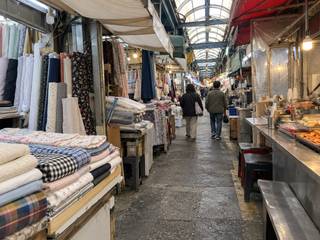
Seomun Market 서문시장
Daegu's biggest market, with over 5,000 shops in eight sections and a noodle alley; the night market runs Fri–Sun, March to December.
Daegu · Gyeongsang ·
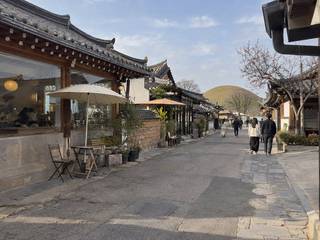
Hwangnidan-gil 황리단길
A street of hanok cafes, bakeries and small shops beside the tomb park, the liveliest part of town in the evening.
Gyeongju · Gyeongsang ·
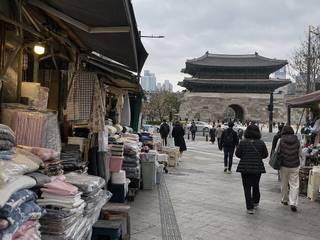
Namdaemun Market 남대문시장
A sprawling traditional market of hundreds of stalls selling clothing, kitchenware and ginseng, with a famous hairtail-stew alley.
Seoul · Seoul ·
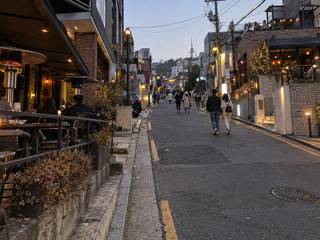
Itaewon 이태원
Seoul's most international neighborhood, with restaurants from around the world, rooftop bars and nightlife on the slopes below Namsan.
Seoul · Seoul ·
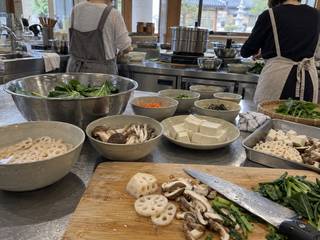
Korean Temple Food Center 한국사찰음식문화체험관
Run by the Jogye Order's Buddhist culture agency in central Seoul, with monthly hands-on temple-food cooking programmes (meat-free and traditionally cooked without garlic or onions); book ahead on the official site.
Seoul · Seoul ·
Jajangmyeon Museum 짜장면박물관
A small museum in a former Chinese restaurant building in Chinatown, telling the story of Korea's favourite noodle dish.
Incheon · Gyeonggi & Incheon ·
Daepo Port 대포항
A small fishing port south of the beach, lined with raw-fish restaurants.
Sokcho · Gangwon ·
Yeosu Fish Market and Seosi Market 여수수산시장 · 서시장
The harbour fish market in Gyodong, open 07:00–21:00 every day, next to the old Seosi market area.
Yeosu · Jeolla ·
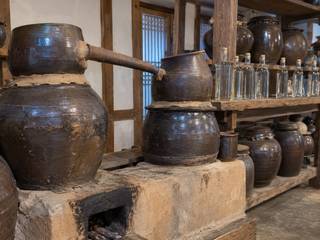
Andong Soju and Traditional Food Museum 안동소주·전통음식박물관
A small free museum about Andong's distilled soju and local food, with tastings; the city lists it as closed on Mondays.
Andong · Gyeongsang ·
Frequently asked questions
Do you tip at restaurants in Korea?
No. Tipping is not part of Korean dining, and by law the price on the menu must be the full amount you pay, including VAT and any service charge. Under rules promulgated on 1 September 2026, a restaurant that charges more than its posted price faces a five-day suspension on the first offence.
How much does a meal cost in Korea?
In Seoul, a plain everyday meal averaged ₩8,769 for kimchi stew with rice and ₩11,923 for bibimbap in August 2026; a roll of gimbap was ₩3,923. Barbecue costs more: about ₩21,321 per 200 g of pork belly, usually for at least two people.
What food is Busan famous for?
Seafood and fish cake. Pick live fish at Jagalchi Market to eat raw upstairs, try dwaeji-gukbap (pork and rice soup) and milmyeon (wheat cold noodles), and snack on eomuk skewers and seed-filled hotteok around BIFF Square.
Is it easy to eat vegetarian or halal food in Korea?
It takes planning. Many dishes that look vegetable-only use meat or seafood stock or salted seafood, so ask before ordering. Temple food, served at Buddhist restaurants and taught at the Korean Temple Food Center in Seoul, is meat-free.
How many Michelin-starred restaurants are in Korea?
46 in the 2026 Michelin Guide Seoul & Busan, released on 5 March 2026: 42 in Seoul (one three-star, 10 two-star, 31 one-star) and four one-star restaurants in Busan. The guide also lists 71 Bib Gourmand restaurants for good-value meals.
Sources
Facts on this page were checked against these sources on 15 October 2026. Prices, hours and rules change — confirm with the operator before you go.
- 참가격 (한국소비자원) — 지역별 외식비 가격정보, 2026년 8월 (행정안전부 자료) (Korean) · official
- 식품의약품안전처 보도자료 — 음식점 바가지요금 처분 강화, 가격표 미게시·초과 수수 1차 영업정지 5일 (2026-09-01) (Korean) · official
- 인천 연수구 — 식품접객영업자 준수사항 (가격표: 부가가치세 등 포함 실제 지불 가격) (Korean) · official
- MICHELIN Guide — Seoul & Busan 2026 highlights (5 March 2026) · official
- 미쉐린 가이드 — 미쉐린 가이드 서울 & 부산 2026 주요 결과 (2026-03-05) (Korean) · official
- UNESCO Creative Cities Network — Jeonju (Gastronomy, 2012) · official
- 한국사찰음식문화체험관 — 사찰음식만들기 체험프로그램 안내 (2026년 10월·11월) (Korean) · official
- 뉴시스 — 밍글스 3스타·모수 2스타, 미쉐린 가이드 2026 (2026-03-06) (Korean)
- 머니투데이 — 서울 냉면 평균 1만2615원 (한국소비자원 참가격, 2026-06-03) (Korean)
- MTN — 유네스코 음식창의도시 전주, 향토음식업소 추가 발굴 (2026-07-27) (Korean)
- The Korea Times — Why tipping culture remains controversial in Korea (2025)