Gyeongju 경주
The former Silla capital, an open-air museum of grassy royal tombs, ancient temples and stone Buddhas in the southeast.
Updated
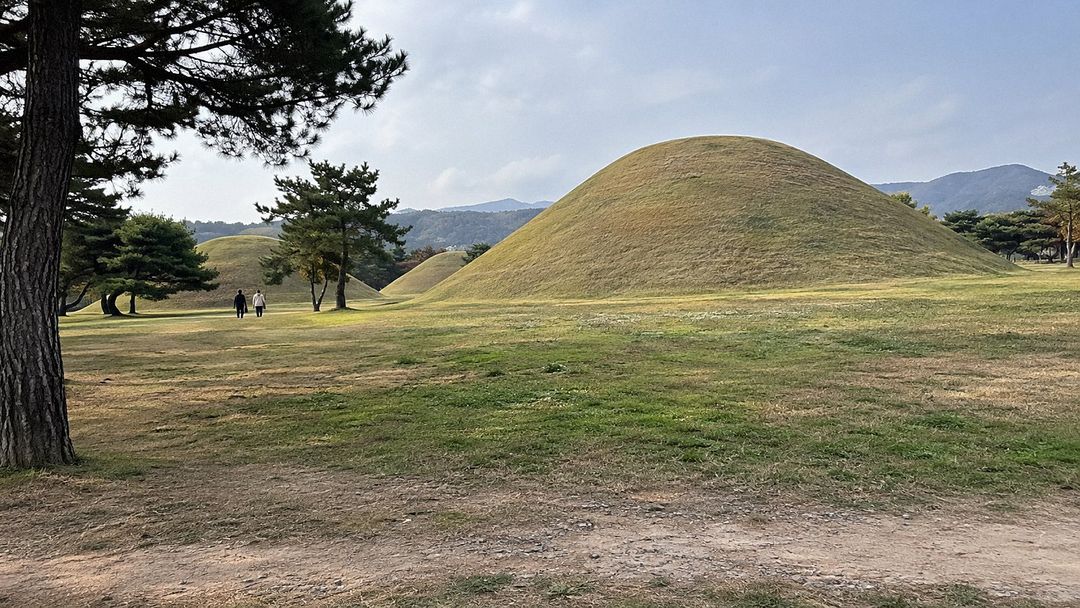
Gyeongju was the capital of the Silla kingdom for close to a thousand years, from the first century BC until 935, and during the later part of that period it ruled most of the Korean peninsula. Little of the wooden city survives, but its tombs, temples, stone pagodas and Buddhist carvings are spread across the valley and surrounding hills, which is why the town is often called a museum without walls. It sits in North Gyeongsang Province near the southeast coast; see the Gyeongsang region overview for nearby destinations.
Three UNESCO World Heritage listings cover the area: Bulguksa Temple and Seokguram Grotto (1995), the Gyeongju Historic Areas, which include the tomb parks and Namsan (2000), and Yangdong Village, listed together with Hahoe in Andong (2010).
What to see
The central district is compact and flat. Daereungwon, a park of grassy royal burial mounds, is the obvious starting point, and from there it is a short walk past the stone observatory of Cheomseongdae to Donggung Palace and Wolji Pond, whose pavilions are best seen lit up at night. The Gyeongju National Museum, just beyond, holds the treasures excavated from the tombs. Hwangnidan-gil, beside the tomb park, is the town’s lively strip of hanok cafes and bakeries.
Southeast of the center, the Bulguksa area holds the two sites most visitors come for: Bulguksa, Korea’s best-known temple (see temples), and the granite Buddha of Seokguram higher up the mountain. Bomun Lake, east of town, is a resort with big hotels and a lakeside path that turns pink in cherry-blossom season. Hikers can spend a day on Namsan, a mountain dotted with rock-carved Buddhas.
Getting there
KTX and SRT trains stop at Singyeongju Station, about 2 hours 10 minutes from Seoul and 30 minutes from Busan, so Gyeongju fits naturally into a Seoul to Busan rail trip. If you are planning several long train journeys, compare fares with the Korail Pass. Express buses run from Seoul and intercity buses from Busan to terminals in the center of town.
When to go
Spring, when cherry trees bloom around the tombs and Bomun Lake, and autumn, when maples turn red at Bulguksa, are the most beautiful and the busiest seasons. Summers are hot, so plan outdoor sightseeing for mornings and evenings.
Book your trip
Top attractions in Gyeongju
Central Gyeongju
The walkable historic core: the royal tomb park of Daereungwon, Cheomseongdae, Donggung Palace and Wolji Pond, the national museum, Gyochon and the cafes of Hwangnidan-gil.
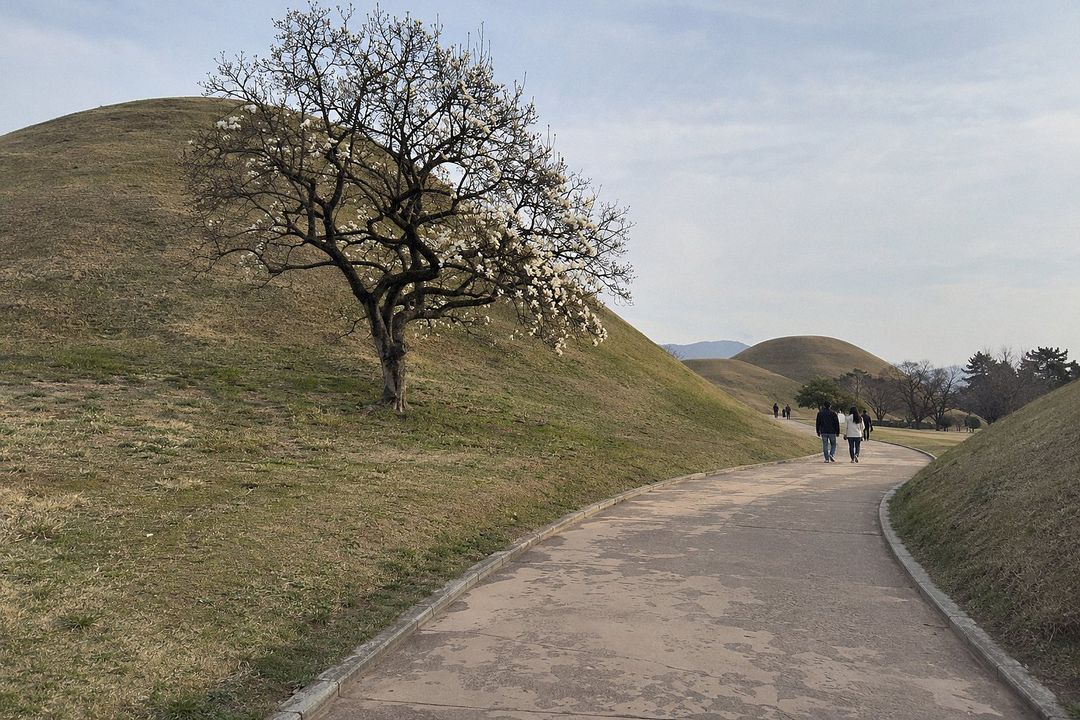
Daereungwon Tomb Complex
A park of huge grassy Silla burial mounds; inside Cheonmachong you can see how a royal tomb was built and what it held.
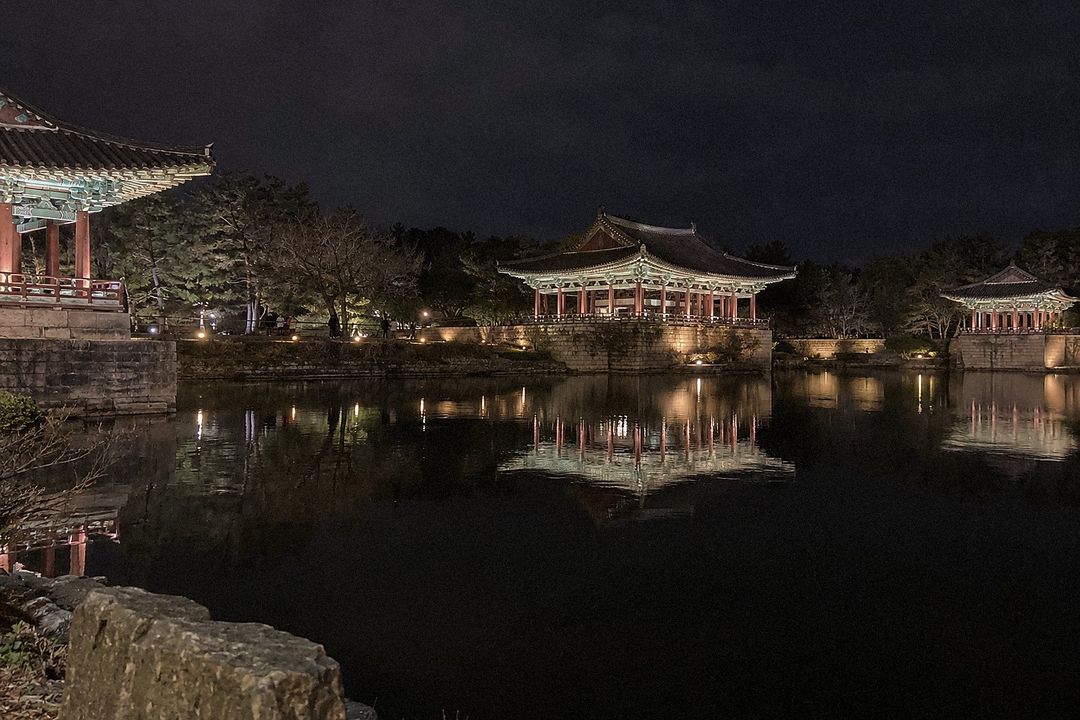
Donggung Palace and Wolji Pond
Reconstructed pavilions of a Silla crown prince's palace beside a landscaped pond, most popular after dark when they are lit up.
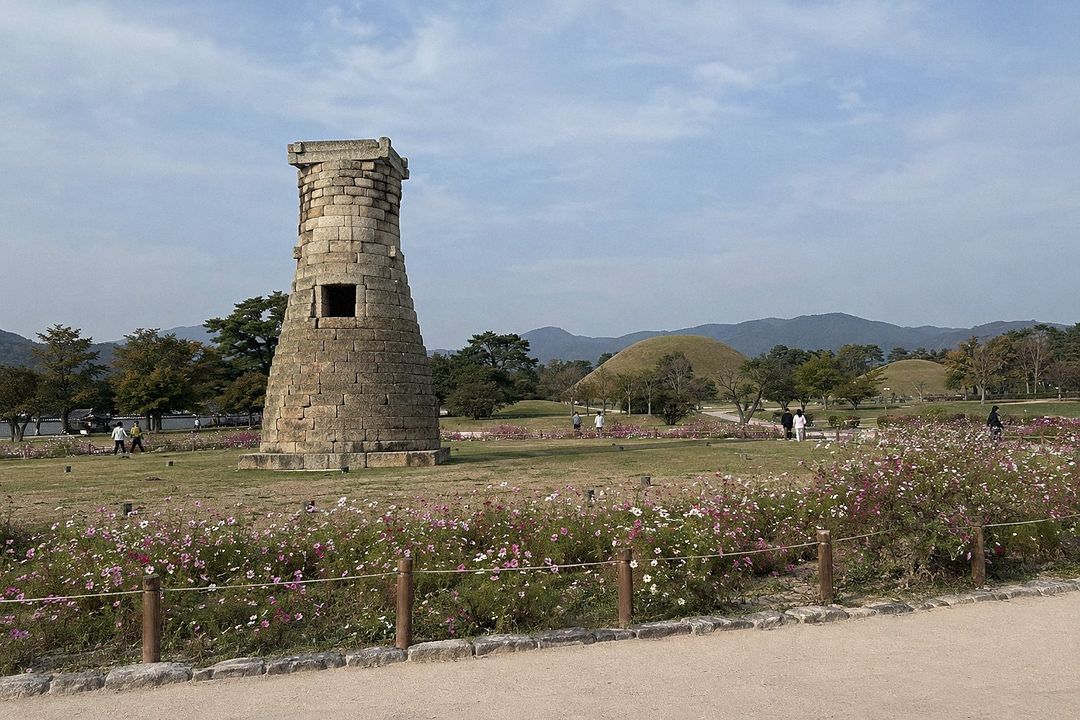
Cheomseongdae Observatory
A bottle-shaped stone tower from the 7th century, often called East Asia's oldest surviving observatory, set in open fields.
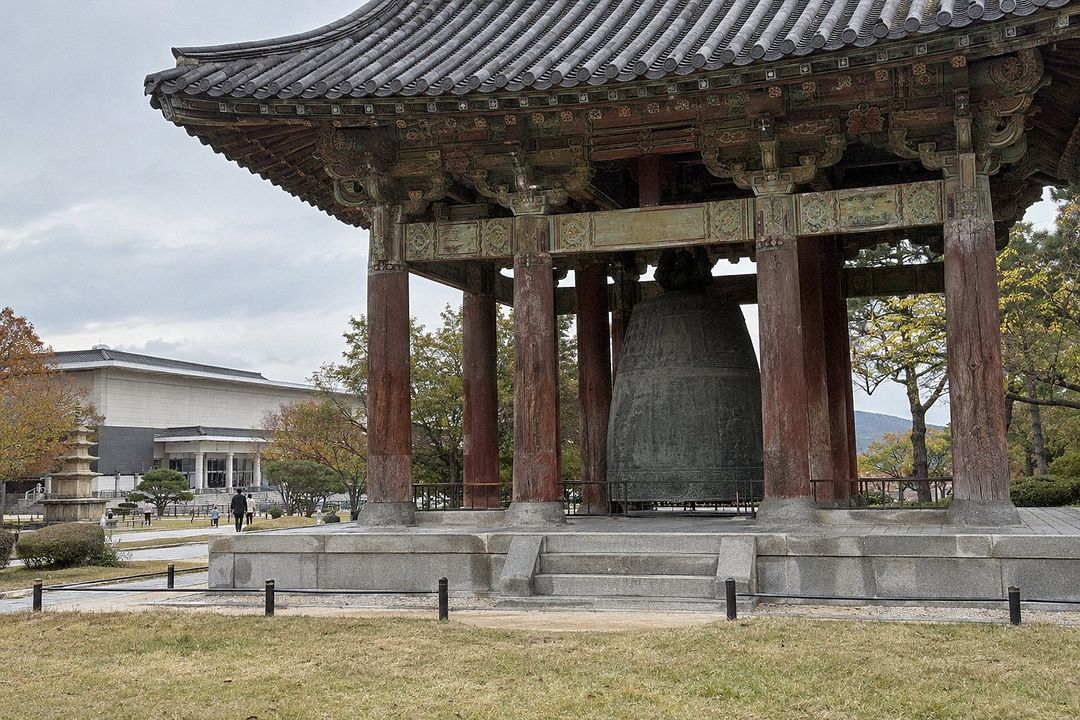
Gyeongju National Museum
Silla gold crowns, Buddhist sculpture and the great bronze Divine Bell of King Seongdeok; the best introduction to the city.
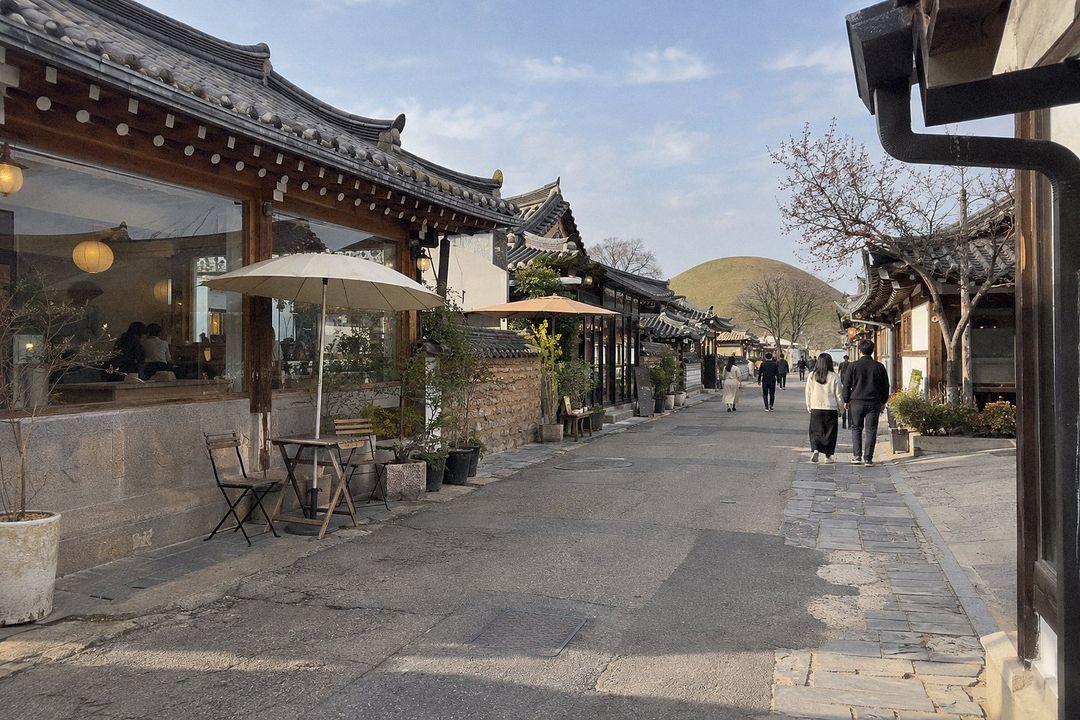
Hwangnidan-gil
A street of hanok cafes, bakeries and small shops beside the tomb park, the liveliest part of town in the evening.
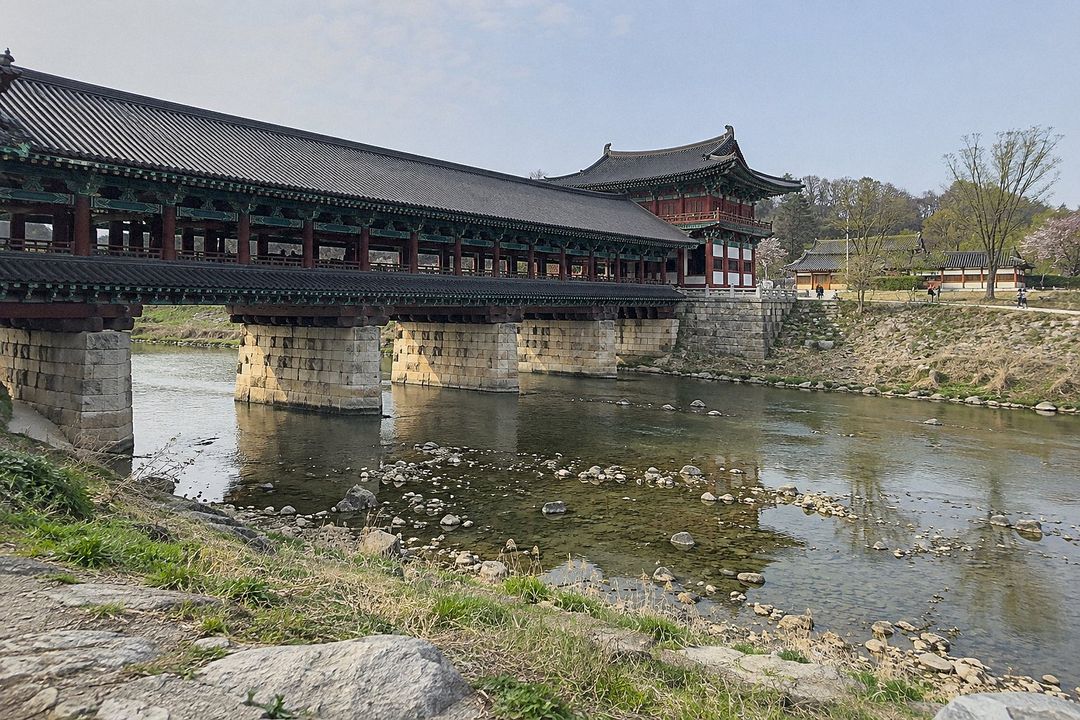
Gyochon Hanok Village
A small hanok village around the historic Choi family house, next to the rebuilt covered bridge of Woljeonggyo.
Bulguksa and Tohamsan
The temple district on the slopes of Tohamsan southeast of the center, home to Bulguksa and the Seokguram grotto, the city's two UNESCO-listed masterpieces.
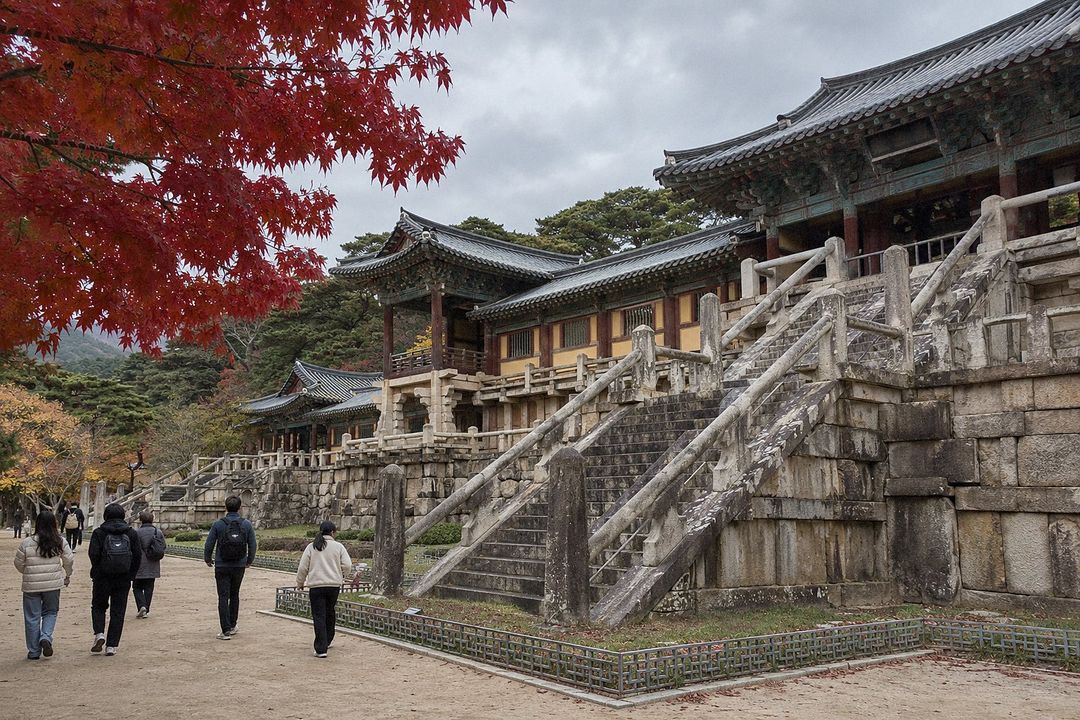
Bulguksa Temple
Korea's most celebrated temple, with Silla-era stone stairways, bridges and the twin pagodas Dabotap and Seokgatap.
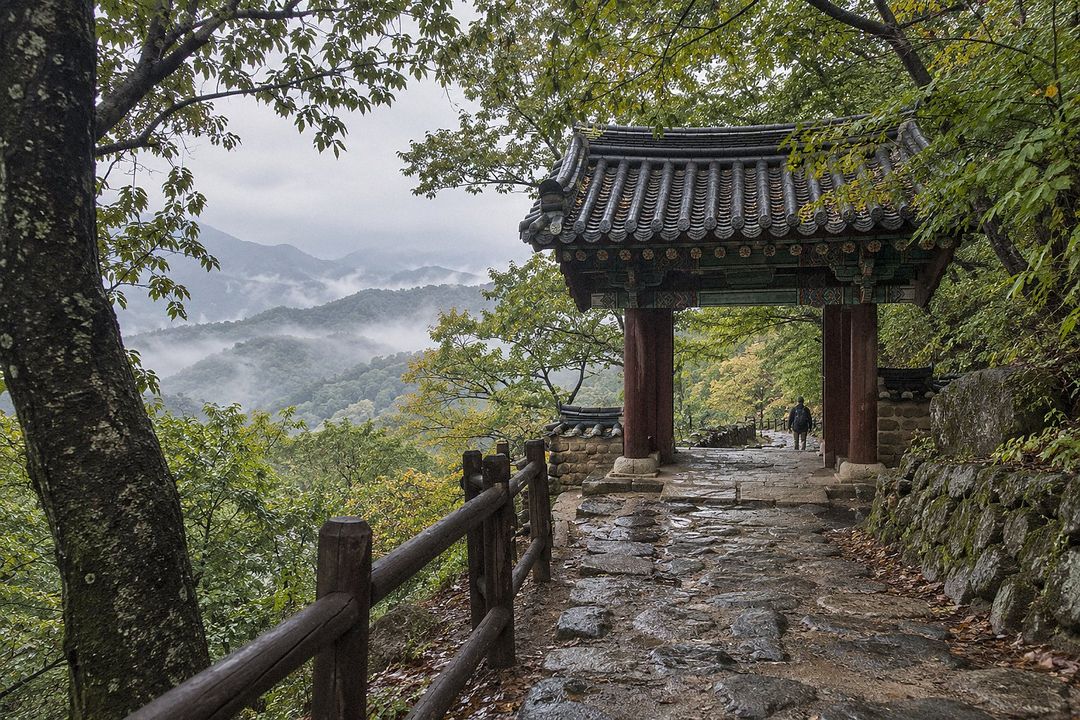
Seokguram Grotto
A granite Buddha in an artificial cave grotto high on Tohamsan, viewed through glass; reach it by bus or a mountain trail.
Bomun Lake Resort
A lakeside resort area east of downtown with large hotels, a walking and cycling path, a theme park and cherry trees along the shore.
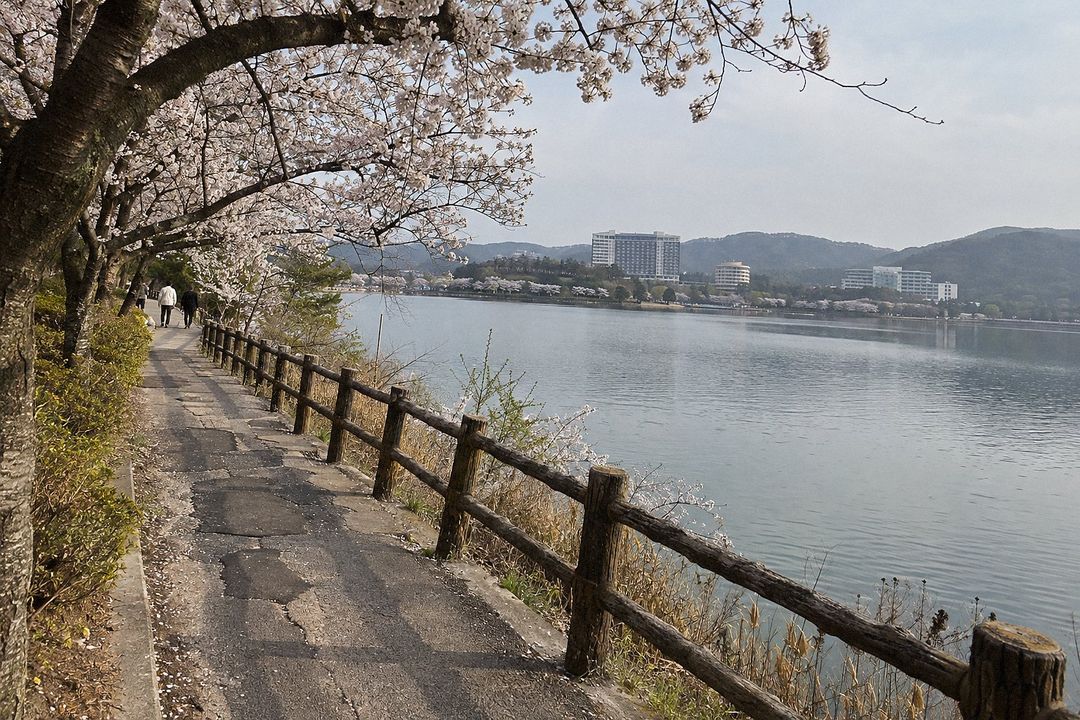
Bomun Lake
A resort lake with a shoreline path for walking and cycling, famous for cherry blossoms in early April.
Namsan and the Outskirts
Mount Namsan with its rock-carved Buddhas just south of town, the clan village of Yangdong to the north and the coast to the east.
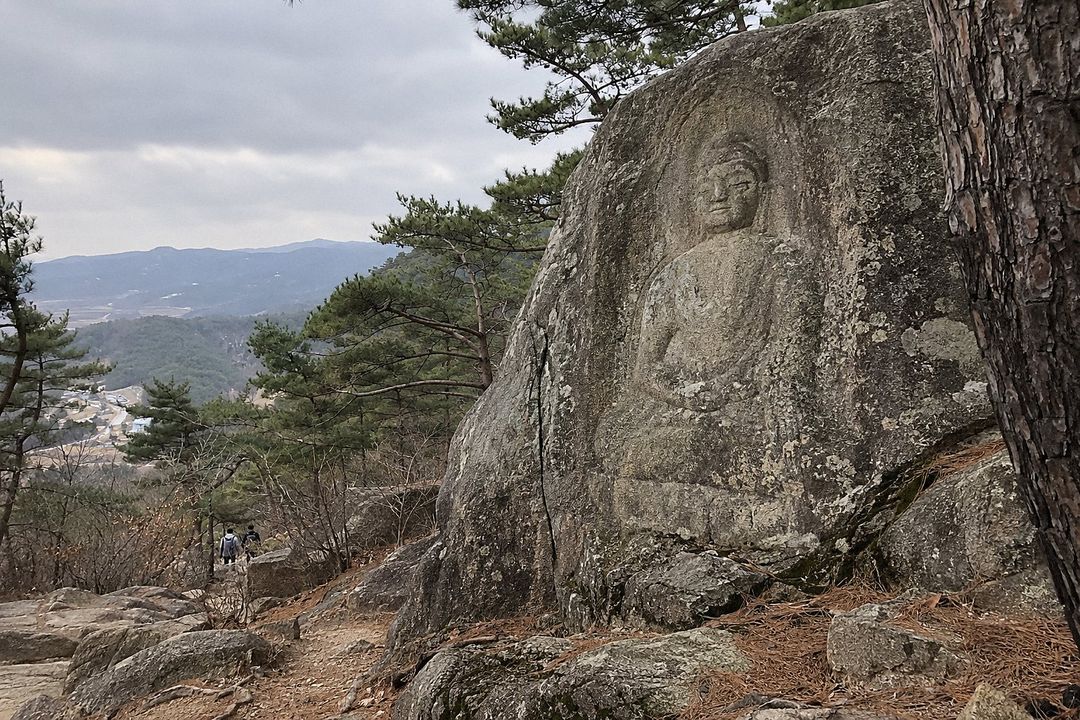
Gyeongju Namsan
A sacred mountain dotted with Buddhist rock carvings, stone pagodas and temple sites, explored on well-marked hiking trails.
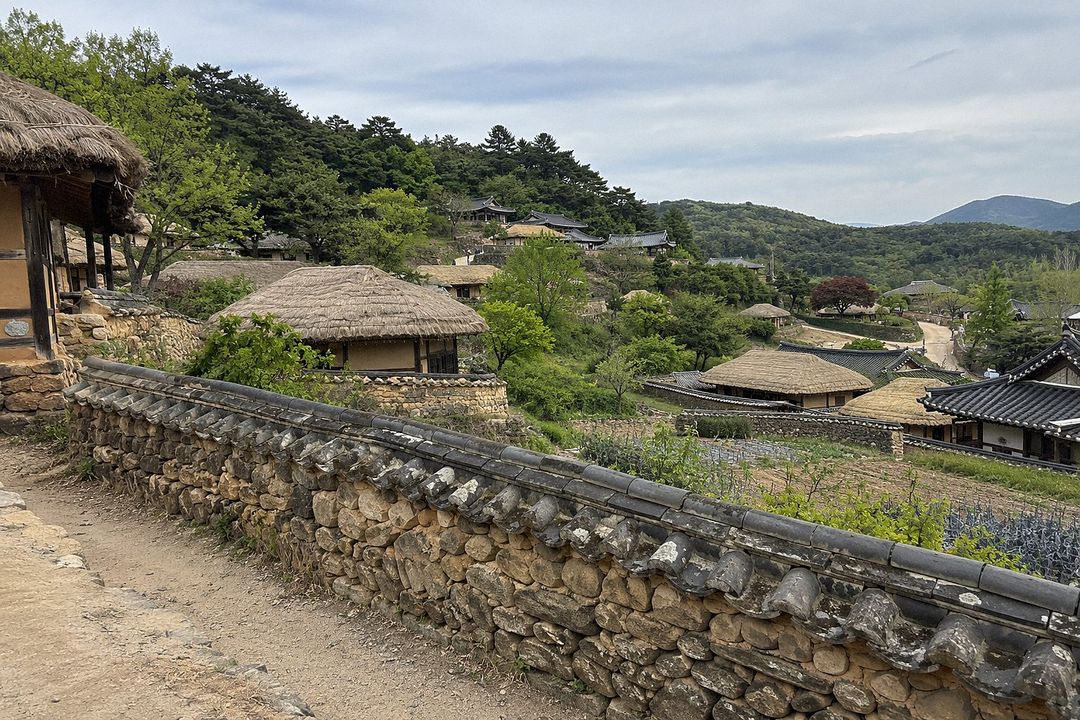
Yangdong Village
A UNESCO-listed Joseon clan village of tiled and thatched houses spread over hillsides, still home to residents.
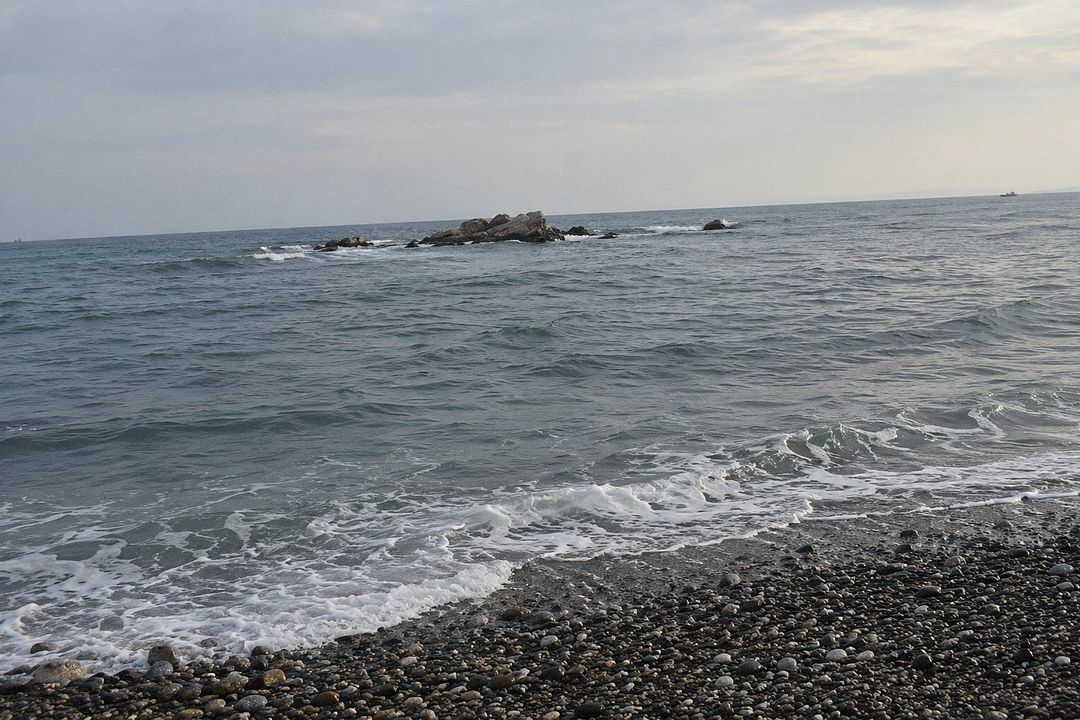
Underwater Tomb of King Munmu
A rocky islet just off the east coast, said to hold the remains of the Silla king who united the peninsula's three kingdoms.
Gyeongju by interest
Getting to Gyeongju
| From | How | Time | Notes |
|---|---|---|---|
| Seoul | KTX from Seoul Station to Singyeongju (SRT from Suseo also stops here) | About 2 hr 10 min | |
| Busan | KTX from Busan Station to Singyeongju | About 30 min | |
| Seoul (bus) | Express bus from Seoul Express Bus Terminal to Gyeongju Express Bus Terminal | About 3 hr 30 min | |
| Busan (bus) | Intercity bus from Busan Central Bus Terminal to Gyeongju | About 50 min |
Singyeongju Station lies on the western edge of the city; city buses and taxis connect it with downtown, Bomun and Bulguksa. The bus terminals are in the center, within walking distance of the tomb park.
Getting around
The central sights are close together and easy to cover on foot or by rented bicycle. City buses link downtown with Bomun Lake and Bulguksa, with a further bus up to Seokguram. Taxis are useful for Yangdong and the coast.
Long-distance trains: see KORAIL PASS and transportation in Korea.
Itineraries
Gyeongju in one day
Bulguksa and Seokguram in the morning, then Daereungwon, Cheomseongdae and Hwangnidan-gil, ending at Donggung Palace and Wolji Pond after dark.
Gyeongju in two days
Add the national museum, Gyochon and a hike on Namsan, or a trip out to Yangdong Village.
Seoul, Gyeongju and Busan by rail
After a few days in Seoul, take the KTX to Singyeongju for one or two nights, then continue 30 minutes south to Busan.
Where to stay in Gyeongju
Hwangnidan-gil and the center
Hanok guesthouses and small hotels within walking distance of the tombs, Cheomseongdae, Wolji and the evening cafe scene.
Best for: First-time visitors, walkers
See hotels in Hwangnidan-gil and the centerBomun Lake
Large resort hotels and condos on the lake, with a theme park nearby and easy bus access to Bulguksa.
Best for: Families, resort stays
See hotels in Bomun LakeGyeongju bus terminal area
Inexpensive motels and guesthouses close to the express and intercity bus terminals and the city bus lines.
Best for: Budget travelers, bus arrivals
See hotels in Gyeongju bus terminal areaBulguksa
Quiet lodgings at the foot of Tohamsan, ideal for seeing the temple and the grotto before the tour groups arrive.
Best for: Early risers, temple visitors
See hotels in Bulguksa
Some links on this page are affiliate links: if you book through them we may earn a commission at no extra cost to you. It never decides what we recommend. Affiliate disclosure.
Food and restaurants in Gyeongju
Gyeongju's food is homely rather than flashy. The local signature is a meal of leaf wraps with many side dishes, and the town is known nationwide for its red-bean pastries, sold in shops around the center and at the stations.
What to eat
| Leaf-wrap rice set 쌈밥 | Rice with a basket of fresh leaves for wrapping, grilled pork or fish and a spread of side dishes; a speciality near Daereungwon. |
|---|---|
| Hwangnam bread 황남빵 | Small round buns filled with sweet red-bean paste, the town's most famous souvenir, sold warm from the original bakery. |
| Gyeongju bread 경주빵 | A close cousin of hwangnam bread, a thin crust around red-bean paste stamped with a pattern; sold in boxes everywhere. |
| Barley pancake bread 찰보리빵 | Soft, pancake-like sandwiches of glutinous barley dough with red-bean filling, another popular Gyeongju gift. |
| Gyodong beopju 경주교동법주 | A clear traditional rice liquor brewed by the Choi family of Gyochon, sold in the hanok village. |
Where to eat
- Hwangnidan-gil — Cafes, bakeries and small restaurants in renovated hanok beside the tomb park.
- Daereungwon ssambap street — A row of restaurants near the tomb park specializing in leaf-wrap rice sets.
- Gyochon Hanok Village — Traditional restaurants and the Choi family's liquor shop near Woljeonggyo bridge.
Experiences and tours in Gyeongju
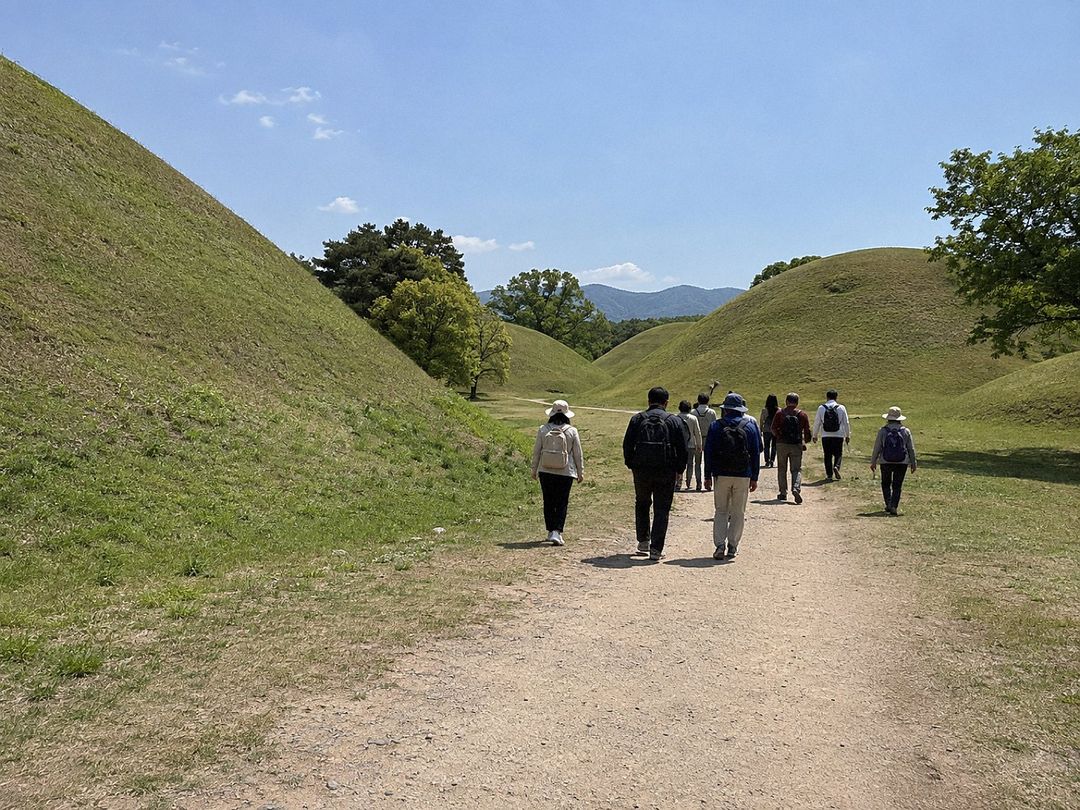
Gyeongju day tour from Busan
A guided day trip covering Bulguksa, the tomb park and Cheomseongdae with transport from Busan.
Check on Klook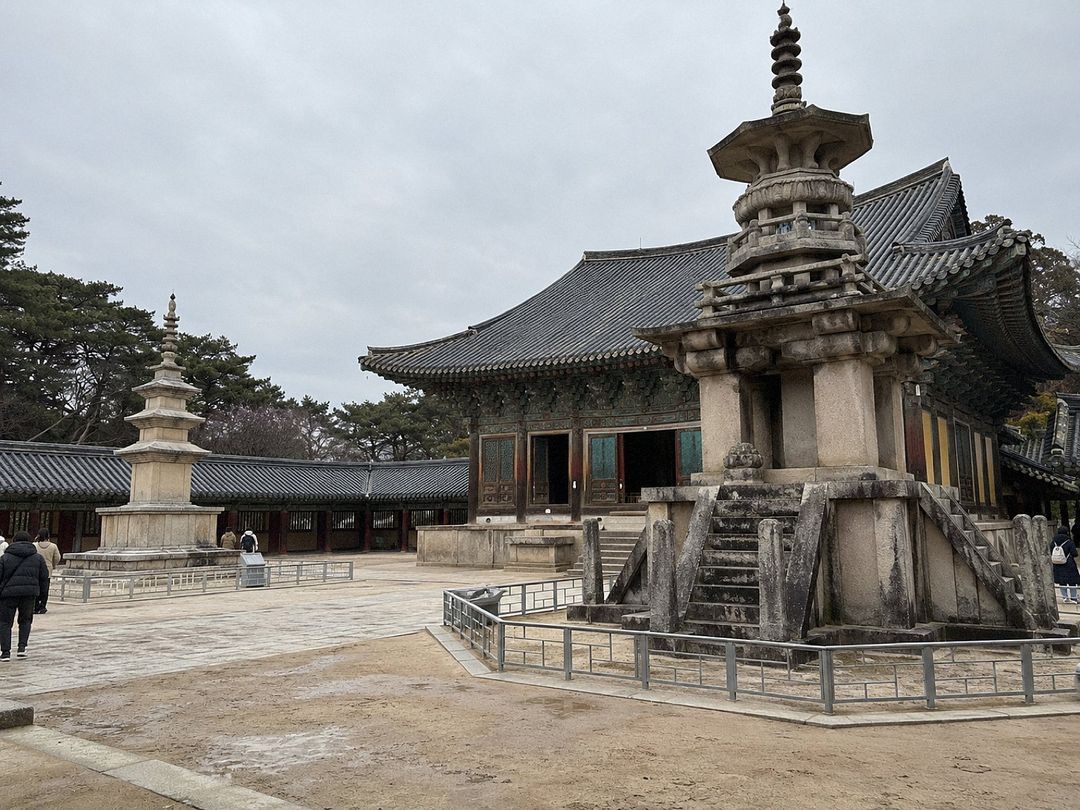
Bulguksa and Seokguram guided tour
A guide explains the Buddhist symbolism of the temple and grotto, with transport between the two sites.
Check on Klook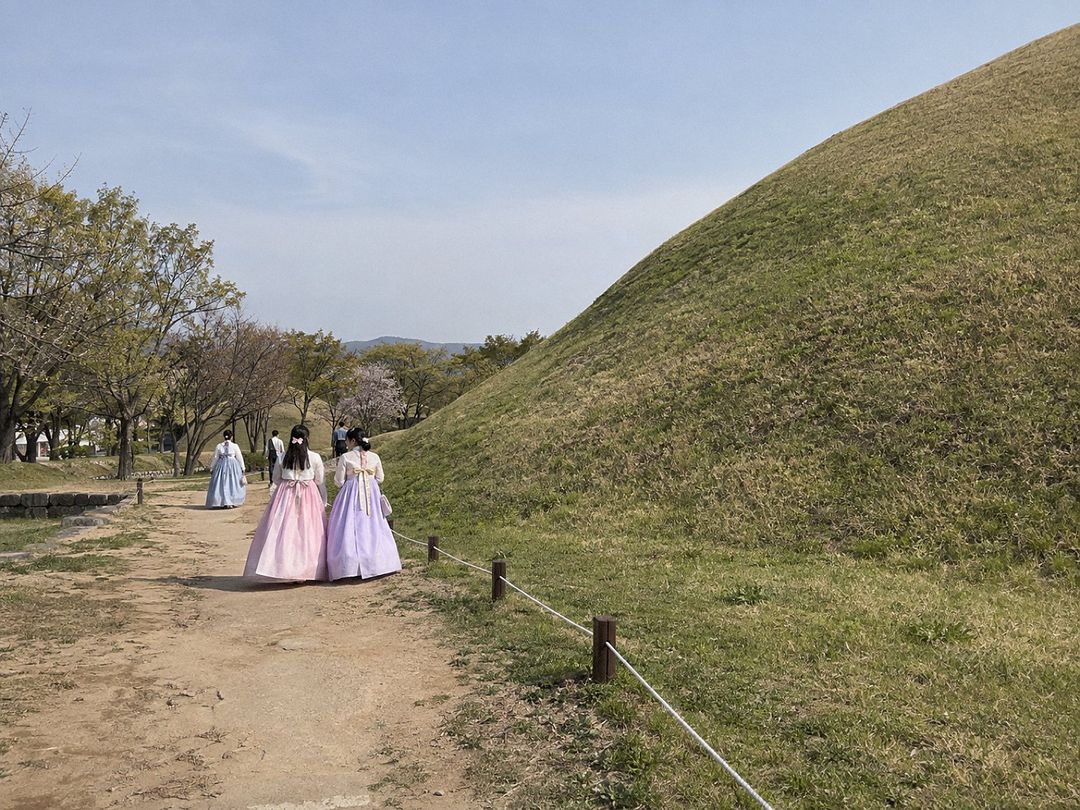
Hanbok rental in Gyeongju
Wear traditional dress for an afternoon around Hwangnidan-gil, the tomb park and the lit-up Wolji pond.
Check on Klook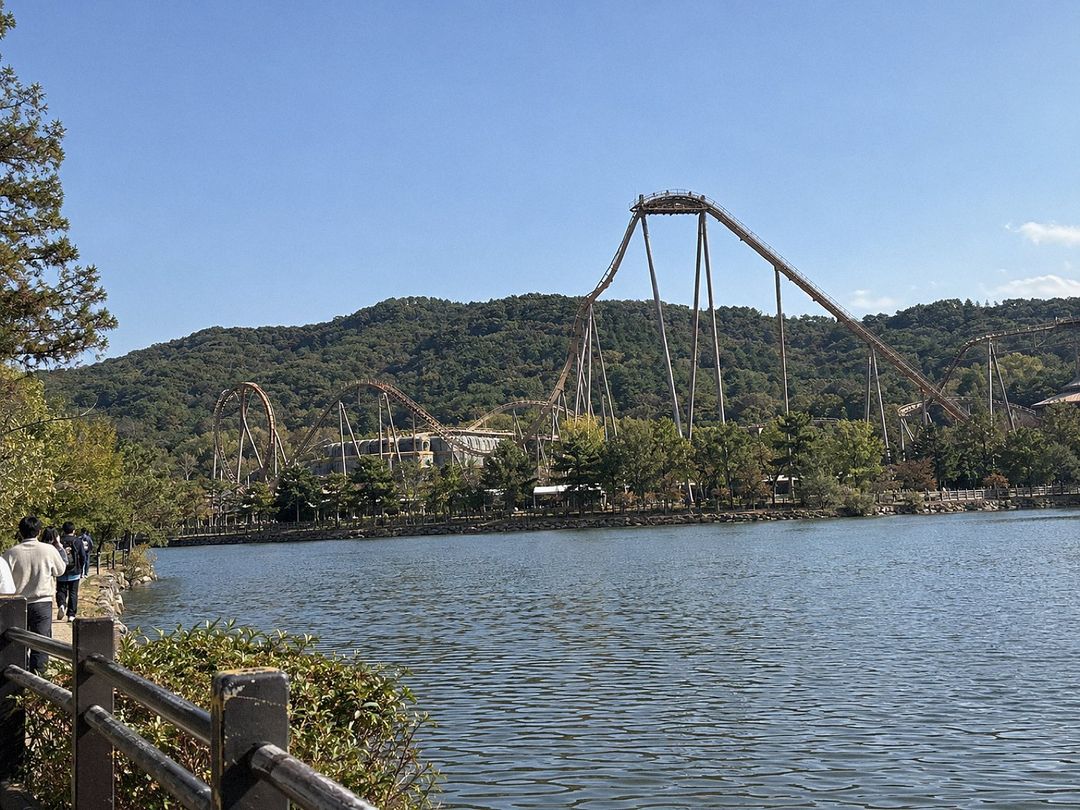
Gyeongju World theme park
A large amusement park at Bomun Lake with roller coasters and a water park in summer, popular with families.
Check on Klook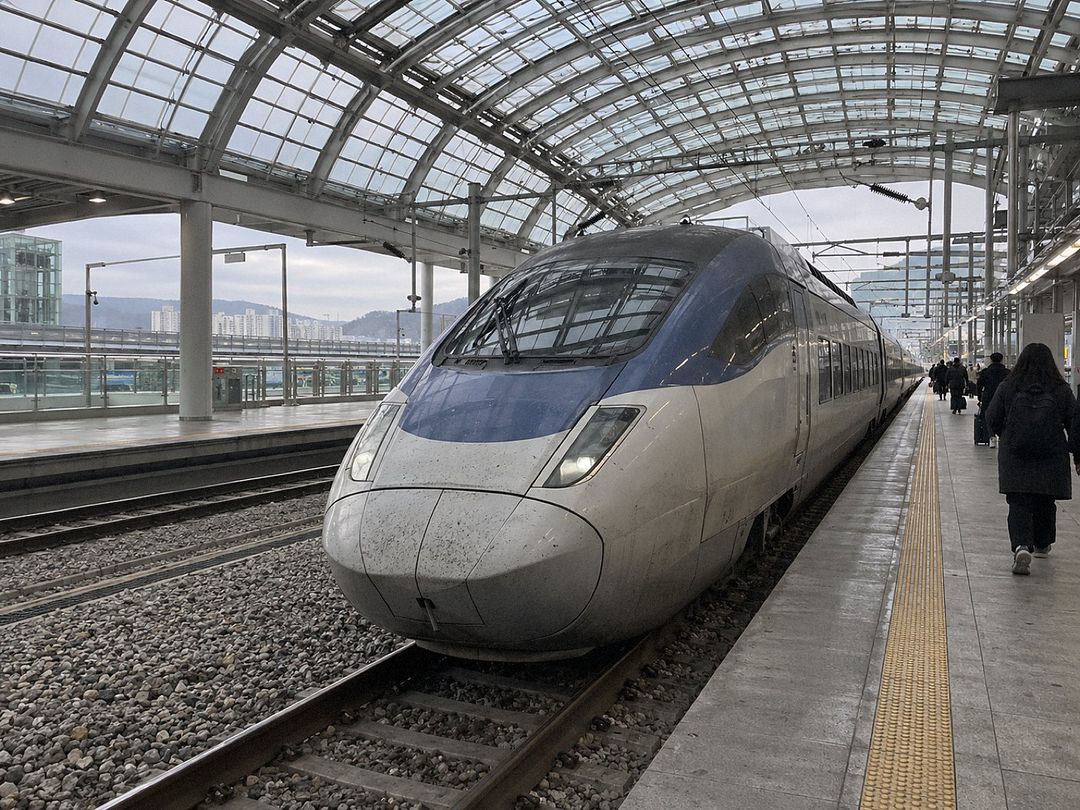
Gyeongju day trip from Seoul by KTX
A long but rewarding day: KTX both ways plus a guided loop of the main Silla sights.
Check on Klook
Some links on this page are affiliate links: if you book through them we may earn a commission at no extra cost to you. It never decides what we recommend. Affiliate disclosure.
Frequently asked questions
Is Gyeongju worth a day trip from Busan?
Yes. The KTX takes about 30 minutes to Singyeongju, so a full day covers Bulguksa and the central tombs. Staying one night lets you see Wolji Pond lit up and Seokguram in the morning.
How many days do I need in Gyeongju?
One full day covers the highlights; two days allow the museum, Namsan and Yangdong Village at a gentler pace.
Which station do KTX trains use?
KTX and SRT trains stop at Singyeongju Station on the western edge of the city, a bus or taxi ride from the center and Bulguksa.
Sources
Facts on this page were checked against these sources on 2 October 2026. Prices, hours and rules change — confirm with the operator before you go.
- Gyeongju City: Directions (English) · official
- UNESCO World Heritage: Gyeongju Historic Areas · official
- UNESCO World Heritage: Seokguram Grotto and Bulguksa Temple · official
- UNESCO World Heritage: Historic Villages of Korea, Hahoe and Yangdong · official
- 유네스코한국위원회: 석굴암과 불국사 (Korean) · official
- 경주시: 신경주역↔보문단지·불국사 노선버스 신설 (Korean) · official
- 대한민국 구석구석: 다시 쓰는 수학여행기, 경주 불국사와 석굴암 (Korean) · official