Region of South Korea
Gyeongsang 경상
The south-east heartland of Silla tombs, Confucian villages, great temples and the island-dotted south coast.
Updated
Gyeongsang is the south-eastern quarter of South Korea, a large region of river basins and mountain ranges that opens onto the East Sea and the island-scattered south coast. It is made up of North Gyeongsang (Gyeongsangbuk-do) and South Gyeongsang (Gyeongsangnam-do) together with the metropolitan cities of Daegu and Ulsan. Busan, historically part of the same region, is covered on this site as a separate hub.
For a thousand years this was the heartland of Silla, the kingdom that unified much of the peninsula in the 7th century, and its capital, Gyeongju, is still the best place in Korea to see ancient royal tombs, stone pagodas and early Buddhist art. Later, under the Joseon dynasty, the northern half of the region became a stronghold of Confucian learning. Andong preserves that legacy in Hahoe Village, a clan settlement listed by UNESCO, and in private academies such as Dosan Seowon and Byeongsan Seowon.
The region is also exceptionally rich in temples. Haeinsa holds the 13th-century Tripitaka Koreana, more than 80,000 carved woodblocks of Buddhist scripture, while Tongdosa, Buseoksa and Bongjeongsa belong to the UNESCO-listed group of Sansa mountain monasteries; the temples guide explains how they compare. Near Ulsan, the Bangucheon petroglyphs, with their carvings of whales and hunting scenes, joined the World Heritage list in 2025.
The south coast around Tongyeong and Geoje is a different world of fishing harbours, ferries and islands within Hallyeohaesang National Park. Daegu, the region’s largest city, is a lively base for the north with good markets and food streets.
Spring and autumn are the best seasons. Daegu is known as one of the hottest cities in the country in summer, and the coast is milder than the inland valleys in winter. The KTX line from Seoul runs through Daegu and Gyeongju on its way to Busan, putting most of the region within two to two and a half hours of the capital; see the Korail Pass guide for multi-stop trips.
Book your trip
Cities in Gyeongsang
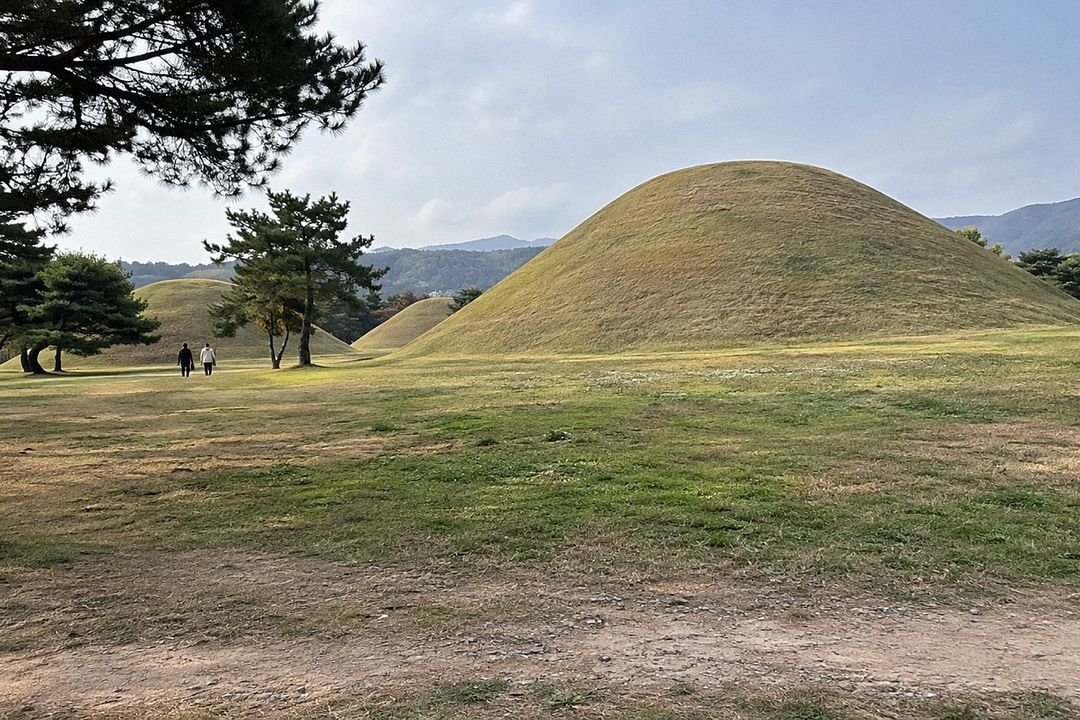
Gyeongju
The former Silla capital, with royal tomb mounds, Bulguksa and Seokguram.
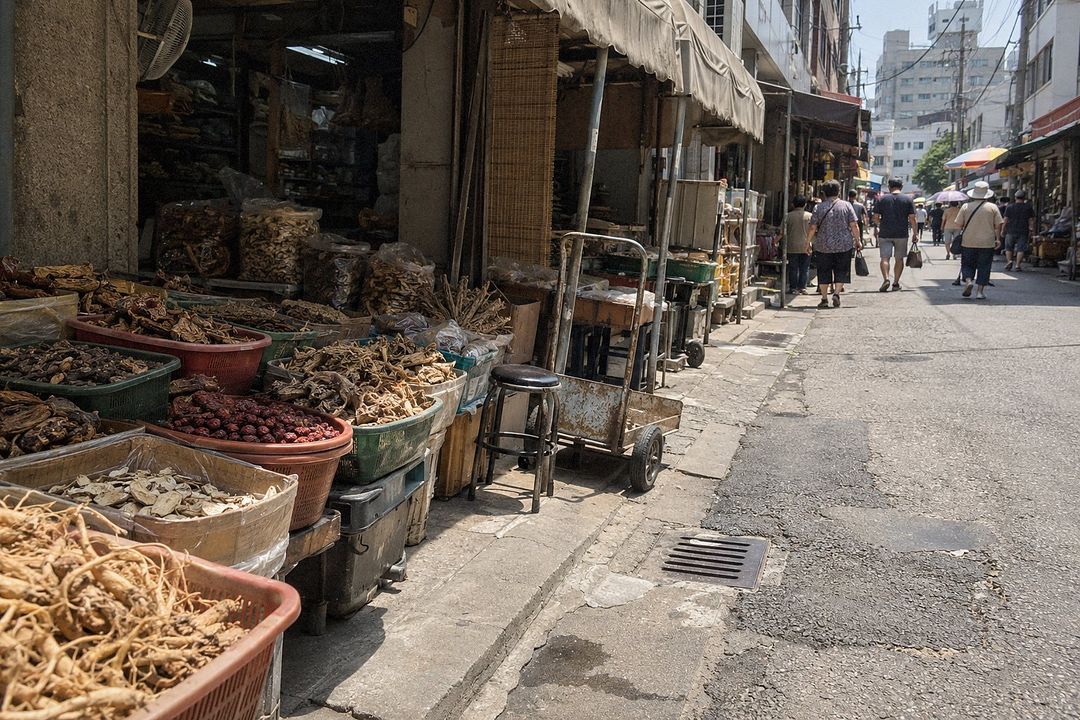
Daegu
Inland metropolis with busy markets, a herbal medicine street and summer heat.
Full guide coming soon
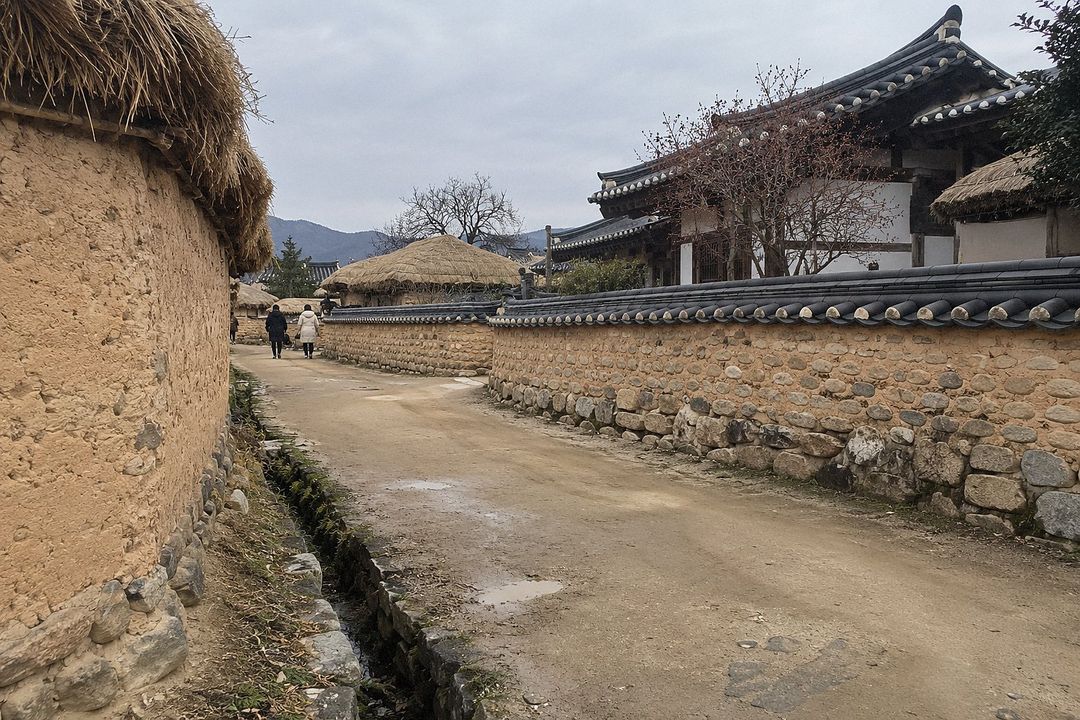
Andong
Centre of Confucian heritage, with Hahoe Village, old academies and a famous mask dance.
Full guide coming soon
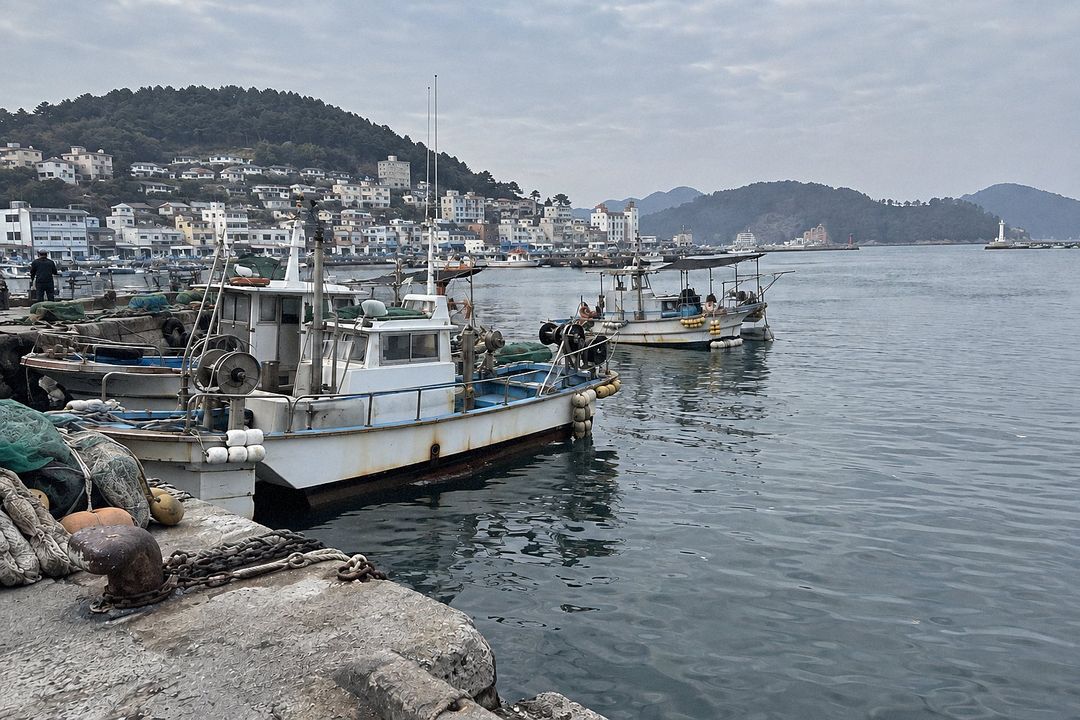
Tongyeong
Harbour town on the south coast with island views, a cable car and fresh seafood.
Full guide coming soon
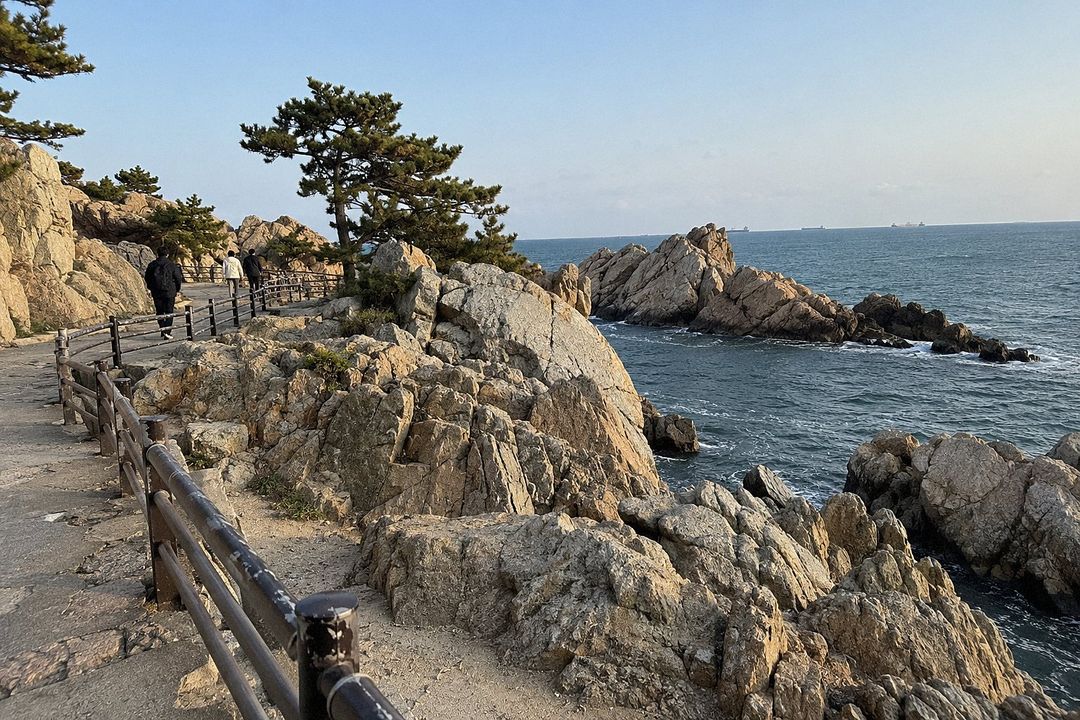
Ulsan
Industrial city with coastal parks and the newly UNESCO-listed Bangucheon petroglyphs.
Full guide coming soon
Top attractions in Gyeongsang
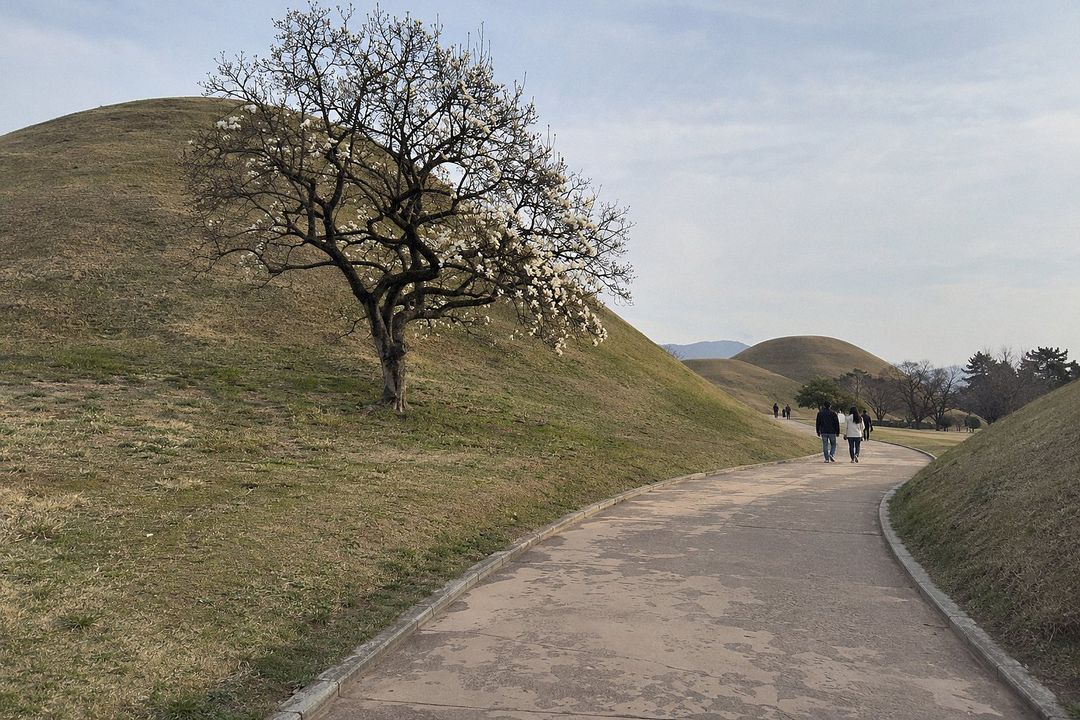
Daereungwon Tomb Complex
A park of huge grassy Silla burial mounds; inside Cheonmachong you can see how a royal tomb was built and what it held.
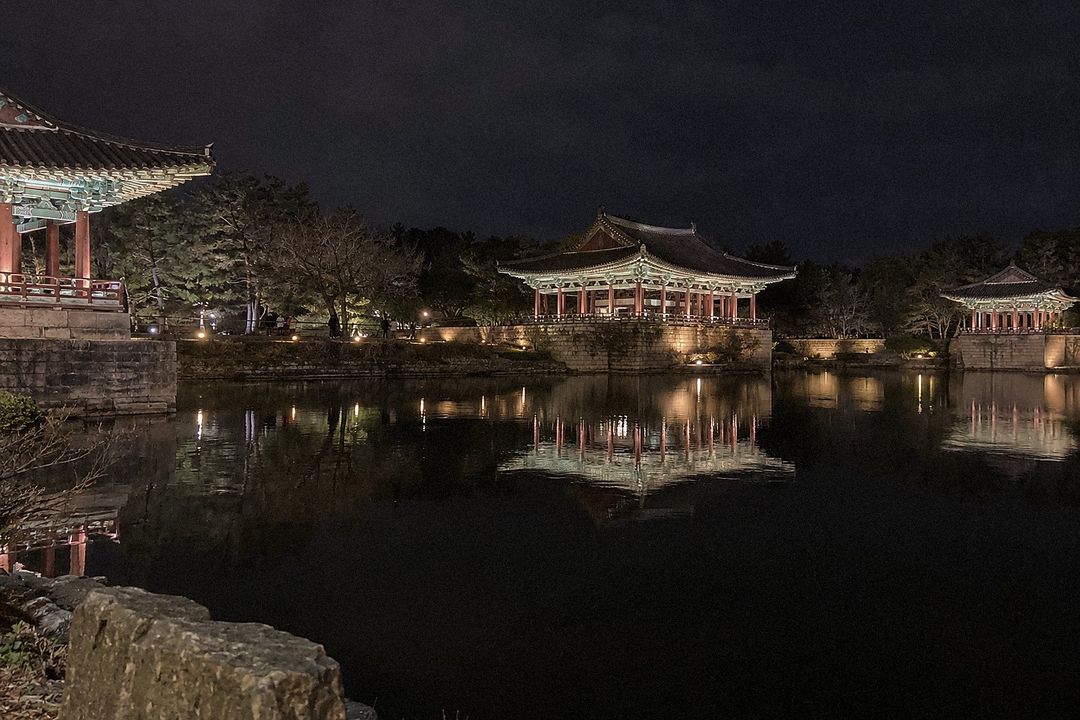
Donggung Palace and Wolji Pond
Reconstructed pavilions of a Silla crown prince's palace beside a landscaped pond, most popular after dark when they are lit up.
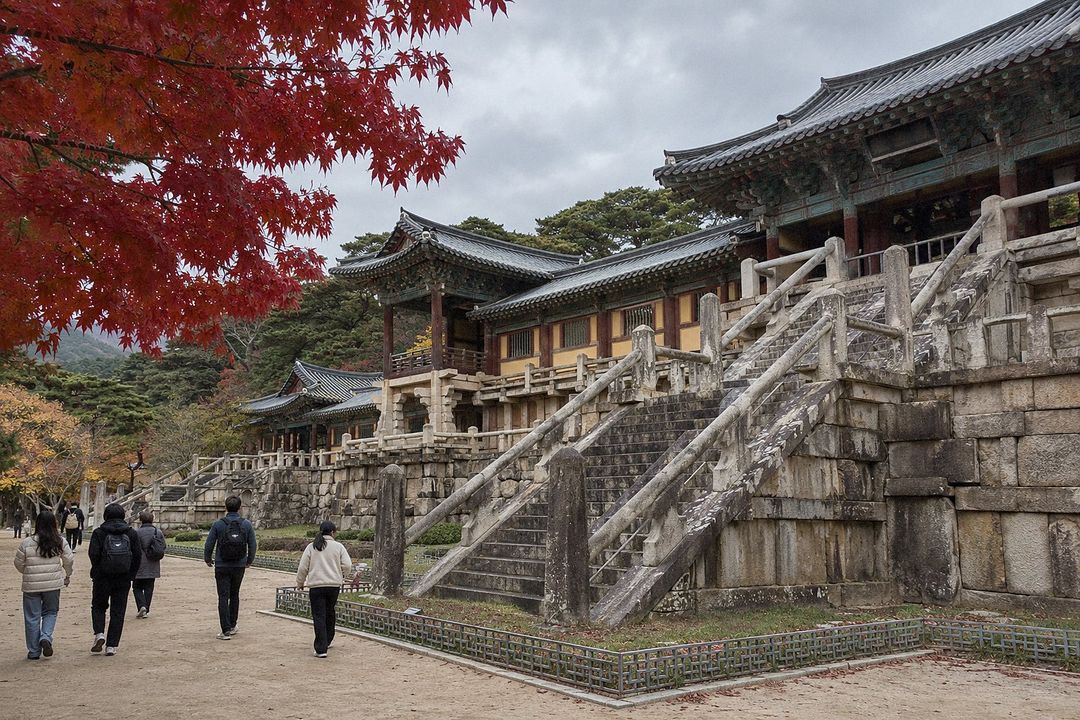
Bulguksa Temple
Korea's most celebrated temple, with Silla-era stone stairways, bridges and the twin pagodas Dabotap and Seokgatap.
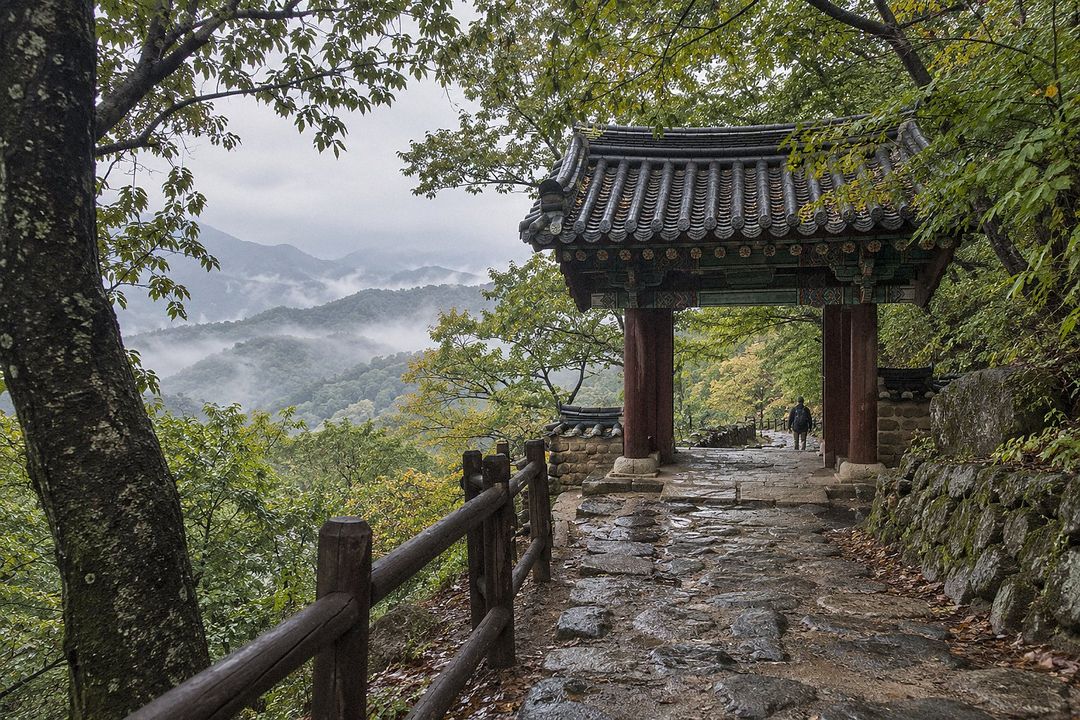
Seokguram Grotto
A granite Buddha in an artificial cave grotto high on Tohamsan, viewed through glass; reach it by bus or a mountain trail.
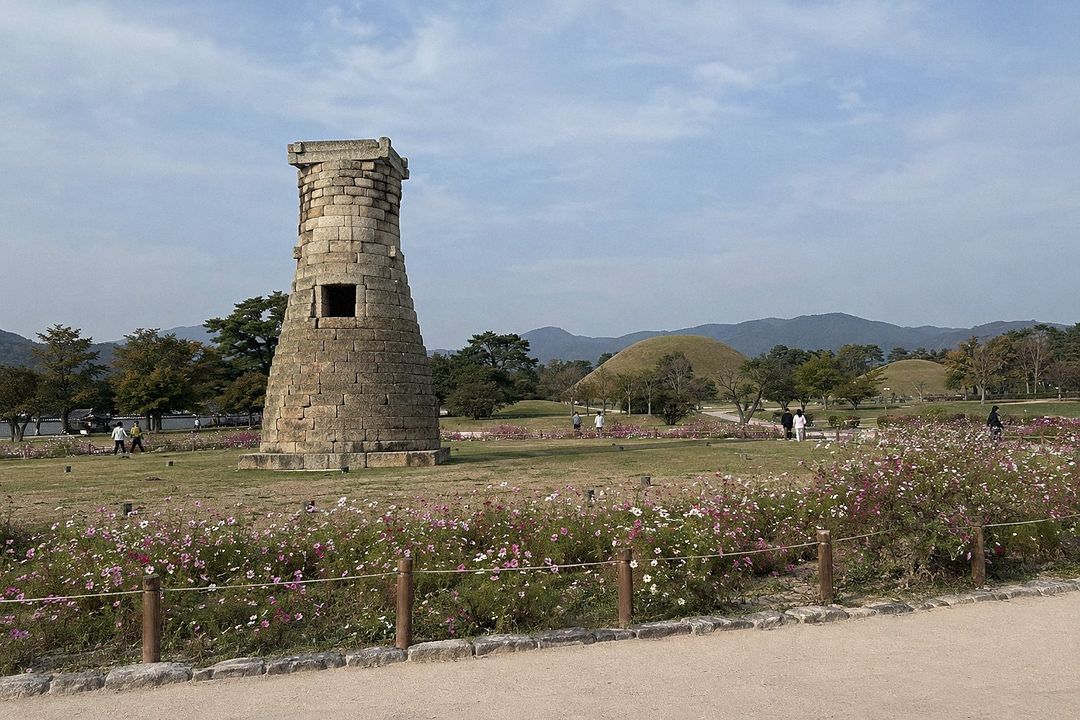
Cheomseongdae Observatory
A bottle-shaped stone tower from the 7th century, often called East Asia's oldest surviving observatory, set in open fields.
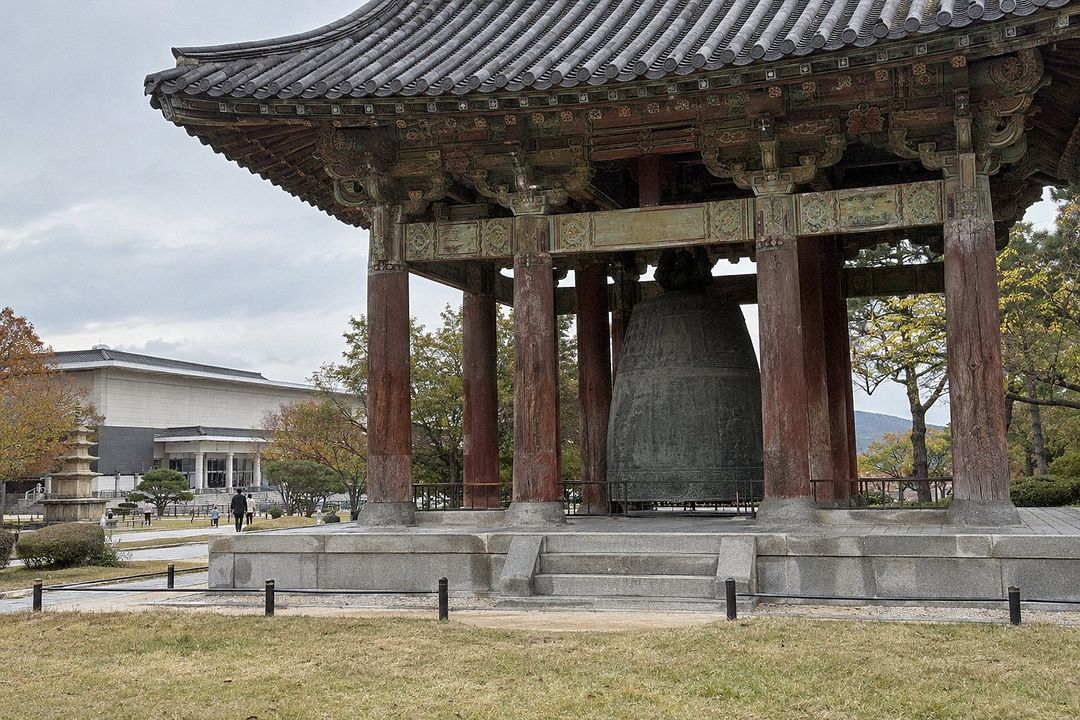
Gyeongju National Museum
Silla gold crowns, Buddhist sculpture and the great bronze Divine Bell of King Seongdeok; the best introduction to the city.
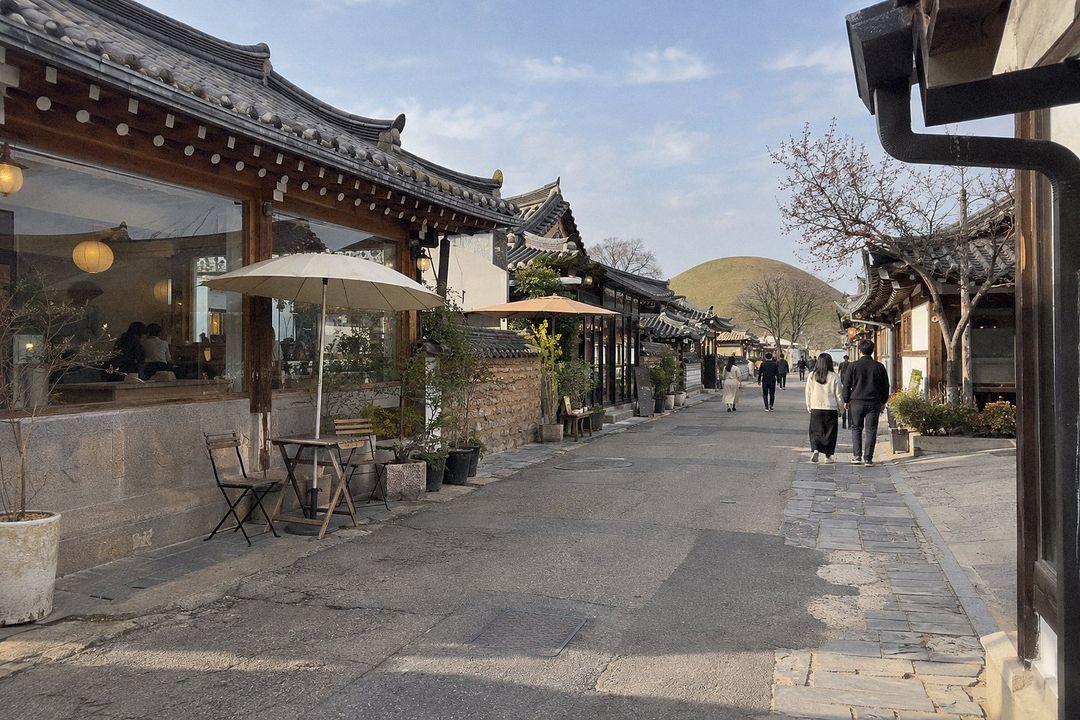
Hwangnidan-gil
A street of hanok cafes, bakeries and small shops beside the tomb park, the liveliest part of town in the evening.
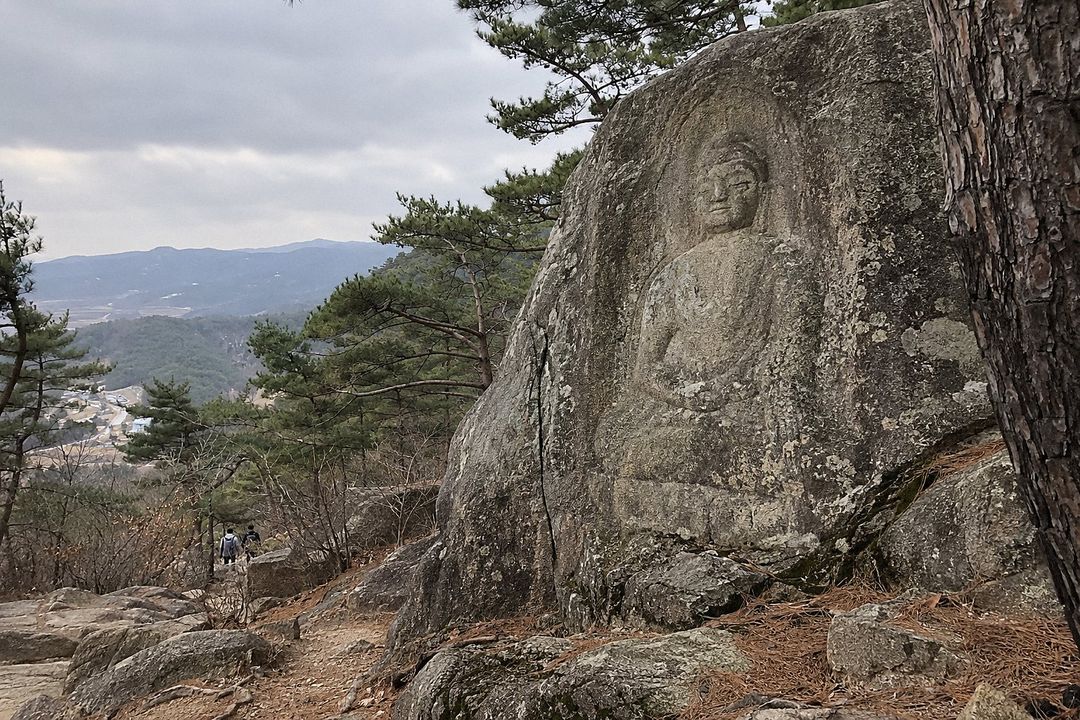
Gyeongju Namsan
A sacred mountain dotted with Buddhist rock carvings, stone pagodas and temple sites, explored on well-marked hiking trails.
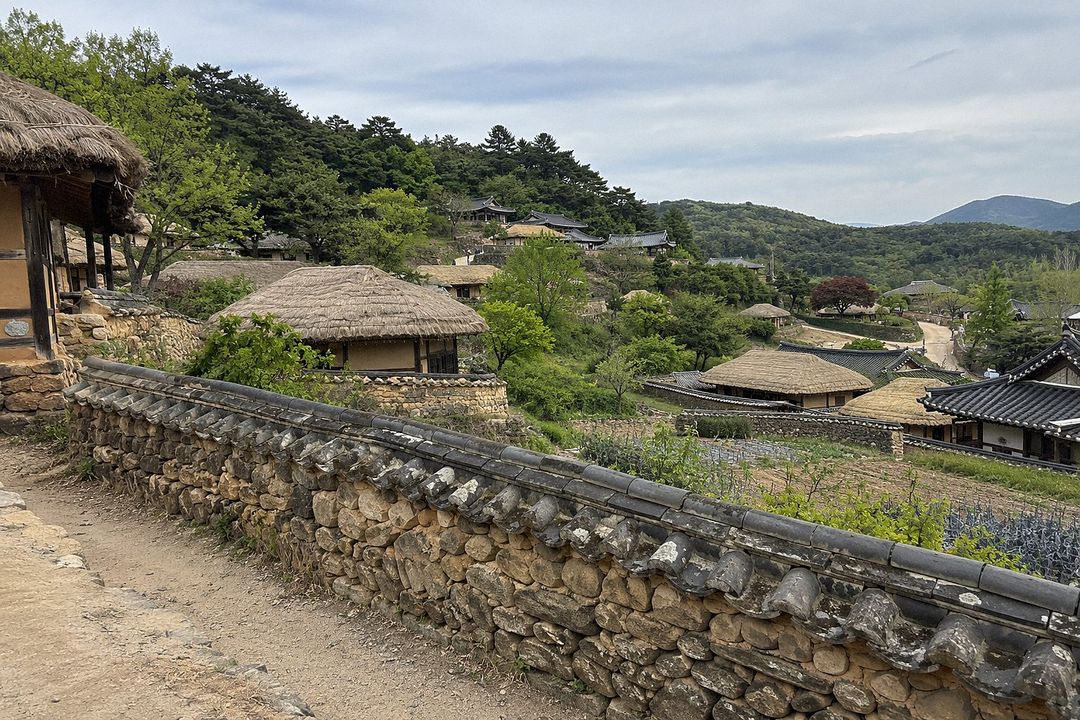
Yangdong Village
A UNESCO-listed Joseon clan village of tiled and thatched houses spread over hillsides, still home to residents.
More highlights of the region
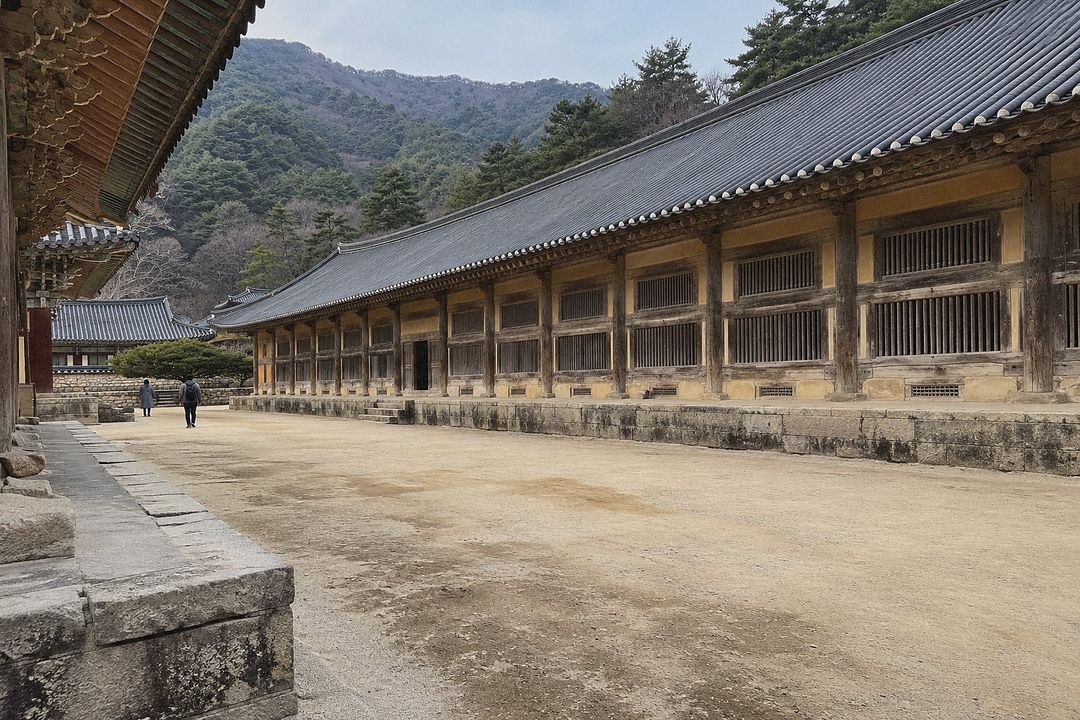
Haeinsa
Temple on Gayasan that guards the Tripitaka Koreana woodblocks in UNESCO-listed storage halls.
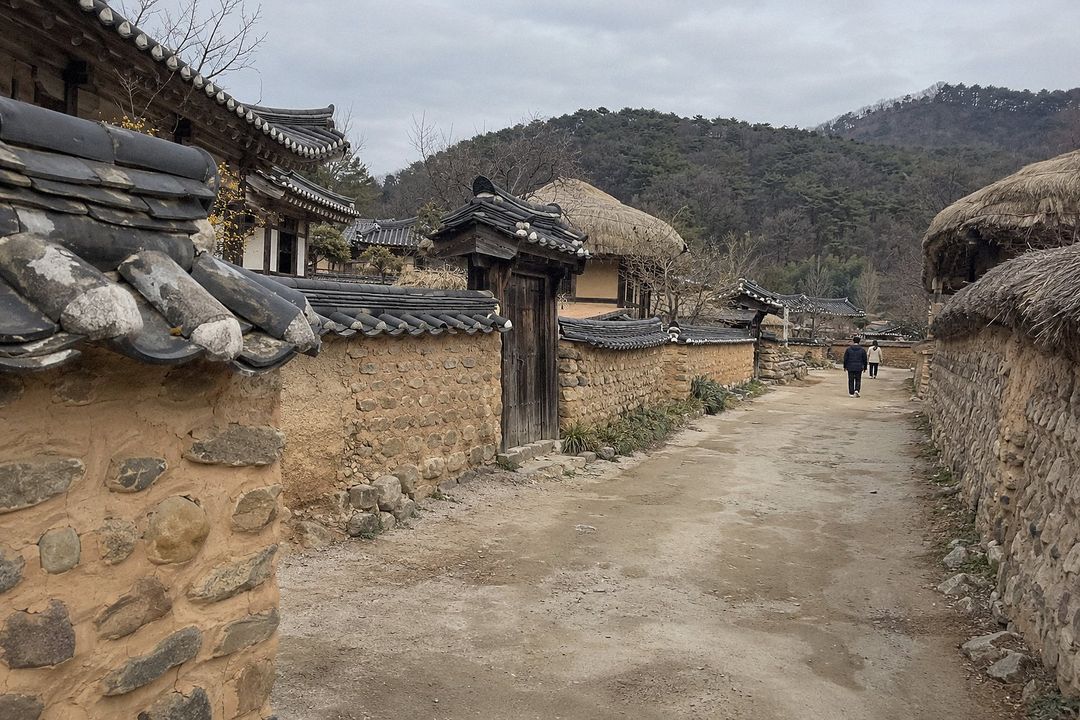
Hahoe Village
Lived-in clan village of tiled and thatched houses in a river bend outside Andong, listed by UNESCO.
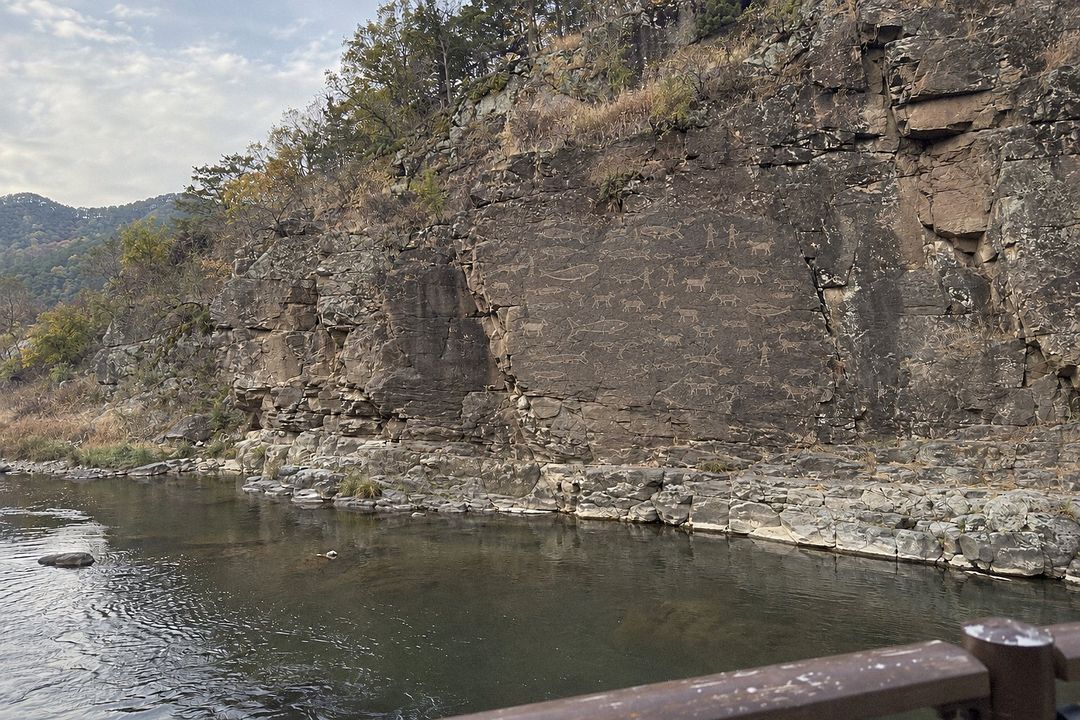
Petroglyphs along the Bangucheon Stream
Prehistoric rock carvings of whales and hunters near Ulsan, inscribed as a World Heritage Site in 2025.
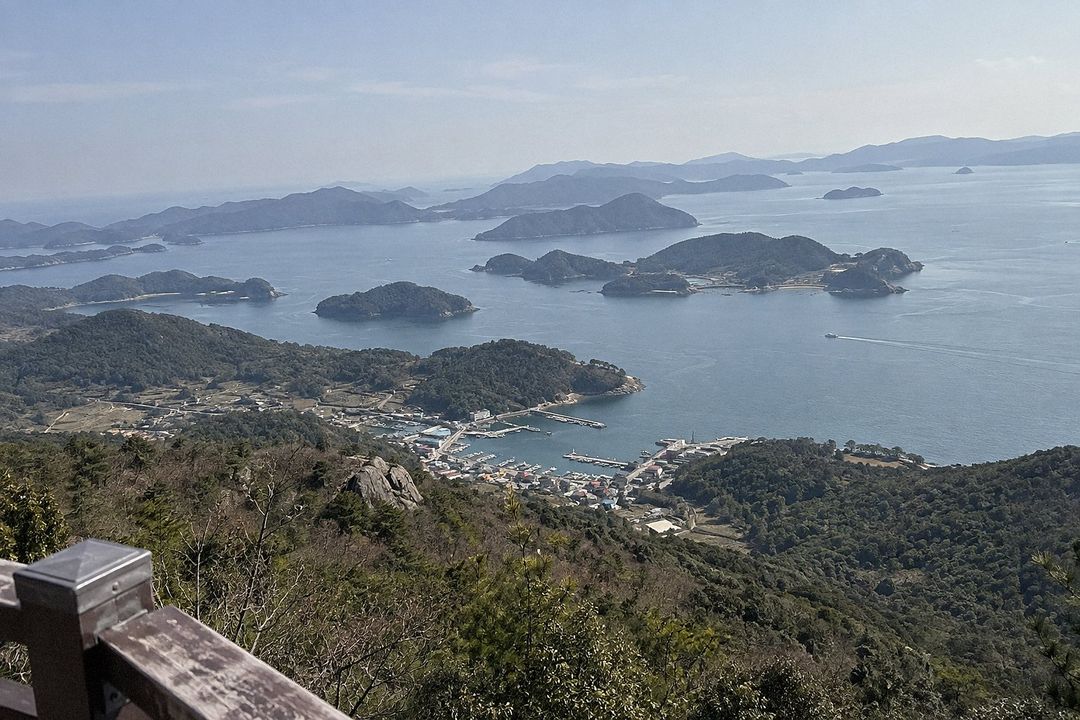
Hallyeohaesang National Park
Marine park of islands and sheltered waters between Tongyeong and Yeosu, best seen from Tongyeong's cable car.
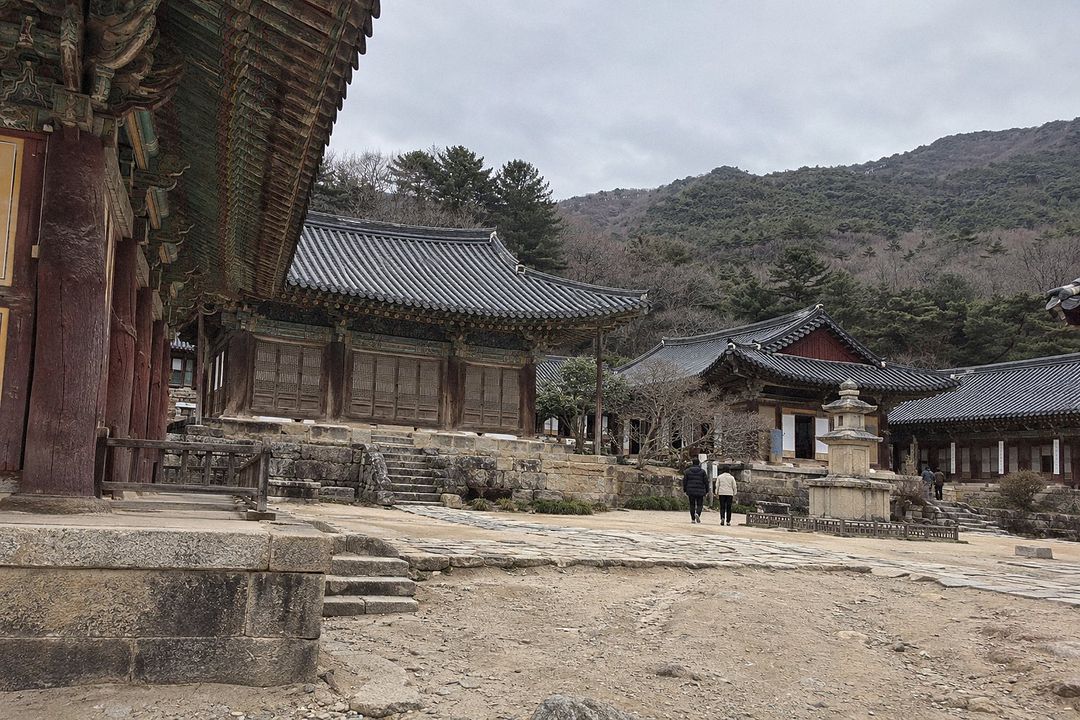
Tongdosa
One of Korea's largest temples, in Yangsan, enshrining relics of the Buddha; a UNESCO Sansa monastery.
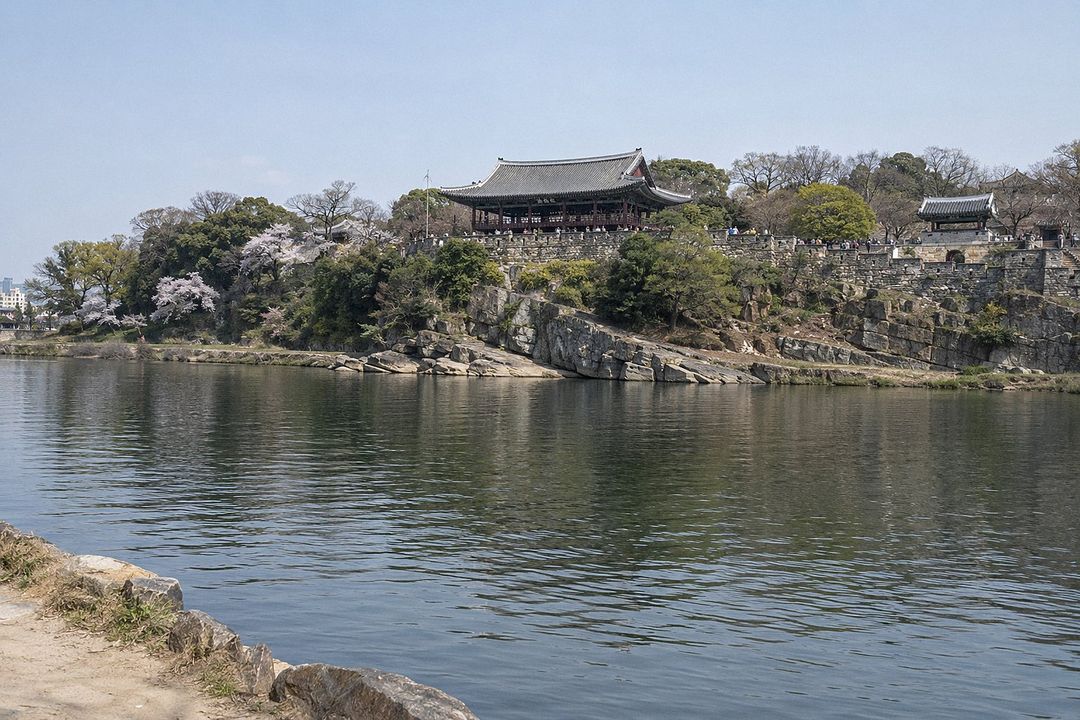
Jinju Fortress
Riverside fortress in Jinju remembered for battles during the late 16th-century Japanese invasions.
Getting there
| From → to | How | Time | Notes |
|---|---|---|---|
| Seoul Station → Gyeongju (Singyeongju) | KTX | about 2 h – 2 h 30 min | Singyeongju station lies outside the town centre; local buses connect it with central Gyeongju. |
| Seoul Station → Daegu (Dongdaegu) | KTX | about 1 h 40 min – 2 h | |
| Cheongnyangni (Seoul) → Andong | KTX-Eum | about 1 h 50 min – 2 h 5 min | Some trains start at Seoul Station, about 2 h 15 min – 2 h 25 min. |
| Seoul Station → Ulsan | KTX | about 2 h 10 min – 2 h 40 min | Ulsan KTX station is well west of the city centre. |
Times are typical fastest scheduled journeys. For rail passes see KORAIL PASS; for an overview see getting around Korea.
Sources
Facts on this page were checked against these sources on 2 October 2026. Prices, hours and rules change — confirm with the operator before you go.
- Petroglyphs along the Bangucheon Stream inscribed on the UNESCO World Heritage List (Ministry of Foreign Affairs) · official
- UNESCO World Heritage List: Historic Villages of Korea, Hahoe and Yangdong · official
- UNESCO World Heritage List: Haeinsa Temple Janggyeong Panjeon · official
- 경북나드리 (Gyeongsangbuk-do tourism) (Korean) · official
- 경남관광길잡이 (Gyeongsangnam-do tourism) (Korean) · official
- 울산광역시 (Ulsan Metropolitan City) (Korean) · official
- 코레일 승차권 예매 (Korail ticketing and timetables) (Korean) · official
- 서울역 → 신경주역 KTX 시간표 (timetable aggregator) (Korean)