Region of South Korea
Busan 부산
Korea's second city and largest port, with city beaches, hillside villages, seafood markets and coastal temples.
Updated
Busan is South Korea’s second-largest city and its busiest port, spread along the south-eastern tip of the peninsula where mountains run straight down to the sea. Administratively it is a metropolitan city in its own right, separate from the surrounding Gyeongsang provinces, and its size and range of sights justify treating it as a destination region of its own. Neighbourhoods are squeezed between steep ridges, harbours and beaches, which gives the city a layered, hilly character quite unlike Seoul.
The sea shapes almost everything here. Haeundae and Gwangalli are city beaches backed by towers, cafes and nightlife, and Gwangalli in particular is known for views of the illuminated Gwangan Bridge after dark. In the older south of the city, the Nampo district around the original harbour is home to Jagalchi fish market and the warren of Gukje Market, while Gamcheon Culture Village climbs a hillside in tiers of painted houses. Further up the coast, Haedong Yonggungsa in Gijang is one of the few major Korean temples set right on the shoreline; the temples guide has more on Korea’s Buddhist sites.
Food is a major draw. Busan is known for fresh raw fish and grilled seafood, as well as local staples such as dwaeji gukbap (pork and rice soup) and milmyeon, a cold wheat-noodle dish that grew out of the city’s wartime refugee years. The Busan city guide covers what to eat and where.
Busan’s climate is milder than Seoul’s in winter, and its beaches are at their busiest in July and August. Late spring and autumn are the most comfortable times for walking the coastal trails and hillside villages, and the city’s autumn calendar includes a major international film festival and a large fireworks show over Gwangalli.
Busan is the southern terminus of the main KTX line from Seoul, roughly two and a half hours away, and frequent domestic flights and trains link it with Gyeongju, Jeju and the rest of the country. Rail travellers can find pass options in the Korail Pass guide.
Book your trip
Areas of Busan
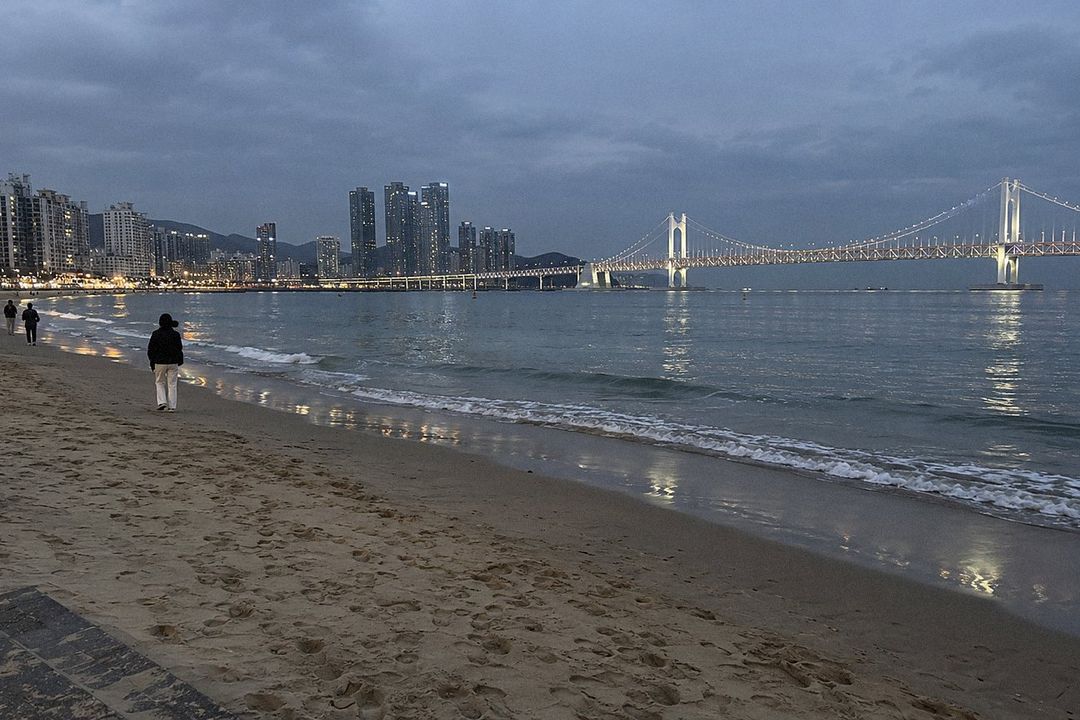
Busan
The full city guide with attractions, districts, food, hotels and trip ideas.
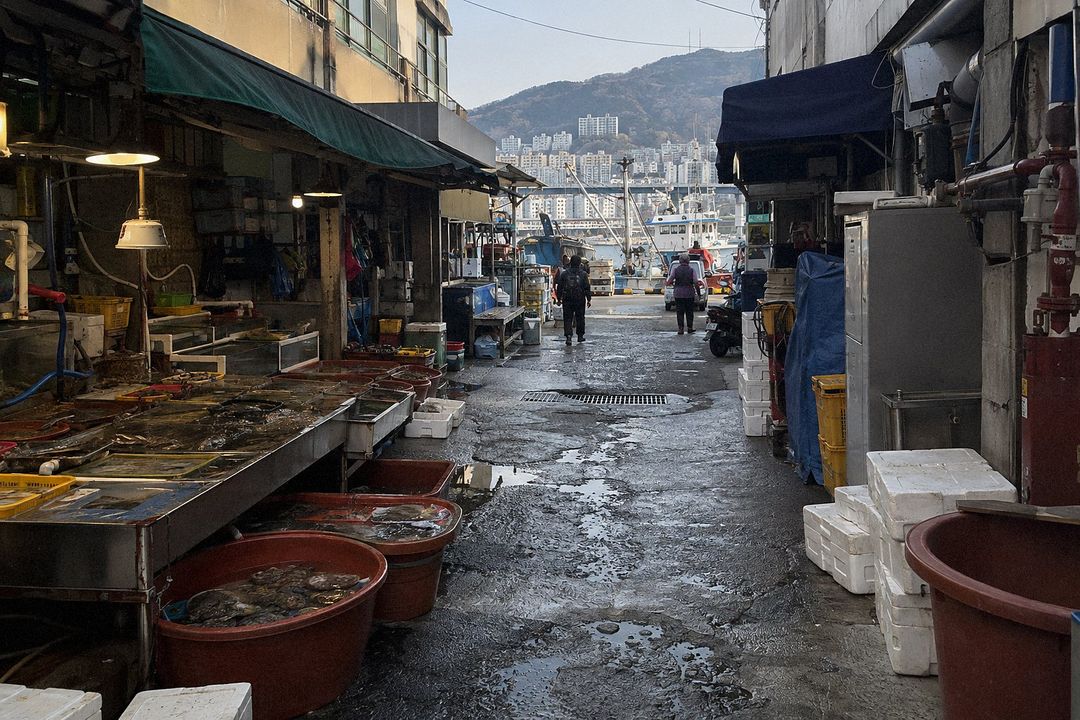
Nampo & the old port
Jagalchi fish market, Gukje Market and the lanes of the original harbour district.
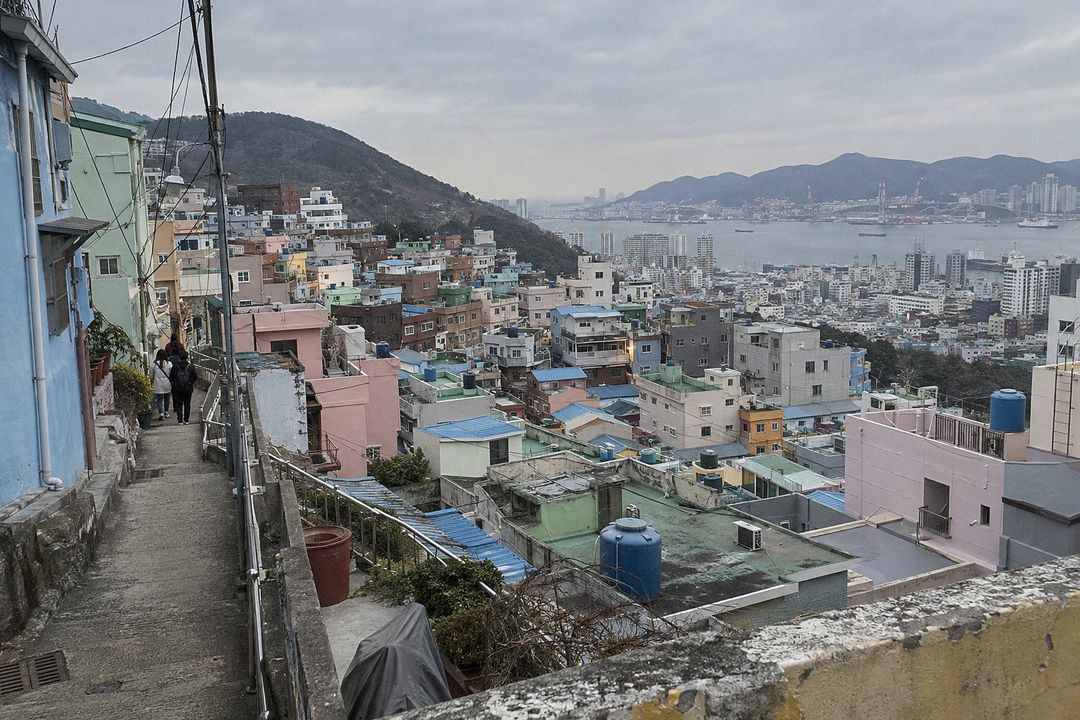
Western Busan
Gamcheon Culture Village, Songdo's beach and the rocky coast towards Dadaepo.
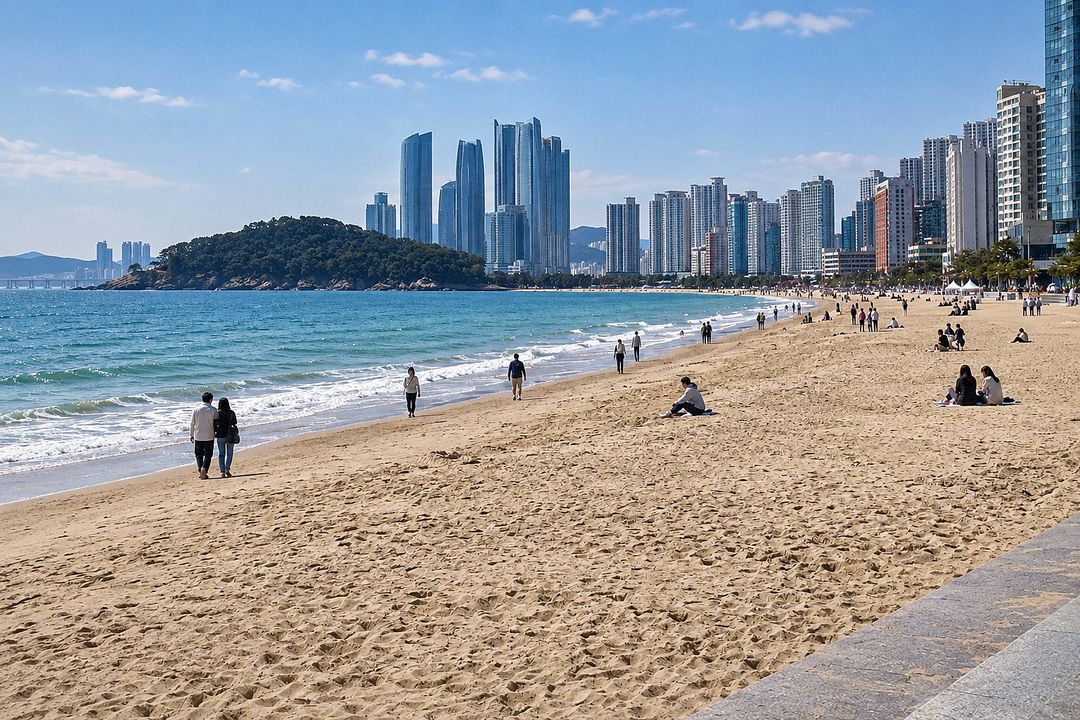
Haeundae
The city's best-known beach, with Dongbaek Island and the high-rises of Marine City.
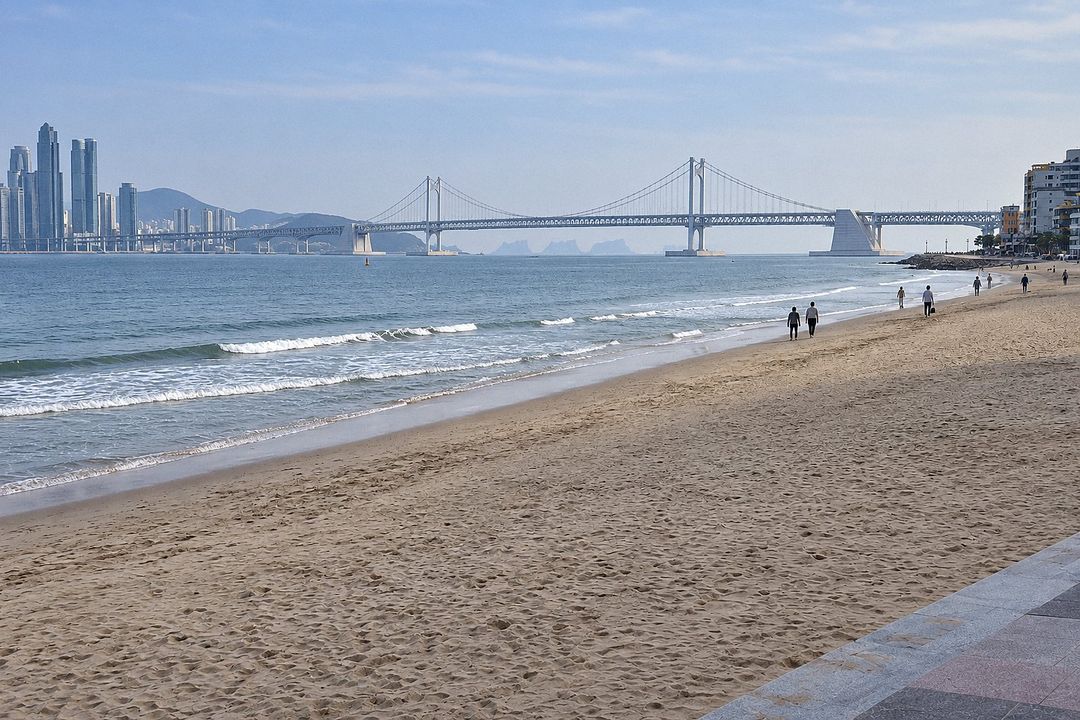
Gwangalli
Beach facing the Gwangan Bridge, lit up at night and lined with cafes and bars.
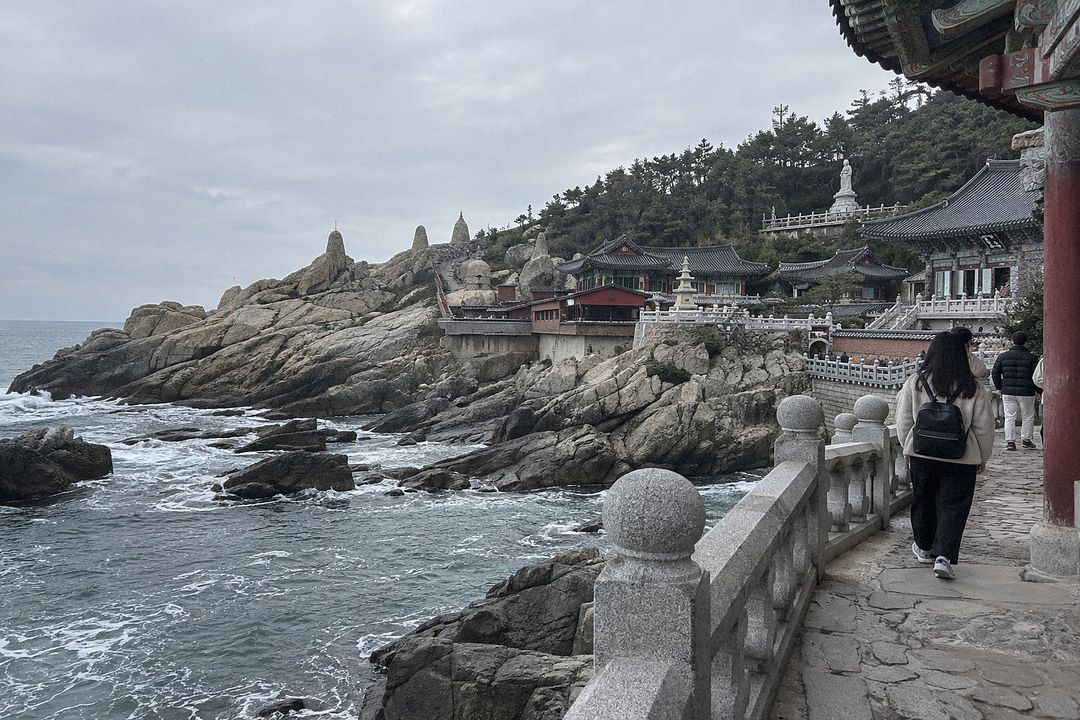
Eastern Busan
Gijang's seaside temple, fishing villages and coastal walks north of Haeundae.
Top attractions in Busan
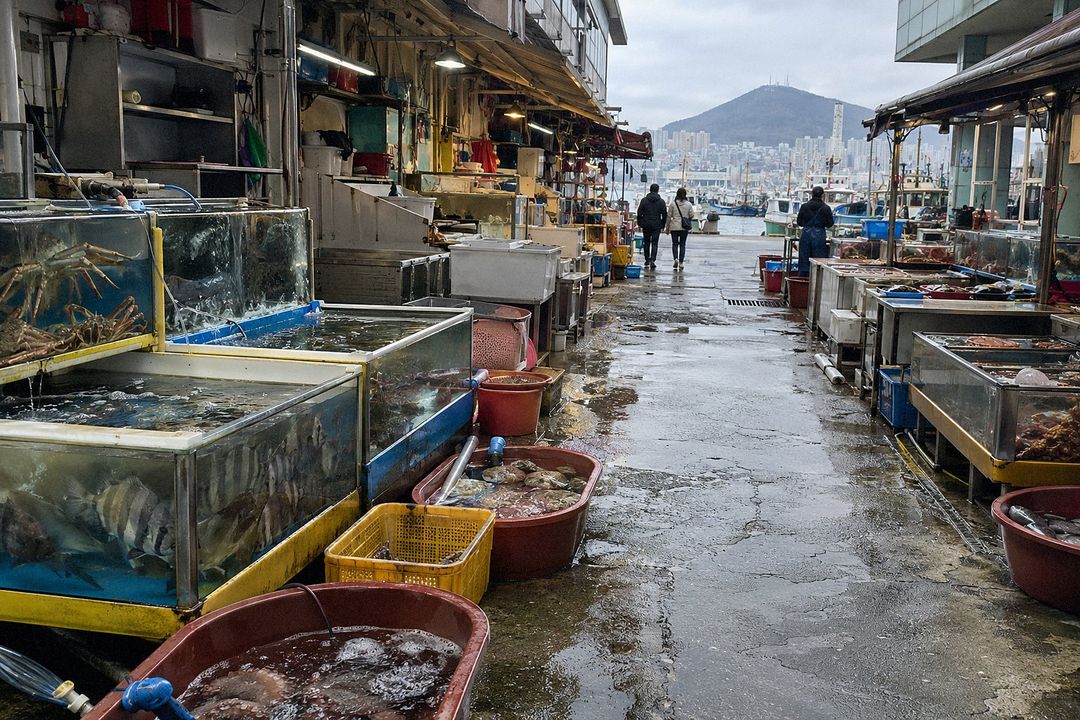
Jagalchi Market
Korea's best-known seafood market, with live tanks downstairs and restaurants upstairs that cook what you pick.
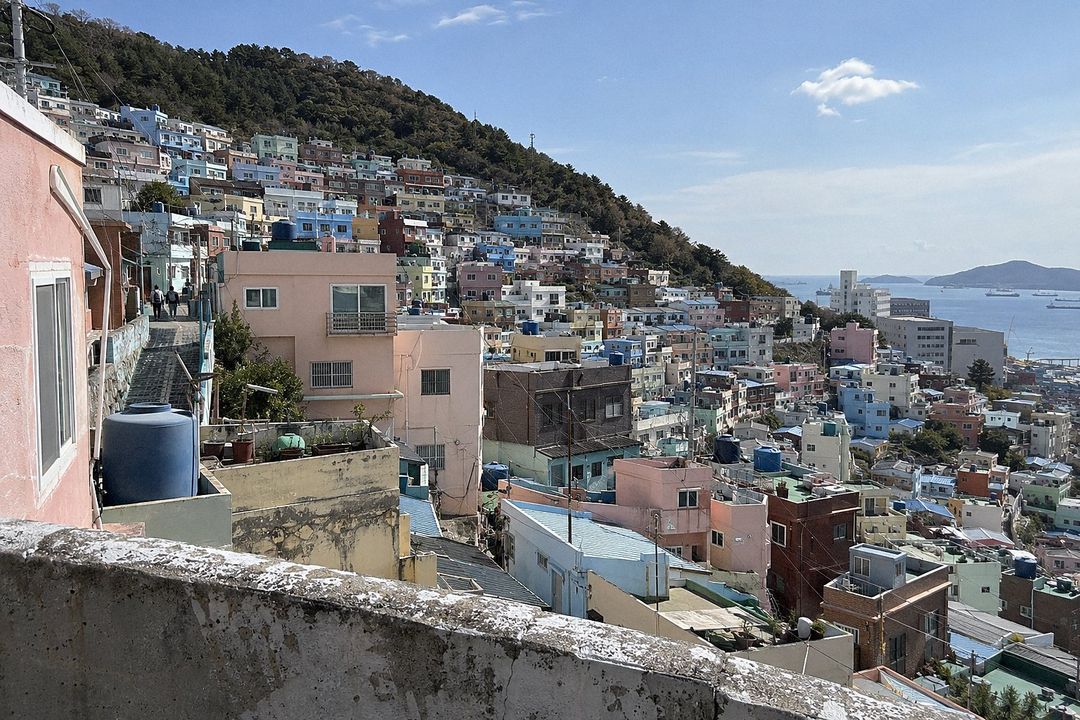
Gamcheon Culture Village
Pastel houses stacked on a steep hillside, linked by stairs and alleys dotted with murals and small galleries.
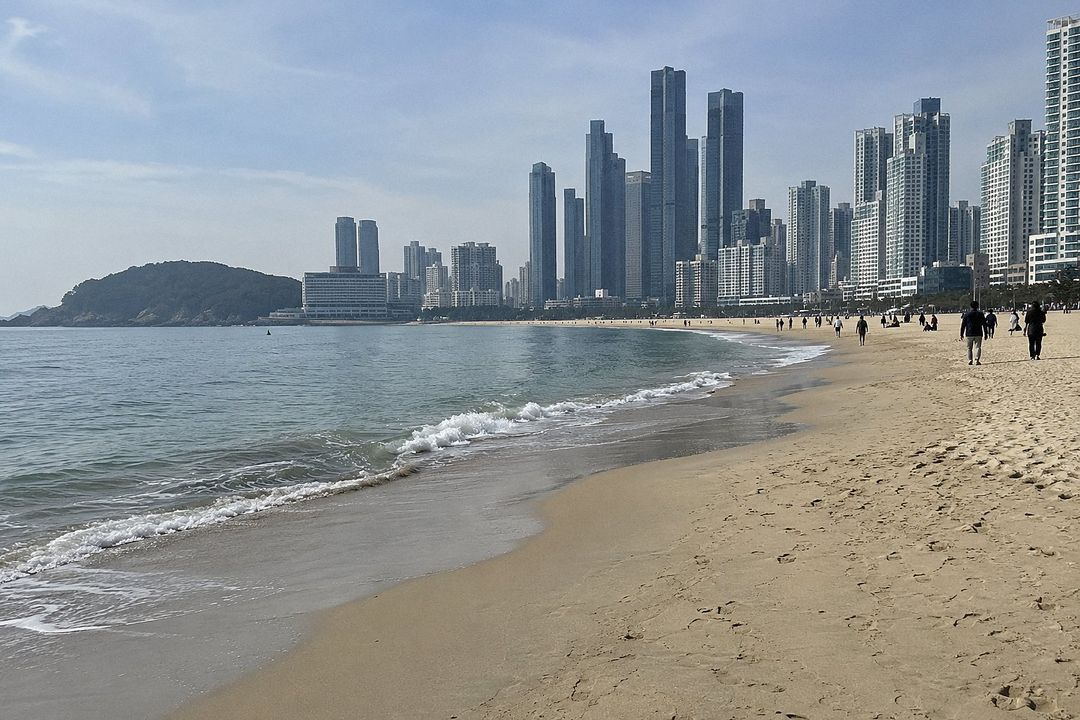
Haeundae Beach
Korea's most famous city beach, a wide arc of sand backed by hotels and towers, packed in midsummer.
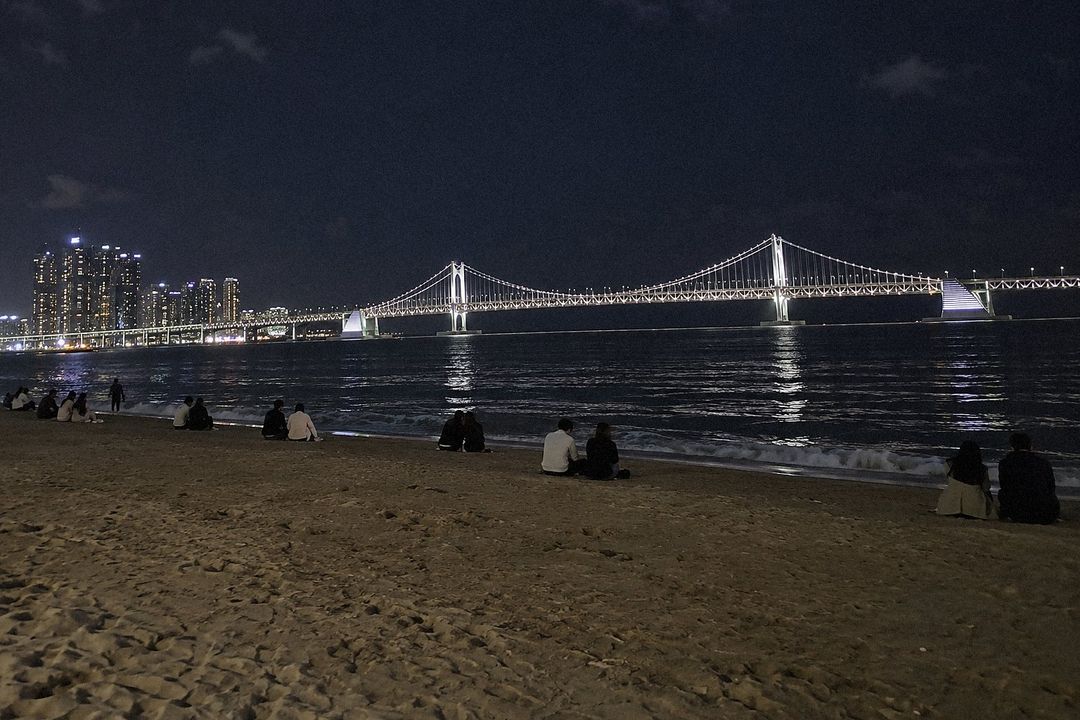
Gwangalli Beach
A city beach facing the illuminated Gwangan Bridge, lined with cafes and bars and home to a weekly drone show.
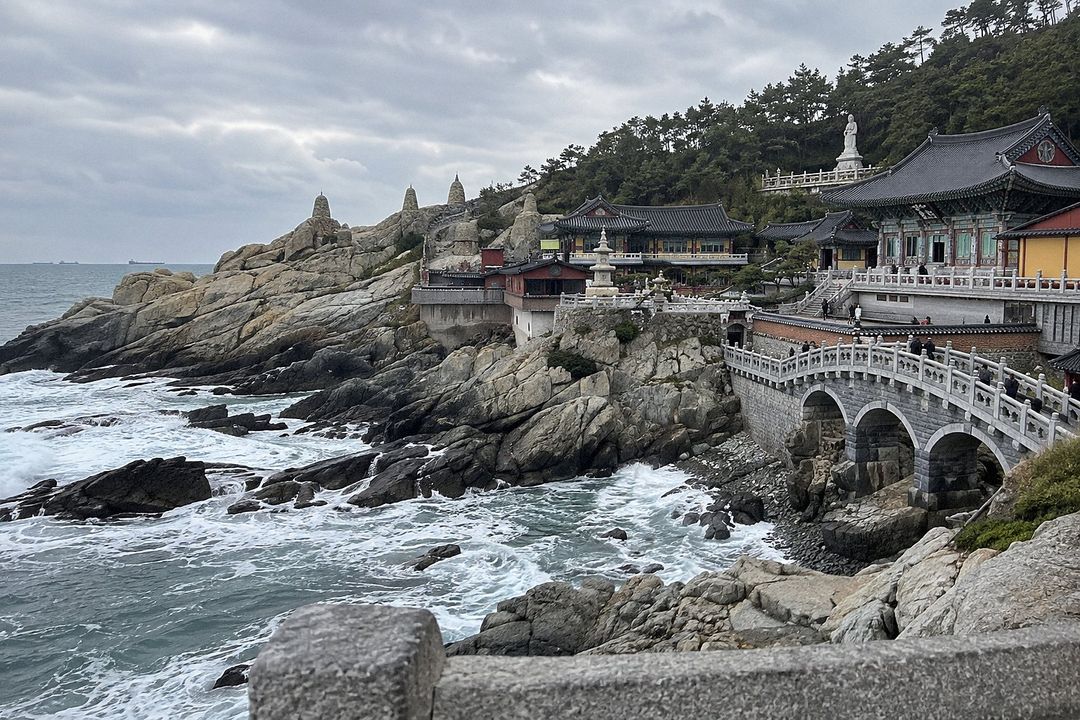
Haedong Yonggungsa
A Buddhist temple built on rocks at the water's edge, unusual in a country where most temples sit in the mountains.
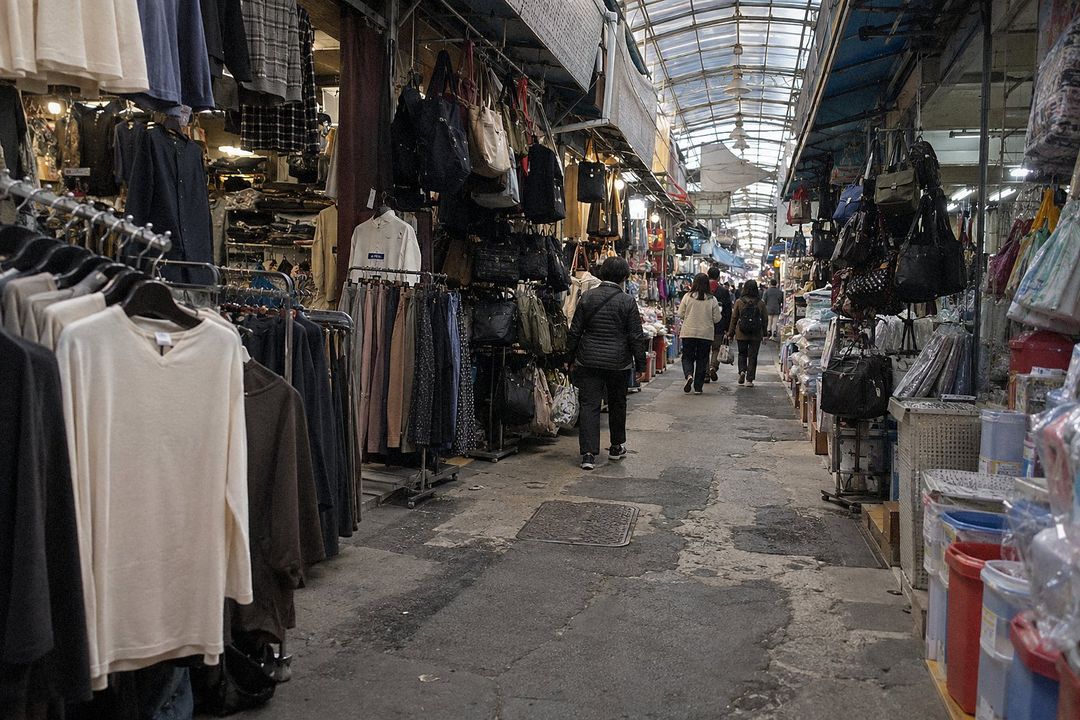
Gukje Market
A sprawling postwar market of covered alleys selling clothes, kitchenware and street snacks.
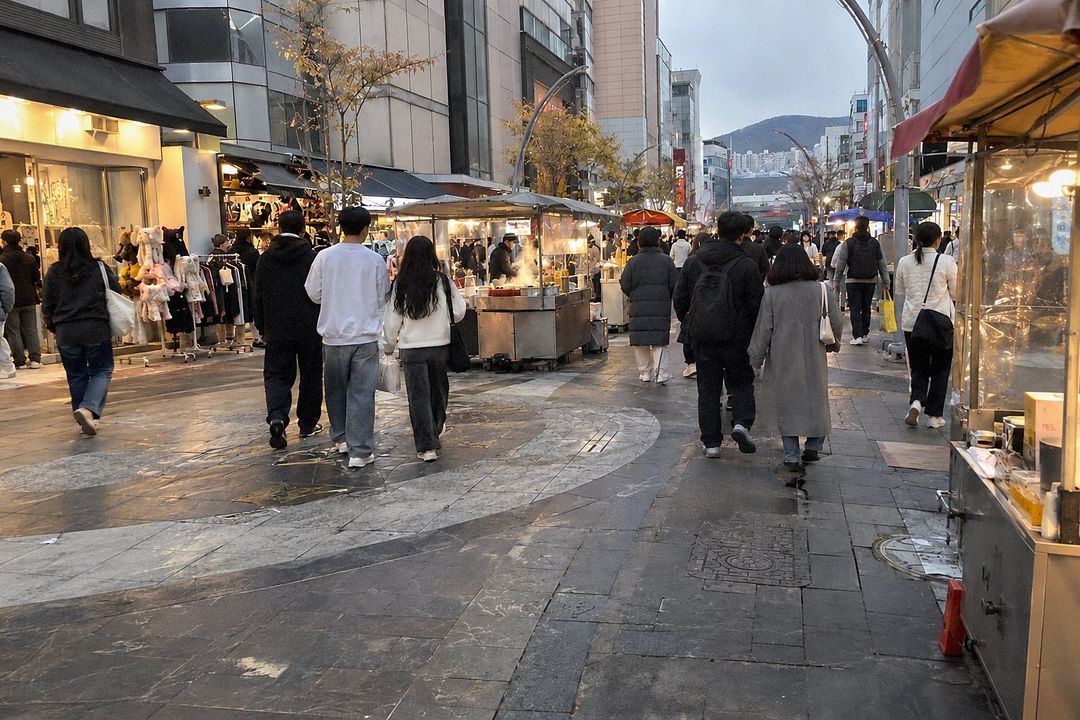
BIFF Square
Pedestrian street tied to the Busan International Film Festival, now best known for its street-food carts.
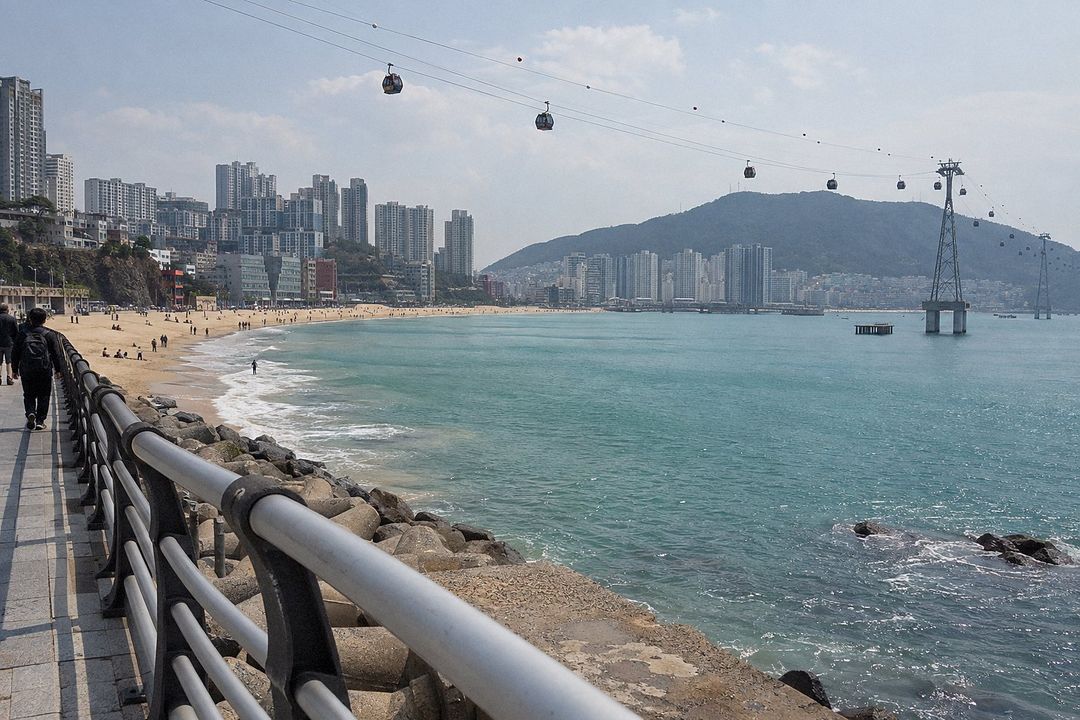
Songdo Beach and Cable Car
Busan's first public beach, crossed by a sea cable car and a curving skywalk over the water.
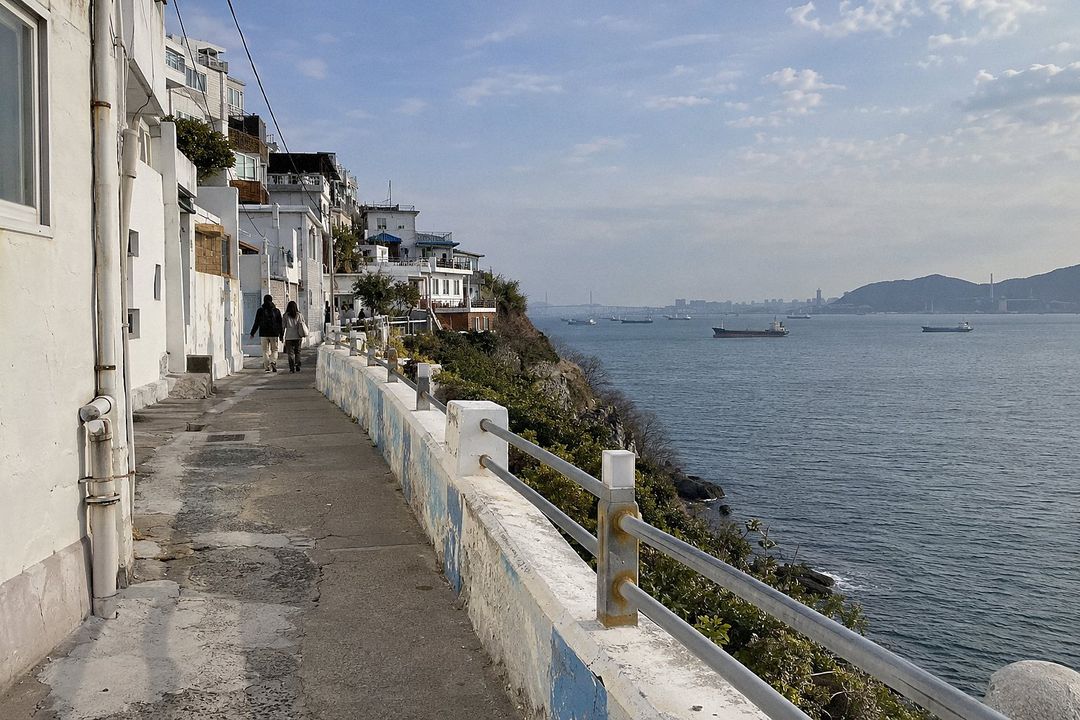
Huinnyeoul Culture Village
A cliffside lane of white houses and cafes on Yeongdo, looking straight out over anchored cargo ships.
Getting there
| From → to | How | Time | Notes |
|---|---|---|---|
| Seoul Station → Busan | KTX | about 2 h 20 min – 3 h | The fastest services take about 2 h 20 min; most trains take 2 h 30 min to 3 h. |
| Gimpo Airport (Seoul) → Gimhae Airport (Busan) | Domestic flight | about 1 h 5 min | Flight time only; allow for airport transfers at both ends. |
| Gyeongju (Singyeongju) → Busan | KTX | about 30 min |
Times are typical fastest scheduled journeys. For rail passes see KORAIL PASS; for an overview see getting around Korea.
Sources
Facts on this page were checked against these sources on 2 October 2026. Prices, hours and rules change — confirm with the operator before you go.
- Visit Busan (Busan Tourism Organization, English) · official
- 부산스마트관광 Visit Busan (Korean) (Korean) · official
- 코레일 승차권 예매 (Korail ticketing and timetables) (Korean) · official
- 서울역 → 부산역 열차 시간표 (timetable aggregator) (Korean)
- 서울이 부산보다 멀리 있는데 왜 제주행 비행시간은 비슷할까? (Daum news, flight times) (Korean)