History & Religion
Temples
Updated
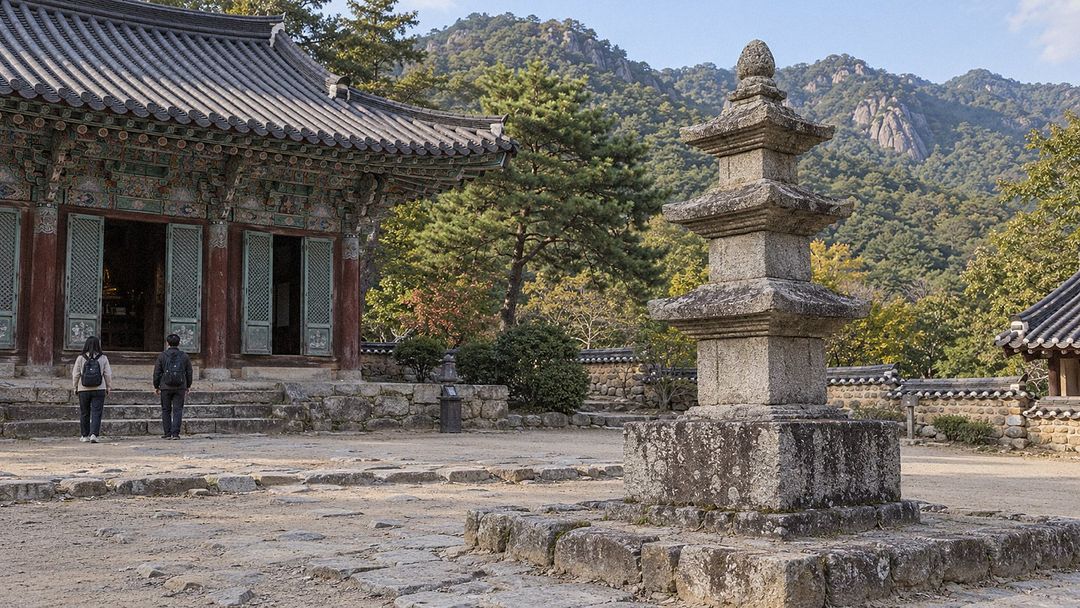
Buddhism reached the Korean peninsula in the fourth century and was the state religion of the Silla and Goryeo kingdoms, so the oldest and finest temples date back more than a thousand years. Most traditional monasteries sit in the mountains, approached along a valley through a sequence of gates, with the main hall, stone pagodas and lantern-hung courtyards at the top. In the cities, temples such as Jogyesa in central Seoul and Bongeunsa opposite the COEX towers are busy, working places of worship.
The essential temple destination is Gyeongju, the old Silla capital, where Bulguksa and the Seokguram grotto are inscribed together on the UNESCO World Heritage list. Seven mountain monasteries across the south of the country were added to the list in 2018 as the Sansa group, and Haeinsa’s woodblock storage halls have been listed since 1995. In Busan, Haedong Yonggungsa stands unusually on the rocks above the sea.
Temples are at their most colourful in the weeks before Buddha’s Birthday in spring, when they are hung with lanterns, and in autumn, when the mountain valleys turn red — see our autumn leaves report. For royal sites, see palaces.
Book your trip
Best temples in Korea
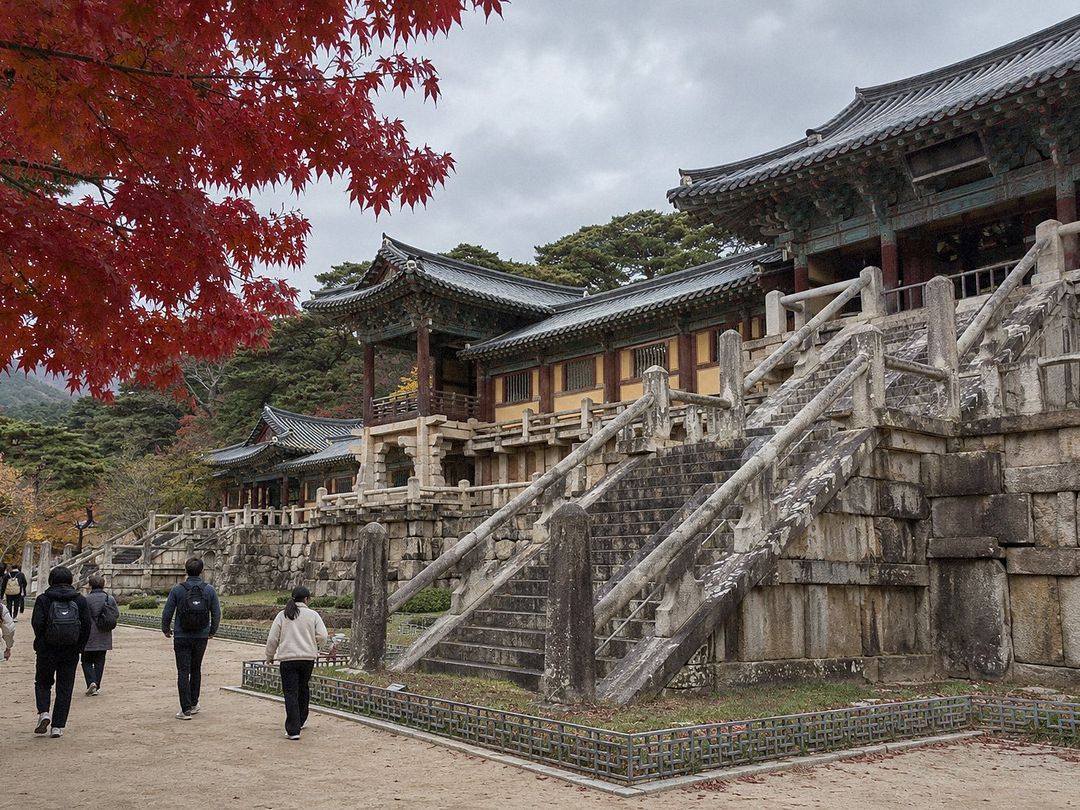
Bulguksa Temple 불국사
Korea's most celebrated temple, with Silla-era stone stairways, bridges and the twin pagodas Dabotap and Seokgatap.
Gyeongju · Gyeongsang ·
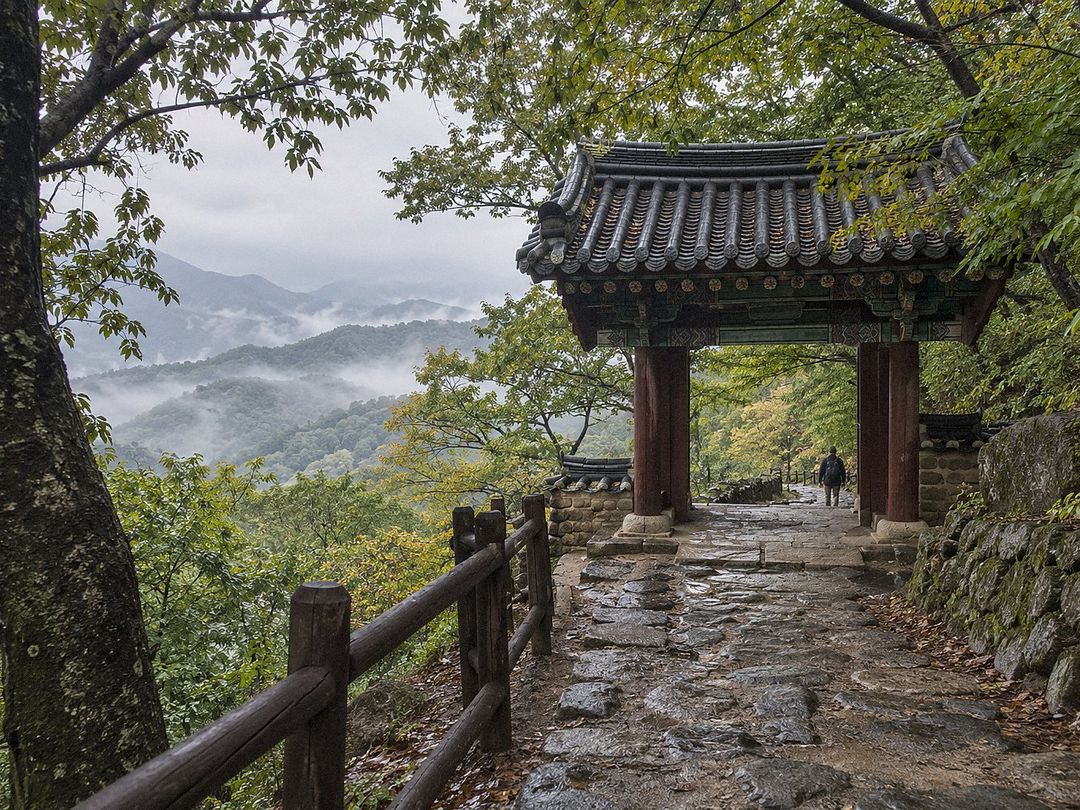
Seokguram Grotto 석굴암
A granite Buddha in an artificial cave grotto high on Tohamsan, viewed through glass; reach it by bus or a mountain trail.
Gyeongju · Gyeongsang ·
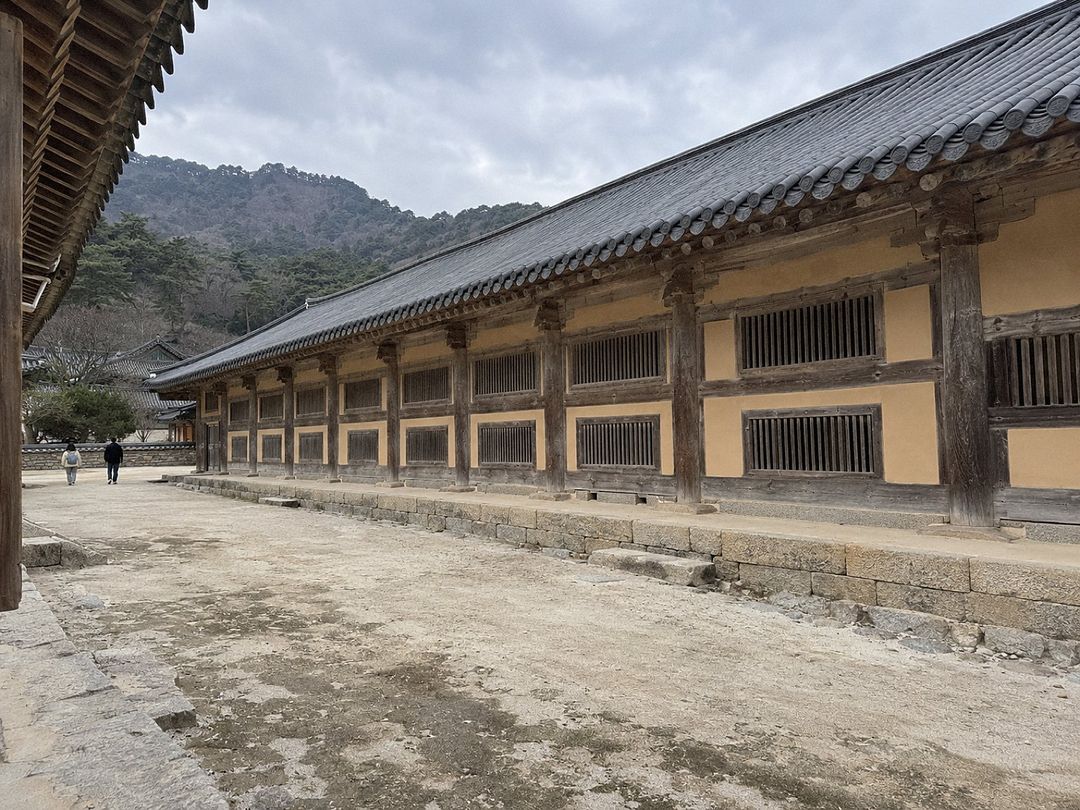
Haeinsa Temple 해인사
Mountain monastery on Gayasan holding the Tripitaka Koreana woodblocks; its storage halls, Janggyeong Panjeon, are a UNESCO World Heritage site.
Hapcheon · Gyeongsang ·
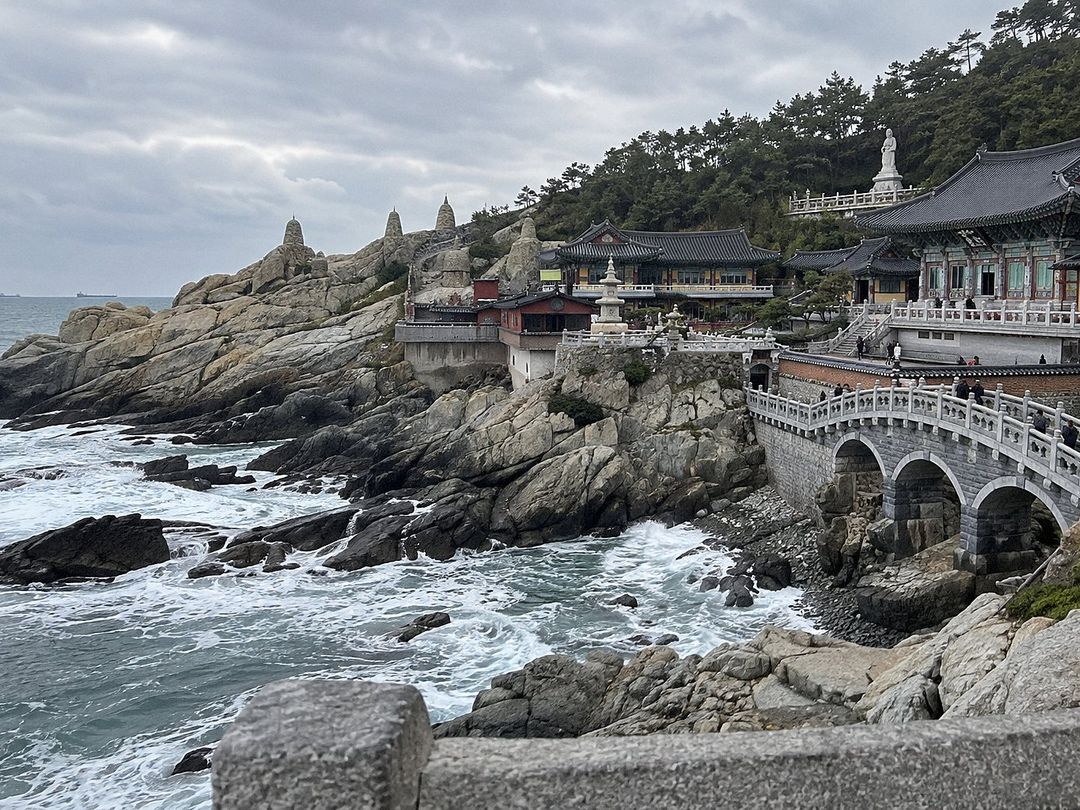
Haedong Yonggungsa 해동용궁사
A Buddhist temple built on rocks at the water's edge, unusual in a country where most temples sit in the mountains.
Busan · Busan ·
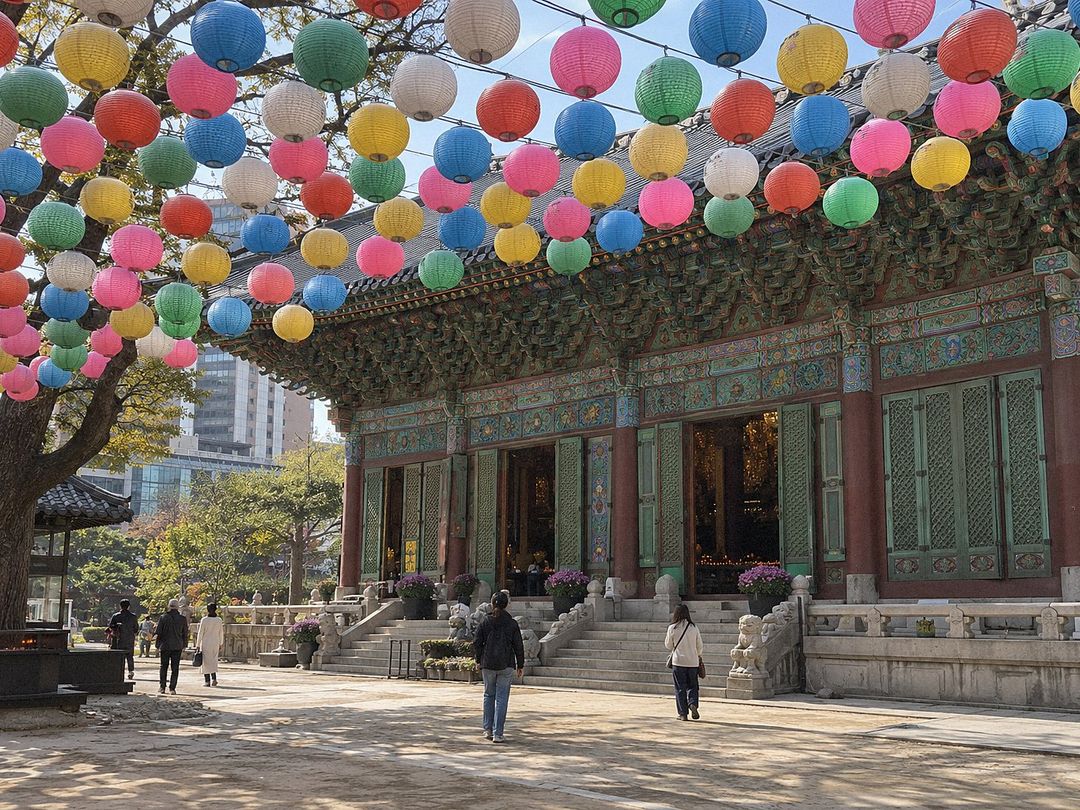
Jogyesa Temple 조계사
The head temple of Korea's largest Buddhist order, right in the city center and decked with thousands of lanterns before Buddha's Birthday.
Seoul · Seoul ·
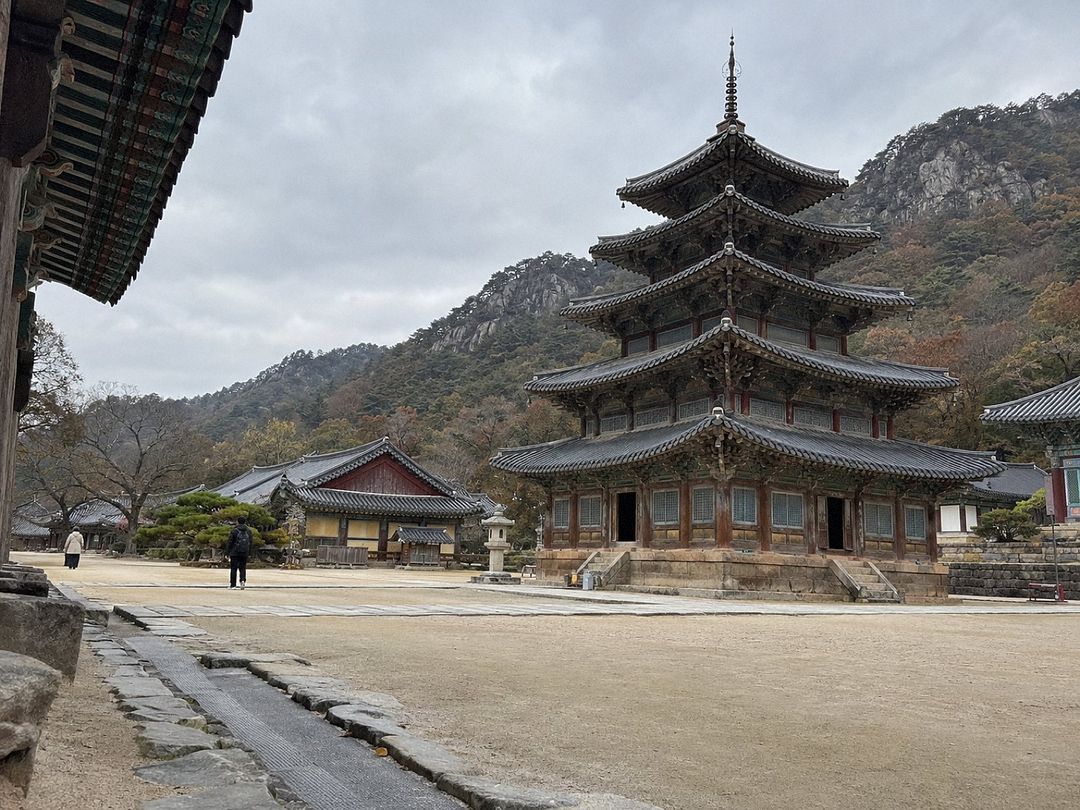
Beopjusa Temple 법주사
Monastery in Songnisan National Park with Korea's only surviving five-storey wooden pagoda; part of the UNESCO Sansa listing.
Boeun · Chungcheong ·
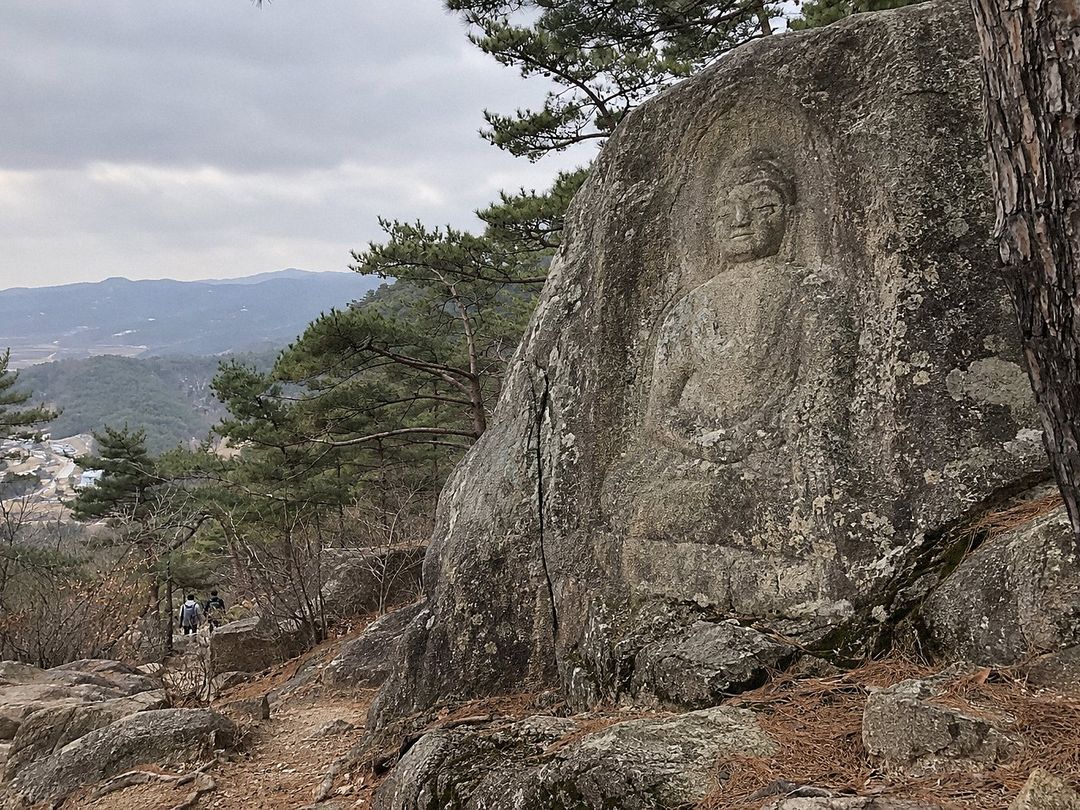
Gyeongju Namsan 경주 남산
A sacred mountain dotted with Buddhist rock carvings, stone pagodas and temple sites, explored on well-marked hiking trails.
Gyeongju · Gyeongsang ·
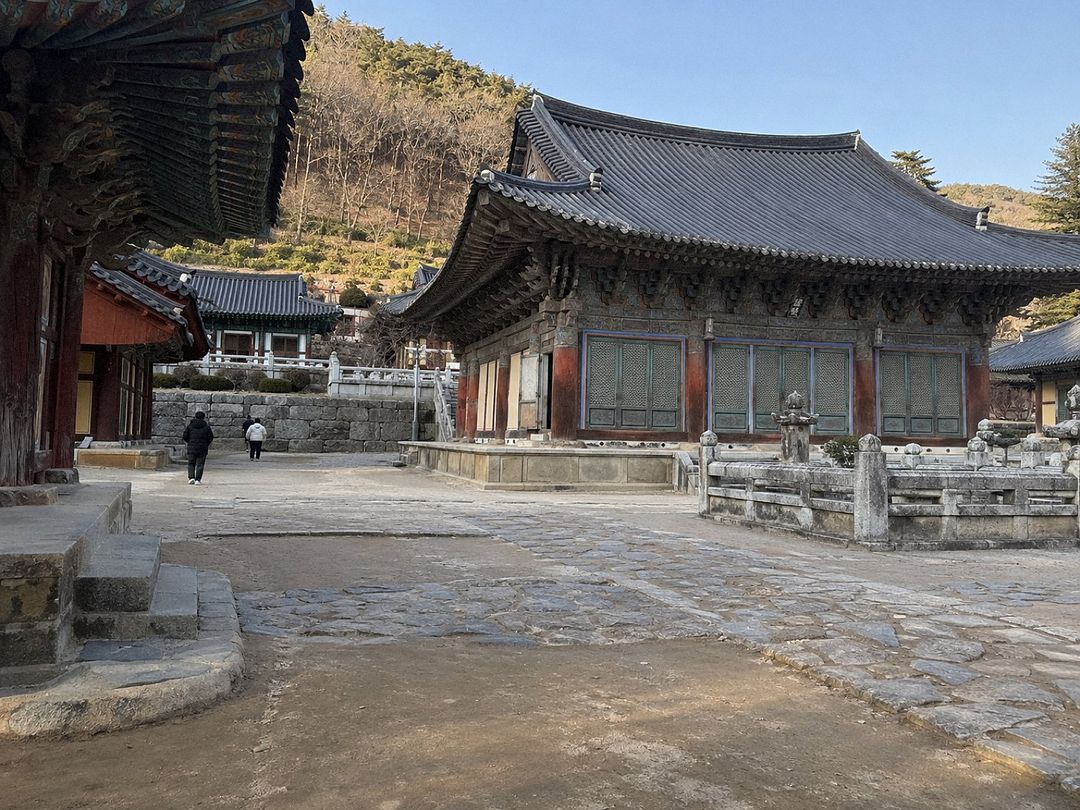
Tongdosa Temple 통도사
One of Korea's great monasteries, enshrining relics of the Buddha, and one of the seven Sansa mountain monasteries on the UNESCO list.
Yangsan · Gyeongsang ·
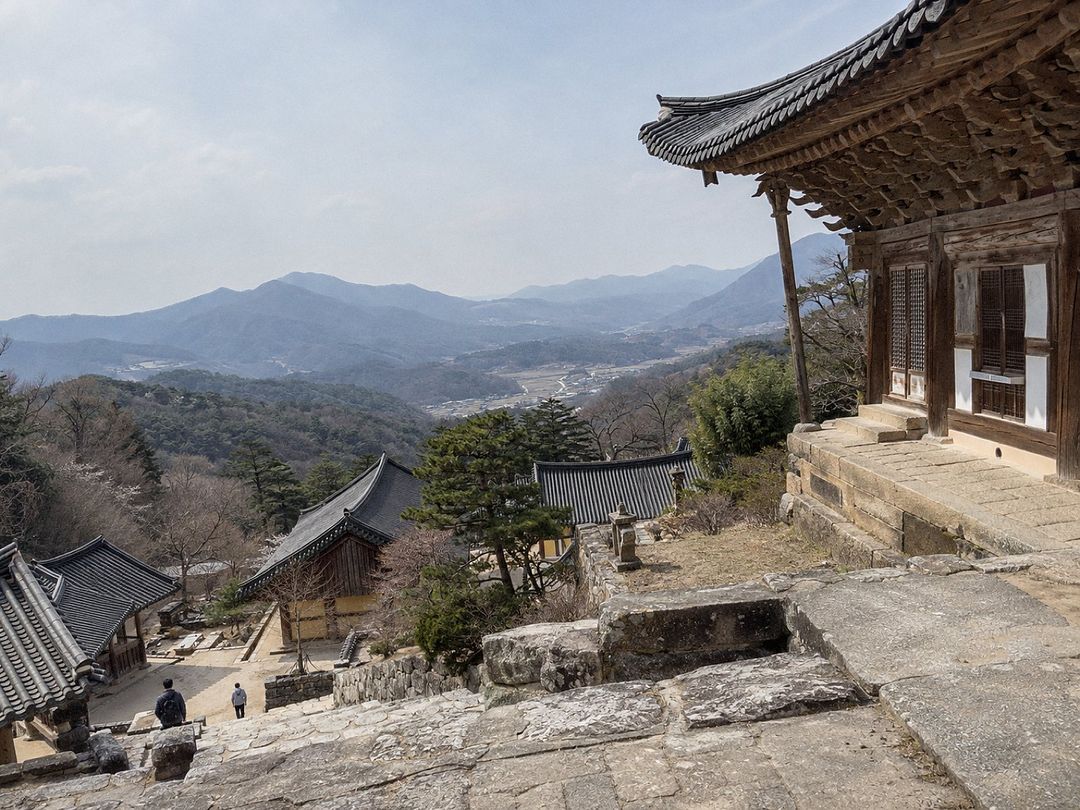
Buseoksa Temple 부석사
Hillside monastery with one of Korea's oldest wooden halls and wide mountain views; one of the seven UNESCO-listed Sansa.
Yeongju · Gyeongsang ·
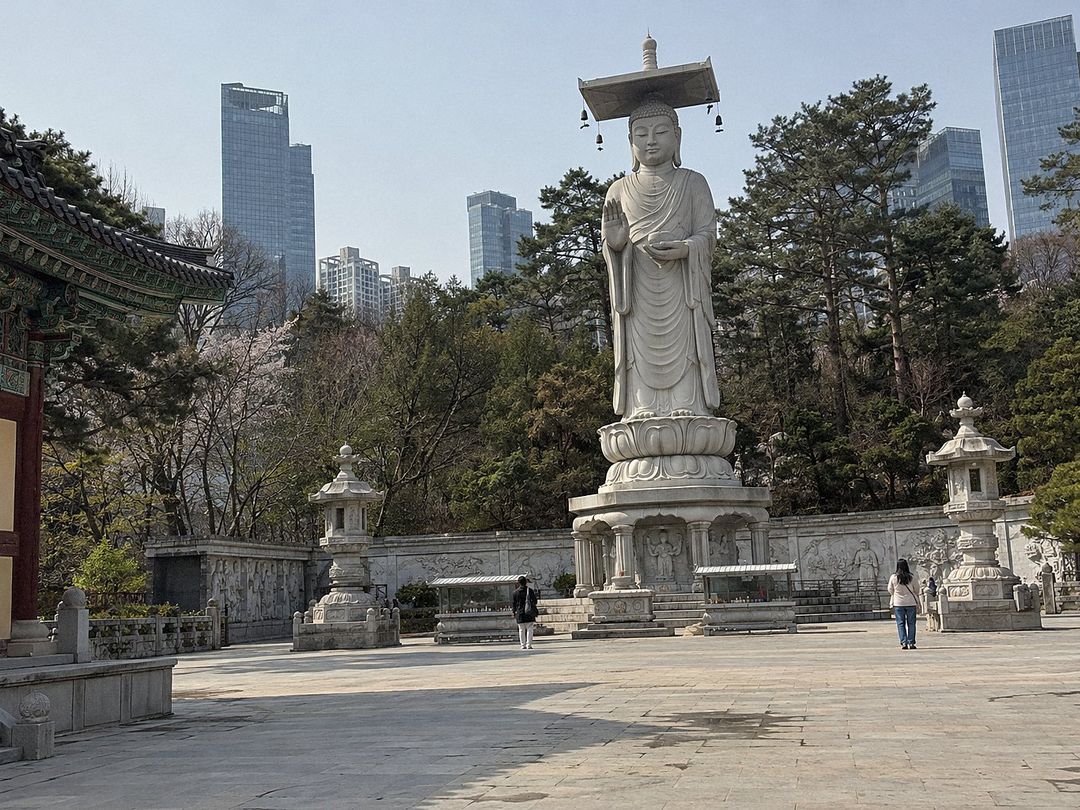
Bongeunsa Temple 봉은사
A historic Buddhist temple facing the COEX towers, with a giant standing Buddha statue and a temple stay program.
Seoul · Seoul ·
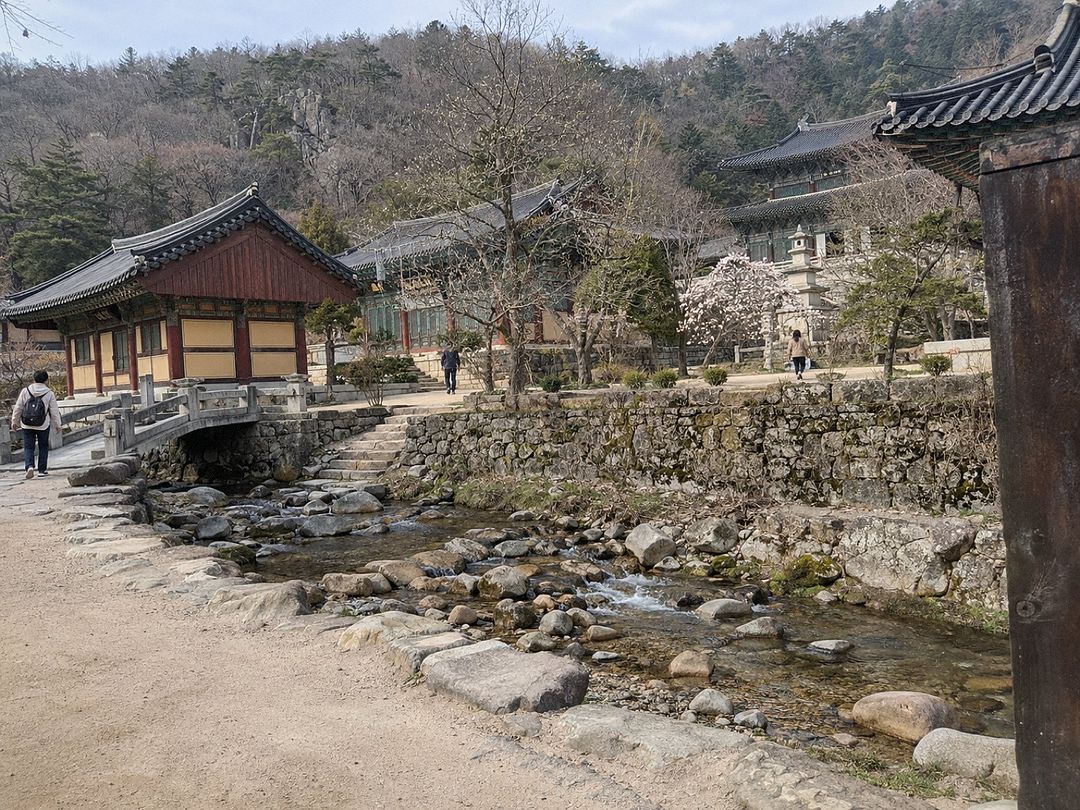
Magoksa Temple 마곡사
Riverside monastery near Gongju split into two precincts by a stream; one of the seven UNESCO-listed Sansa.
Gongju · Chungcheong ·
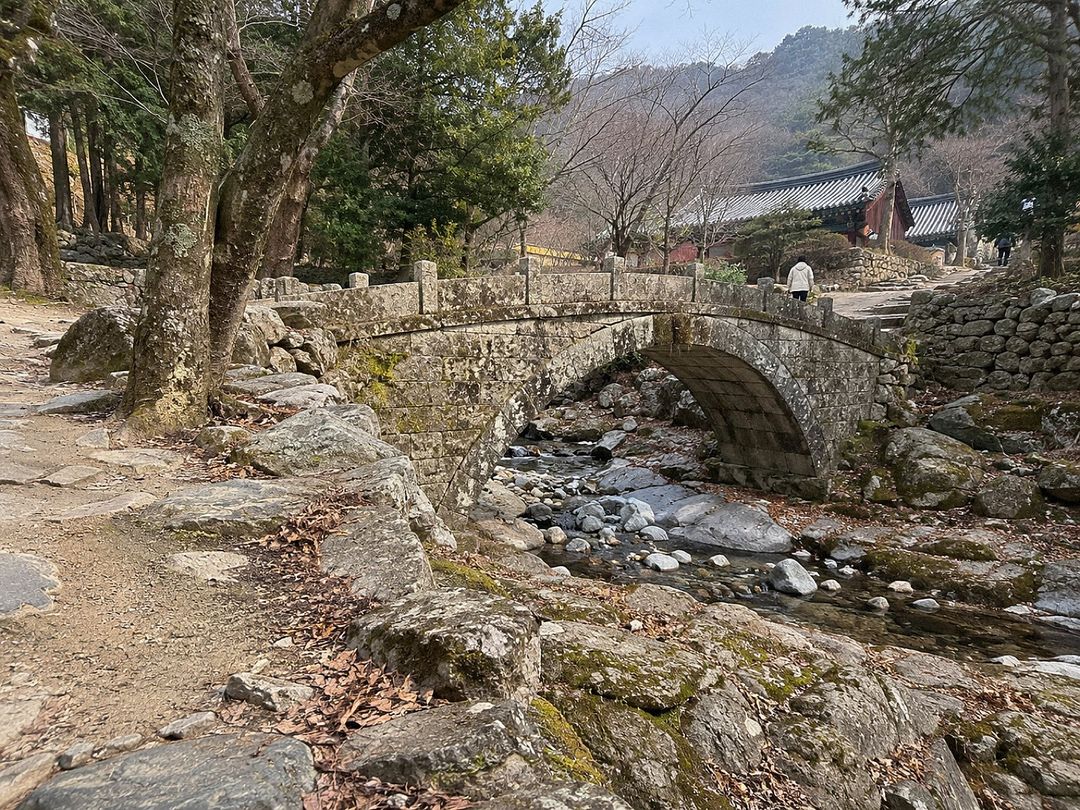
Seonamsa Temple 선암사
Monastery on Jogyesan reached over a stone arched bridge, known for its old trees and gardens; part of the UNESCO Sansa listing.
Suncheon · Jeolla ·
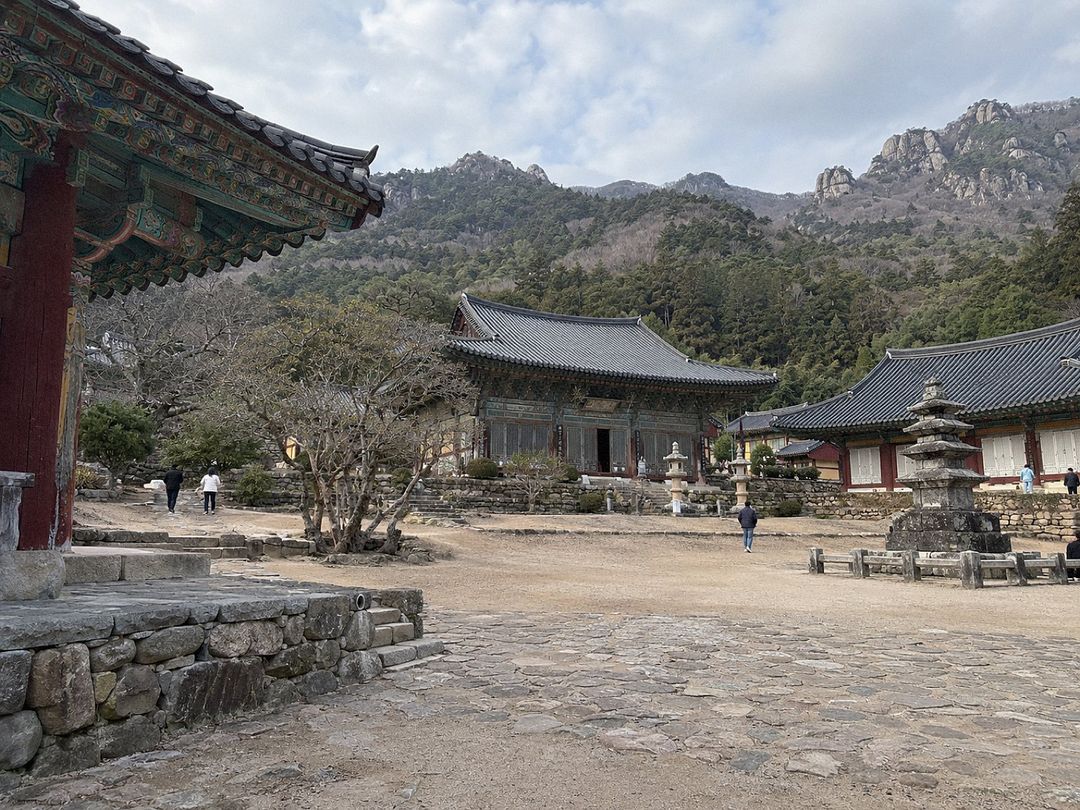
Daeheungsa Temple 대흥사
Monastery in the far south-west on Duryunsan, the southernmost of the seven UNESCO-listed Sansa.
Haenam · Jeolla ·
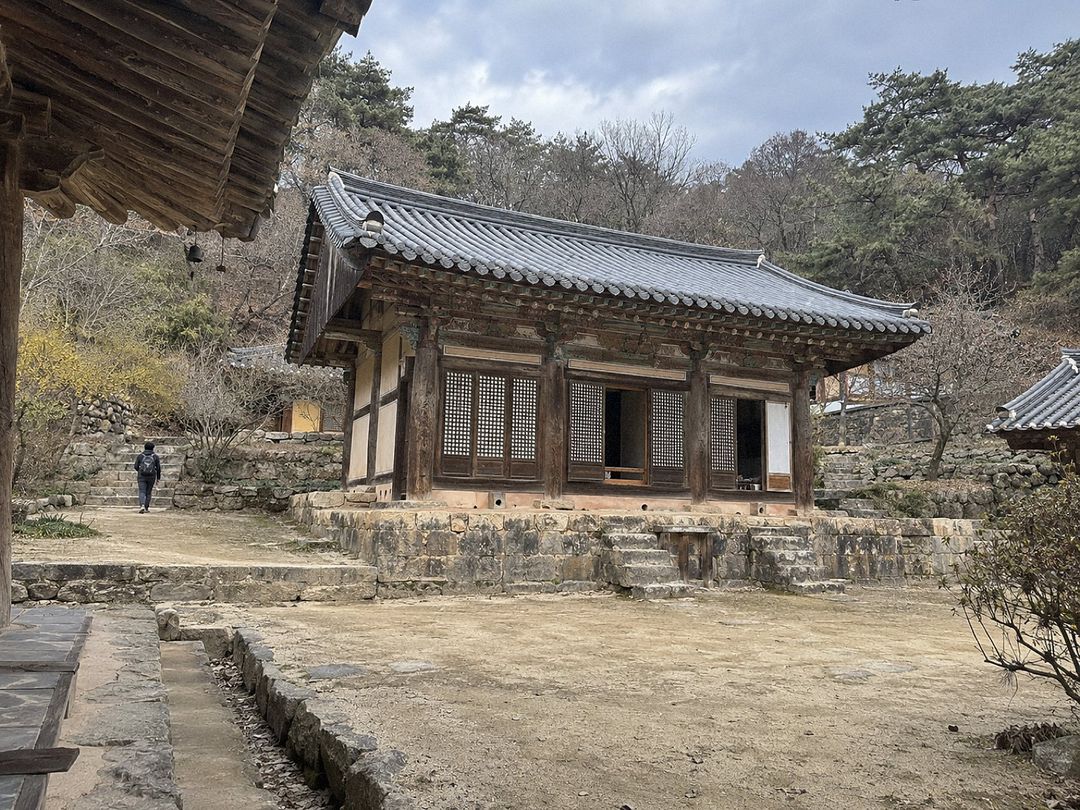
Bongjeongsa Temple 봉정사
Small monastery near Andong whose Geungnakjeon hall is among the oldest wooden buildings in Korea; part of the UNESCO Sansa listing.
Andong · Gyeongsang ·
Frequently asked questions
Can visitors stay overnight at a Korean temple?
Yes. Many temples take part in the Templestay programme run by the Cultural Corps of Korean Buddhism, with overnight and day programmes; availability and booking are on templestay.com.
What are the Sansa mountain monasteries?
Seven mountain monasteries — Tongdosa, Buseoksa, Bongjeongsa, Beopjusa, Magoksa, Seonamsa and Daeheungsa — inscribed together on the UNESCO World Heritage list in 2018 as 'Sansa, Buddhist Mountain Monasteries in Korea'.
What should I wear and how should I behave at a temple?
Temples are active places of worship. Dress modestly, keep your voice down, take your shoes off before entering a hall, and avoid walking through the central doorway of the main hall, which is reserved for monks.
Sources
Facts on this page were checked against these sources on 2 October 2026. Prices, hours and rules change — confirm with the operator before you go.