Culture & Tradition
Craft places
Updated
For crafts on a first trip, spend an afternoon around Anguk Station in Seoul: the free Seoul Museum of Craft Art (closed Mondays) is 60 m from Exit 1, and Insadong’s craft shops start across the road. For a hands-on class, Icheon, south-east of Seoul on the Gyeonggang Line, is the pottery town; in Jeonju, try hanji paper.
Korean crafts are mostly the things people used at home: celadon and white porcelain, hanji paper made from mulberry bark, lacquer inlaid with mother-of-pearl (najeon), wooden furniture, embroidery, knotwork and fine ramie cloth. You can see the best of them in a museum, buy contemporary pieces by named makers, or make something in a short class. The places below are sorted by that choice.
Which craft place fits your trip
| Your situation | Do this |
|---|---|
| One afternoon in Seoul | Seoul Museum of Craft Art (free), then walk down Insadong |
| Buying a gift made by a Korean artisan | The KCDF Gallery shop on Insadong 11-gil, or the craft museum’s shop |
| A short hands-on class in Seoul | Bukchon Traditional Craft Experience Center in Bukchon (paid classes, free entry) |
| Making your own pottery | A day in Icheon: a class at Cerapia, then the studios of Yespark |
| Staying a night in Jeonju | Hanji crafts in the hanok village and the National Intangible Heritage Center |
| Passing through Andong | The free Hahoe World Mask Museum at the Hahoe ticket office |
| It is a Monday | Most craft museums close; Insadong’s shops and the Bukchon centre stay open |
If you have only half a day, stay in Seoul. Icheon is worth the trip only if you want to make or buy ceramics.
Seoul craft places: fees and hours in 2026
| Place | Fee | Open | Closed | Getting there |
|---|---|---|---|---|
| Seoul Museum of Craft Art | Free | 10:00–18:00; Exhibition Building 1 to 21:00 except Thu, until 30 Nov 2026; last entry 30 min before closing | Mondays (open on public-holiday Mondays), 1 Jan | Anguk Station (Line 3), Exit 1, 60 m |
| KCDF Gallery | Free | Galleries 10:00–18:00; shop 10:00–19:00 | Mondays, Seollal and Chuseok days | Anguk Station Exit 6 or Jonggak Station (Line 1) Exit 3-1, about 10 min |
| Bukchon Traditional Craft Experience Center | Free entry; classes paid | 10:00–18:00 Mar–Oct, 10:00–17:00 Nov–Feb | No weekly closing day listed | Anguk Station Exit 2, about 12 min |
| Korea Furniture Museum | ₩20,000, guided tour only, book ahead | Tours from 11:00; English tours 14:00–17:00 on the hour | Sundays, Seollal and Chuseok | Seongbuk-dong, 121 Daesagwan-ro |
From each place’s official website, checked 26 October 2026. The craft museum and the KCDF gallery are both free and a short walk apart, so they make one easy outing. Keep Mondays for Insadong’s shops. The Korea Furniture Museum’s own pages disagree on whether it also closes on Mondays, so confirm when you book.
Seoul Museum of Craft Art and Insadong
The Seoul Museum of Craft Art opened in July 2021 as Korea’s first public craft museum, in five buildings of the former Pungmun Girls’ High School at Anguk. Its galleries cover the whole range, from Joseon embroidery and wrapping cloths (bojagi) to ceramics, lacquer, metal and modern studio craft, and it has a museum shop. Entry is free; only some rental exhibitions charge. Until 30 November 2026 the main exhibition building stays open until 21:00 on most evenings, a useful plan after a palace day at Gyeongbokgung or Changdeokgung.
From the museum, cross to Insadong, Seoul’s old street of brush, paper, ceramics and antique shops. Many of the cheap souvenirs on the main street are mass-produced. For signed work by Korean makers, go to the KCDF Gallery, run by the government’s craft and design foundation, on Insadong 11-gil: free exhibitions and a 1st-floor gallery shop that stays open until 19:00. Ssamziegil, a multi-level complex on the main street, is full of small craft and design shops.
Craft classes in Bukchon and the Korea Furniture Museum
In the lanes of Bukchon, the Bukchon Traditional Craft Experience Center is a district-run centre where artisans show their work and teach short classes. Entry is free and classes are paid; the programme and prices change, so check the Seoul Hanok Portal or ask on arrival. Bukchon is a residential area with visiting hours and rules for tourists; see hanok villages before you go.
The Korea Furniture Museum in Seongbuk-dong shows Joseon-era wooden furniture. It can only be visited on a booked guided tour of about an hour, ₩20,000 per person, with English tours on the hour from 14:00 to 17:00. It is a quiet, expensive visit that suits design and architecture lovers more than a first-time sightseer.
Pottery near Seoul: Icheon, Gwangju and Yeoju
Three towns south-east of Seoul on the Gyeonggang Line have made ceramics for centuries: Icheon, Gwangju (in Gyeonggi, not the city in Jeolla) and Yeoju. The Korea Ceramic Foundation runs a museum in each.
- Icheon Yespark. A ceramics village in Sindun-myeon with 187 registered studios and shops. Many potters sell straight from their workshops, and some teach wheel throwing, but hours and prices are set by each studio. Sindundoyechon Station on the Gyeonggang Line serves the area. The Icheon Ceramic Festival is held here each spring; in 2026 it ran from 24 April to 5 May.
- Icheon Cerapia. The foundation’s ceramic art museum in Icheon, open 10:00–18:00 Tuesday to Sunday. Its studio runs two classes: plate-making (90 minutes, age 8+, ₩35,000 adults, ₩25,000 students, ₩55,000 for a family of three) and hand-painting (60 minutes, age 5+). Book by phone or join if places are left. Finished pieces are fired and ready about 45 days later, so ask about shipping before you start.
- Gyeonggi Ceramic Museum. The history of Korean ceramics in Gonjiam Ceramic Park, Gwangju, open 10:00–18:00 Tuesday to Sunday. Entry to the park is free. From Gonjiam Station take bus 300, 114, 500-1 or 1113-1; bus 500-1 also runs direct from Jamsil.
- Yeoju Dojasesang. The foundation’s living-ceramics museum in Yeoju, free outside the Biennale and closed on Mondays.
Icheon makes a full day trip. Allow a morning for a class at Cerapia and an afternoon browsing Yespark’s studios.
Hanji and living heritage in Jeonju
Jeonju is known for hanji, paper made from mulberry bark, and its hanok village has several places to make things with it. The Jeonju Traditional Hanji Center on Hanji-gil runs hanji craft sessions from ₩7,000 that take 40 minutes to an hour. The city’s Craft Exhibition Hall on Taejo-ro, the village’s main street, displays about 800 local crafts and runs fan, hanji and mother-of-pearl craft activities, some free, Tuesday to Sunday 10:00–18:00.
The National Intangible Heritage Center, on the edge of the hanok village and on the village shuttle route, is the national home of Korea’s living heritage, from crafts to music and dance. Its two permanent galleries are free, open 09:30–17:30, and closed on Mondays and 1 January; they cover Korea’s intangible heritage, crafts included, and temporary shows feature work by the master artisans the state recognises. The Jeonju Hanji Culture Festival is held each October (8–10 October in 2026).
Crafts beyond Seoul
- Hahoe World Mask Museum, Andong. Masks from Korea and around the world at the Hahoe village ticket office; free. Time it with the village’s mask-dance performance. See Andong.
- Gangjin Celadon Museum, South Jeolla. Goryeo celadon in the county where it was made, with a studio and a sales shop. ₩2,000 for adults, 09:00–18:00, closed on Mondays (the next weekday if Monday is a holiday). The Gangjin Celadon Festival is held in late winter. See Jeolla.
- Hansan Mosi Museum, Seocheon. Fine ramie cloth (mosi), woven by hand in Hansan. Free, 10:00–18:00 March to October and 10:00–17:00 November to February, closed only on Seollal and Chuseok. Phone a week ahead to book a weaving or craft session. See Chungcheong.
- Tongyeong Traditional Crafts Hall. Mother-of-pearl lacquerware is the port town’s signature craft, and this hall on Donam-ro shows and sells it. Free, closed over the Seollal and Chuseok holidays; its listed hours differ between sources, so check before you go. See Gyeongsang.
Tips for buying and making crafts
- Look for the maker’s name. Signed pieces in gallery shops cost more but are made in Korea; cheap street souvenirs often are not.
- Plan for fragile parcels. Ceramics travel best in your carry-on. If you take a pottery class, the piece is fired weeks later and must be collected or shipped.
- Check the closing day. Most craft museums close on Mondays, and the Korea Furniture Museum on Sundays.
- Holidays. Almost everything closes on the main days of Seollal and Chuseok.
- Pair crafts with heritage. Insadong sits between the palaces, and Jeonju’s craft halls are inside the hanok village. For more indoor ideas, see museums.
Book your trip
Best craft places in Korea
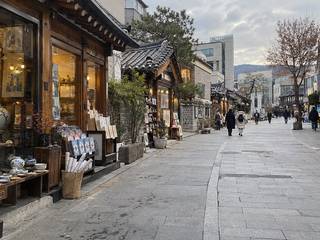
Insadong 인사동
A pedestrian-friendly street of craft and antique shops, tea houses and galleries, good for souvenirs such as hanji paper and ceramics.
Seoul · Seoul ·
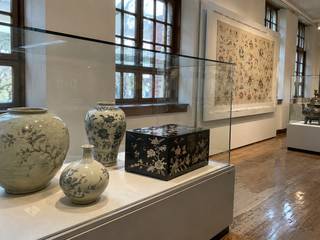
Seoul Museum of Craft Art 서울공예박물관
Korea's first public craft museum, in a former girls' school next to Anguk Station: ceramics, embroidery, lacquer and metalwork; free, closed Mondays.
Seoul · Seoul ·
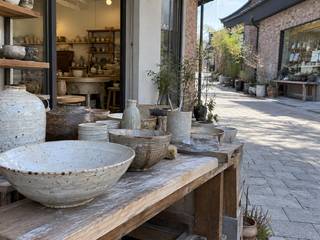
Icheon Yespark 이천도자예술마을 예스파크
A ceramics village of 187 registered studios and shops in Sindun-myeon, Icheon, where many potters sell from their workshops and some offer wheel classes.
Icheon · Gyeonggi & Incheon ·
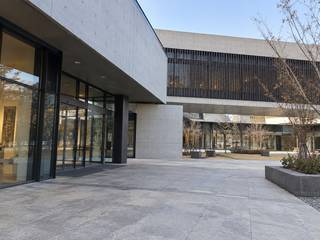
National Intangible Heritage Center 국립무형유산원
The national centre for living heritage beside Jeonju's hanok village, with free permanent galleries on Korea's living heritage, crafts included; closed Mondays and 1 January.
Jeonju · Jeolla ·
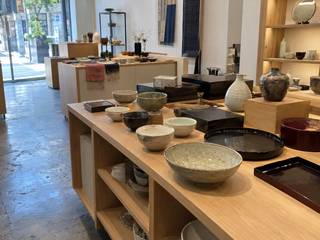
KCDF Gallery KCDF 갤러리
The national craft foundation's gallery on Insadong 11-gil, with a ground-floor shop of work by Korean makers; free, Tuesday to Sunday.
Seoul · Seoul ·
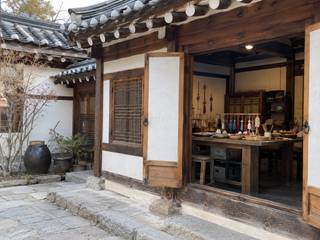
Bukchon Traditional Craft Experience Center 북촌전통공예체험관
A district-run centre on Bukchon-ro 12-gil where artisans show their work and run short paid craft classes; entry free, about 12 minutes from Anguk Station Exit 2.
Seoul · Seoul ·
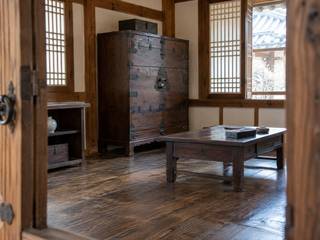
Korea Furniture Museum 한국가구박물관
Joseon-era wooden furniture in Seongbuk-dong, seen only on a booked guided tour (English 14:00–17:00 on the hour); ₩20,000, closed Sundays.
Seoul · Seoul ·
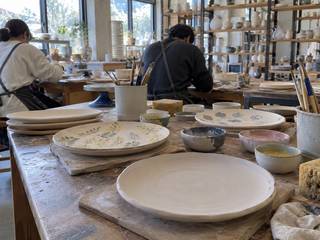
Icheon Cerapia 이천세라피아
Gyeonggi's ceramic art museum in Icheon, with a pottery studio running plate-making and hand-painting classes Tuesday to Sunday; closed Mondays.
Icheon · Gyeonggi & Incheon ·
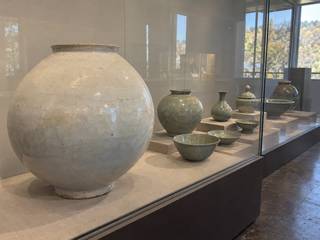
Gyeonggi Ceramic Museum 경기도자박물관
The history of Korean ceramics in Gonjiam Ceramic Park, a bus ride from Gonjiam Station on the Gyeonggang Line; Tuesday to Sunday 10:00–18:00, park free.
Gwangju (Gyeonggi) · Gyeonggi & Incheon ·
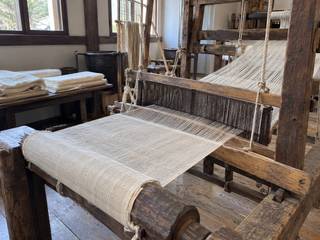
Hansan Mosi Museum 한산모시관
The museum of Hansan's fine hand-woven ramie cloth, with paid craft sessions booked by phone; free, open daily except Seollal and Chuseok.
Seocheon · Chungcheong ·
Jeonju Craft Exhibition Hall 전주공예품전시관
City-run hall for hanji paper, fans and other local crafts on Taejo-ro, the main street of the village; Tue–Sun 10:00–18:00.
Jeonju · Jeolla ·
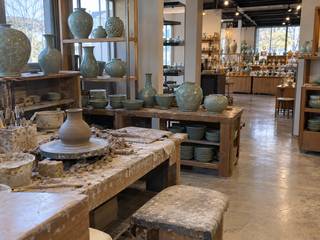
Gangjin Celadon Museum 고려청자박물관
Goryeo celadon in the county where it was made, with a celadon-making studio and shop; ₩2,000, 09:00–18:00, closed Mondays.
Gangjin · Jeolla ·
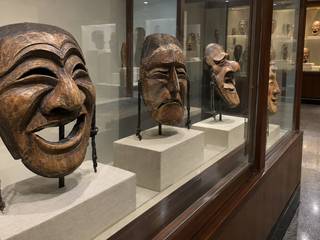
Hahoe World Mask Museum 하회세계탈박물관
Masks from Korea and around the world beside the Hahoe ticket office; free, 09:30–18:00.
Andong · Gyeongsang ·
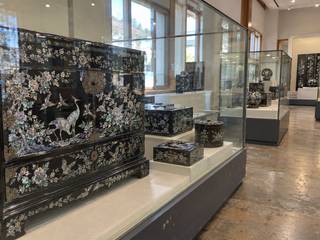
Tongyeong Traditional Crafts Hall 통영전통공예관
Mother-of-pearl lacquerware and other crafts of the port town Tongyeong, on Donam-ro; free, closed over the Seollal and Chuseok holidays.
Tongyeong · Gyeongsang ·
Frequently asked questions
Where can I buy traditional Korean crafts in Seoul?
Start at Insadong. The KCDF Gallery shop on Insadong 11-gil sells work by Korean makers (Tuesday to Sunday 10:00–19:00), and the main street and Ssamziegil have many craft and souvenir shops. The Seoul Museum of Craft Art shop next to Anguk Station is another good stop.
Is the Seoul Museum of Craft Art free?
Yes. Entry is free, except for some paid rental exhibitions. It is open 10:00–18:00 Tuesday to Sunday and closes on Mondays (it opens on public-holiday Mondays) and 1 January. Until 30 November 2026, Exhibition Building 1 stays open to 21:00 except on Thursdays.
Where can I try making pottery near Seoul?
Icheon is the classic place. Icheon Cerapia's studio runs a 90-minute plate-making class (₩35,000 adults, ₩25,000 students) and a 60-minute hand-painting class, Tuesday to Sunday. Pieces are fired and ready about 45 days later, so ask about shipping. Some workshops in nearby Yespark also teach the wheel.
When is the Icheon Ceramic Festival?
It is held in spring at Yespark. In 2026 it ran from 24 April to 5 May; the 2027 dates have not been announced. The Gyeonggi Ceramic Biennale, held every two years in Icheon, Gwangju and Yeoju, runs until 1 November 2026.
Can I try hanji paper crafts in Jeonju?
Yes. The Jeonju Traditional Hanji Center inside the hanok village runs hanji craft sessions from ₩7,000, taking 40 minutes to an hour. The city's Craft Exhibition Hall on Taejo-ro also runs fan, hanji and mother-of-pearl craft activities, Tuesday to Sunday 10:00–18:00.
Sources
Facts on this page were checked against these sources on 26 October 2026. Prices, hours and rules change — confirm with the operator before you go.
- 서울공예박물관 – 관람안내 (관람시간, 야간개관 확대, 휴관일, 관람료, 오시는 길) (Korean) · official
- Seoul Museum of Craft Art – Visitor information · official
- Seoul Museum of Craft Art – About the museum (opened July 2021) · official
- 한국공예·디자인문화진흥원 – KCDF 갤러리 오시는 길 (Korean) · official
- 한국공예·디자인문화진흥원 – KCDF 갤러리 이용안내 (전시장·갤러리숍 운영시간) (Korean) · official
- 한국공예·디자인문화진흥원 – KCDF 갤러리 대관·입장료 안내 (Korean) · official
- 서울한옥포털 – 북촌전통공예체험관 (운영시간, 입장 무료·체험 유료, 안국역 2번 출구) (Korean) · official
- 한국가구박물관 – 관람예약 (가이드 투어, 관람료, 휴관일) (Korean) · official
- 한국가구박물관 – 자주 묻는 질문 (휴관일) (Korean) · official
- 이천도자예술마을 예스파크 – 마을소개 (등록 상점 187곳) (Korean) · official
- 이천도자예술마을 예스파크 – 이천도자기축제 (2026.4.24.–5.5.) (Korean) · official
- 경기일보 – 이천도자기축제 4월 24일부터 5월 5일까지 (2026-03-12) (Korean)
- 한국도자재단 – 이천 세라피아 관람안내 (관람시간, 휴관일, 비엔날레 관람료) (Korean) · official
- 한국도자재단 – 토락교실 도자 체험 (접시만들기, 핸드페인팅, 요금, 소성 45일) (Korean) · official
- 한국도자재단 – 경기도자박물관 관람안내 (관람시간, 관람료, 비엔날레 기간) (Korean) · official
- 한국도자재단 – 광주 곤지암도자공원 오시는 길 (곤지암역, 버스) (Korean) · official
- 한국도자재단 – 여주 도자세상 (경기생활도자미술관) 관람안내 (Korean) · official
- 전주한옥마을 (전주시) – 문화시설 (전주공예품전시관) (Korean) · official
- 전주한옥마을 (전주시) – 전통문화 체험 (전주전통한지원 한지 체험) (Korean) · official
- 국립무형유산원 – 전시안내 (상설전시실 관람시간, 휴관일, 관람료) (Korean) · official
- 국립무형유산원 – 오시는 길 (한옥마을 셔틀버스 2코스) (Korean) · official
- 전주한옥마을 (전주시) – 주요 관광지 (국립무형유산원 이용시간, 관람료) (Korean) · official
- 전주한지문화축제 – 2026 제30회 (10.8–10.10, 한국전통문화전당) (Korean) · official
- 고려청자박물관 – 관람안내 (관람시간, 휴관일, 관람료) (Korean) · official
- 강진군 – 고려청자박물관 (이용시간, 휴관일, 관람료) (Korean) · official
- 서천군 한산모시관 – 관람안내 (관람시간, 휴무일, 관람료) (Korean) · official
- 통영시 – 통영전통공예관 (관람요금, 휴무일) (Korean) · official