History & Religion
Palaces
Updated
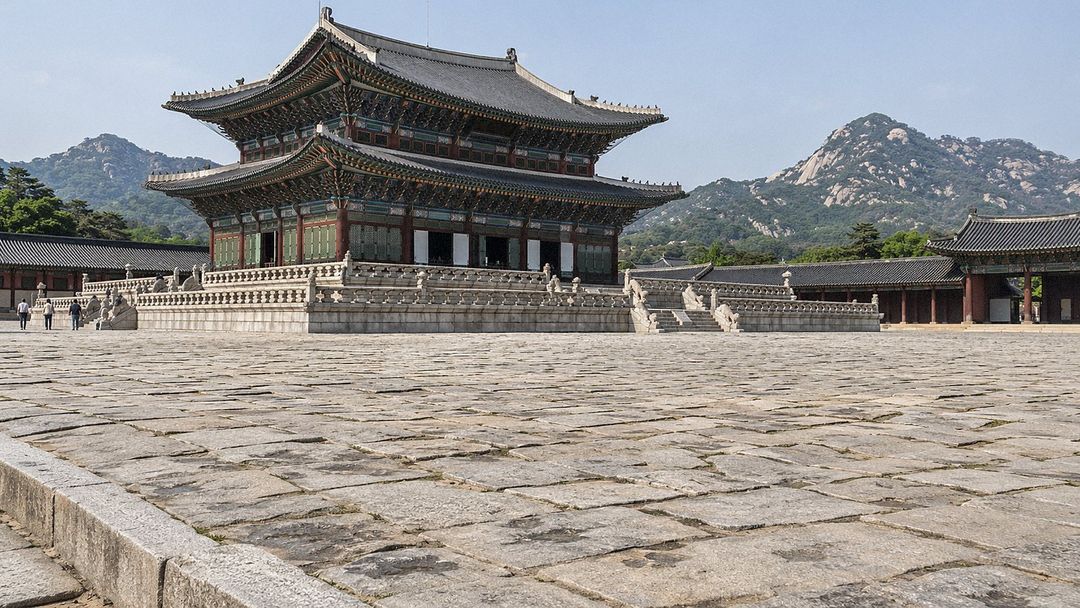
The Joseon dynasty ruled Korea from Seoul for five centuries (1392–1910), and its palaces are the country’s most visited historic sites. Five palaces survive in the centre of the capital, each with a different character: Gyeongbokgung, the main palace, laid out on a grand axis below Bugaksan; Changdeokgung, which follows the slopes of its site and hides the famous Secret Garden; Changgyeonggung, the quiet neighbour with a glasshouse and pond; Deoksugung, where traditional halls stand beside early twentieth-century stone buildings; and the small Gyeonghuigung.
Most palace buildings were damaged during the Japanese invasions of the 1590s and again during the colonial period, so much of what stands today is careful reconstruction based on historical records. Changdeokgung and the royal ancestral shrine Jongmyo are on the UNESCO World Heritage list. Outside Seoul, Gyeongju preserves the site of a Silla crown prince’s palace beside Wolji pond, and Suwon has the temporary palace King Jeongjo built inside his fortress.
Palaces are compact enough to see two in a day. They are especially attractive in spring and in late October to early November, when the courtyard trees turn — see our autumn leaves report. Start with Gyeongbokgung, the Jongno area of Seoul and the Seoul city guide.
Book your trip
Best palaces in Korea
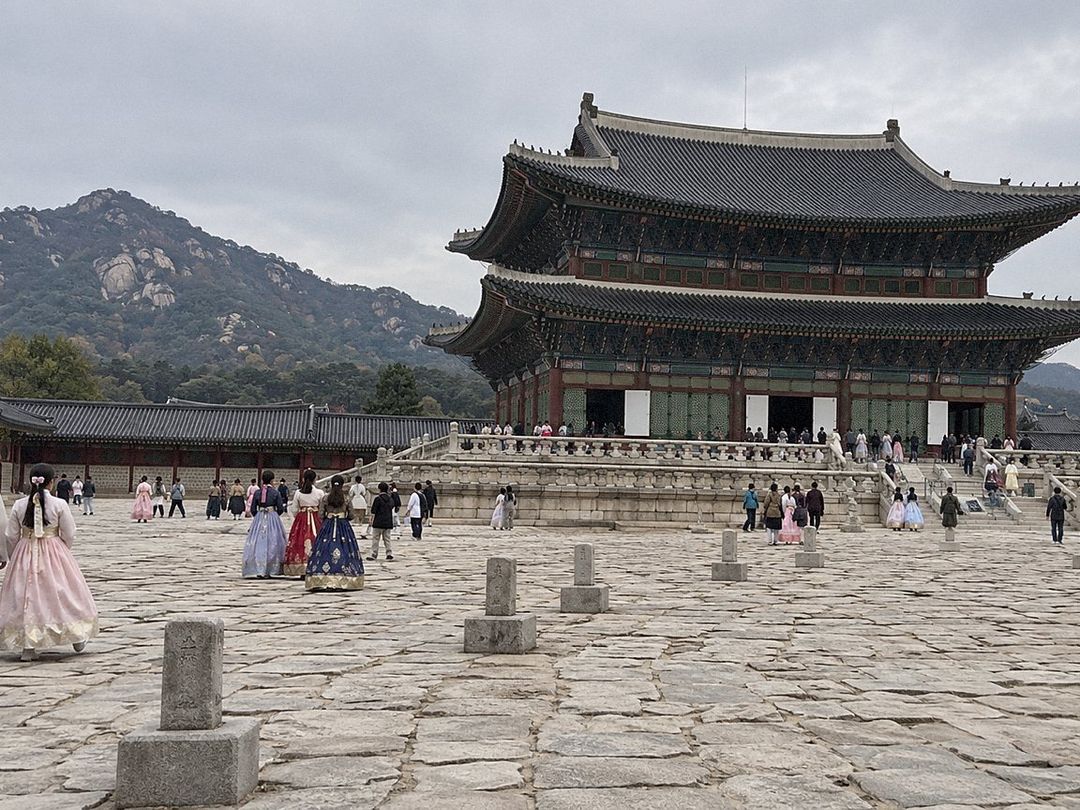
Gyeongbokgung Palace 경복궁
The largest and grandest of Seoul's five Joseon palaces, with the throne hall, a lotus-pond pavilion and the changing of the guard.
Seoul · Seoul ·
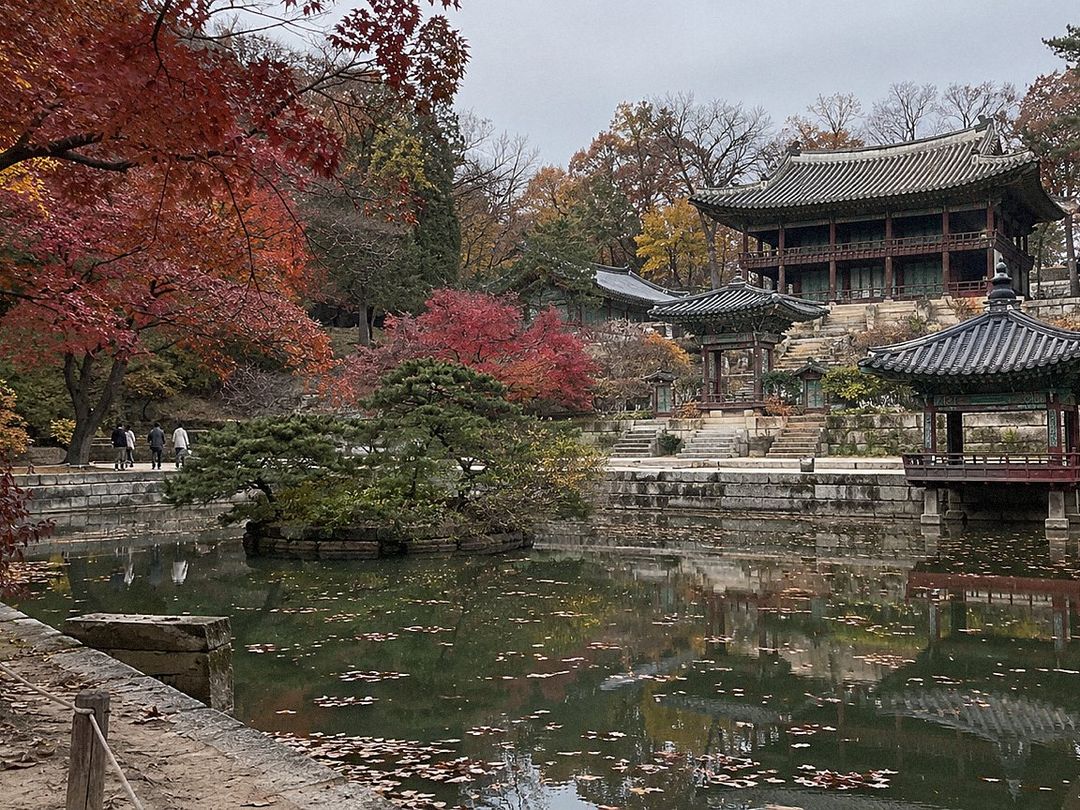
Changdeokgung Palace 창덕궁
A UNESCO-listed palace laid out to follow the hills, famous for its Secret Garden of ponds and pavilions visited on guided tours.
Seoul · Seoul ·
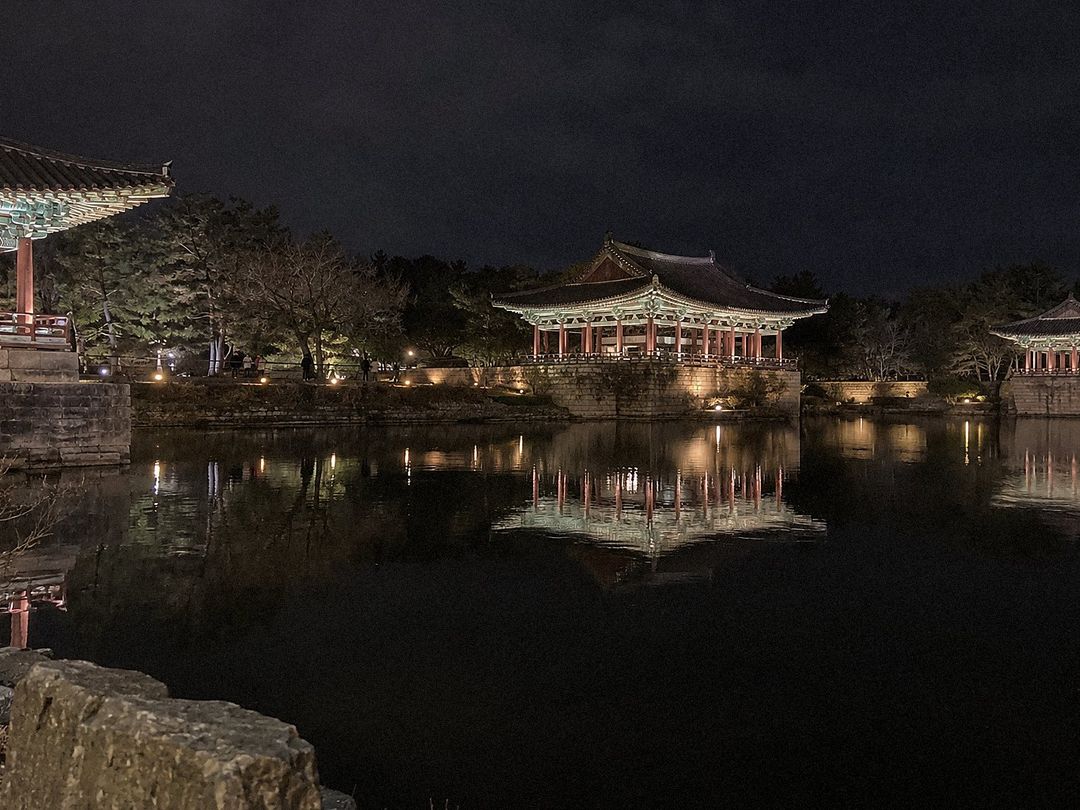
Donggung Palace and Wolji Pond 동궁과 월지
Reconstructed pavilions of a Silla crown prince's palace beside a landscaped pond, most popular after dark when they are lit up.
Gyeongju · Gyeongsang ·
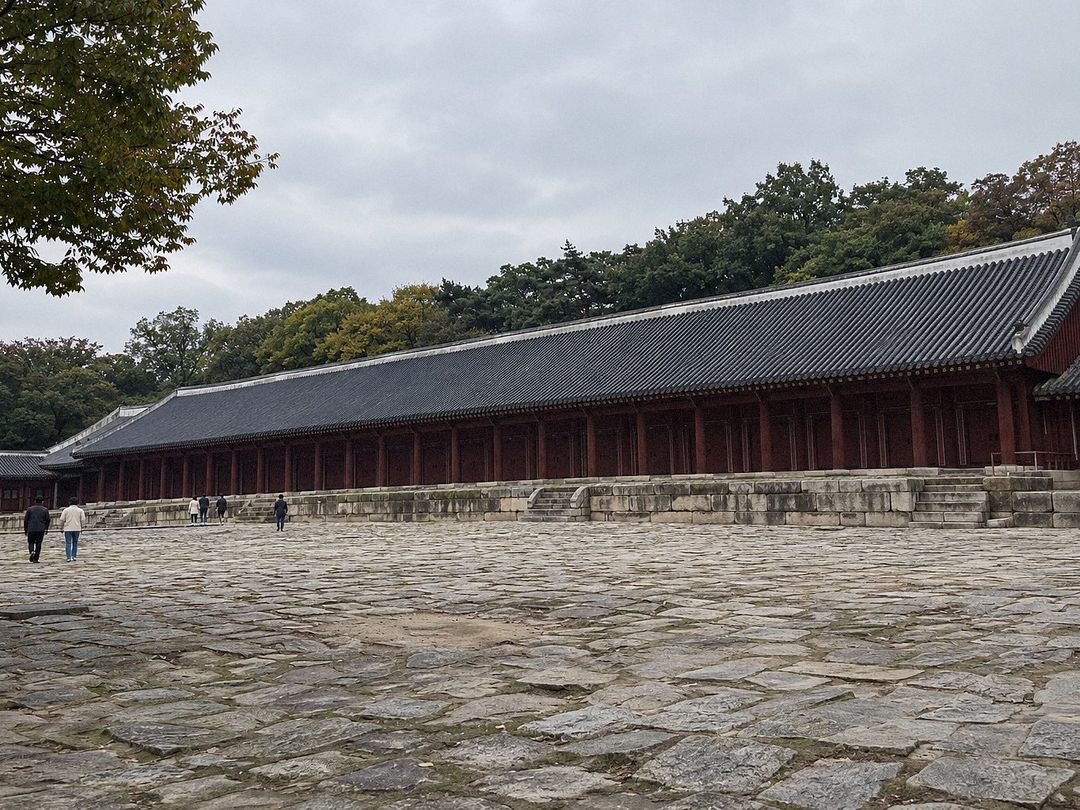
Jongmyo Shrine 종묘
The austere royal ancestral shrine of the Joseon kings, a UNESCO site whose long main hall is one of Korea's finest wooden buildings.
Seoul · Seoul ·
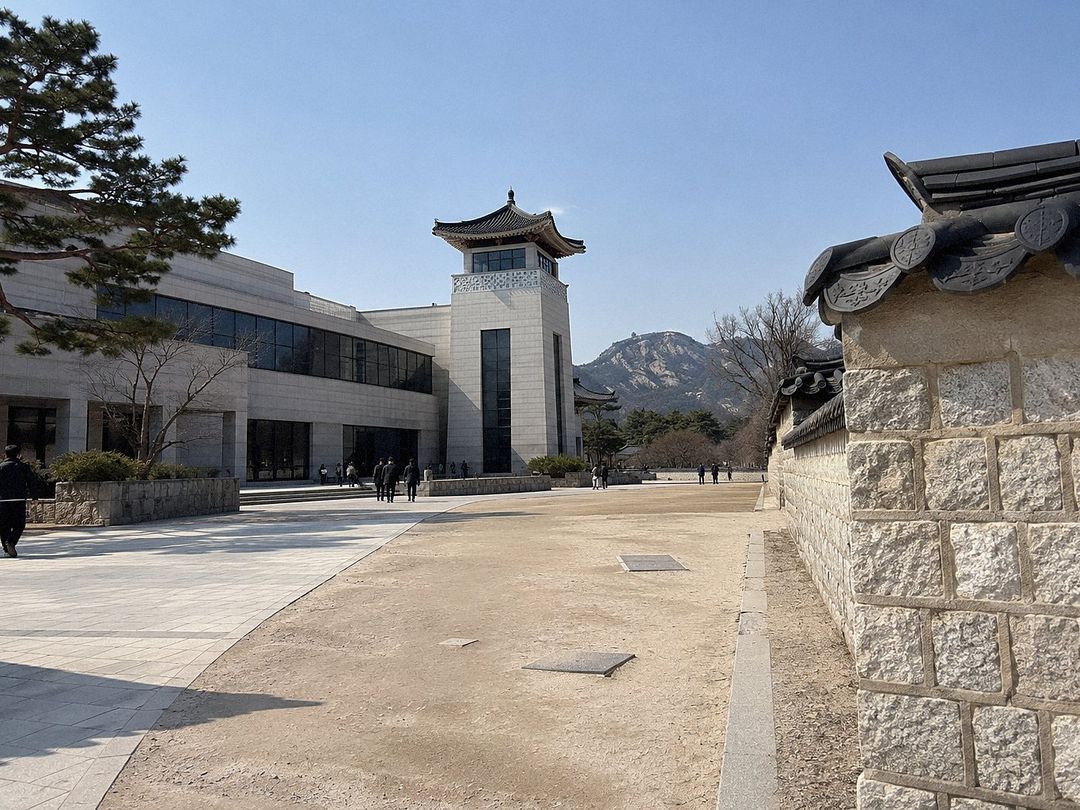
National Palace Museum of Korea 국립고궁박물관
Royal artifacts of the Joseon court and Korean Empire, from thrones and seals to carriages, right beside Gyeongbokgung.
Seoul · Seoul ·
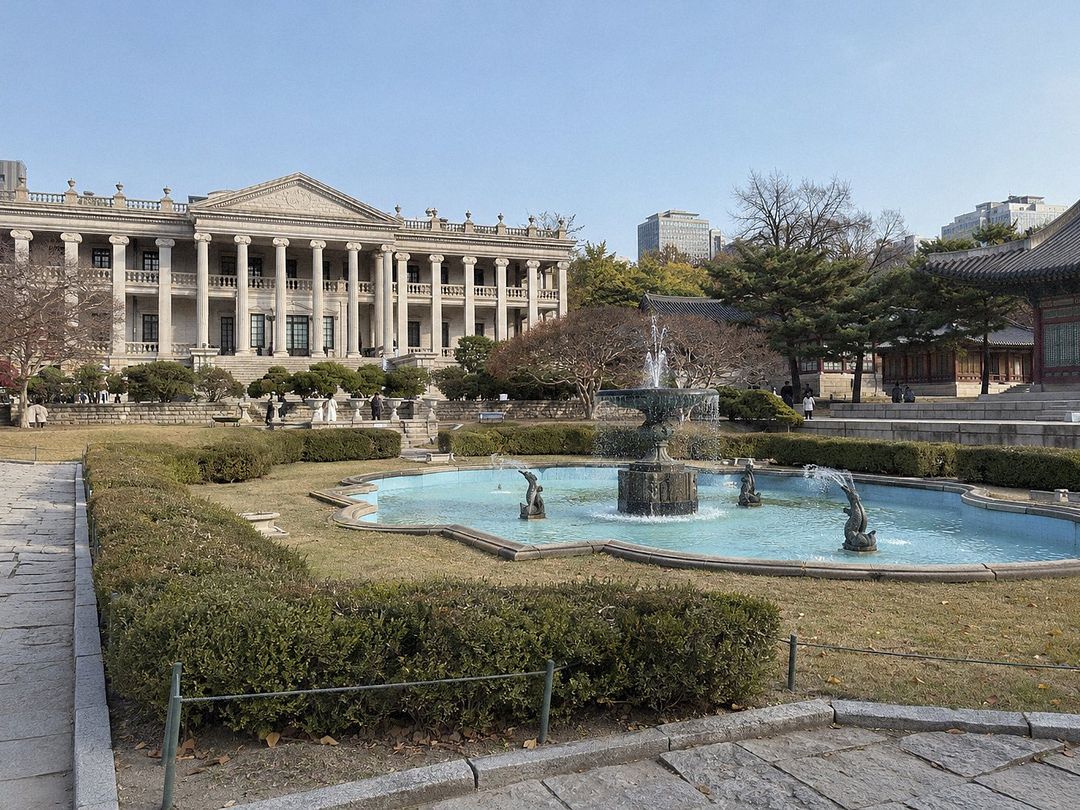
Deoksugung Palace 덕수궁
A compact palace by City Hall mixing Korean halls with early 1900s Western-style stone buildings; its stone-wall road is a classic stroll.
Seoul · Seoul ·
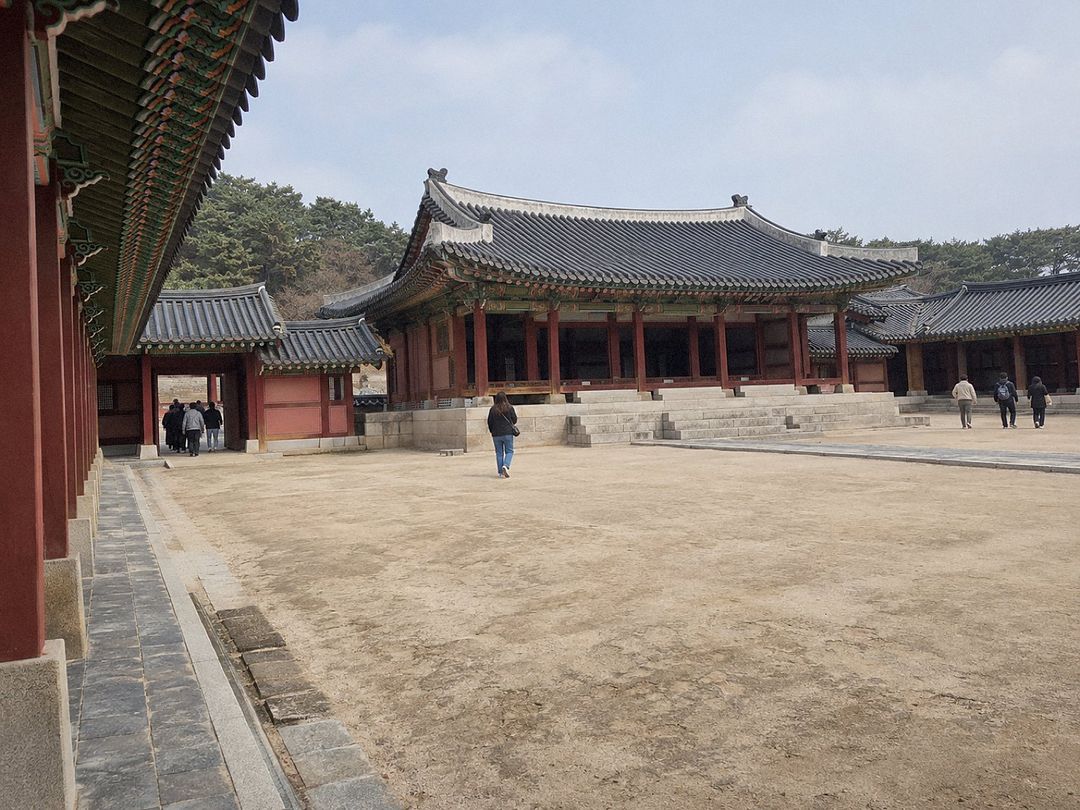
Hwaseong Haenggung 화성행궁
King Jeongjo's temporary palace inside the walls of Suwon Hwaseong Fortress, a UNESCO World Heritage site south of Seoul.
Suwon · Gyeonggi & Incheon ·
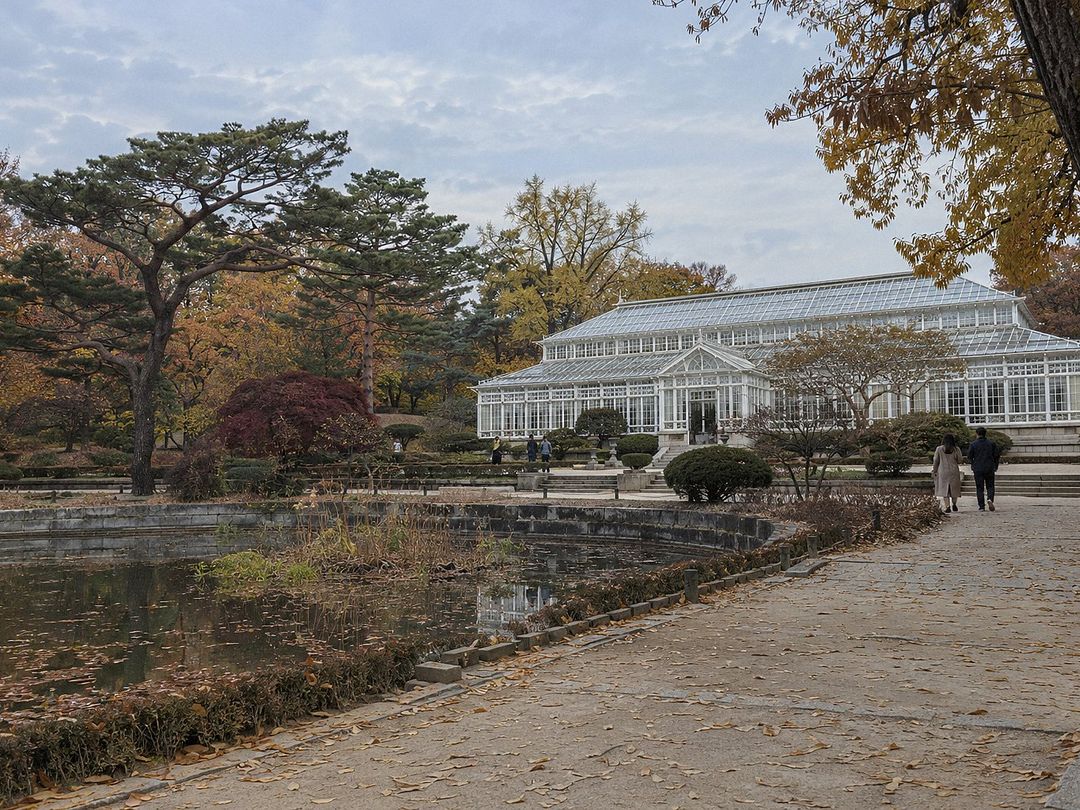
Changgyeonggung Palace 창경궁
A quieter palace next to Changdeokgung, with a pond, wooded paths and a white Victorian-style glasshouse.
Seoul · Seoul ·
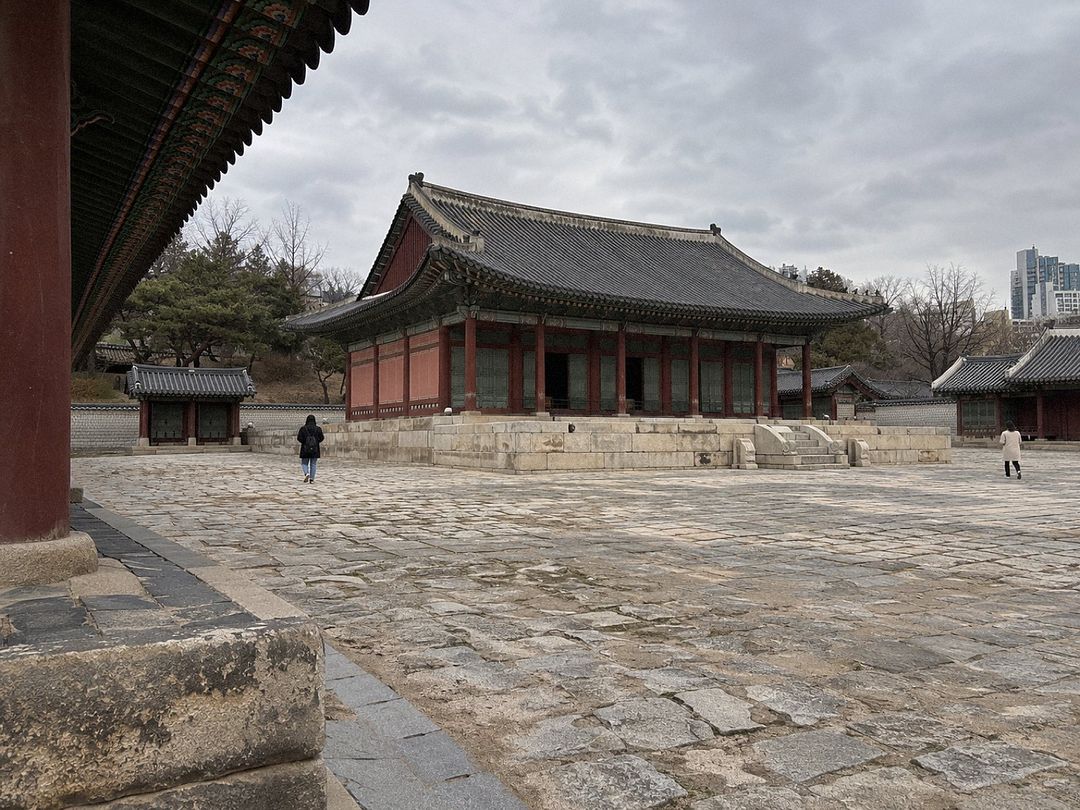
Gyeonghuigung Palace 경희궁
The smallest and least visited of the five Joseon palaces, west of Gwanghwamun, largely rebuilt after it was dismantled in the colonial era.
Seoul · Seoul ·
Frequently asked questions
How many royal palaces are there in Seoul?
Five Joseon-era palaces survive in central Seoul: Gyeongbokgung, Changdeokgung, Changgyeonggung, Deoksugung and Gyeonghuigung. The royal ancestral shrine Jongmyo sits between them and is often visited together with Changdeokgung.
Which palace should I visit if I only have time for one?
Gyeongbokgung is the largest and has the guard ceremony at its main gate; Changdeokgung, a UNESCO World Heritage site, is better if you want to see the Secret Garden. Hours and tickets for both are on their own pages.
Are the palaces closed on certain days?
Yes. Each palace has one weekly closing day, and they differ (Gyeongbokgung closes on Tuesdays, Changdeokgung on Mondays). Check each attraction page before you go.
Sources
Facts on this page were checked against these sources on 2 October 2026. Prices, hours and rules change — confirm with the operator before you go.
- Royal Palaces and Tombs Center (궁능유적본부), Korea Heritage Service (Korean) · official
- Korea Heritage Service — English site · official
- VisitKorea — Korea Tourism Organization · official