Jeju Island 제주도
Korea's volcanic holiday island, with the country's highest peak, UNESCO-listed craters and lava tubes, black-sand coves and waterfalls.
Updated
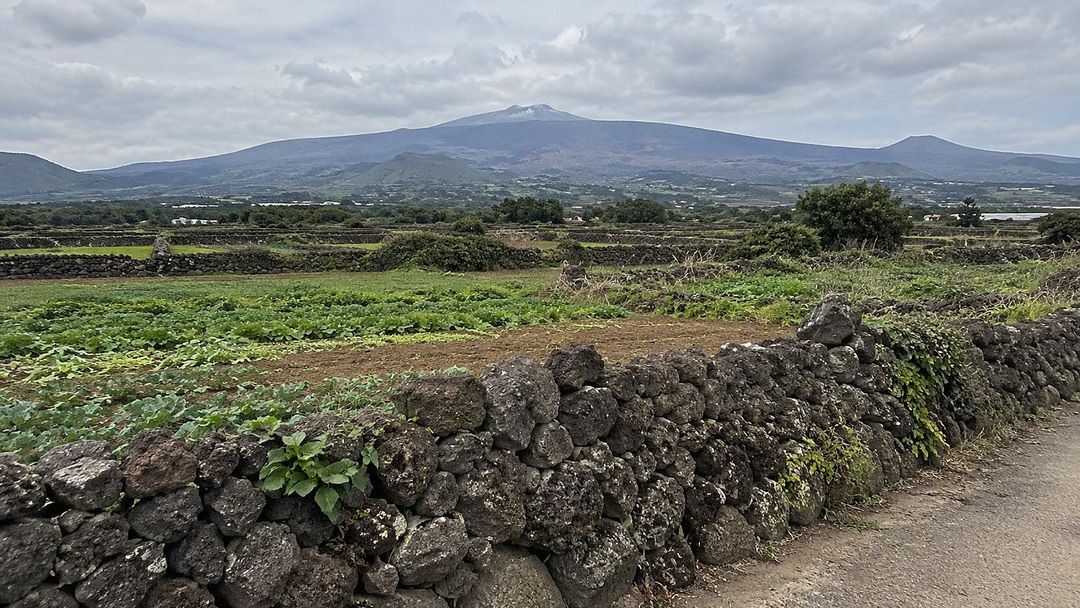
Jeju at a glance
Jeju is South Korea’s largest island and its favourite holiday destination, lying in the sea south of the peninsula. It is a self-governing province of roughly 660,000 people, split into two cities: Jeju City on the north coast, where the airport is, and Seogwipo on the warmer south side.
The whole island was built by volcanoes. At its centre rises Hallasan, at 1,947 m the highest mountain in South Korea, and its slopes are dotted with hundreds of small parasitic cones known locally as oreum. Hallasan, Seongsan Ilchulbong and the lava tube system that includes Manjanggul were listed together by UNESCO in 2007 as Jeju Volcanic Island and Lava Tubes.
What to see
The east has the most striking volcanic landscapes: the sea-cliff crater of Seongsan Ilchulbong, the island of Udo, the reopened Manjanggul lava tube and the old Bijarim forest. The west is the place for beaches such as Hyeopjae and for the green tea plantations around O’sulloc. The south coast around Seogwipo and Jungmun adds waterfalls that tumble straight into the sea and the basalt columns of Jusangjeolli.
Jeju’s culture is distinct from the mainland’s. Look out for the black stone walls that line fields and lanes, the stone grandfather statues called dol hareubang, and the haenyeo, women who dive for shellfish without breathing equipment.
Planning a visit
Three to four days is a comfortable first visit: one day each for the east, south and west, plus a day for Hallasan if you want to hike. Flights from Seoul Gimpo and Busan Gimhae take about an hour and run throughout the day, so Jeju combines easily with a Seoul or Busan trip. Distances are bigger than they look on the map, so base yourself in one or two areas rather than moving every night. For regional context see the Jeju region page.
When to go
Spring brings rapeseed flowers and cherry blossoms, and summer is beach season but also humid and crowded. Autumn is clear and ideal for hiking Hallasan and seeing silver grass on the oreum. Winter is mild on the coast, when hallabong and tangerines are in season, though Hallasan can be snowbound and wind is strong. Typhoons can disrupt flights and ferries in late summer.
Book your trip
Top attractions in Jeju Island
Jeju City
The island's capital and airport town on the north coast, with Dongmun Market, Iho Tewoo and Hamdeok beaches and the most hotels.
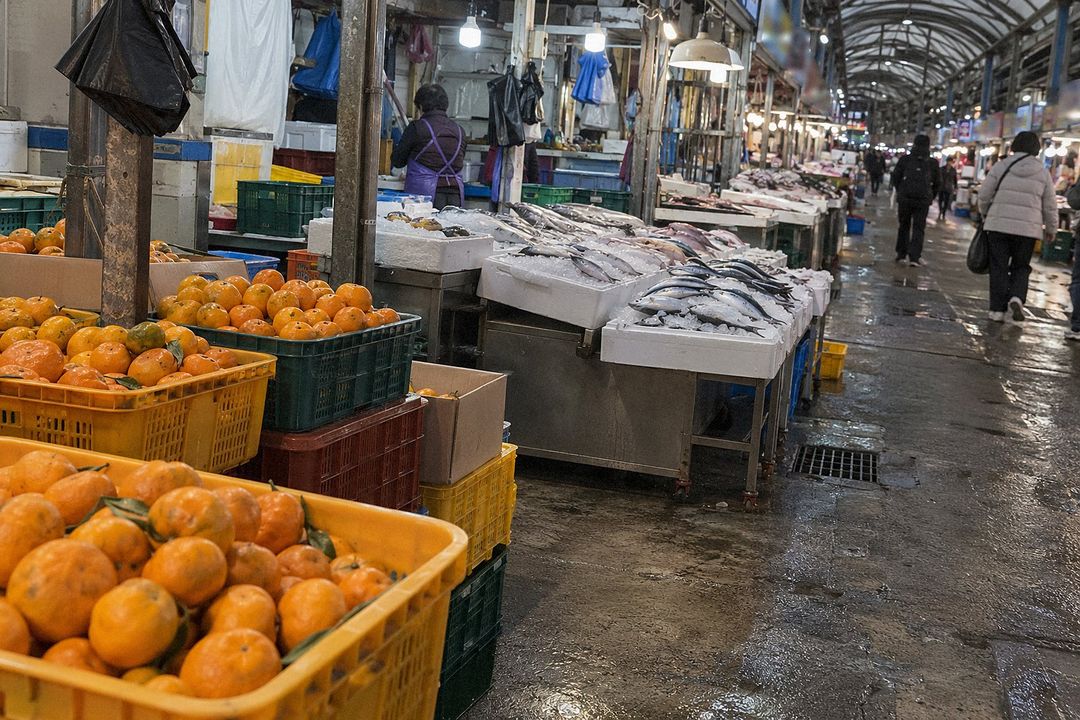
Dongmun Market
Jeju City's main traditional market, packed with tangerines, seafood and an evening street-food night market.
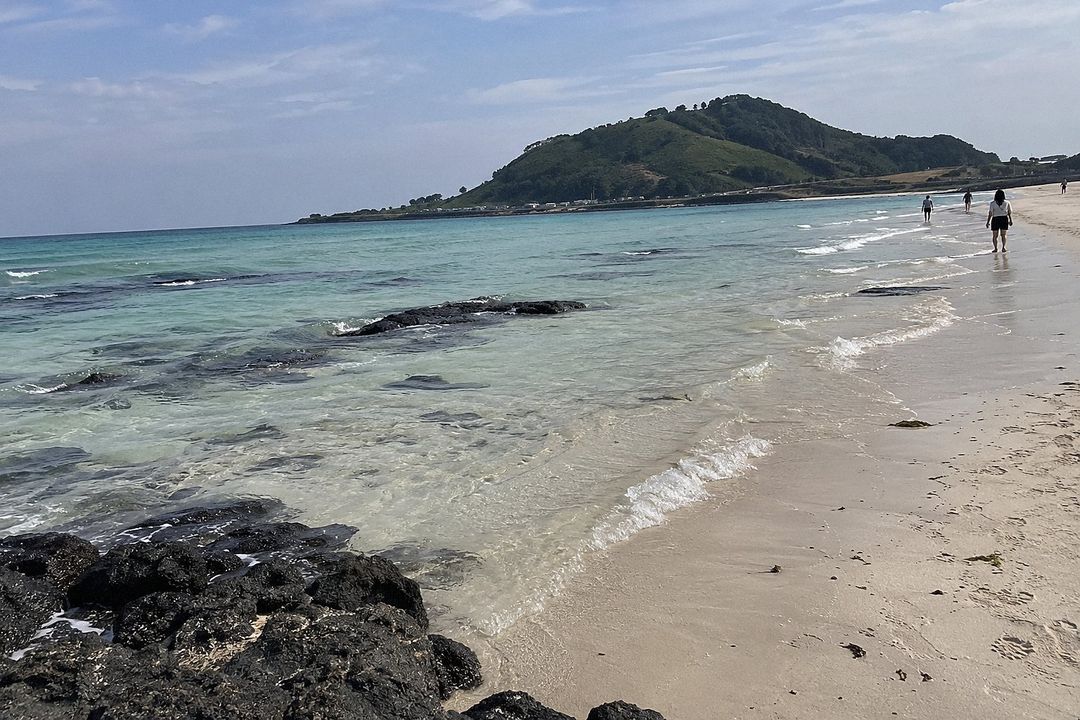
Hamdeok Beach
Shallow, clear water and pale sand east of Jeju City, with a small grassy hill for views over the bay.
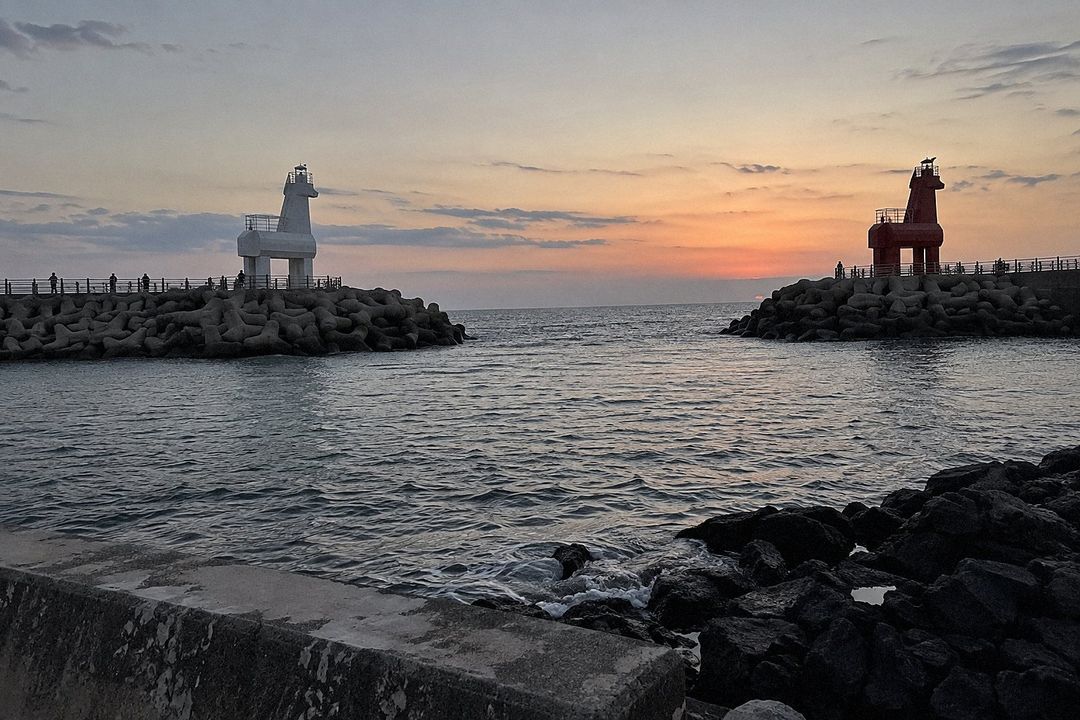
Iho Tewoo Beach
The beach closest to the airport, best known for its two horse-shaped lighthouses at sunset.
East Jeju
The most dramatic volcanic scenery, from Seongsan Ilchulbong and Udo island to Manjanggul lava tube, Bijarim forest and haenyeo villages.
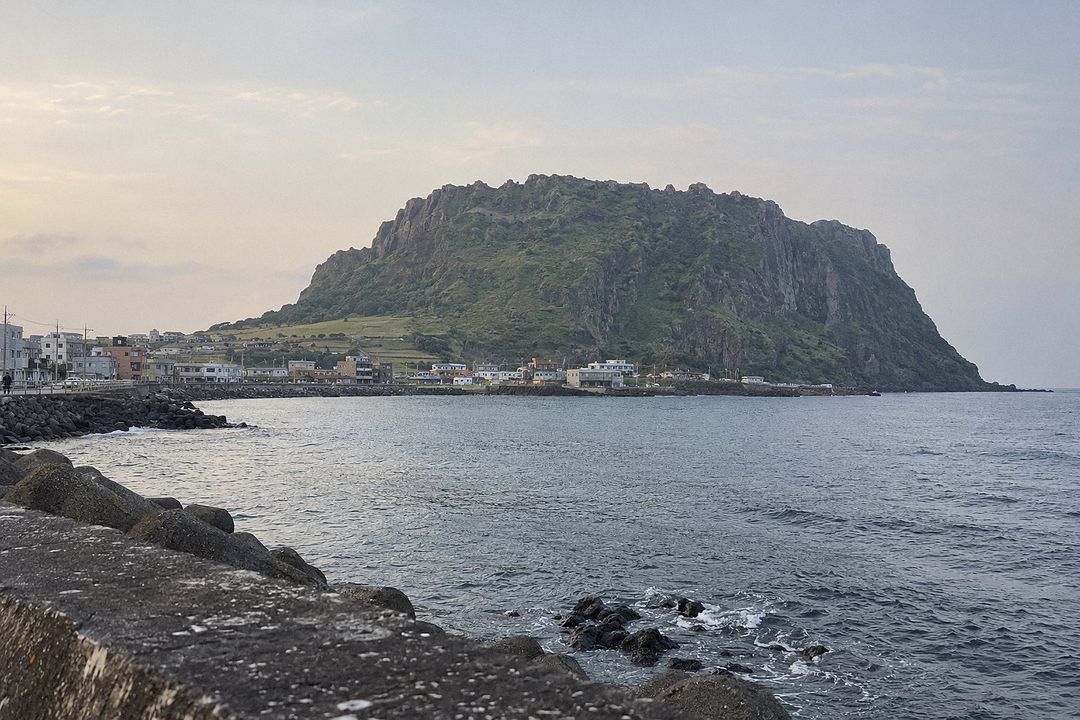
Seongsan Ilchulbong
A steep tuff cone rising from the sea at the eastern tip, climbed by a stair path to a vast grassy crater.
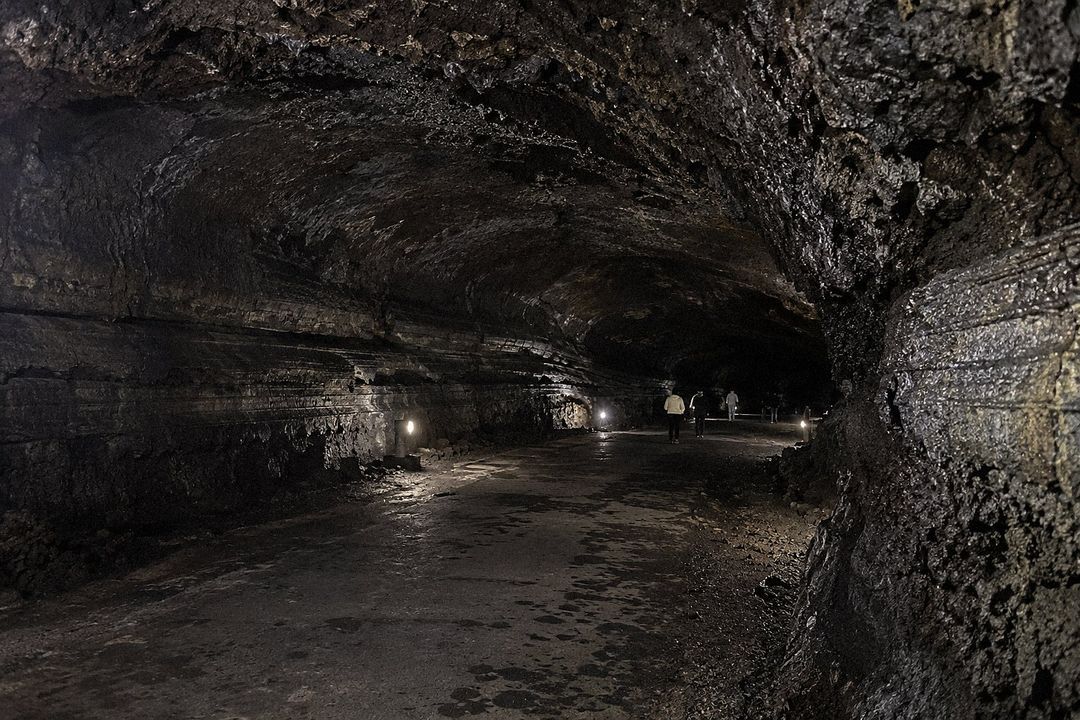
Manjanggul Lava Tube
A huge lava tube with a walkable section ending at a tall lava column; reopened in May 2026 after safety works.
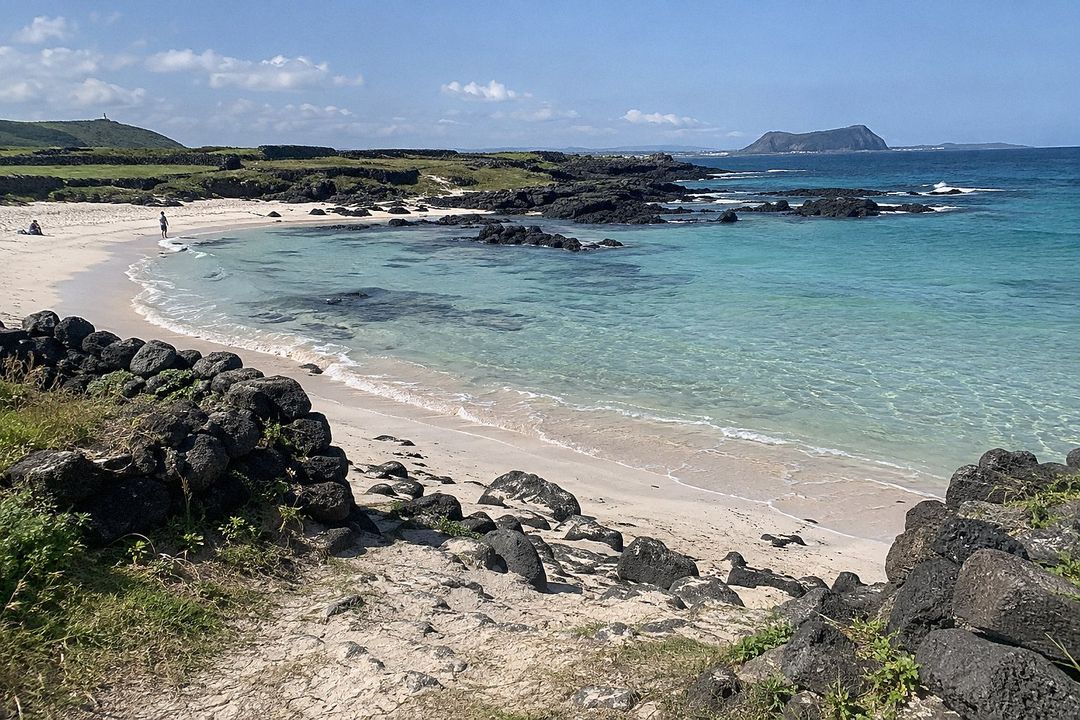
Udo
A small island a short ferry ride from Seongsan, ringed by white-sand beaches and famous for peanut ice cream.
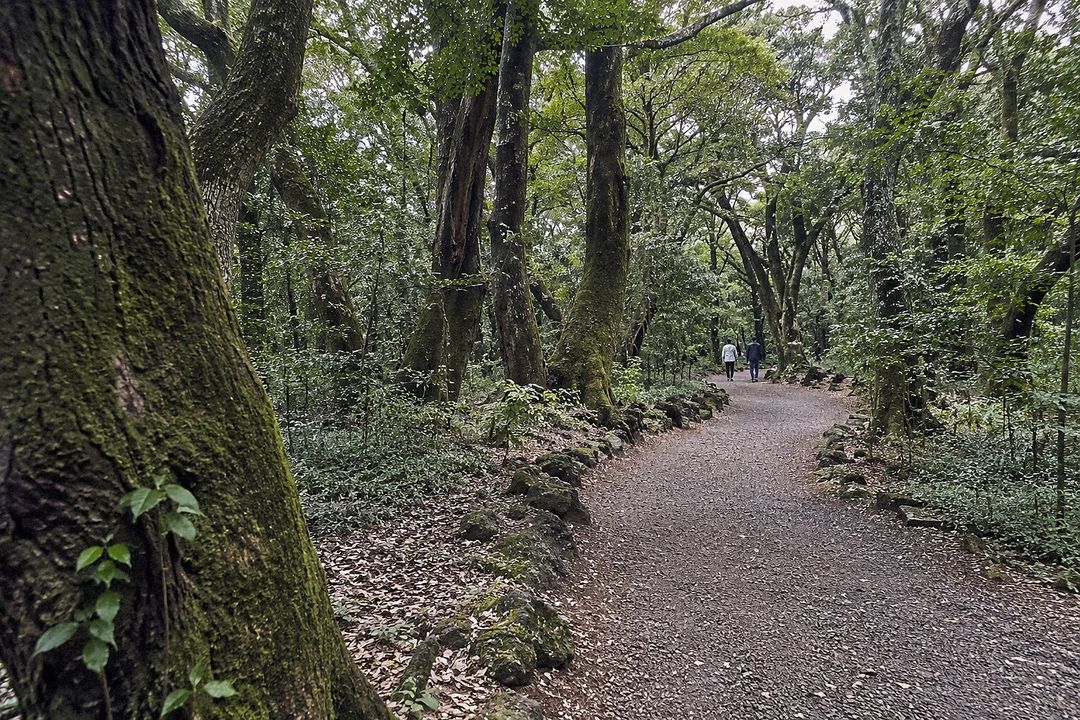
Bijarim Forest
A shady old-growth forest of nutmeg yew trees, some many centuries old, with an easy loop path.
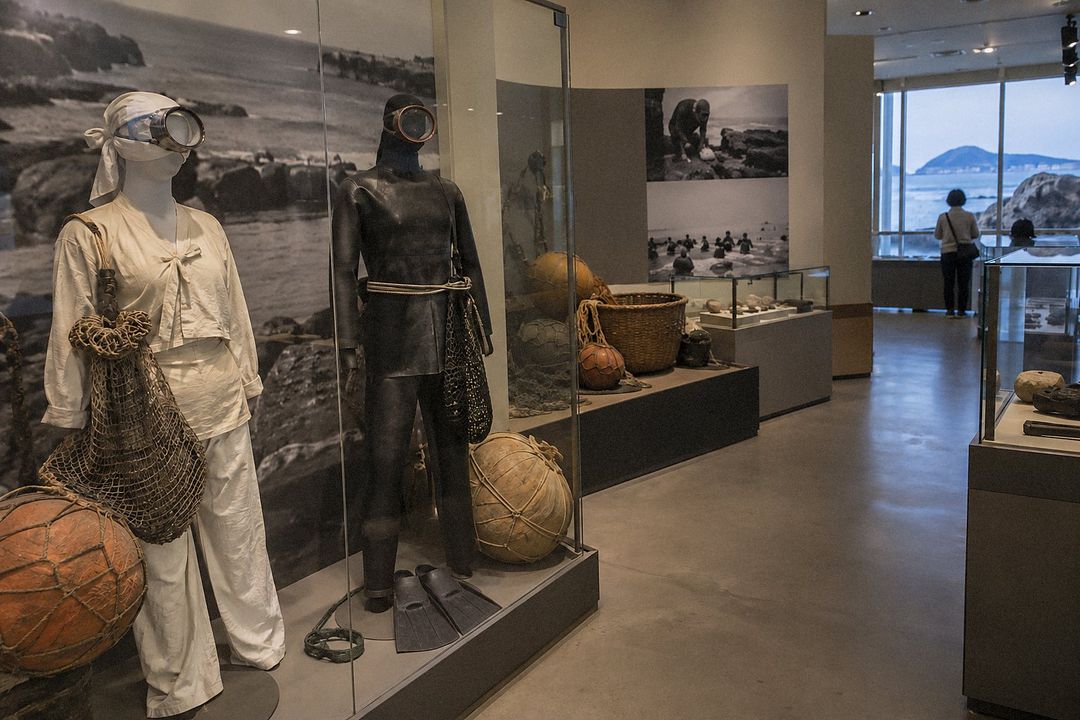
Haenyeo Museum
Explains the life of Jeju's female free divers, whose culture is recognised by UNESCO as intangible heritage.
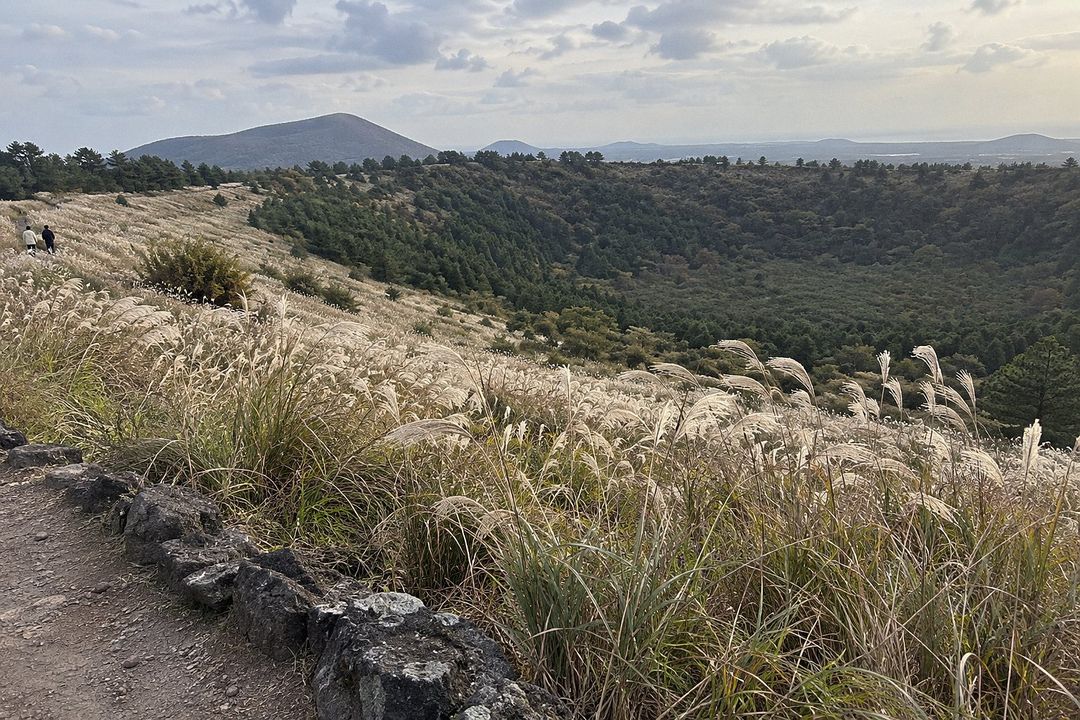
Sangumburi Crater
A broad, deep crater without a cone, rimmed by silver grass that glows in autumn.
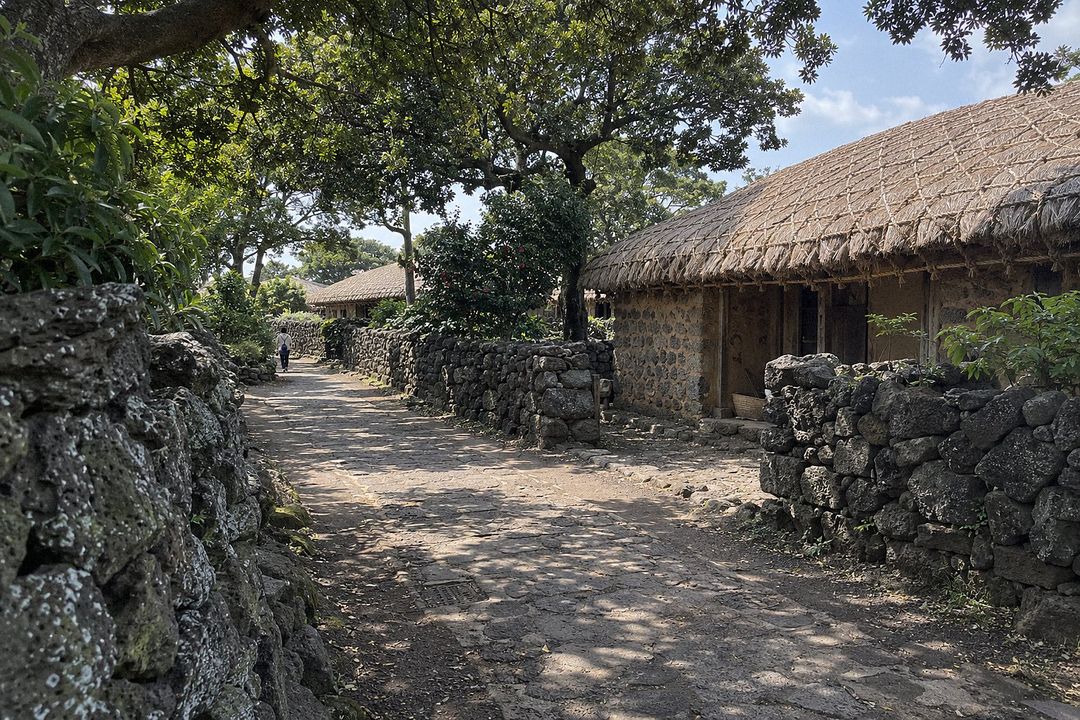
Seongeup Folk Village
A lived-in village of thatched stone houses and black lava walls, preserving Jeju's traditional architecture.
West Jeju
Turquoise beaches at Hyeopjae, the Aewol coastal cafe strip and the green tea fields around O'sulloc.
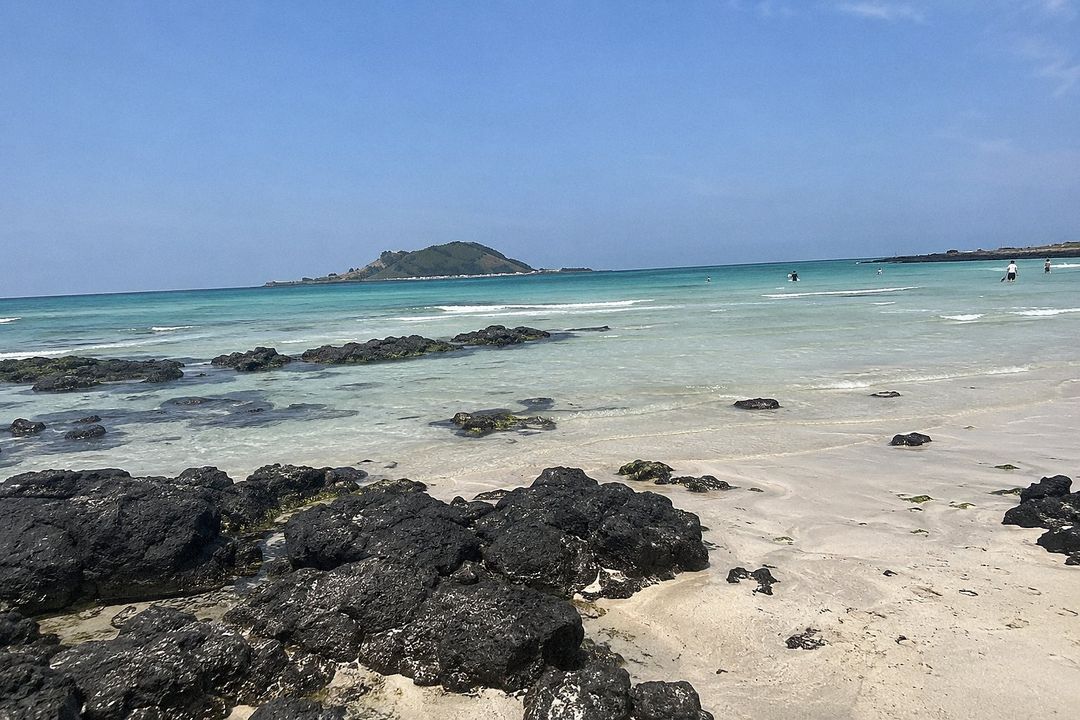
Hyeopjae Beach
One of the island's most beautiful beaches, with bright turquoise water facing the small island of Biyangdo.
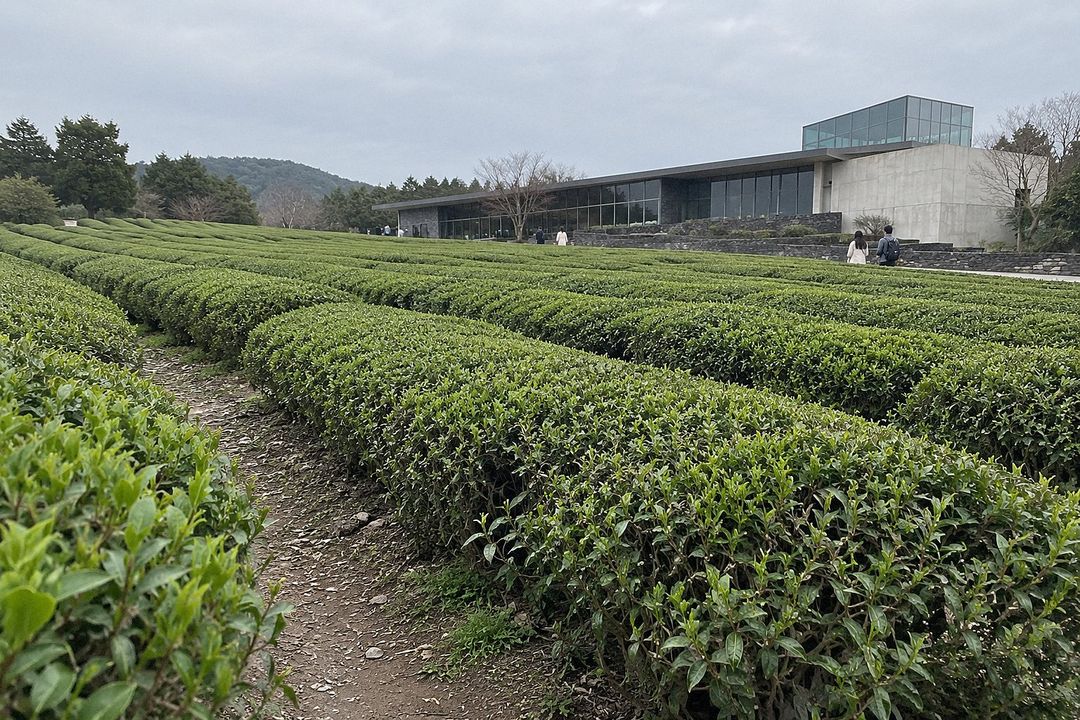
O'sulloc Tea Museum
A modern tea museum and cafe beside rolling green tea fields, known for green tea desserts.
Seogwipo and Jungmun
The warmer south coast, with waterfalls that drop to the sea, the Jungmun resort area and the most popular stretches of the Olle Trail.
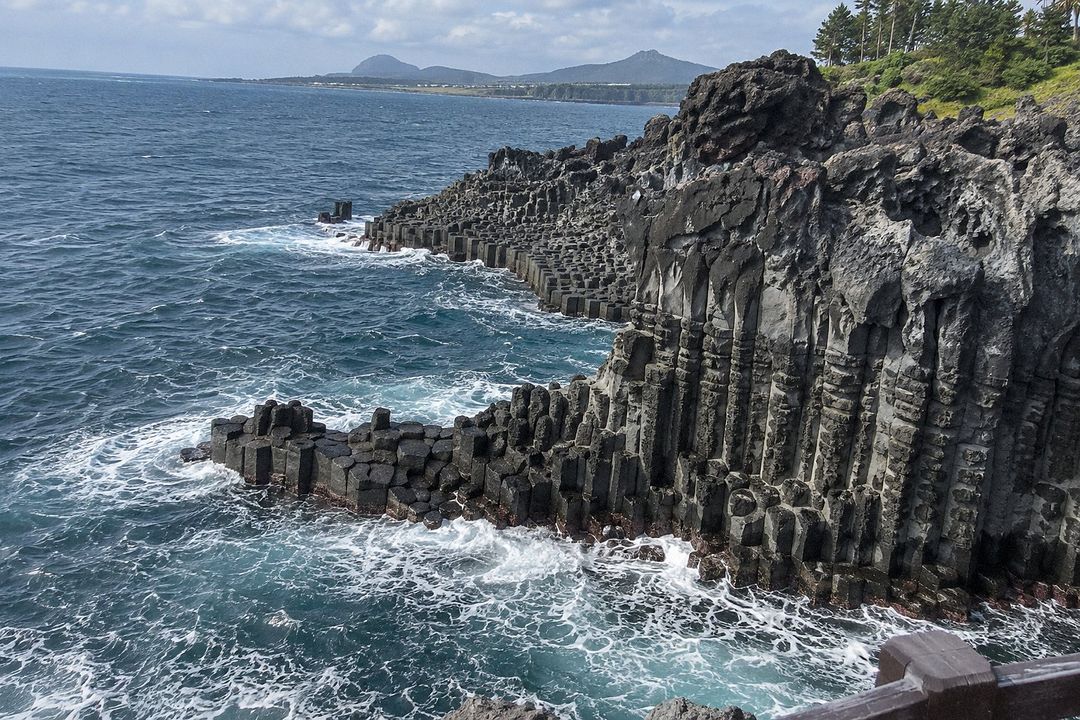
Jusangjeolli Cliff
Columns of hexagonal basalt stacked along the shore near Jungmun, pounded by surf.
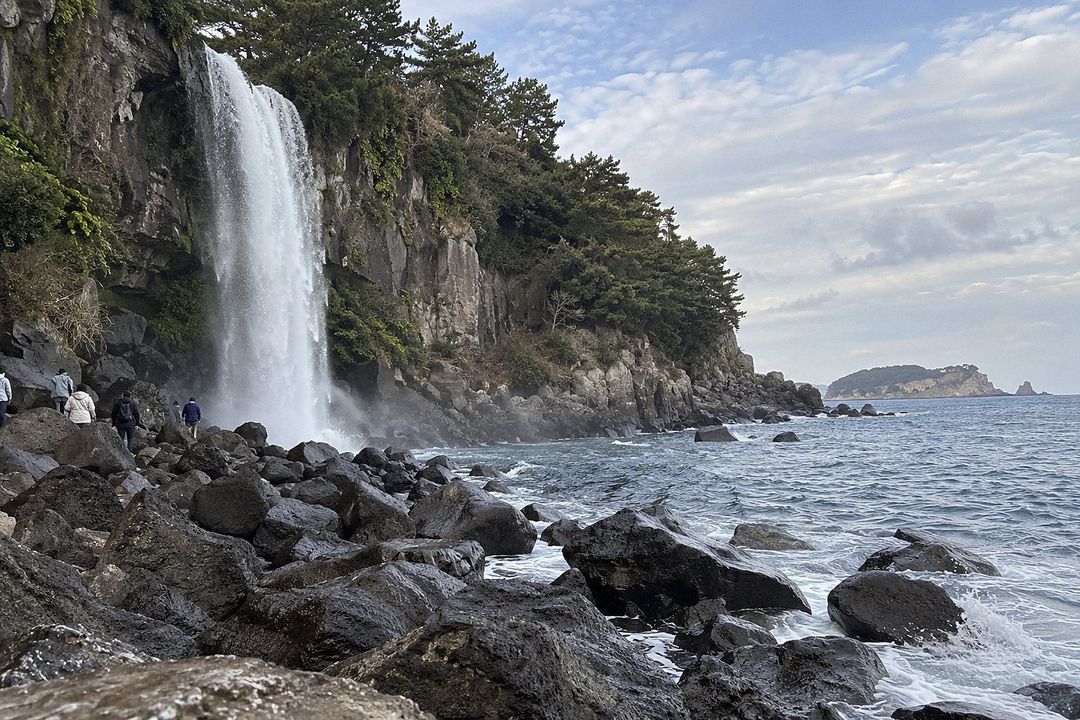
Jeongbang Falls
A waterfall that drops straight onto a rocky beach and into the sea, a rarity in Asia.
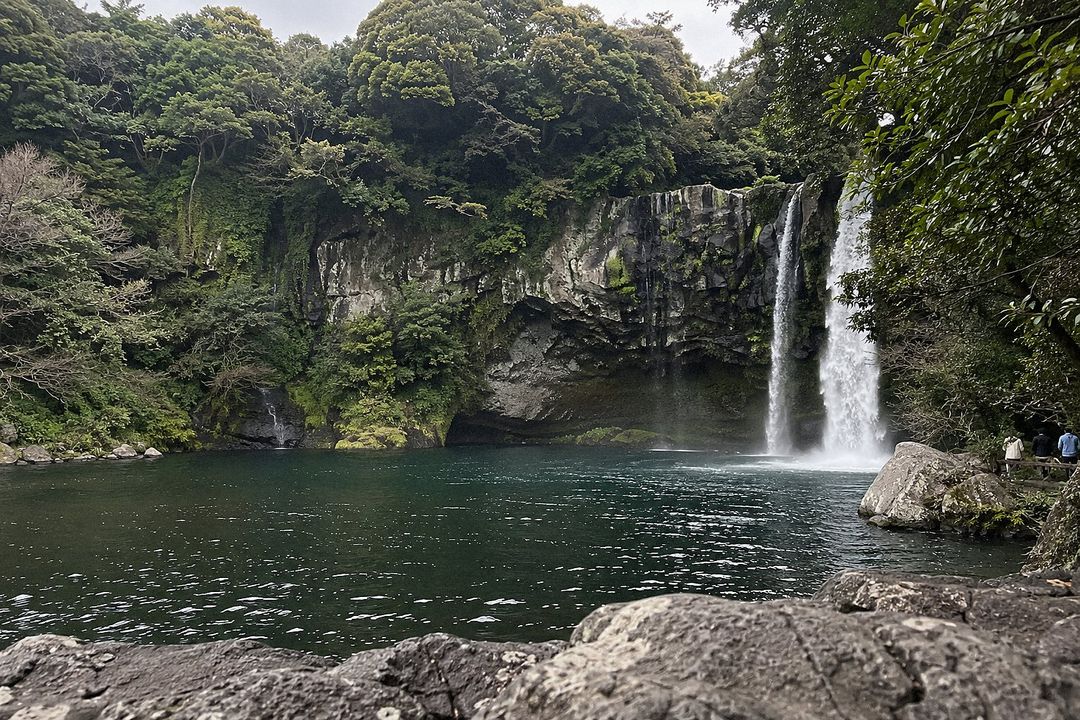
Cheonjiyeon Falls
A waterfall in a lush subtropical gorge reached by a flat walk, also popular in the evening.
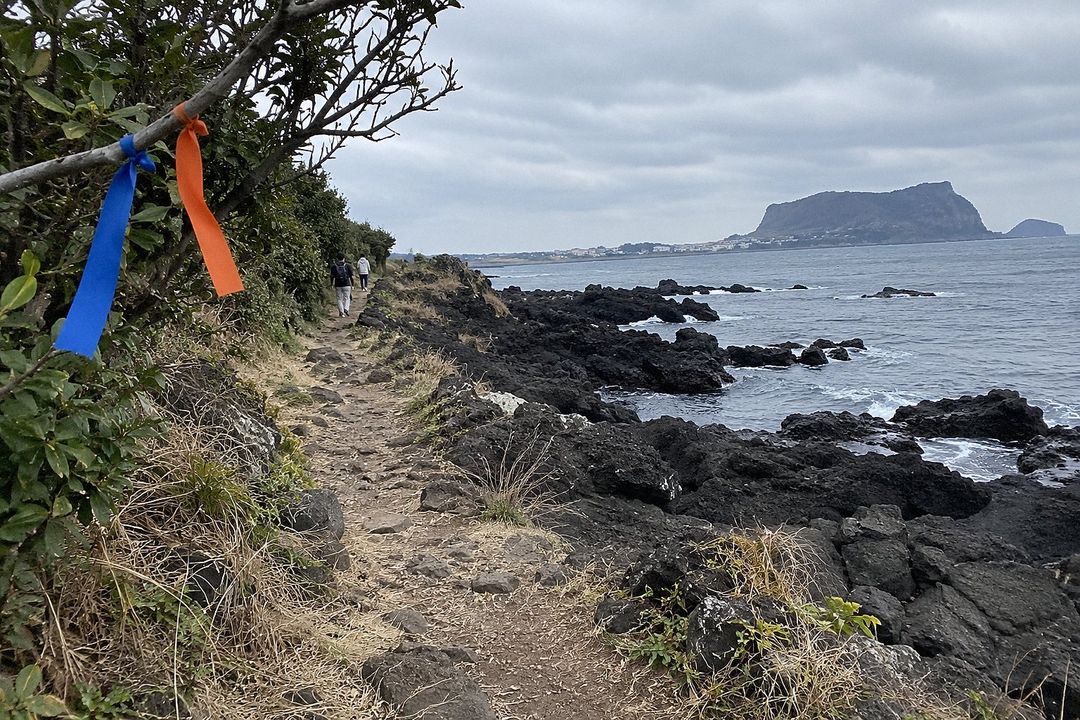
Jeju Olle Trail
A long-distance walking route circling the island in numbered day-length courses; the Seogwipo sections are favourites.
Hallasan National Park
The volcano at the centre of the island and South Korea's highest mountain, with day-hike trails to the crater rim and lower slopes.
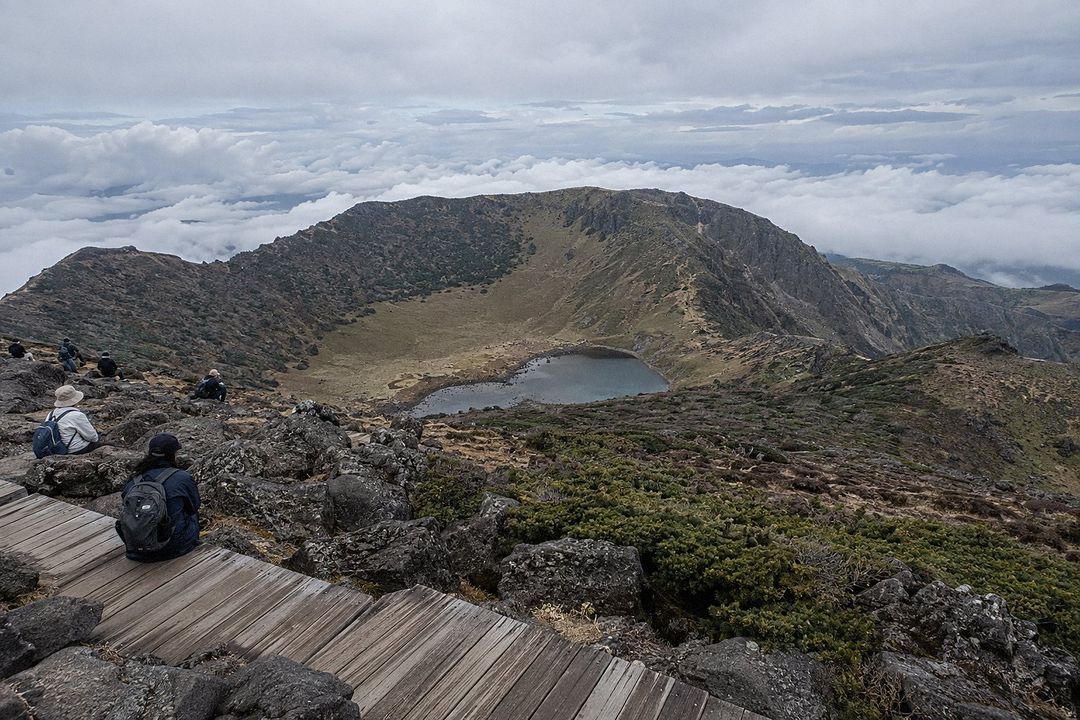
Hallasan
South Korea's highest peak. A long day hike leads to the Baengnokdam crater; summit trails need advance booking.
Jeju Island by interest
| Beach | Hamdeok Beach, Iho Tewoo Beach, Udo, Hyeopjae Beach |
|---|---|
| Viewpoint | Seongsan Ilchulbong, Sangumburi Crater, Jusangjeolli Cliff, Jeongbang Falls |
| UNESCO | Seongsan Ilchulbong, Manjanggul Lava Tube, Hallasan |
| Hiking | Seongsan Ilchulbong, Jeju Olle Trail, Hallasan |
| Park | Bijarim Forest, Jeongbang Falls, Cheonjiyeon Falls |
| Food | Dongmun Market, O'sulloc Tea Museum |
| Museum | Haenyeo Museum, O'sulloc Tea Museum |
| Market | Dongmun Market |
| Island | Udo |
| Autumn leaves | Sangumburi Crater |
| Hanok | Seongeup Folk Village |
| Neighbourhood | Seongeup Folk Village |
| National park | Hallasan |
Getting to Jeju Island
| From | How | Time | Notes |
|---|---|---|---|
| Seoul (Gimpo Airport) | Domestic flight to Jeju International Airport | about 1 hour 10 minutes | One of the world's busiest air routes, with flights through the day on several airlines; book ahead for weekends and holidays. |
| Busan (Gimhae Airport) | Domestic flight to Jeju International Airport | about 1 hour | |
| Other mainland airports | Domestic flights | about 1 hour | Cities including Cheongju, Daegu, Gwangju and Incheon have direct flights. |
| Mokpo or Wando (South Jeolla) | Passenger and car ferry to Jeju Port | several hours, depending on the route and ship | The main sea routes. Services have been suspended for weeks at a time after ship damage, so check the operator before planning around them. There is currently no Busan–Jeju passenger ferry. |
Almost all visitors fly. Jeju International Airport sits on the edge of Jeju City, about 10 to 20 minutes from most city hotels. Overseas visitors can also fly directly to Jeju from several Asian cities.
Getting around
Jeju is about 70 km from west to east, and sights are scattered around the coast and the mountain. Island buses cover the whole island, including express routes from the airport to Jungmun and Seogwipo, but rural services can be infrequent, so a bus-only trip needs a slower pace and a base in Jeju City or Seogwipo. Many visitors rent a car, which makes the east, west and mountain roads far easier; foreign drivers need an International Driving Permit. Taxis and day-hire taxi tours are another option. Allow for weekend traffic around Jeju City and limited parking at popular beaches.
Long-distance trains: see KORAIL PASS and transportation in Korea.
Itineraries
Three days on Jeju
Day one: the east, with sunrise at Seongsan Ilchulbong, a ferry to Udo, and Manjanggul or Bijarim on the way back. Day two: the south, with Jeongbang and Cheonjiyeon falls, a stretch of the Olle Trail and Jusangjeolli near Jungmun. Day three: the west, with O'sulloc Tea Museum, Hyeopjae Beach and sunset at Iho Tewoo before dinner at Dongmun Market.
Four days with Hallasan
Follow the three-day plan and add a full day for Hallasan. With a summit reservation, start early on the Seongpanak or Gwaneumsa trail; without one, the Yeongsil or Eorimok trails lead to the Witse Oreum plateau and need no booking. Plan an easy beach or market day afterwards.
Where to stay in Jeju Island
Jeju City and Nohyeong
Closest to the airport with the most hotels, restaurants and bus connections; Nohyeong is the modern district with large hotels and a busy night scene.
Best for: Short stays, bus travellers, late or early flights
See hotels in Jeju City and NohyeongSeogwipo
A small, relaxed south-coast town within walking distance of Jeongbang and Cheonjiyeon falls and Olle Trail courses.
Best for: Walkers, waterfall and Olle Trail fans
See hotels in SeogwipoJungmun
Jeju's main resort zone of large beach hotels, close to Jusangjeolli and an express bus ride from the airport.
Best for: Resort holidays, families
See hotels in JungmunAewol or Seongsan
Aewol on the west coast is full of sea-view guesthouses and cafes; Seongsan in the east puts Seongsan Ilchulbong and the Udo ferry on your doorstep.
Best for: Drivers, couples, sunrise chasers
See hotels in Aewol or Seongsan
Some links on this page are affiliate links: if you book through them we may earn a commission at no extra cost to you. It never decides what we recommend. Affiliate disclosure.
Food and restaurants in Jeju Island
Jeju cooking leans on what the island produces: pork from its native black pigs, seafood landed by fishing boats and haenyeo divers, and citrus grown in the mild south. Many dishes are simpler and saltier than mainland food.
What to eat
| Black pork barbecue 흑돼지구이 | Thick cuts of Jeju black pork grilled at the table, often dipped in a salty anchovy sauce called myeolchi-jeot. |
|---|---|
| Haemul-ttukbaegi 해물뚝배기 | A bubbling earthenware pot of seafood stew with abalone, clams, shrimp and crab in a soybean-paste broth. |
| Galchi (hairtail) 갈치 | Silver hairtail fish, served grilled, in a spicy braise or in a clear soup with pumpkin. |
| Hallabong 한라봉 | A sweet, easy-peel citrus with a knobbly top, sold everywhere in winter and spring and used in juices and desserts. |
| Gogi-guksu 고기국수 | Thick noodles in a rich pork broth topped with sliced pork, a filling local lunch. |
Where to eat
- Dongmun Market — Fresh seafood, citrus and the nightly street-food market in central Jeju City.
- Seogwipo Maeil Olle Market — A covered market in central Seogwipo with snack stalls and fresh fish.
- Black pork street, Jeju City — A street of black pork barbecue restaurants near the old town, busy from early evening.
Experiences and tours in Jeju Island
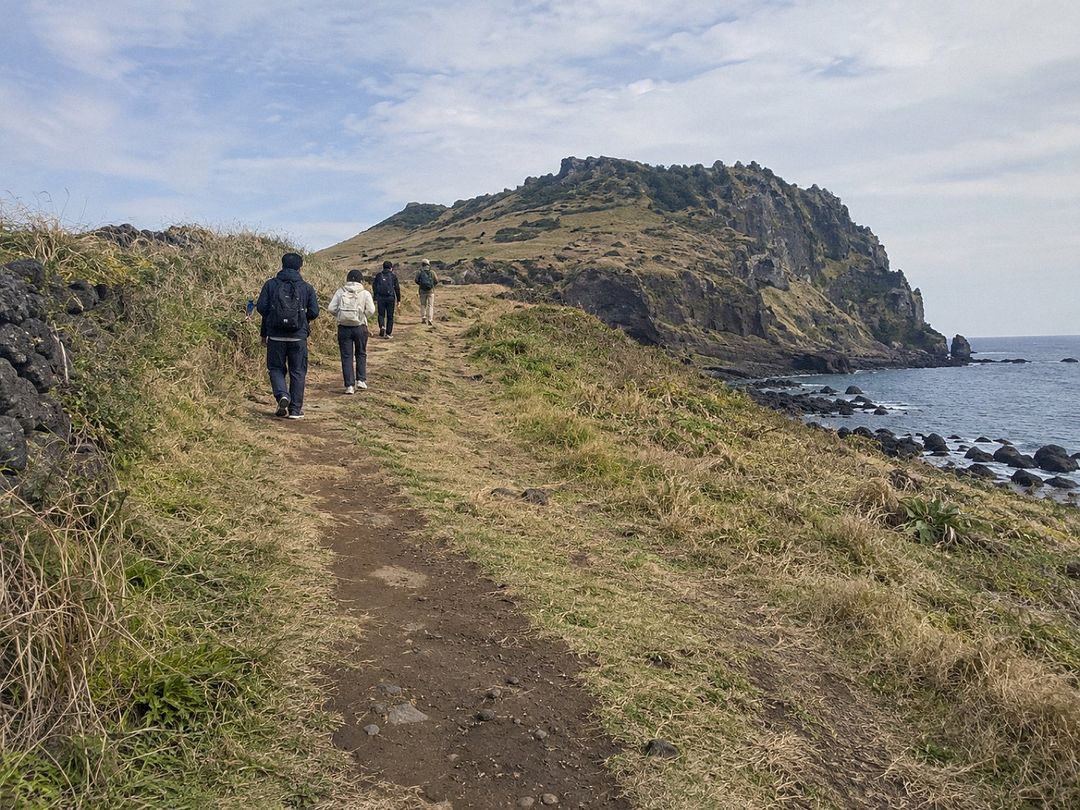
Jeju east island day tour
A guided day covering Seongsan Ilchulbong, Udo and other eastern sights, useful if you are not renting a car.
Check on Klook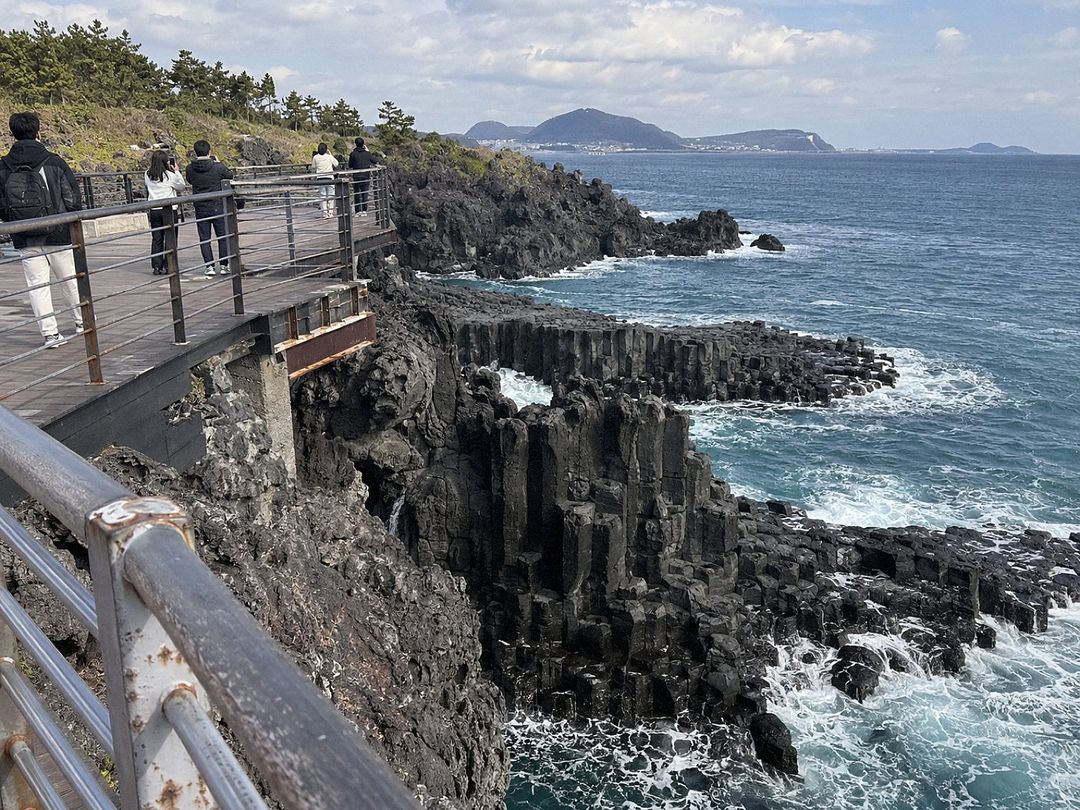
Jeju south and west day tour
Visits the tea fields, waterfalls and basalt cliffs of the south and west in one day.
Check on Klook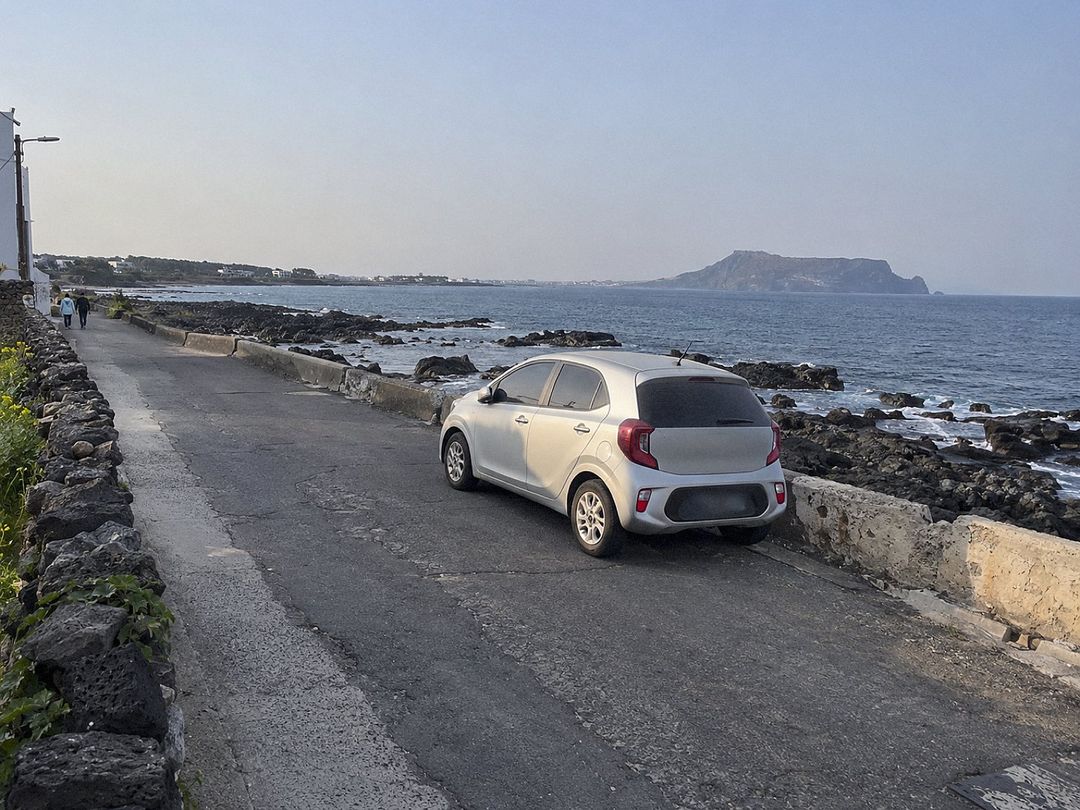
Jeju rental car
Pick up at the airport and explore at your own pace; remember your International Driving Permit.
Check on Trip.com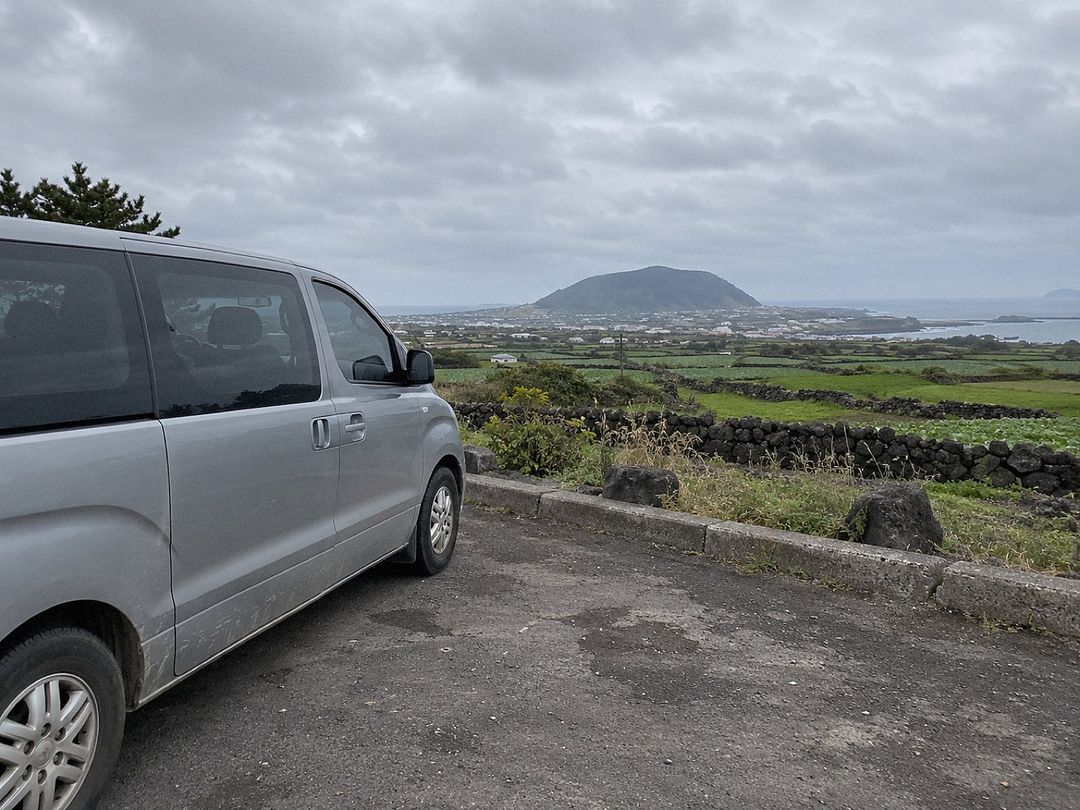
Jeju private car charter with driver
A car and driver for the day, a comfortable middle ground between tours and self-driving.
Check on Klook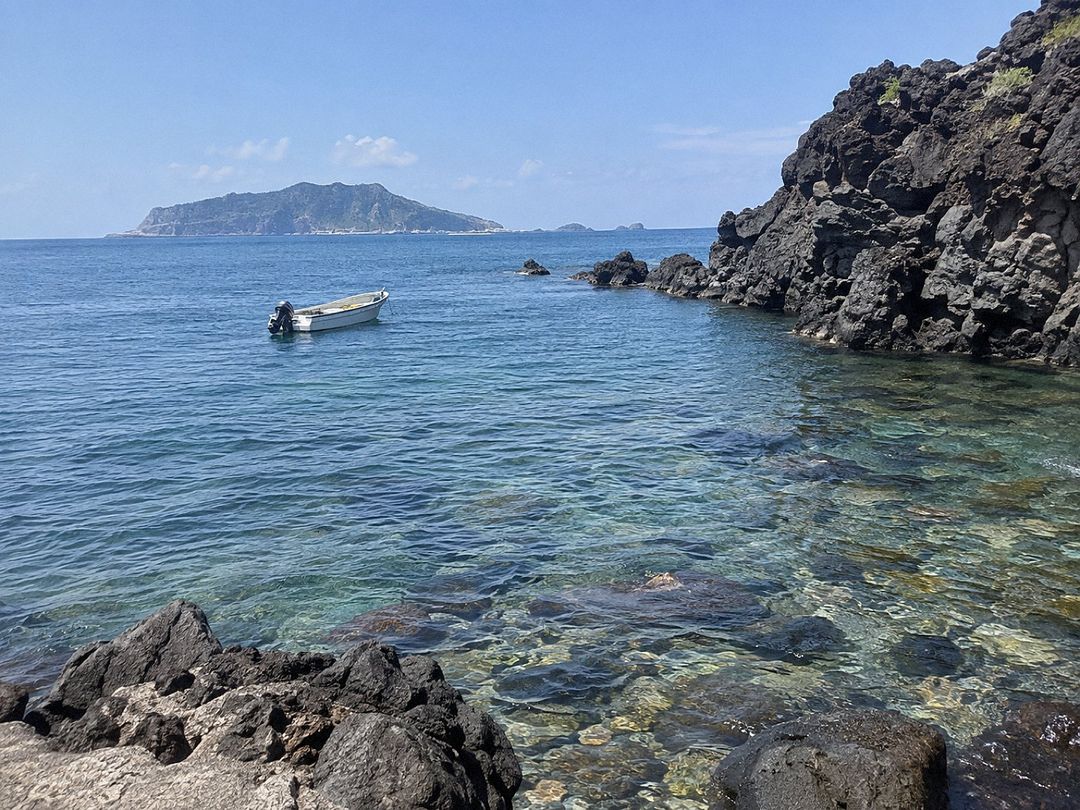
Jeju snorkelling or boat tour
Time on the water around the island's clear coves and offshore rocks.
Check on GetYourGuide
Some links on this page are affiliate links: if you book through them we may earn a commission at no extra cost to you. It never decides what we recommend. Affiliate disclosure.
Frequently asked questions
Do I need a reservation to climb Hallasan?
Only to reach the summit crater, Baengnokdam. The two summit trails, Seongpanak (9.6 km, about 4.5 hours one way) and Gwaneumsa (8.7 km, about 5 hours one way), use a daily quota booked on the official Hallasan reservation site. Bookings open at 09:00 on the first working day of each month for the following month, and you show a QR code at the checkpoint. Since May 2025 the lower sections, up to Jindallaebat Shelter on Seongpanak and Samgakbong Shelter on Gwaneumsa, can be walked without a booking. No-shows without cancellation are barred from booking for three months, or one year on a second offence.
What time do I need to start a Hallasan hike?
Trails open at 06:00 in winter, 05:30 in spring and autumn and 05:00 in summer, and there are seasonal cut-off times at the trailheads and shelters so that everyone is down before dark. On the summit trails the last entry is around midday, so plan an early start. Trails close completely in heavy rain, snow or typhoon warnings.
Is Manjanggul Lava Tube open?
Yes. Manjanggul reopened on 30 May 2026 after closing in late 2023 following a rockfall. About 1 km of the cave is open, now fitted with a level walkway.
Is there a special visa rule for Jeju?
Jeju has its own visa-free entry scheme for travellers who arrive directly at Jeju Airport or Jeju Port, with a list of excluded nationalities set by the Ministry of Justice; conditions such as length of stay and staying on the island apply. Check with the Korean embassy before relying on it. Travellers who also visit the mainland follow the national rules — see the K-ETA guide.
Sources
Facts on this page were checked against these sources on 2 October 2026. Prices, hours and rules change — confirm with the operator before you go.
- Hallasan National Park - FAQ (Jeju Special Self-Governing Province) (Korean) · official
- Hallasan trail reservation system - reservation guide (Korean) · official
- Jeju World Natural Heritage Center - Manjanggul reopening notice (from 30 May 2026) (Korean) · official
- National Archives of Korea - Mt Hallasan · official
- 2년 5개월 만에 다시 열린 만장굴 (TellTrip) (Korean)
- Ministry of Justice - Jeju visa-free entry excluded countries notice (Korean) · official
- 제주 무사증 제도 관련 보도 (Financial News, 2026-09-18) (Korean)
- 제주 뱃길 운항 중단 보도 (Kyunghyang Shinmun, 2025-11-21) (Korean)