Suncheon 순천
Suncheon is worth a full day on the Jeolla KTX line: one ₩10,000 ticket covers the Suncheon Bay reed wetland and the National Garden, 20–35 minutes from the station on bus 66. Stay a night to add the walled village of Naganeupseong (₩4,000) or the free mountain temples. The garden and wetland close on the last Monday of each month.
Updated
Is Suncheon worth it?
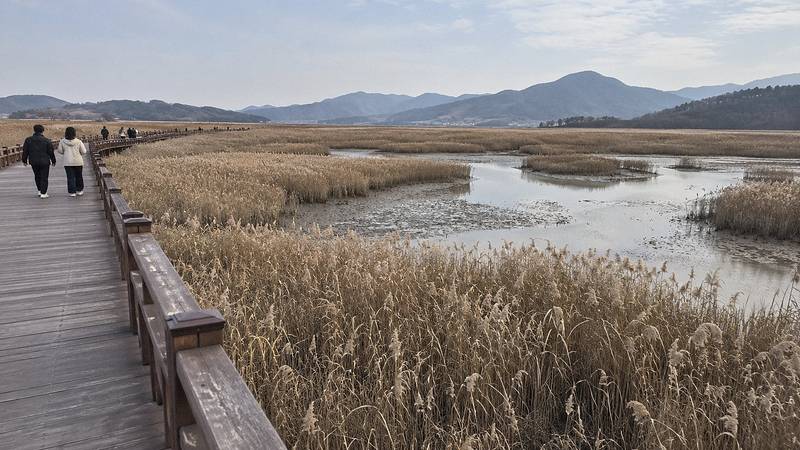
Suncheon, on the south coast of Jeolla, is known across Korea for one thing above all: Suncheon Bay, a tidal bay whose reed beds, the largest in the country, turn gold in autumn and draw migratory birds in winter. Next to it lies the Suncheonman National Garden, built for the 2013 garden expo and now one of Korea’s busiest attractions. One ticket covers both, so a single long day from the KTX station is enough for the bay. With a night, add Naganeupseong, a walled Joseon town where people still live in thatched houses, or the two old monasteries on Jogyesan. Since 1 July 2026 Suncheon has been part of the Jeonnam-Gwangju Integrated Special City (전남광주통합특별시), and official addresses now use that name.
| Your situation | Do this |
|---|---|
| On a KTX trip along the Jeolla line, one day free | Bus 66 to the National Garden, Skycube to the wetland, walk to Yongsan Observatory, bus 66 back |
| Two days | Day two at Naganeupseong (bus 63), or Seonamsa and the trail over Jogyesan to Songgwangsa |
| Arriving on a Monday | The Skycube, eco boat and tea centre do not run; take bus 66 between the two sites. On the last Monday of the month (30 November, 28 December 2026) the garden and wetland are closed |
| Here in November–February | Go early: wetland ticket sales end at 17:00 and the paths have no lights after dark |
| Staying in Yeosu | Suncheon is 20 minutes by train or about 70 minutes on bus 3002; do it as a day trip |
| Coming by bus from Seoul | Express bus from the Central City side of Seoul Express Bus Terminal, about 3 h 40 |
| Sight | Adult | Hours (November) | Closed |
|---|---|---|---|
| National Garden + Wetland (one ticket) | ₩10,000 | Garden 09:00–20:00, last entry 19:00; wetland tickets 08:00–17:00 | Both: last Monday of each month |
| Skycube (garden ↔ wetland) | ₩8,000 return, ₩6,000 one way | From 10:00; last car 17:00 from the garden | Mondays |
| Naganeupseong | ₩4,000 | Tickets 09:00–17:30 | No closing day |
| Seonamsa | Free | 07:00–19:00 (December–February to 18:00) | No closing day |
| Songgwangsa | Free | 09:00–17:00 (April–October 08:00–18:00) | No closing day |
| Drama Filming Site | ₩3,000 | 09:00–18:00, tickets to 17:00 | No closing day |
From each site’s official page, checked 3 November 2026. The garden and wetland take most of a day together; Naganeupseong and each temple are half-day trips by country bus.
Suncheon Bay Wetland
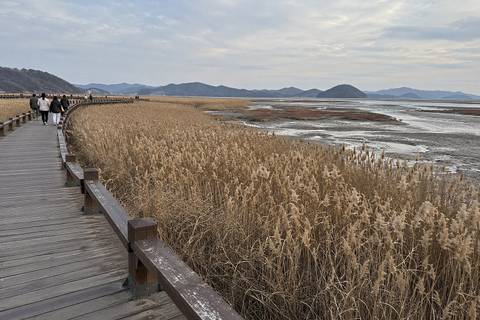
Suncheon Bay Wetland has its own page with fees, walks, bus 66 and crane tours. The bay is a wide estuary where the Dongcheon river meets the sea, ringed by tidal flats and about 1.6 million pyeong (some 5 km²) of reeds. It is a Ramsar wetland and, since 2021, part of the UNESCO World Heritage site Getbol, Korean Tidal Flats, together with flats on the west coast; see UNESCO sites in Korea. Boardwalks lead from the entrance across the reed beds to Mujin Bridge, and a path climbs the wooded hill beyond to Yongsan Observatory, rebuilt and reopened in July 2025. The climb from the start of the Yongsan trail to the top takes about 30 minutes, on top of the boardwalk walk from the entrance. The view is of round islands of reeds and the S-shaped channels of the bay, best in the late afternoon. There is no shop on the hill, so bring water.
The reeds are greenest in summer, turn yellow in September and October, and release their seed heads in November. In winter, hooded cranes and other migratory birds feed in the fields and flats around the bay. In November and December 2026 the wetland runs guided bird-watching walks on Fridays, weekends and holidays (₩10,000, book on the wetland website) and evening stargazing at its small observatory. The eco boat along the channel takes 30 minutes (₩7,000) or 60 minutes (₩12,000); it is sold only at the counter, runs by the tide and needs at least four passengers, and it does not sail on Mondays.
H5 bird flu was confirmed in wild bird droppings at the bay on 20 October 2026, and local news reported disinfection and visitor controls at the wetland. No closure notice was posted as of 4 November, but call 061-749-6052 before you travel.
Suncheonman National Garden
The National Garden spreads along both banks of the Dongcheon river, about 7 km north of the wetland. Built for the 2013 International Garden Expo and enlarged for a second expo in 2023, it was designated Korea’s first national garden. It is a mix of themed gardens from different countries, lakes, a spiral “Lake Garden” of grass mounds, a children’s zoo and greenhouses. It opens 09:00–20:00, with last entry at 19:00, and closes on the last Monday of each month. In late October 2026 the outdoor flamingo yard and the parrot greenhouse closed because of avian influenza; the flamingos can only be seen indoors.
Tickets. The adult ticket is ₩10,000 (ages 13–18 ₩7,000, 7–12 ₩5,000); under-7s and over-65s are free. It is valid on the day of purchase for both the garden and the wetland, with one re-entry if you get an exit stamp. A ₩5,000 night ticket, sold from 17:00, covers the garden only. A ₩12,000 city pass adds Naganeupseong and the drama set to the garden and wetland, worth it if you see all four.
The Skycube, small driverless cabins on an elevated track, runs 4.6 km from the garden to Suncheon Bay Station on the wetland side in about 10 minutes; a free little “reed train” carries Skycube riders on to Mujin Bridge. It costs ₩8,000 return or ₩6,000 one way, is sold only to people with a garden or wetland ticket, and does not run on Mondays. Cars run from 10:00; from November to February the last leaves the garden at 17:00 and the wetland at 17:30. Bus 66 links the two sites if you skip it.
Naganeupseong Folk Village
West of the city, Naganeupseong is one of the best-preserved walled county towns of the Joseon dynasty. A 1,410 m stone wall, 4–5 m high, encloses some 290 thatched houses, gardens and a few government buildings, and about 230 people still live inside. Walk the rampart for the view over the roofs, then the lanes between the houses; people live here, so stay out of private yards. Tickets cost ₩4,000 (youth ₩2,500, child ₩1,500) and are sold until 17:30 from November to January, 18:00 in February–April and October, and 18:30 from May to September. It is open every day. A folk culture festival is held in October. Buses 63, 61 and 68 take about 35 minutes from the bus terminal but run only every hour or two. See fortresses and hanok villages.
Seonamsa, Songgwangsa and Jogyesan
Two important monasteries sit on opposite sides of Jogyesan (888 m), a provincial park north-west of the city. Both are free to enter.
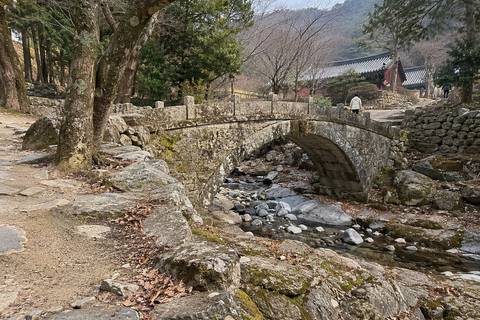
Seonamsa, on the east side, is one of the seven mountain monasteries inscribed by UNESCO in 2018 as Sansa, Buddhist Mountain Monasteries in Korea, and the Taego Order’s central temple in the Honam region. The path up from the bus stop passes Seungseongyo, a semicircular stone bridge listed as a Treasure, and the temple is known for its old plum trees, which flower in early spring. It opens 07:00–19:00 (06:00–19:30 in summer, to 18:00 from December to February). Bus 1 takes about 50 minutes from the bus terminal; the Seonamsa page has the bus times both ways. Nearby, the Wild Tea Experience Center runs tea-making sessions in hanok buildings (₩10,000 per adult for groups of five or more, book two weeks ahead by phone; closed Mondays).
Songgwangsa, on the west side, is one of the Three Jewel Temples of Korea: the temple of the Sangha, the community of monks, with a long line of eminent Seon masters, and still a large training monastery. Its halls stand along a stream crossed by a pavilion. Visiting hours are 09:00–17:00 from November to March and 08:00–18:00 from April to October. Its Seongbo Museum is free and closed on Mondays. Bus 111 takes about 1 h 25 min from the terminal, and two direct buses a day run from Seoul’s Central City terminal; the Songgwangsa page has both timetables. Songgwangsa runs a temple stay programme.
A forest trail over the ridge links the two temples; allow 3–4 hours and set off by late morning so you can catch a bus back. Some trails in Korean parks close in late autumn for wildfire prevention, so check at the temple before setting out. More on both monasteries: temples in Korea.
The city centre
Suncheon’s centre is a working town rather than a sight, but it has two lively markets. Aratjang, near the bus terminal, is the big one, with market days on dates ending in 2 and 7 and a night market of food stalls on Friday and Saturday evenings (18:00–22:00). Utjang, north of the centre, holds its market on dates ending in 5 and 0 and has an alley of pork gukbap restaurants. Other dishes to look for are jjangttungeo-tang, a soup of mudskippers from the bay, and set meals of blood cockles. More on regional cooking: Korean food.
On a hillside in the city, the Suncheon Drama Filming Site recreates streets of 1960s–80s Seoul and Suncheon, with about 200 buildings used in Korean films and dramas. It costs ₩3,000, opens 09:00–18:00 (tickets until 17:00) and has no closing day; buses 71 and 77 run there frequently.
Getting there and around
From Seoul, the KTX on the Jeolla line runs from Yongsan to Suncheon in about 2 h 25 – 2 h 50, roughly 18 times a day; four more trains a day run from Suseo. The same trains serve Jeonju about an hour north and end at Yeosu Expo Station 20 minutes south. Times above are from a timetable mirror of Korail data; book on Korail, and see KTX and trains and the Korail Pass.
Express buses leave from the Central City building of Seoul Express Bus Terminal: 16 a day on 5 November 2026, about 3 h 40, from ₩24,800. Four a day come from Busan’s main express terminal (about 2 h 55, from ₩22,600). Since 1 September 2026 the express city bus 3002 links Suncheon Station with Yeosu Airport and Yeosu for ₩1,700, in about 70 minutes end to end. See long-distance buses.
In town, bus 66 is the key route: from the bus terminal and Suncheon Station to the National Garden’s east gate (about 20 minutes from the station) and on to the wetland, about 30 times a day. Country buses to Naganeupseong and the temples are infrequent, so note the return times when you get off. T-money and other transit cards work on all city buses.
When to go
Late October to November is the classic season, when the reeds are gold and the trees around the temples turn; it is also the busiest, especially at weekends. Winter is quiet and best for birds, but days are short and the wetland closes early. Spring brings the plum blossom at Seonamsa and the garden’s flower beds, and summer is hot and humid, with green reeds. For the rest of the region, see the Jeolla guide.
Book your trip
Top attractions in Suncheon
Suncheon Bay and the National Garden
South of the city centre: the Suncheonman National Garden on the Dongcheon river and, 7 km further south, the reed beds and tidal flats of Suncheon Bay Wetland, linked by the Skycube.
Suncheon Bay Wetland
Korea's largest reed beds, crossed by boardwalks over a tidal bay; part of the UNESCO Getbol listing; the garden ticket covers it.
Yongsan Observatory
Viewpoint on a hill at the end of the wetland walk, over the S-shaped channels of the bay; rebuilt and reopened in July 2025.
Suncheonman National Garden
Korea's first national garden, built for the 2013 expo: themed gardens, lakes and grass mounds; closed the last Monday of each month.
Skycube
Small driverless cabins on an elevated track, 4.6 km and about 10 minutes from the garden to the wetland side; not on Mondays.
City centre
The area between Suncheon Station and the Comprehensive Bus Terminal, with the two traditional markets and the drama filming set on the hill behind them.
Aratjang Market
The big traditional market near the bus terminal, busiest on days ending in 2 and 7, with a Friday and Saturday night market.
Utjang Market
The older market north of the centre, known for its alley of pork gukbap restaurants; market days end in 5 and 0.
Suncheon Drama Filming Site
A rebuilt hillside of 1960s–80s Seoul and Suncheon streets used in Korean dramas and films; ₩3,000, open every day.
Naganeupseong and Jogyesan
The countryside around the city: the walled Joseon town of Naganeupseong to the west, and the mountain Jogyesan to the north-west with Seonamsa and Songgwangsa on opposite sides.
Naganeupseong Folk Village
A walled Joseon county town where people still live in some 290 thatched houses inside a 1.41 km wall; ₩4,000.
Seonamsa Temple
Monastery on Jogyesan reached over an arched stone bridge, with old plum trees; one of the UNESCO Sansa; free.
Songgwangsa Temple
One of Korea's Three Jewel Temples, a training monastery on the far side of Jogyesan; free, with a direct bus from Seoul.
Jogyesan Provincial Park
The 888 m mountain between the two temples; a forest trail over the ridge links Seonamsa and Songgwangsa.
Suncheon Wild Tea Experience Center
Hanok complex near Seonamsa where you can learn to make tea from wild tea plants; book two weeks ahead, closed Mondays.
Suncheon by interest
Getting to Suncheon
| From | How | Time | Notes |
|---|---|---|---|
| Yongsan Station (Seoul) | KTX (Jeolla line) to Suncheon | about 2 h 25 min – 2 h 50 min | About 18 KTX trains a day, from about 05:00 to 22:00; a few slower trains take over 3 hours. Four KTX-Sancheon trains a day also run from Suseo in southern Seoul. Book on Korail. |
| Seoul Express Bus Terminal (Central City) | Express bus to Suncheon | about 3 h 40 min | 16 buses a day on 5 November 2026, 06:10 to a 23:10 night bus: standard ₩24,800, premium (우등) ₩36,700, Premium class ₩47,700. Leaves from the Central City building. Book on Kobus. |
| Jeonju | KTX to Suncheon | about 1 h | Jeonju and Suncheon are on the same Jeolla line, so the trains from Yongsan link the two. |
| Yeosu Expo Station | Train or bus 3002 | about 20 min by train, 70 min by bus | More than 30 trains a day run the 20-minute hop. The new express city bus 3002 (since 1 September 2026) links Yeosu, Yeosu Airport and Suncheon Station for ₩1,700. |
| Busan | Express bus to Suncheon | about 2 h 55 min | Four buses a day from Busan's main express bus terminal on 5 November 2026, from ₩22,600. |
Suncheon Station (KTX and other trains) and the Comprehensive Bus Terminal are separate stops in the city centre; city buses 66 and 111 serve both. Train times and counts are from a timetable mirror of Korail data for 5 November 2026; bus times and fares are from the Kobus booking system for the same day.
Getting around
City bus 66 is the one most visitors need: about 30 runs a day from the bus terminal and Suncheon Station to the National Garden's east gate (about 20 minutes from the station) and on to Suncheon Bay Wetland. Bus 101 loops around the garden. For Naganeupseong take bus 63, 61 or 68 (about 35 minutes from the terminal, roughly every 1–2 hours); for Seonamsa bus 1 (about 50 minutes); for Songgwangsa bus 111 (about 1 h 25 min). Country routes are infrequent, so check return times when you arrive. T-money and other Korean transit cards work on the buses, with a free transfer within 60 minutes. For tourist information, call 1330.
Long-distance trains: see KORAIL PASS and transportation in Korea.
Itineraries
A day on the KTX line
Arrive by morning KTX and take bus 66 to the National Garden. Spend the morning in the garden, ride the Skycube to the wetland side (not on Mondays), walk the boardwalks to Yongsan Observatory, and take bus 66 back to the station for an evening train to Yeosu or Seoul.
Two days in Suncheon
Day one: garden and wetland as above. Day two: bus 63 to Naganeupseong in the morning, then back to town for gukbap at Utjang Market; or take bus 1 to Seonamsa and, if you are a fit hiker, cross Jogyesan to Songgwangsa and return on bus 111.
The Jeolla line by rail
Combine Suncheon with Jeonju, about an hour north on the same KTX line, and Yeosu, 20 minutes south, for a three- or four-day rail trip from Seoul. Gwangju is about 1 h 30 by intercity bus.
Where to stay in Suncheon
Suncheon Station area
Business hotels and motels around the station, with bus 66 to the garden and wetland from the stop in front.
Best for: Rail travellers, short stays
See hotels in Suncheon Station areaBus terminal and Aratjang Market
The busiest part of the centre, close to the terminal, the market and the night market, with buses to all the main sights.
Best for: Arriving by bus, market food
See hotels in Bus terminal and Aratjang MarketNear the National Garden
Hotels and guesthouses on the east side of the city near the garden, quieter in the evening and one stop from the wetland.
Best for: Early starts at the garden and wetland
See hotels in Near the National Garden
Some links on this page are affiliate links: if you book through them we may earn a commission at no extra cost to you. It never decides what we recommend. Affiliate disclosure.
Food and restaurants in Suncheon
Suncheon shares Jeolla's reputation for generous tables. The city's own tourism office promotes a full hanjeongsik spread, the Suncheon hansang, alongside dishes from the bay's tidal flats.
What to eat
| Jjangttungeo-tang 짱뚱어탕 | A thick soup of mudskipper, a small fish of the mudflats, cooked with soybean paste and greens; a speciality of the restaurants near the wetland. |
|---|---|
| Kkomak jeongsik 꼬막정식 | A set meal built around blood cockles from the bay, served boiled, seasoned and mixed into rice. |
| Pork gukbap 돼지국밥 | Rice soup with pork and sundae (blood sausage), the classic market meal of Utjang's gukbap alley. |
Where to eat
- Utjang Market gukbap alley — The place for a cheap, filling lunch in the centre.
- Aratjang night market — Food stalls on Friday and Saturday evenings, 18:00–22:00, near the bus terminal; see Korean food.
Experiences and tours in Suncheon
Suncheon Bay day tours
Guided day trips to the wetland and the National Garden, useful if you are coming from Yeosu or Busan without a car.
Check on Klook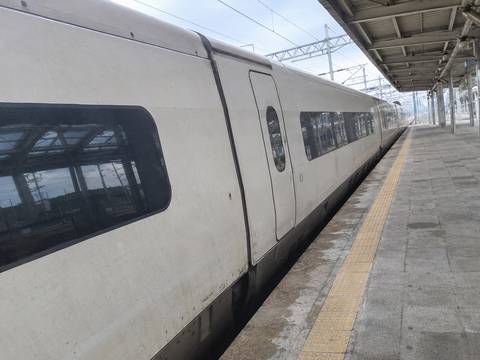
KTX and rail passes
Rail passes for foreign visitors, for a Jeolla line trip from Seoul via Jeonju and Suncheon to Yeosu.
Check on Klook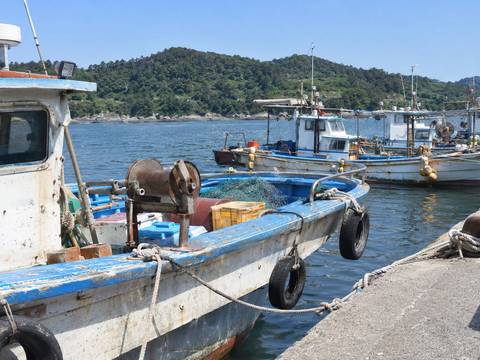
South coast tours
Tours that pair Suncheon Bay with Yeosu's harbour and island viewpoints.
Check on GetYourGuide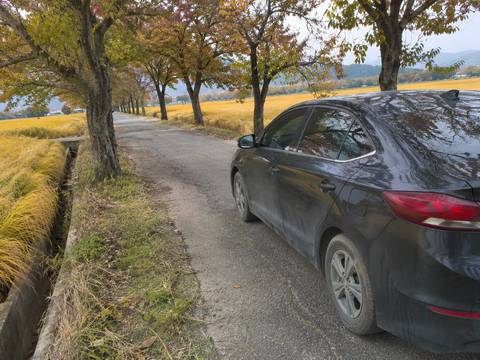
Private car with driver
A driver for the day links the wetland, Naganeupseong and the Jogyesan temples, which are far apart by country bus.
Check on Klook
Some links on this page are affiliate links: if you book through them we may earn a commission at no extra cost to you. It never decides what we recommend. Affiliate disclosure.
Frequently asked questions
Is Suncheon worth visiting?
Yes, for a full day or one night on a trip along the south coast. The Suncheon Bay reed wetland and the National Garden are among the most visited sights in Korea and share one ₩10,000 ticket. Add Naganeupseong or the Jogyesan temples if you stay a second day.
How do I get from Seoul to Suncheon?
Take the KTX on the Jeolla line from Yongsan: about 2 h 25 – 2 h 50, roughly 18 trains a day. Express buses from the Central City terminal take about 3 h 40, 16 a day, from ₩24,800.
Does one ticket cover the National Garden and Suncheon Bay Wetland?
Yes. The ₩10,000 adult ticket (youth ₩7,000, child ₩5,000) admits you to both on the day you buy it, with one re-entry. The ₩5,000 night ticket from 17:00 is for the garden only. The Skycube between them costs extra: ₩8,000 return.
How do I get from Suncheon Station to Suncheon Bay?
Take city bus 66 from the stop at the station: about 20 minutes to the National Garden's east gate and around 35 minutes to the wetland. It runs about 30 times a day. From the garden you can also ride the Skycube to the wetland side, except on Mondays.
Can you hike between Seonamsa and Songgwangsa?
Yes. A forest trail crosses Jogyesan between the two temples; plan on 3–4 hours and start early. Bus 1 serves Seonamsa and bus 111 Songgwangsa, so you can go out on one and return on the other. Both temples are free.
Sources
Facts on this page were checked against these sources on 12 November 2026. Prices, hours and rules change — confirm with the operator before you go.
- 순천만국가정원 – 이용요금 (정원·습지 공통 입장권) (Korean) · official
- 순천만국가정원 – 관람안내 (이용시간, 매월 마지막주 월요일 휴무) (Korean) · official
- 순천만국가정원 – 찾아오시는 길 (66번 버스) (Korean) · official
- 순천만습지 – 매표(입장) 시간 (Korean) · official
- 순천만습지 – 용산전망대 (Korean) · official
- 순천만습지 – 생태체험선 (Korean) · official
- 순천만습지 – 순천만 연혁 (람사르, 유네스코 세계자연유산 2021) (Korean) · official
- 순천만습지 – 겨울 생태탐험 프로그램 공지 (2026.11–12) (Korean) · official
- SkyCube – 운행 안내 (Korean) · official
- 순천시 문화관광 – 시내버스 안내 (Korean) · official
- 순천 낙안읍성 – 관람요금·매표시간 (Korean) · official
- 순천 낙안읍성 – 인사말 (1,410m 성곽, 초가 290여 동) (Korean) · official
- 순천시 문화관광 – 선암사 (입장료 무료, 시내버스 1번) (Korean) · official
- 송광사 – 관람정보안내 (입장료 무료, 입장 시간) (Korean) · official
- 송광사 – 찾아오시는 길 (111번 버스) (Korean) · official
- 순천시 문화관광 – 조계산도립공원 (Korean) · official
- 두루누비 – 남도삼백리 9코스 천년불심길 (Korean) · official
- 순천시 문화관광 – 순천드라마촬영장 (이용안내) (Korean) · official
- 순천시 문화관광 – 순천야생차체험관 (Korean) · official
- 순천시 문화관광 – 아랫장 야시장 (Korean) · official
- 순천시 문화관광 – 웃장 (Korean) · official
- 순천시 문화관광 – 순천 대표 음식 (짱뚱어탕, 꼬막정식, 국밥, 순천한상) (Korean) · official
- 순천시청 – 올타 3002 광역급행버스 안내 (기본요금 1,700원) (Korean) · official
- 고속버스통합예매 – 센트럴시티·부산→순천 배차조회 (2026.11.05) (Korean) · official
- 코레일 보도자료 – 9월부터 고속철도 통합 운영, 운임 인하 (2026-08-05) (Korean) · official
- 기차 시간표 – 용산역→순천역 (2026.11.05) (Korean)
- UNESCO – Getbol, Korean Tidal Flats · official
- MTN – 순천~여수 광역급행버스 3002 운행 (2026-09-14) (Korean)