Region of South Korea
Jeju 제주
Korea's volcanic island province of craters, lava coasts, waterfalls, beaches and walking trails.
Updated
Jeju is South Korea’s largest island and a province of its own, lying in the sea south of the Jeolla coast, an hour’s flight from Seoul. Since 2006 it has been a special self-governing province, and it is divided into just two administrative cities: Jeju City on the north coast, where the airport and most of the population are, and Seogwipo on the south coast. Its subtropical edge, volcanic landscape and relaxed pace make it the country’s favourite domestic holiday destination.
The whole island is the product of volcanic activity. At its centre rises Hallasan, at 1,947 m the highest mountain in South Korea, and its slopes are dotted with hundreds of smaller cones known locally as oreum. Hallasan, the tuff cone of Seongsan Ilchulbong and the Geomunoreum lava tube system were inscribed together by UNESCO as a natural World Heritage Site in 2007. Along the coast, black basalt shores alternate with white-sand beaches, waterfalls drop straight into the sea near Seogwipo, and hexagonal lava columns line the cliffs.
Jeju also has a distinct culture. Its dialect differs strongly from standard Korean, villages are enclosed by dry-stone walls of black lava rock, and the haenyeo, women who free-dive for shellfish and seaweed, remain an emblem of the island. Local food centres on black pork, fresh seafood and tangerines, which are harvested in late autumn and winter.
Many visitors come for the outdoors. The long-distance Jeju Olle trail network circles the island in walkable stages, Hallasan has several summit and partial routes, and the oreum make short, rewarding climbs with views across the farmland to the sea.
Spring brings yellow rapeseed and cherry blossoms, summer is the beach season, and autumn is often the most settled time for hiking, with silver grass covering the oreum. Winters are mild by Korean standards but windy. Almost all visitors fly in; frequent domestic flights connect Jeju with Seoul’s Gimpo Airport, Busan and other cities. The Jeju island guide covers sights by area, and the before you go section explains entry requirements for Korea.
Book your trip
Areas of Jeju
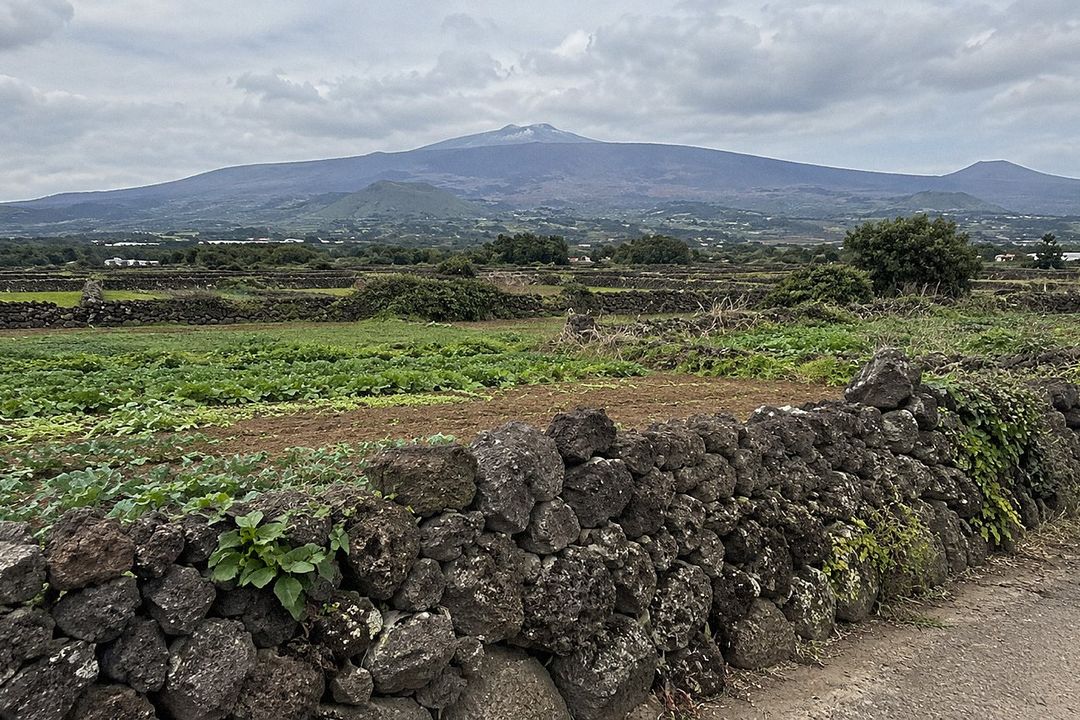
Jeju Island
The full island guide with sights, districts, food, hotels and itineraries.
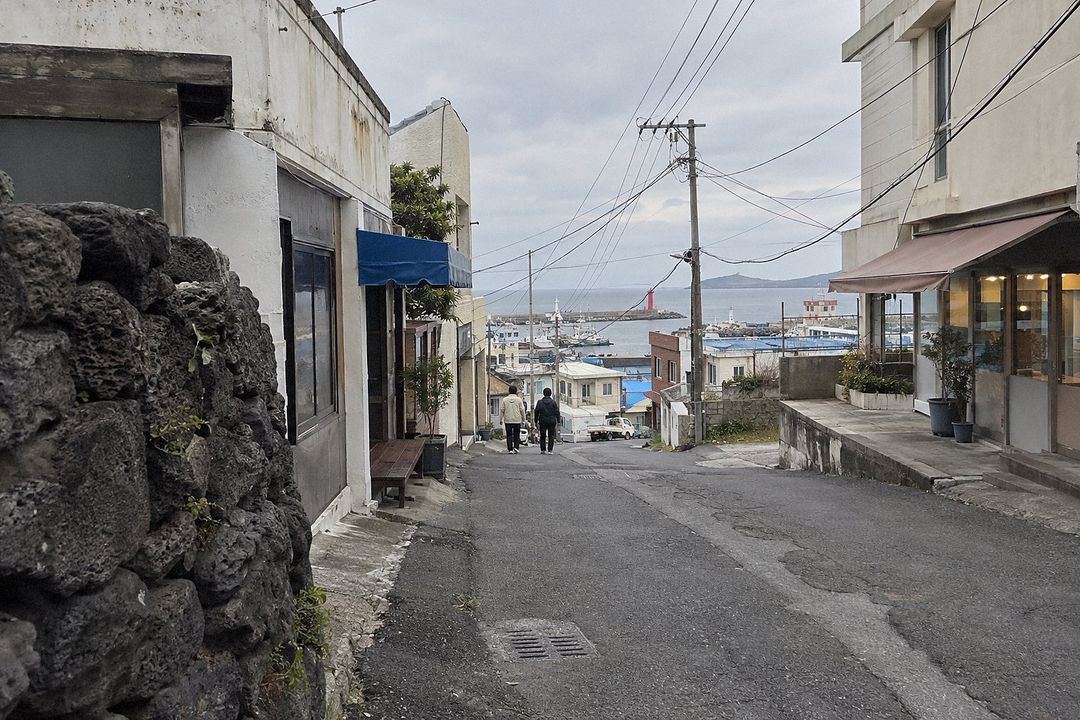
Jeju City
The island's main city and airport hub on the north coast, with markets and the old town.
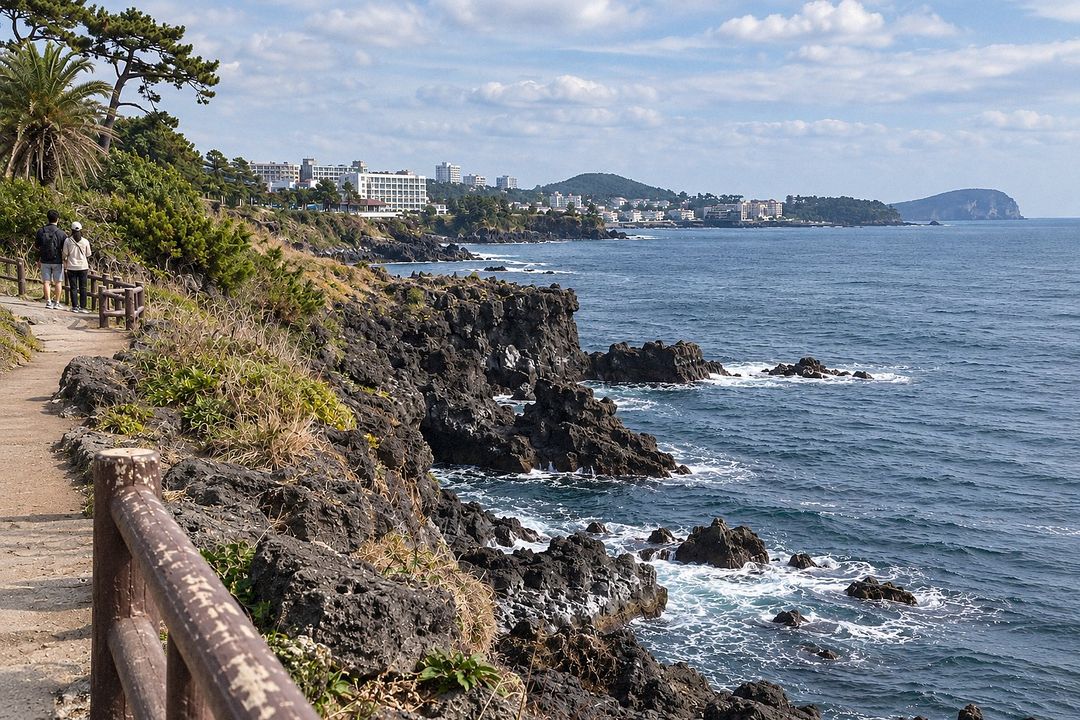
Seogwipo
The warmer south coast of waterfalls, sea cliffs, resorts and tangerine groves.
Top attractions in Jeju
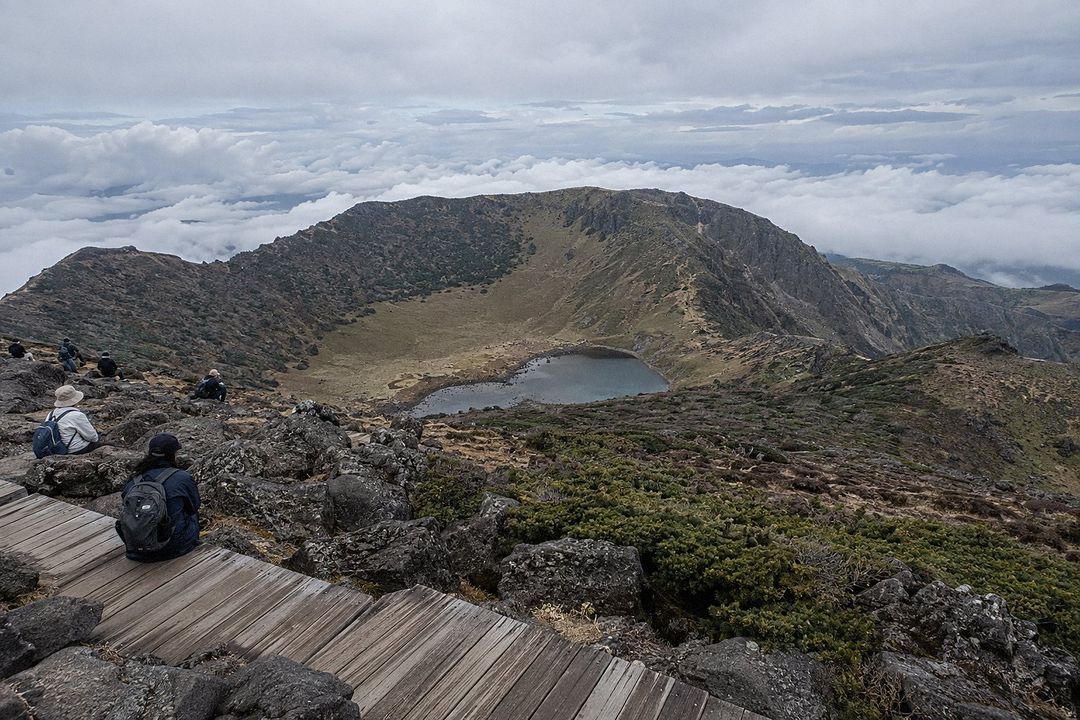
Hallasan
South Korea's highest peak. A long day hike leads to the Baengnokdam crater; summit trails need advance booking.
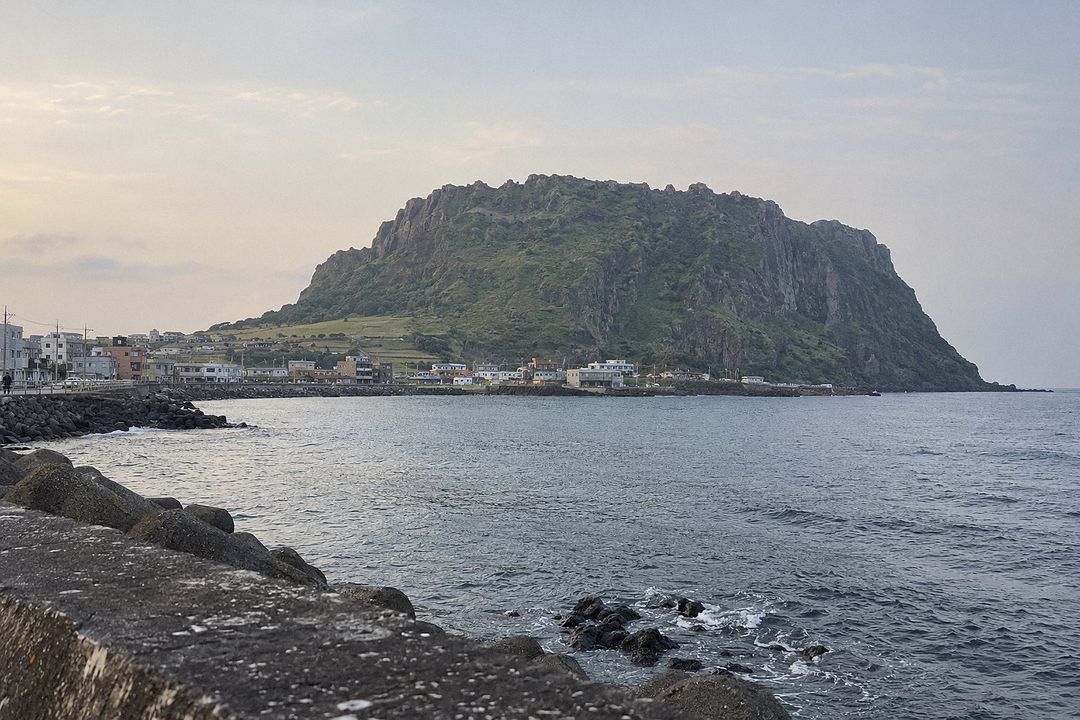
Seongsan Ilchulbong
A steep tuff cone rising from the sea at the eastern tip, climbed by a stair path to a vast grassy crater.
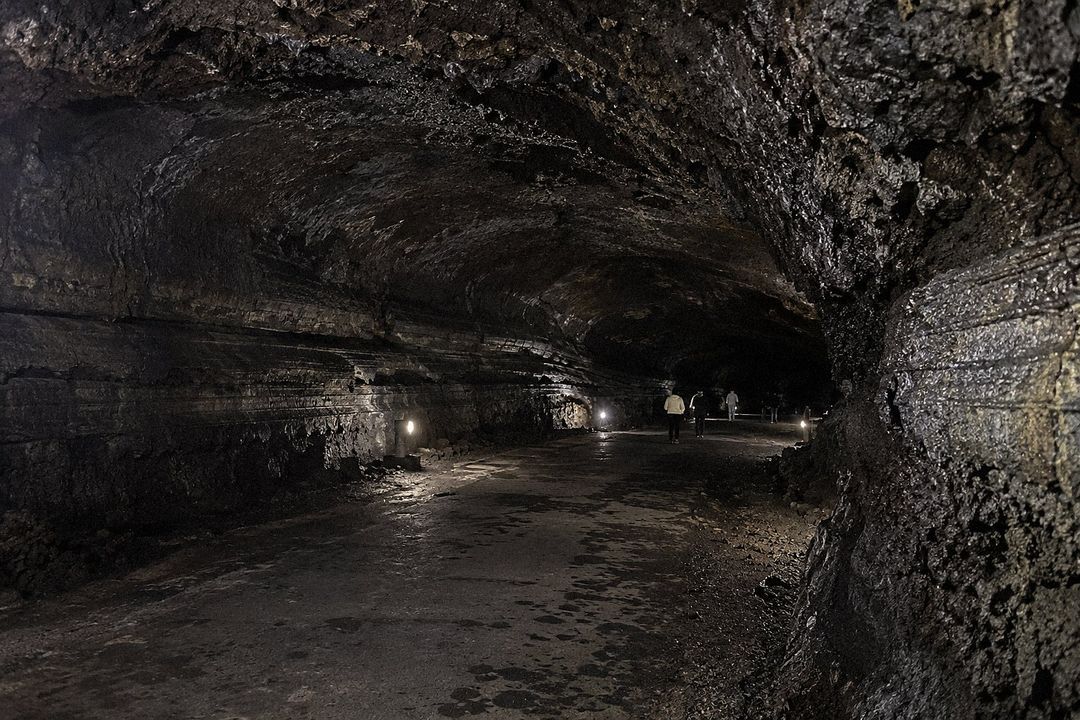
Manjanggul Lava Tube
A huge lava tube with a walkable section ending at a tall lava column; reopened in May 2026 after safety works.
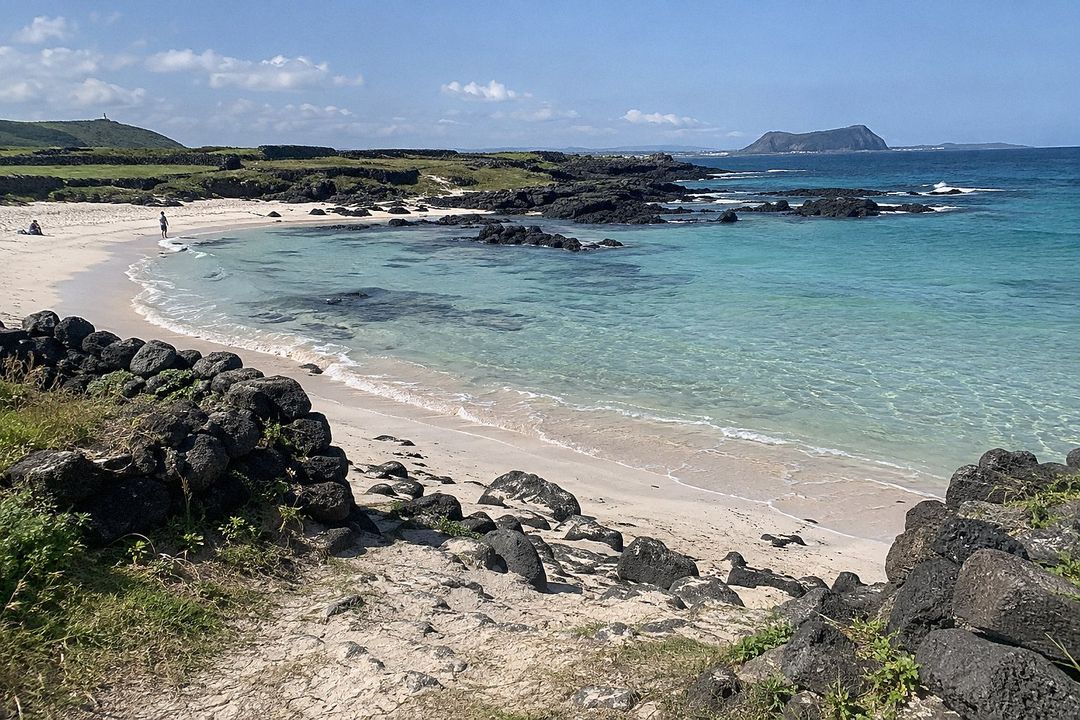
Udo
A small island a short ferry ride from Seongsan, ringed by white-sand beaches and famous for peanut ice cream.
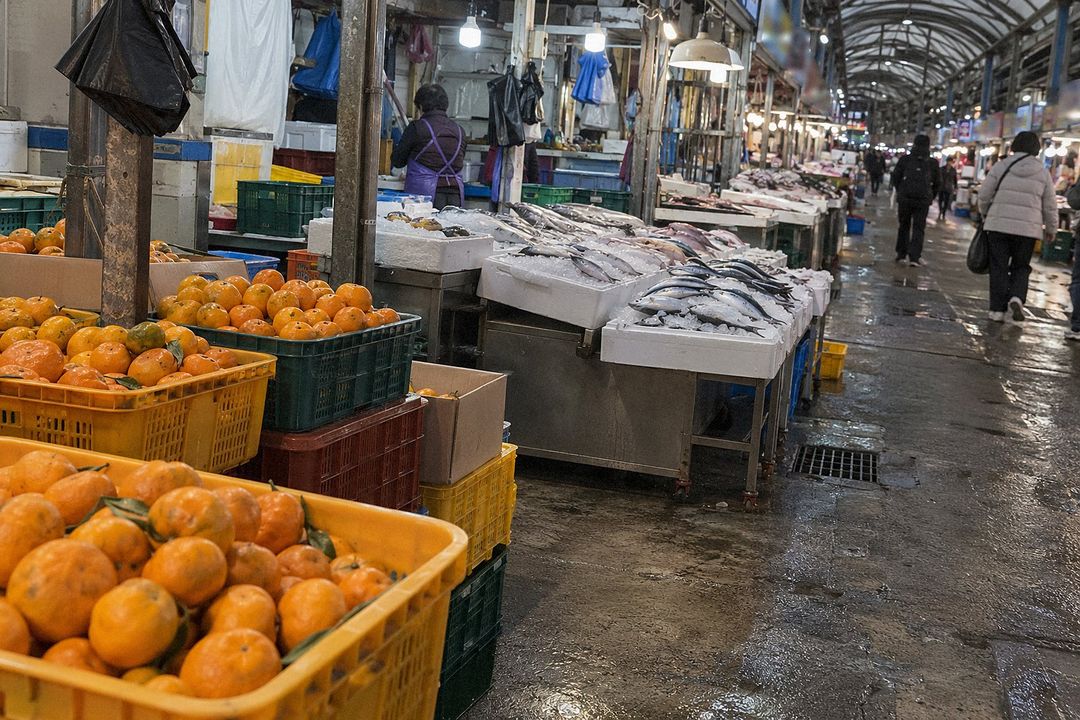
Dongmun Market
Jeju City's main traditional market, packed with tangerines, seafood and an evening street-food night market.
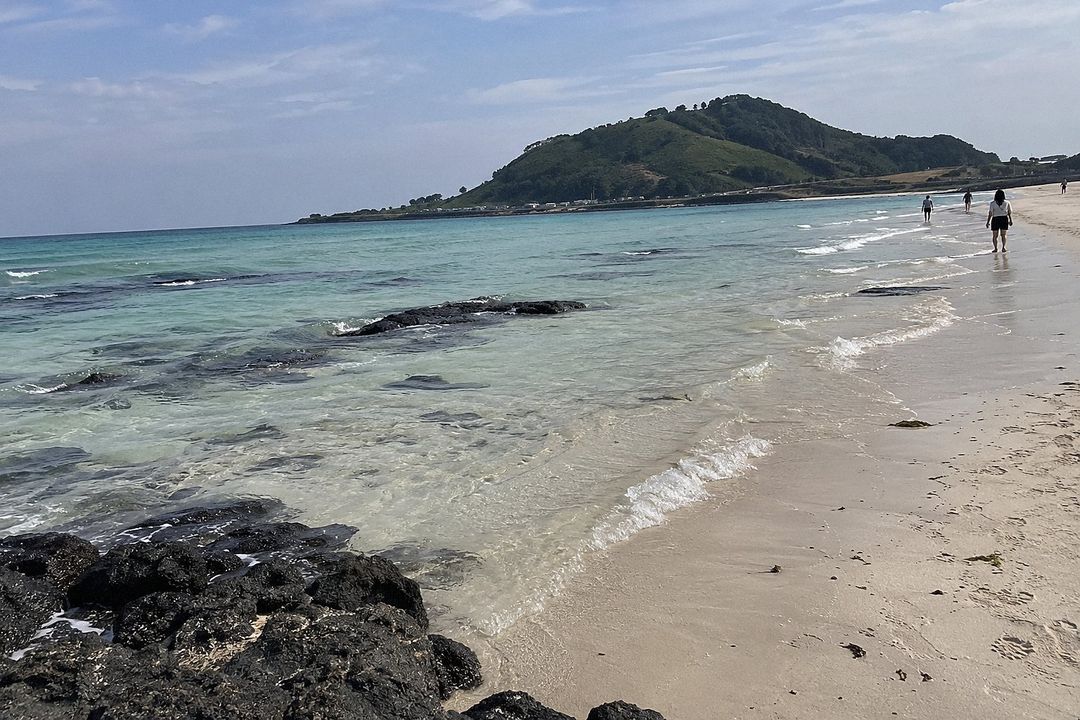
Hamdeok Beach
Shallow, clear water and pale sand east of Jeju City, with a small grassy hill for views over the bay.
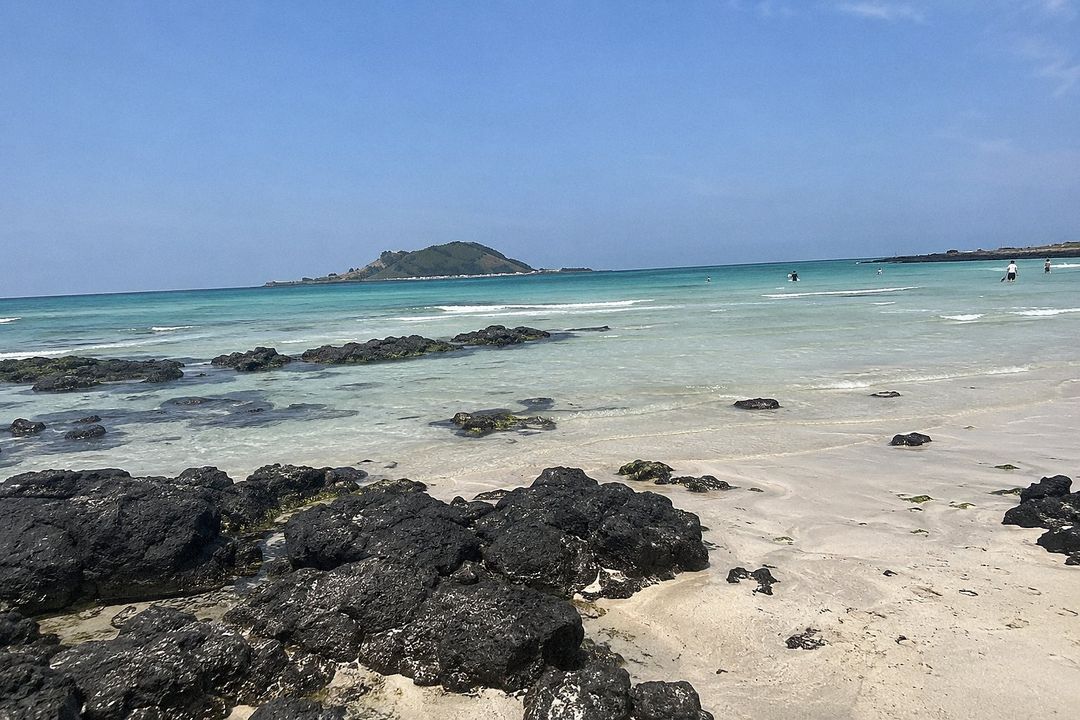
Hyeopjae Beach
One of the island's most beautiful beaches, with bright turquoise water facing the small island of Biyangdo.
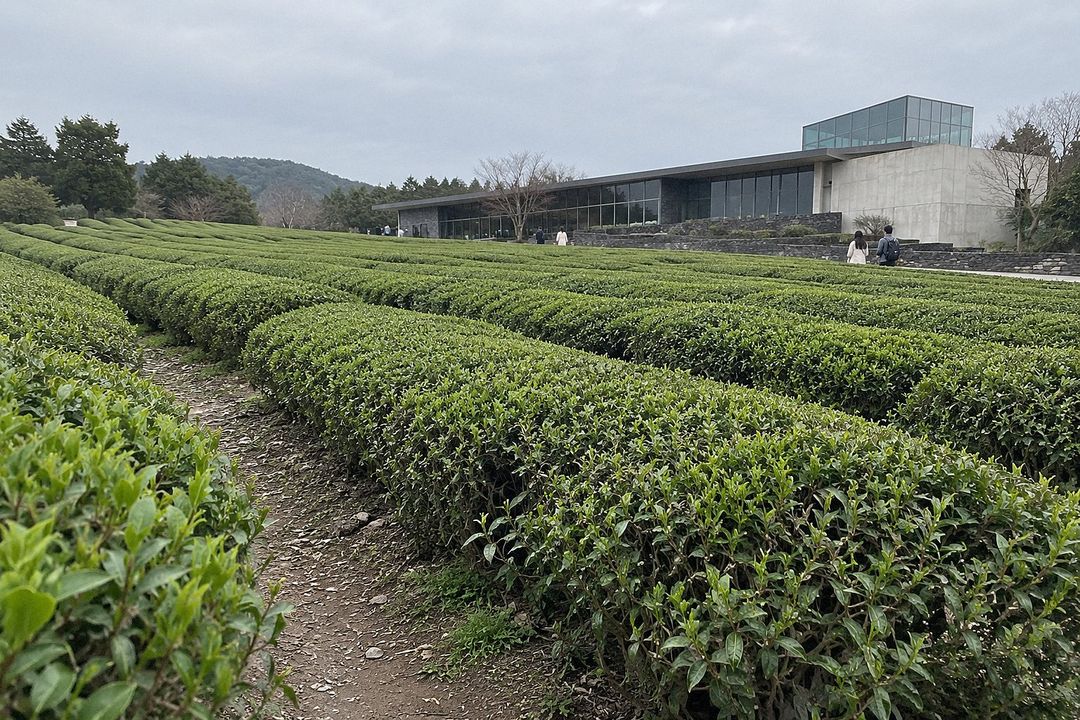
O'sulloc Tea Museum
A modern tea museum and cafe beside rolling green tea fields, known for green tea desserts.
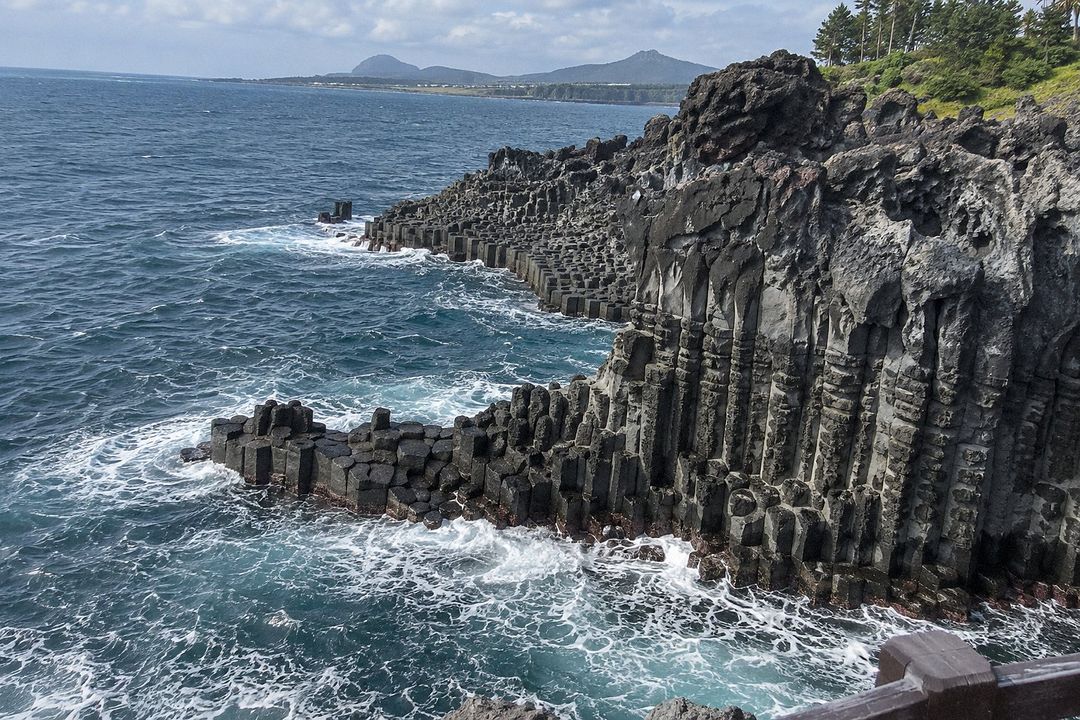
Jusangjeolli Cliff
Columns of hexagonal basalt stacked along the shore near Jungmun, pounded by surf.
Getting there
| From → to | How | Time | Notes |
|---|---|---|---|
| Gimpo Airport (Seoul) → Jeju International Airport | Domestic flight | about 1 h 10 min | One of the world's busiest air routes, with departures throughout the day; flight time only. |
| Gimhae Airport (Busan) → Jeju International Airport | Domestic flight | about 1 h | Flight time only. |
Times are typical fastest scheduled journeys. For rail passes see KORAIL PASS; for an overview see getting around Korea.
Sources
Facts on this page were checked against these sources on 2 October 2026. Prices, hours and rules change — confirm with the operator before you go.
- Visit Jeju (Jeju Tourism Organization, English) · official
- Visit Jeju (제주관광공사, Korean) (Korean) · official
- UNESCO World Heritage List: Jeju Volcanic Island and Lava Tubes · official
- 서울이 부산보다 멀리 있는데 왜 제주행 비행시간은 비슷할까? (Daum news, flight times) (Korean)
- '남한 최고봉' 제주 한라산 높이 1947m 재확인 (News1) (Korean)