Region of South Korea
Jeolla 전라
The fertile south-west, famed for its cooking, hanok streets, tidal wetlands and island-studded coast.
Updated
Jeolla is the south-western corner of the Korean peninsula, a region of broad rice plains, low mountains and a ragged coastline that breaks up into thousands of islands. It covers two provinces and one metropolitan city. The northern province, long known as North Jeolla, was relaunched in January 2024 as Jeonbuk State (전북특별자치도), a special self-governing province; South Jeolla (Jeollanam-do) takes in the southern coast and islands; and Gwangju, the largest city, is a separate metropolitan city in the middle of the region.
Food is the reason many Koreans travel here. Jeolla’s cooking is famous for generous spreads of side dishes, fermented seafood and regional dishes such as Jeonju bibimbap, and a meal in an ordinary local restaurant can be a highlight of a trip. Jeonju, the Jeonbuk capital, pairs this with its hanok village, a large district of traditional houses that has become one of the country’s most visited old quarters.
The south coast offers a different side of the region. Suncheon Bay is a vast tidal wetland of reed beds that turn gold in autumn and attract migratory birds in winter; its mudflats form part of the Getbol tidal flats listed by UNESCO in 2021. Nearby Yeosu has a scenic harbour and island viewpoints, while Mokpo is the gateway to the islands of the south-west. Inland, Damyang’s bamboo groves, the tea terraces of Boseong and the temples of the region’s mountains, including two of the UNESCO-listed Sansa monasteries, Seonamsa and Daeheungsa, reward slower travel. The temples guide has more on these.
Gwangju has a modern history of national importance as the site of the May 1980 democratic uprising, and today hosts a major contemporary art biennale.
Spring brings cherry and plum blossoms and the greenest tea fields, while autumn is peak season for Naejangsan’s maples and the Suncheon reeds. Summers are hot and humid. The KTX makes the region reachable from Seoul in under two hours to Jeonju and Gwangju and around three hours to the coast; see the Korail Pass guide for rail options.
Book your trip
Cities in Jeolla
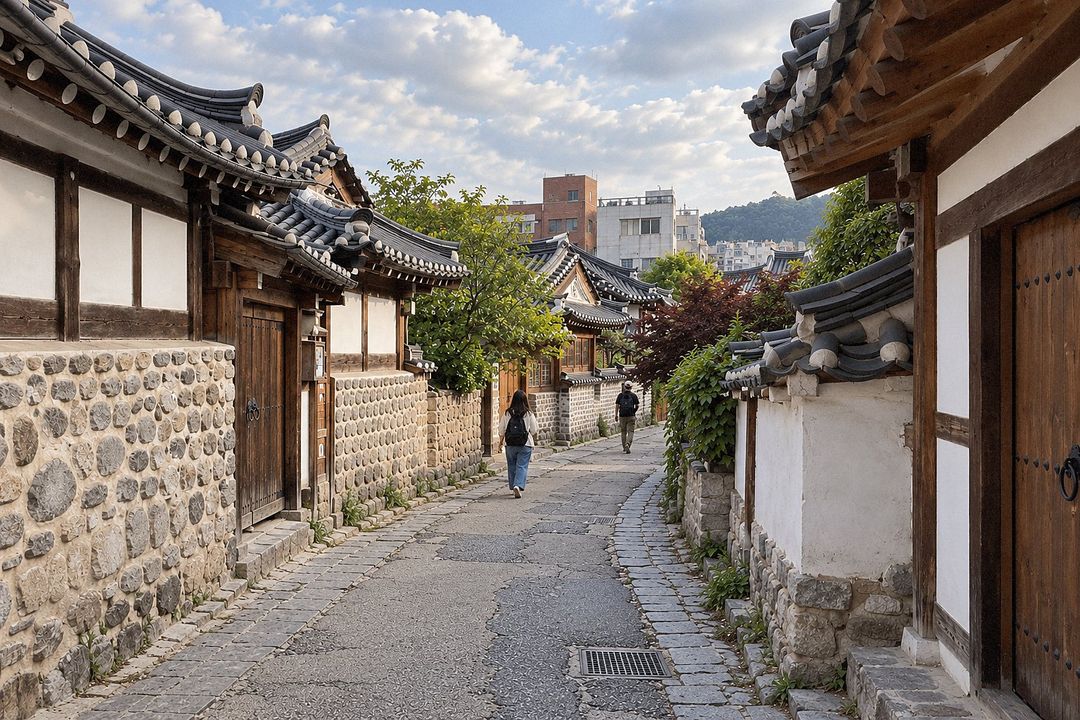
Jeonju
Jeonbuk's capital, with a large hanok old quarter and a famous local style of bibimbap.
Full guide coming soon
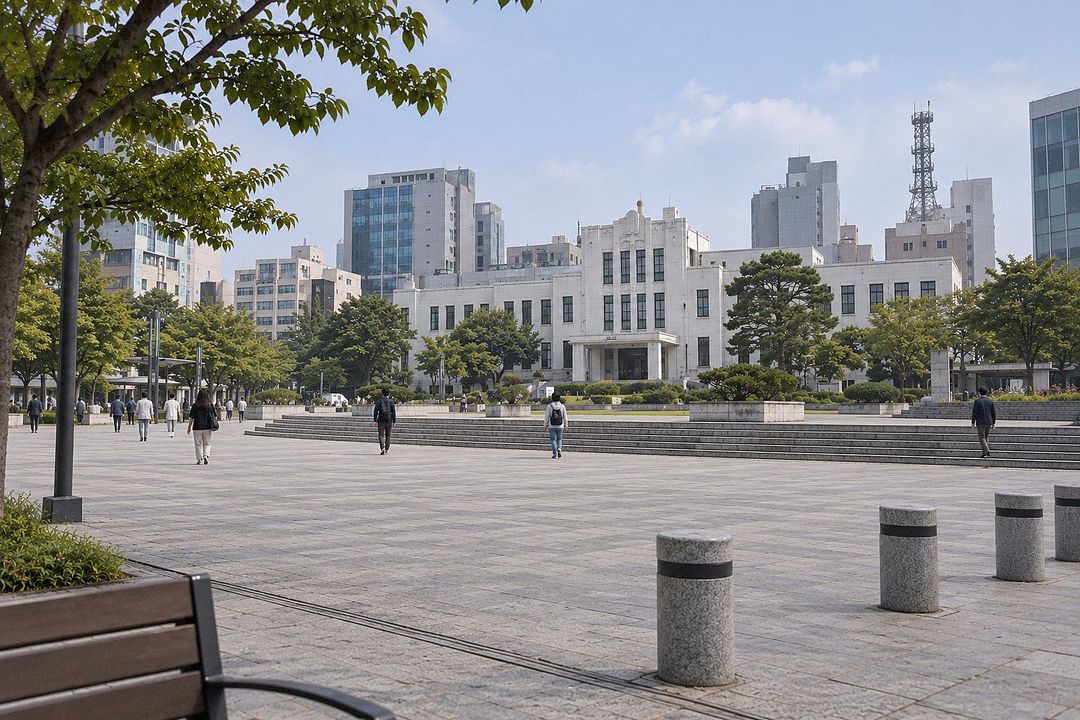
Gwangju
South-western metropolis known for its 1980 democracy movement history and art biennale.
Full guide coming soon
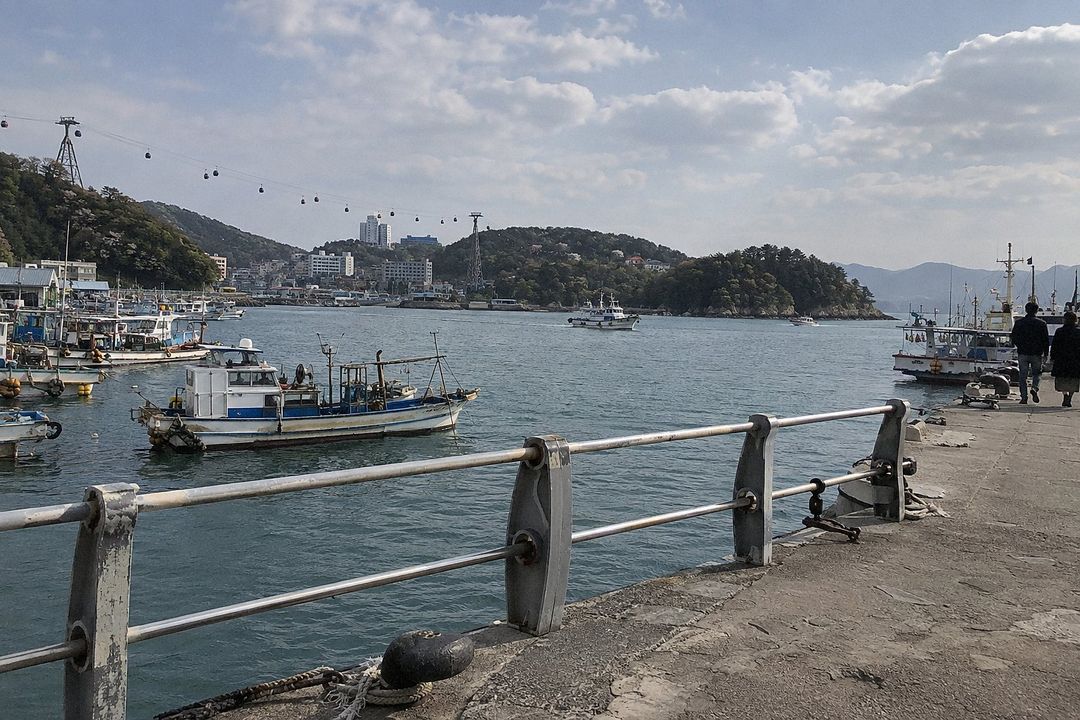
Yeosu
Harbour city on a peninsula, with island views, a cable car and seafood by the waterfront.
Full guide coming soon
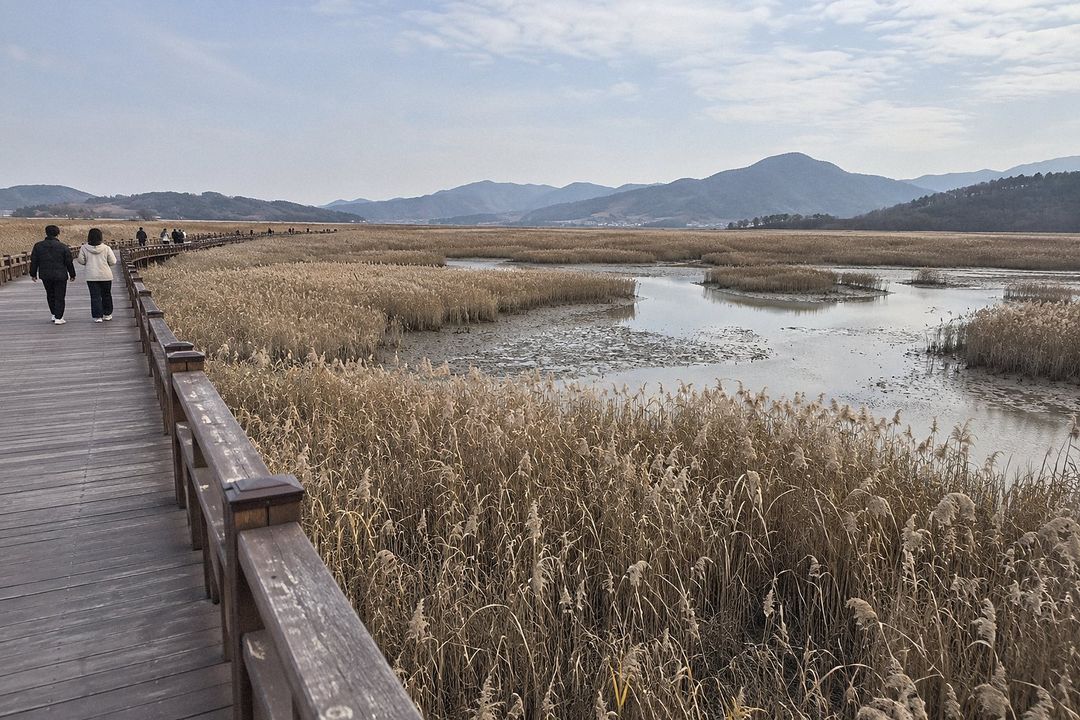
Suncheon
Base for the reed wetlands of Suncheon Bay and the vast national garden beside them.
Full guide coming soon
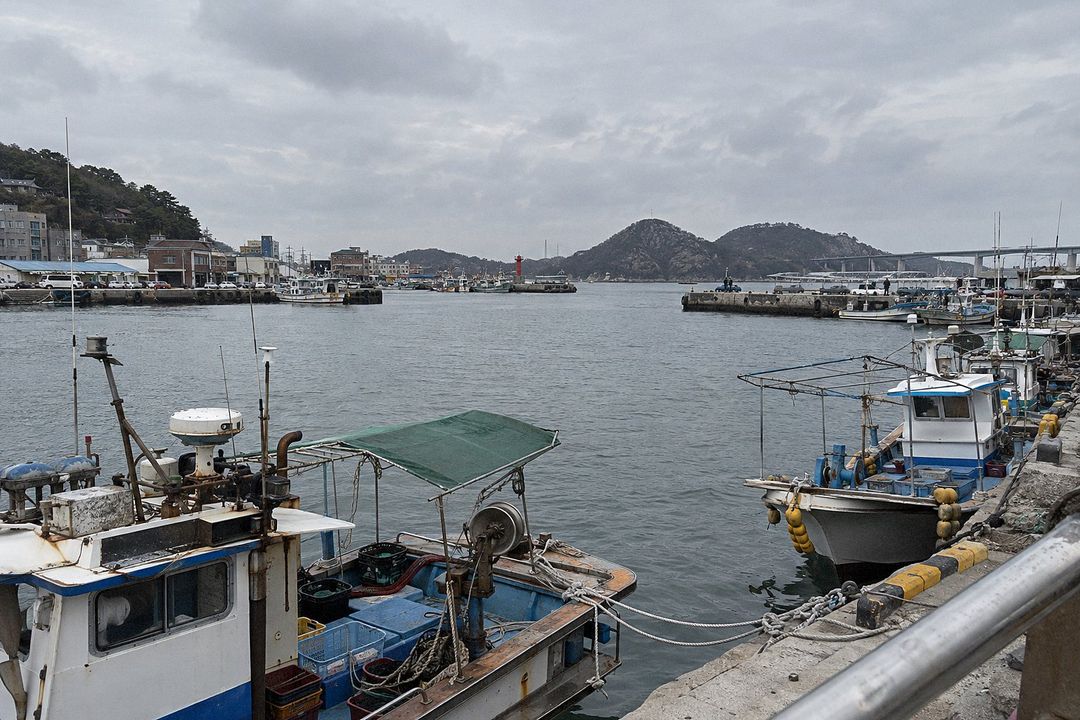
Mokpo
Port at the south-west tip and jumping-off point for the islands of Shinan.
Full guide coming soon
Highlights of Jeolla
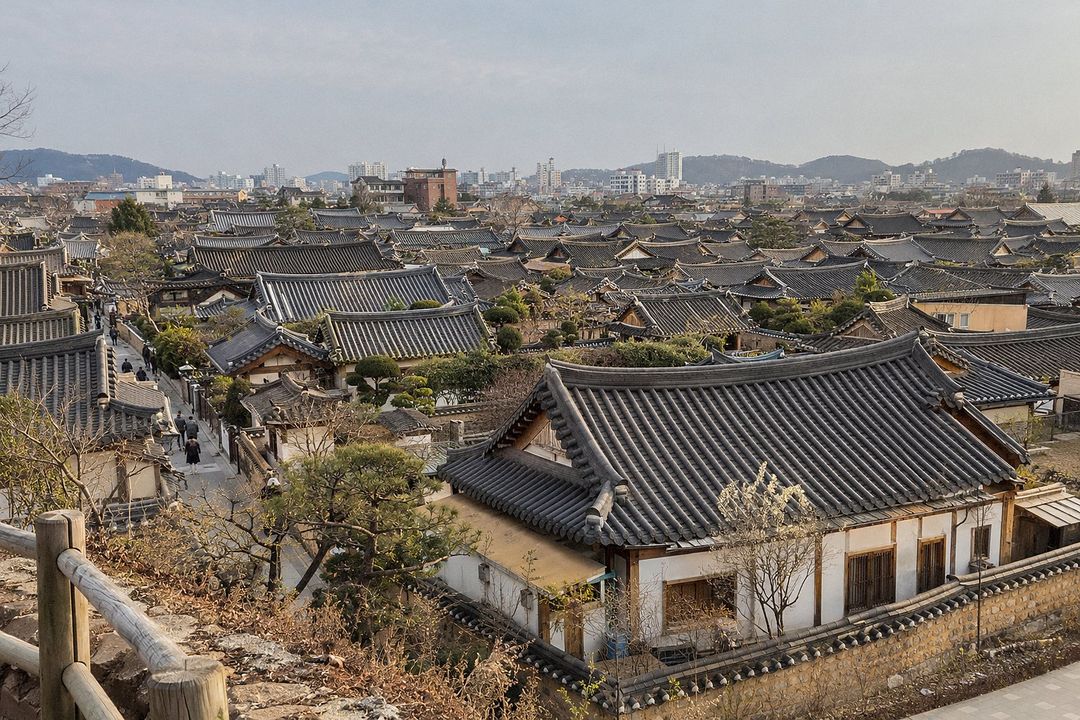
Jeonju Hanok Village
Hundreds of traditional tiled-roof houses in central Jeonju, now guesthouses, cafes and craft workshops.
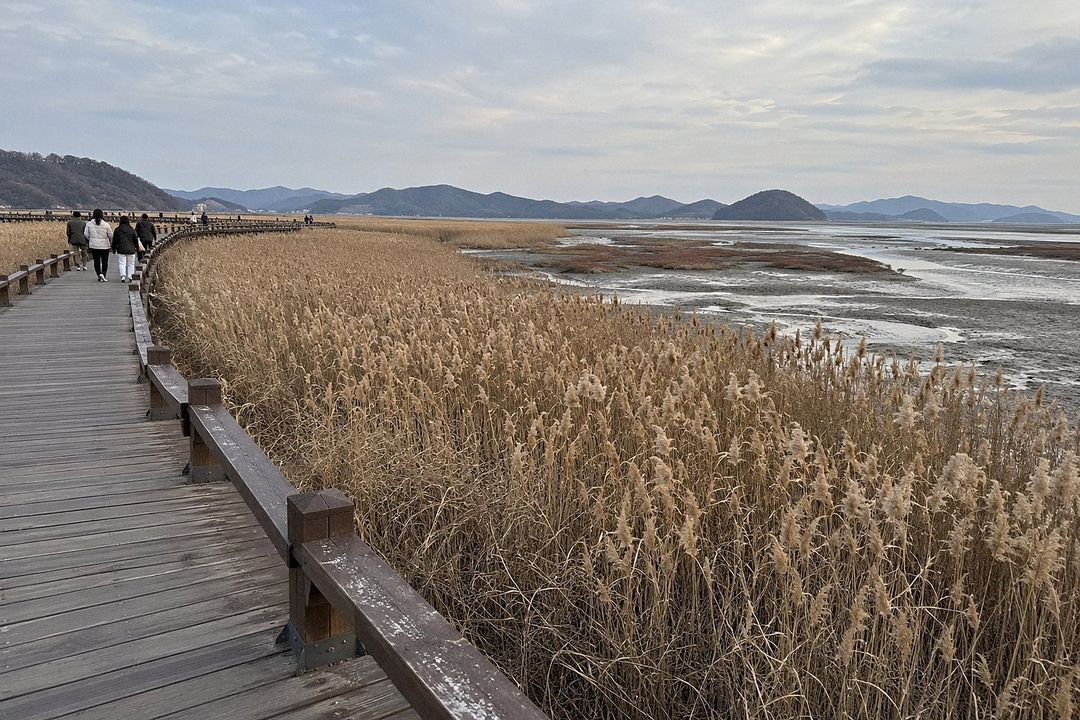
Suncheon Bay Wetland Reserve
Reed beds and mudflats crossed by boardwalks, part of Korea's UNESCO-listed tidal flats.
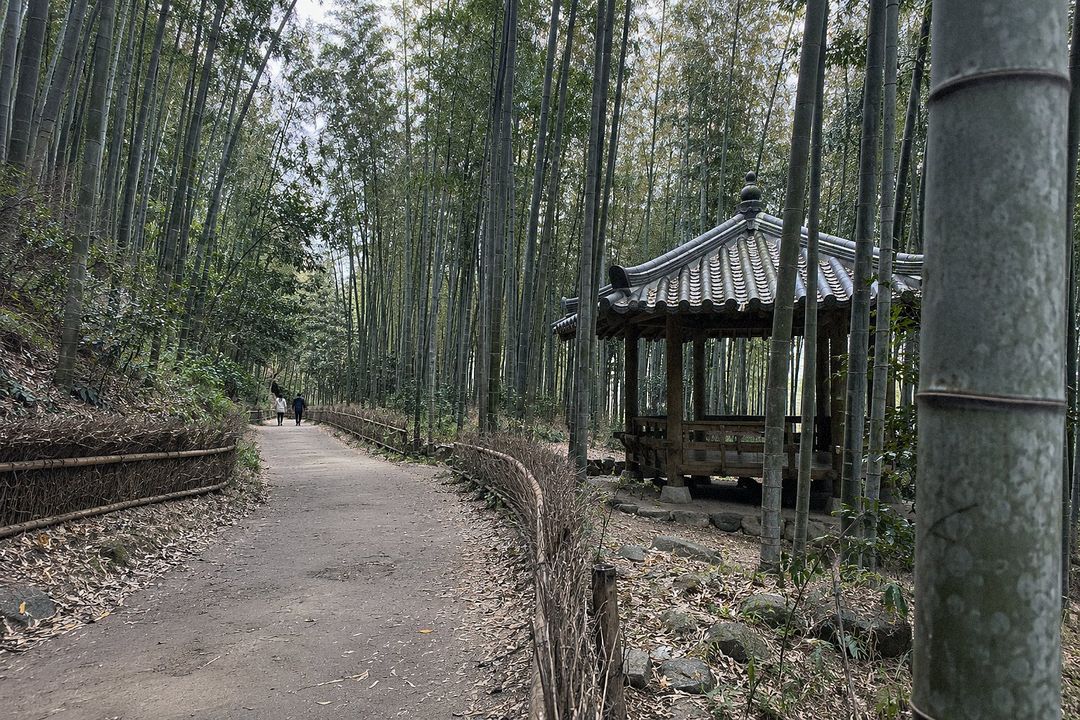
Juknokwon
Bamboo forest park in Damyang, north of Gwangju, with shaded walking trails and pavilions.
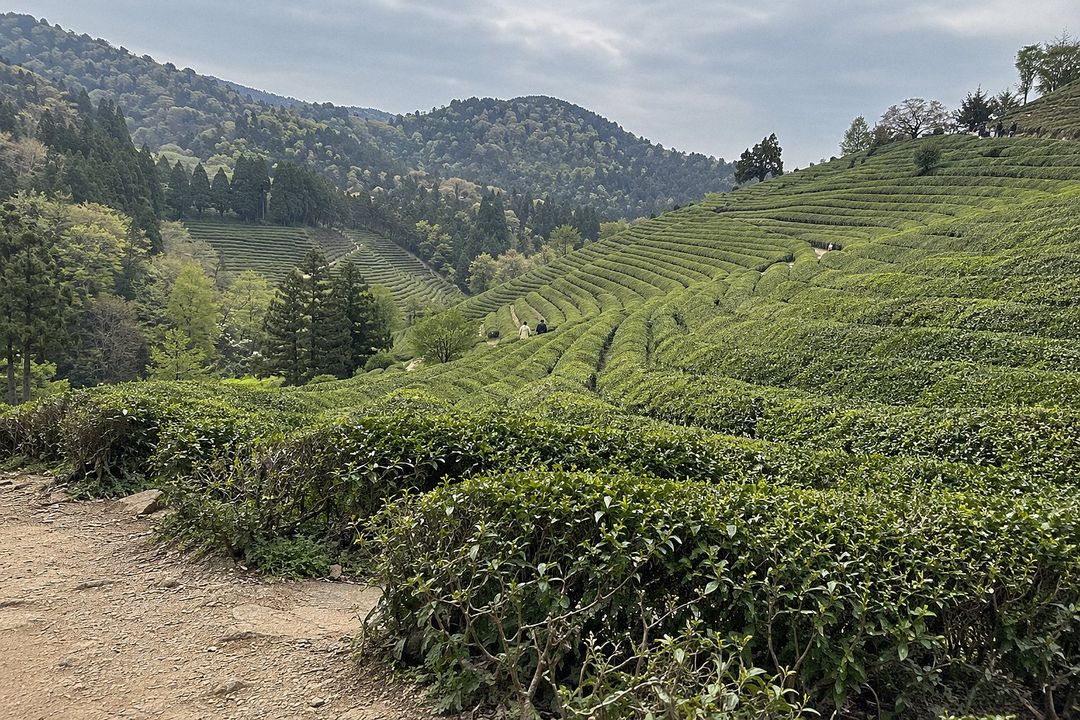
Boseong green tea fields
Terraced tea plantations climbing the hillsides of Boseong, the country's best-known tea area.
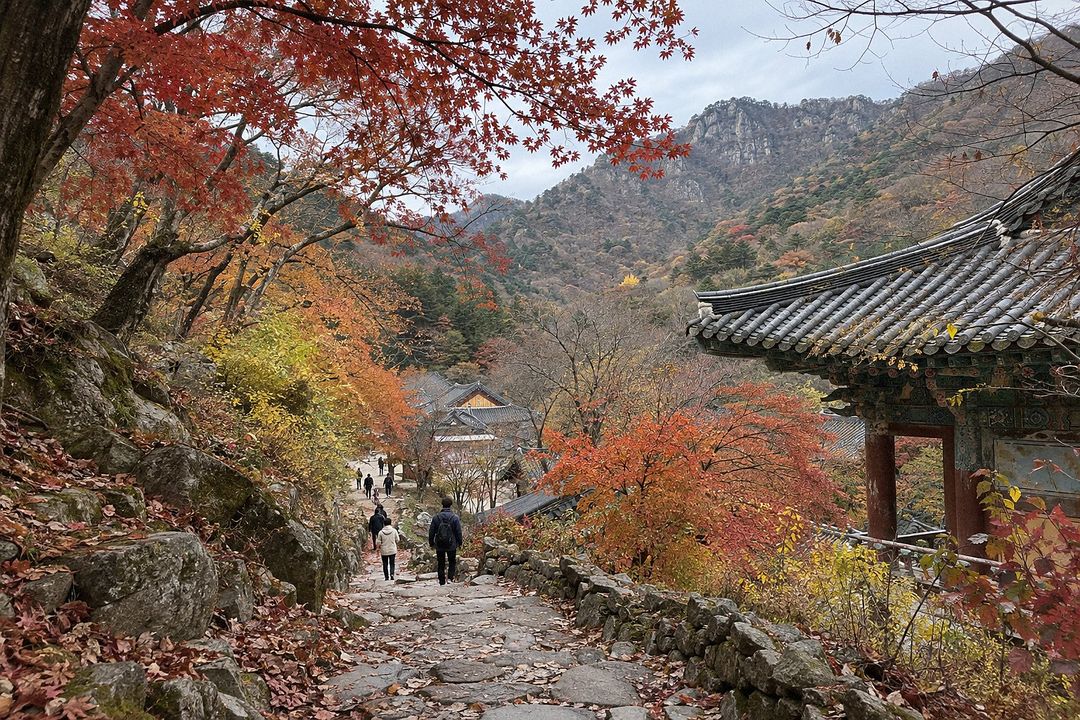
Naejangsan National Park
Maple-filled valleys around Naejangsa temple, one of the most popular autumn foliage spots in Korea.
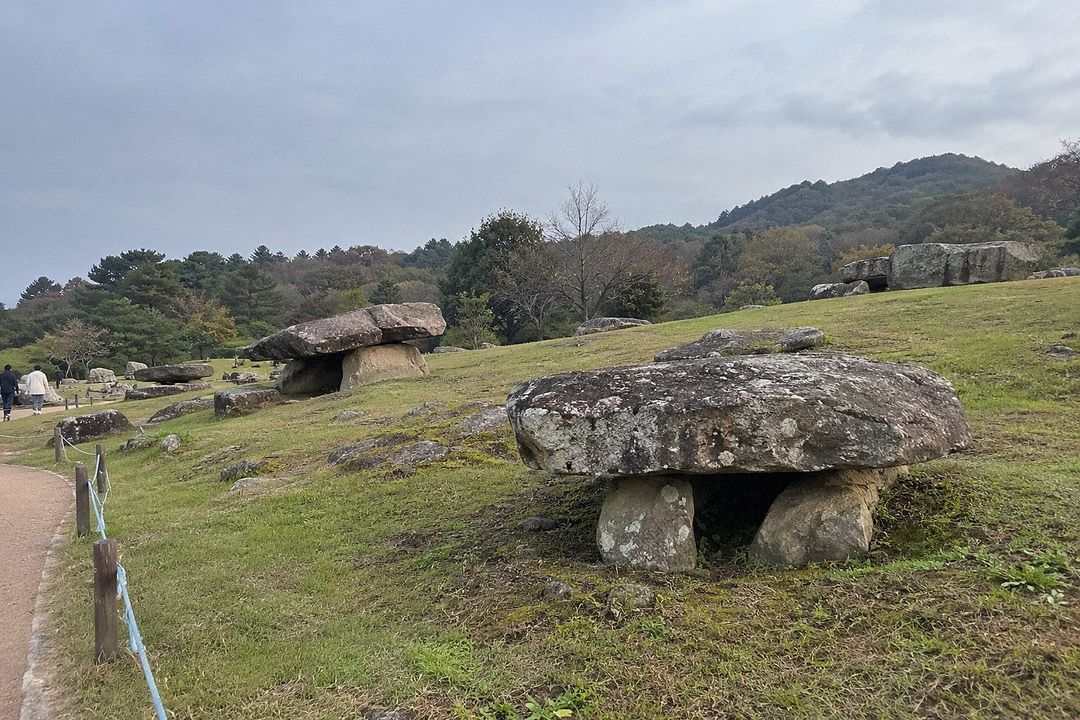
Gochang Dolmen Site
Prehistoric burial stones scattered along a hillside, part of the UNESCO-listed dolmen sites.
Getting there
| From → to | How | Time | Notes |
|---|---|---|---|
| Yongsan (Seoul) → Jeonju | KTX | about 1 h 30 min – 1 h 50 min | A few slower KTX services take over two hours; check the timetable. |
| Yongsan (Seoul) → Gwangju Songjeong | KTX (Honam line) | about 1 h 40 min – 2 h | Many trains continue to Mokpo, about 2 h 20 min – 2 h 40 min from Yongsan. |
| Yongsan (Seoul) → Yeosu Expo | KTX (Jeolla line) | about 2 h 50 min – 3 h 30 min | These trains also stop at Jeonju and Suncheon, about 2 h 25 min – 3 h from Yongsan. |
Times are typical fastest scheduled journeys. For rail passes see KORAIL PASS; for an overview see getting around Korea.
Sources
Facts on this page were checked against these sources on 2 October 2026. Prices, hours and rules change — confirm with the operator before you go.
- 전북특별자치도 (Jeonbuk State provincial government) (Korean) · official
- 투어전북 (Jeonbuk tourism) (Korean) · official
- 남도여행길잡이 (Jeollanam-do tourism) (Korean) · official
- UNESCO World Heritage List: Getbol, Korean Tidal Flats · official
- UNESCO World Heritage List: Gochang, Hwasun and Ganghwa Dolmen Sites · official
- 코레일 승차권 예매 (Korail ticketing and timetables) (Korean) · official
- 용산역 → 전주역 열차 시간표 (timetable aggregator) (Korean)