History & Religion
World Heritage sites
Updated
On a first trip you can see five or six of Korea’s 17 World Heritage sites without a detour. In Seoul, Changdeokgung Palace (₩3,000, closed Mondays) and Jongmyo Shrine (₩1,000, closed Tuesdays) stand next to each other, and Hwaseong in Suwon is a free half-day trip. Gyeongju is part of four listings, and Jeju’s Seongsan Ilchulbong (₩5,000) is on one of the two natural ones.
Korea’s list runs from prehistoric dolmens and whale carvings to Silla temples, Joseon palaces, clan villages, Confucian academies and tidal flats. Most sites charge little or nothing, and they cluster on the routes visitors already take: Seoul, the KTX line south to Gyeongju and Busan, and Jeju.
Which UNESCO sites fit your trip
| Your situation | Do this |
|---|---|
| Seoul only, first trip | Changdeokgung with its Secret Garden, then Jongmyo next door; add Hwaseong in Suwon as a half-day trip |
| Seoul with one free afternoon in Gangnam | Seolleung and Jeongneung royal tombs, 7 minutes from Seolleung Station |
| Seoul plus Busan by KTX | Stop 1–2 nights in Gyeongju: Bulguksa, Seokguram, the tomb parks and Yangdong |
| You want a traditional village | Andong for Hahoe and two Confucian academies, or Yangdong from Gyeongju |
| Going to Jeju | Seongsan Ilchulbong at sunrise and the Manjanggul lava tube, both on the east coast |
| Driving or on a Jeolla route | Suncheon Bay’s tidal flats and the Gochang dolmens; Gongju and Buyeo for Baekje |
If you see only one listing, make it Changdeokgung. It is the easiest to reach and the one most visitors remember. Gyeongju is the best reason to leave Seoul for UNESCO sites alone.
What is on the list
| Year | Site | Where | Easiest way in |
|---|---|---|---|
| 1995 | Seokguram Grotto and Bulguksa Temple | Gyeongju | Bulguksa, free |
| 1995 | Haeinsa Temple Janggyeong Panjeon | Hapcheon | Day trip from Daegu |
| 1995 | Jongmyo Shrine | Seoul | Jongmyo |
| 1997 | Changdeokgung Palace Complex | Seoul | Changdeokgung |
| 1997 | Hwaseong Fortress | Suwon | Suwon |
| 2000 | Gyeongju Historic Areas | Gyeongju | Daereungwon, Wolji |
| 2000 | Gochang, Hwasun and Ganghwa Dolmen Sites | Jeolla; Incheon | Ganghwa from Seoul |
| 2007 | Jeju Volcanic Island and Lava Tubes (natural) | Jeju | Seongsan Ilchulbong, Hallasan |
| 2009 | Royal Tombs of the Joseon Dynasty | Seoul area | Seolleung (Gangnam), Donggureung (Guri) |
| 2010 | Historic Villages: Hahoe and Yangdong | Andong; Gyeongju | Hahoe |
| 2014 | Namhansanseong | Gyeonggi | Fortresses |
| 2015 | Baekje Historic Areas | Gongju, Buyeo, Iksan | Gongsanseong in Gongju |
| 2018 | Sansa, Buddhist Mountain Monasteries | 7 temples | Tongdosa near Busan; Bongjeongsa |
| 2019 | Seowon, Korean Neo-Confucian Academies | 9 academies | Byeongsanseowon, Andong |
| 2021 | Getbol, Korean Tidal Flats (natural) | South-west coast | Suncheon Bay |
| 2023 | Gaya Tumuli | 7 cemeteries | Daeseong-dong, Gimhae |
| 2025 | Petroglyphs along the Bangucheon Stream | Ulsan | Ulsan Petroglyph Museum |
Source: Korea Heritage Service list of Korea’s World Heritage, checked 25 October 2026. The table follows inscription order; the ranked list below sorts the visitable places by how much they reward a first-time visitor.
Fees and hours at the sites most visitors see
| Site | Fee (adult) | Closed | Getting there |
|---|---|---|---|
| Changdeokgung, Seoul | ₩3,000; Secret Garden +₩5,000 | Mondays | Anguk Station (Line 3), exit 3 |
| Jongmyo, Seoul | ₩1,000 | Tuesdays | Jongno 3-ga Station, exit 11 or 8 |
| Seolleung and Jeongneung, Seoul | ₩1,000 | Mondays | Seolleung Station (Line 2), exit 10, 7 min walk |
| Hwaseong, Suwon | Wall free; Haenggung ₩2,000 | Open daily | Train to Suwon (30–40 min), then bus |
| Bulguksa and Seokguram, Gyeongju | Free; parking ₩2,000 | Open daily | Bus 10 or 11; bus 12 up to Seokguram |
| Yangdong Village, Gyeongju | ₩4,000 | Village open daily | Outside the city; bus or taxi |
| Hahoe Village, Andong | ₩5,000 incl. shuttle | Open daily | Bus from Andong to the ticket office |
| Seongsan Ilchulbong, Jeju | ₩5,000 | First Monday of the month | Bus 201 or airport express 101 |
| Manjanggul, Jeju | ₩4,000 | First Wednesday of the month | Bus 711, or 201 and walk |
Fees for foreign adults from the Royal Palaces and Tombs Center, the Suwon Cultural Foundation, the temples, the village offices and Jeju’s World Heritage office, checked 25 October 2026. Palaces, Jongmyo and the royal tombs are free for foreigners 18 and under or 65 and over and for anyone in hanbok. So avoid Changdeokgung on a Monday and Jongmyo on a Tuesday.
Seoul and around
Changdeokgung was the Joseon palace most used by its kings, and it follows the hills rather than a strict grid; the Secret Garden behind it is seen on a timed tour. Jongmyo, the royal ancestral shrine, is the quieter, more austere companion. On Mondays, Thursdays and Fridays it can only be seen on a timed guided tour, so walk in freely on the other open days. The palaces guide compares them with Gyeongbokgung, which is not on the list.
Forty Joseon royal tombs are scattered around the capital region. The easiest is Seolleung and Jeongneung in Gangnam: three grass mounds with stone guardians in a pine park, open 06:00–21:00 from March to October (to 17:30 from November to January). Donggureung in Guri, 10 minutes’ walk from Donggureung Station on Line 8, is the largest group of tombs.
Day trips: Hwaseong, King Jeongjo’s 5.74 km fortress wall around Suwon, is free and open at all hours. Namhansanseong, a mountain fortress on a ridge south-east of Seoul, is free too. The fortresses guide has routes and times for both. The dolmens of Ganghwa Island are a long half-day by bus.
Gyeongju: four listings in one city
The old capital of Silla is the densest UNESCO stop in Korea. In the centre, the Gyeongju Historic Areas cover the grassy royal tombs of Daereungwon (park free, Cheonmachong tomb ₩3,000), Cheomseongdae and Donggung Palace and Wolji Pond, all walkable from each other, plus the Buddhist carvings on Namsan. East of town, Bulguksa and the granite Buddha of Seokguram have been free since May 2023.
Yangdong Village, north of the city, is a lived-in Joseon clan village on hillsides of tiled and thatched houses. Nearby Oksanseowon, a Confucian academy, belongs to both the villages listing and the Confucian academies listing. It costs ₩4,000 and is open from 09:00; the last entry is 18:00 from April to September and 17:00 from October to March. See the Gyeongju guide for buses and where to stay.
Andong, Jeju and the natural sites
Hahoe Village, Yangdong’s partner on the list, sits in a river bend outside Andong, and the ₩5,000 ticket includes the shuttle bus. Andong also has two of the nine listed Confucian academies, Byeongsanseowon and Dosanseowon, and Bongjeongsa, one of the seven listed mountain monasteries. The Andong guide covers trains and buses.
On Jeju, the listing covers Hallasan, the Seongsan Ilchulbong tuff cone and the Geomunoreum lava tubes, of which Manjanggul is open to visitors. Both Seongsan and Manjanggul close one day a month, so check before going.
The second natural site is the tidal flats. Suncheon Bay Wetland (₩10,000, the same ticket also covers the Suncheonman National Garden) is the easiest place to see them, about 35 minutes on bus 66 from Suncheon Station.
Worth a detour
- Haeinsa (Hapcheon, Gyeongsang). The halls that store more than 80,000 printing blocks of the Tripitaka Koreana. You see the buildings from outside; going inside is only possible on a tour booked in advance on the temple’s website. It is a day trip by bus from Daegu.
- Baekje Historic Areas (Gongju and Buyeo, Chungcheong). Gongsanseong’s wall above the Geumgang River costs ₩3,000, or ₩6,000 with the Muryeong royal tomb. Buyeo’s sites and Iksan’s Mireuksa temple site complete the listing.
- The Sansa monasteries. Tongdosa, near Busan, has been free since May 2023 (parking is charged) and is the easiest of the seven. The others are Buseoksa, Bongjeongsa, Beopjusa, Magoksa, Seonamsa and Daeheungsa; see temples.
- Gochang dolmens (Jeolla). 447 stone tombs on one hillside. The Dolmen Museum costs ₩3,000 and is closed on Mondays; a small trolley runs to the stones every 30 minutes (₩1,000, not in rain).
- Gaya Tumuli (Gimhae, near Busan). The Daeseong-dong mounds and their free museum are about 3 minutes’ walk from Suro-wangneung or Museum station on the Busan–Gimhae light rail. The museum is closed on Mondays.
- Bangudae petroglyphs (Ulsan). Whales, hunters and boats carved into a cliff thousands of years ago. The panel goes under water when the Sayeon reservoir is high, and the museum posts the water level. The Ulsan Petroglyph Museum is open 09:00–18:00 and closed on Mondays.
Practical tips
- Closed days differ. Changdeokgung and the royal tombs close on Mondays, Jongmyo on Tuesdays, and most museums on Mondays. Jeju’s two sites each close one day a month.
- Wear hanbok, enter free. Palaces, Jongmyo and the royal tombs admit anyone wearing hanbok free.
- Temples went free in 2023. Bulguksa, Seokguram and Tongdosa stopped charging admission on 4 May 2023; parking still costs.
- Allow time between sites. Outside Seoul and Gyeongju, most listings are in the countryside and buses are infrequent; a taxi or a day tour often saves half a day.
- Autumn is the best season. Mid-October to mid-November brings maples to the palaces, Bulguksa and the academies; see the autumn leaves report.
Book your trip
Best world heritage sites in Korea
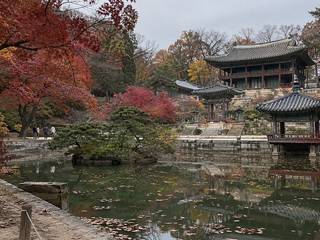
Changdeokgung Palace 창덕궁
A UNESCO-listed palace laid out to follow the hills, famous for its Secret Garden of ponds and pavilions visited on guided tours.
Seoul · Seoul ·
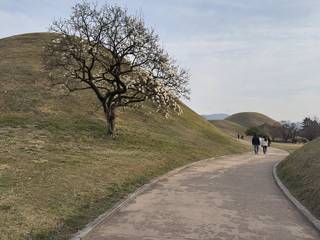
Daereungwon Tomb Complex 대릉원
A park of huge grassy Silla burial mounds; inside Cheonmachong you can see how a royal tomb was built and what it held.
Gyeongju · Gyeongsang ·
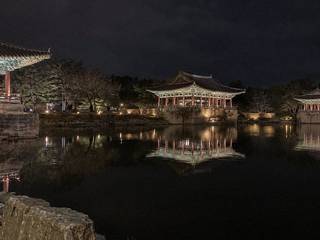
Donggung Palace and Wolji Pond 동궁과 월지
Reconstructed pavilions of a Silla crown prince's palace beside a landscaped pond, most popular after dark when they are lit up.
Gyeongju · Gyeongsang ·
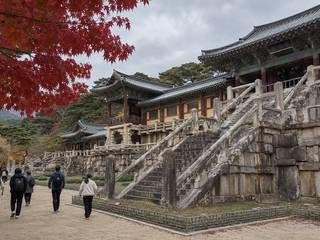
Bulguksa Temple 불국사
Korea's most celebrated temple, with Silla-era stone stairways, bridges and the twin pagodas Dabotap and Seokgatap.
Gyeongju · Gyeongsang ·
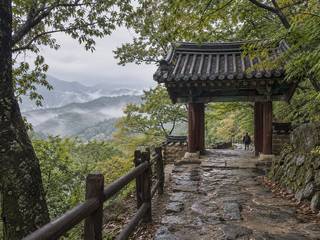
Seokguram Grotto 석굴암
A granite Buddha in an artificial cave grotto high on Tohamsan, viewed through glass; reach it by bus or a mountain trail.
Gyeongju · Gyeongsang ·
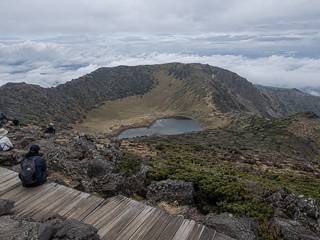
Hallasan 한라산
South Korea's highest peak. A long day hike leads to the Baengnokdam crater; summit trails need advance booking.
Jeju Island · Jeju ·
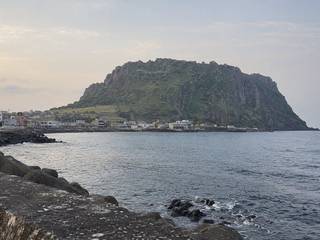
Seongsan Ilchulbong 성산일출봉
A steep tuff cone rising from the sea at the eastern tip, climbed by a stair path to a vast grassy crater.
Jeju Island · Jeju ·
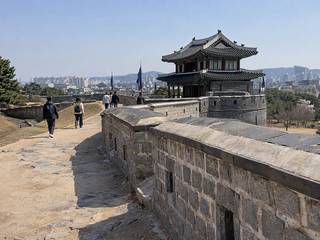
Hwaseong Fortress walls 수원 화성
King Jeongjo's 1790s fortress loop of gates, towers and ramparts, 5.74 km long; UNESCO-listed in 1997, free and open at all hours.
Suwon · Gyeonggi & Incheon ·
Namhansanseong 남한산성
Mountain fortress south-east of Seoul, the Joseon court's wartime refuge; about 12 km of wall on a wooded ridge, free to enter. UNESCO 2014.
Gwangju (Gyeonggi) · Gyeonggi & Incheon ·
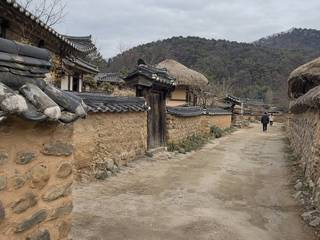
Hahoe Folk Village 안동하회마을
A Pungsan Ryu clan village of tiled and thatched houses in a river bend, still lived in; UNESCO-listed with Yangdong in 2010.
Andong · Gyeongsang ·
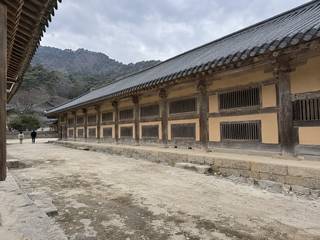
Haeinsa Temple 해인사
Monastery on Gayasan whose Janggyeong Panjeon halls store the 13th-century Tripitaka Koreana woodblocks. UNESCO 1995. You see the halls from outside; going inside needs a booking through the temple.
Hapcheon · Gyeongsang ·
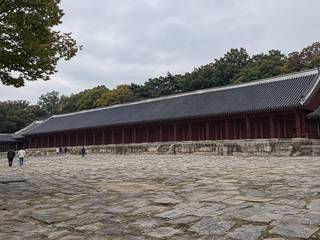
Jongmyo Shrine 종묘
The austere royal ancestral shrine of the Joseon kings, a UNESCO site whose long main hall is one of Korea's finest wooden buildings.
Seoul · Seoul ·
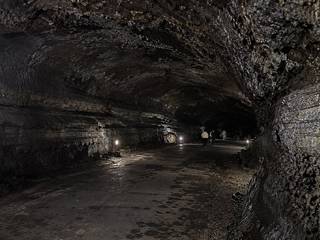
Manjanggul Lava Tube 만장굴
A huge lava tube with a walkable section ending at a tall lava column; reopened in May 2026 after safety works.
Jeju Island · Jeju ·
Ganghwa Dolmen Sites 강화 고인돌 유적
Prehistoric stone tombs in the north of the island, UNESCO-listed in 2000; the big Bugeun-ri dolmen stands by the history museum.
Incheon · Gyeonggi & Incheon ·
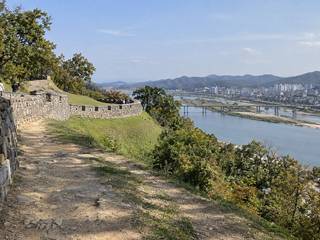
Gongsanseong 공산성
Hilltop wall above the Geumgang River at Baekje's capital of 475–538; with the royal tombs of Gongju and the sites of Buyeo it forms the Baekje Historic Areas (UNESCO 2015). ₩3,000.
Gongju · Chungcheong ·
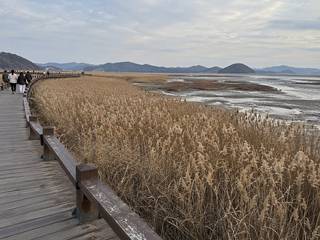
Suncheon Bay Wetland 순천만습지
Reed beds and boardwalks over a tidal bay, part of the Getbol, Korean Tidal Flats listing (2021, extended 2026); ₩10,000, the same ticket covers the National Garden.
Suncheon · Jeolla ·
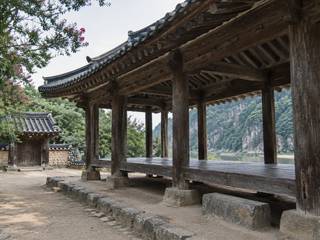
Byeongsanseowon 병산서원
A Confucian academy facing a cliff and river, its open Mandaeru pavilion framing the view; UNESCO 2019, free.
Andong · Gyeongsang ·
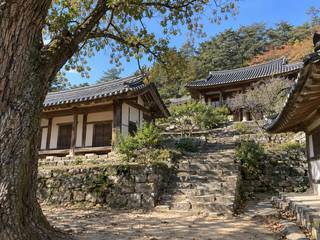
Dosanseowon 도산서원
The academy built around the study of Toegye Yi Hwang, the scholar on the ₩1,000 note, above the Andong Lake; UNESCO 2019.
Andong · Gyeongsang ·
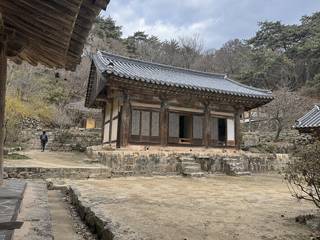
Bongjeongsa Temple 봉정사
A small mountain temple whose Geungnakjeon hall is Korea's oldest surviving wooden building; one of the UNESCO Sansa, free.
Andong · Gyeongsang ·
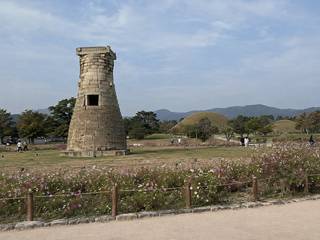
Cheomseongdae Observatory 첨성대
A bottle-shaped stone tower from the 7th century, often called East Asia's oldest surviving observatory, set in open fields.
Gyeongju · Gyeongsang ·
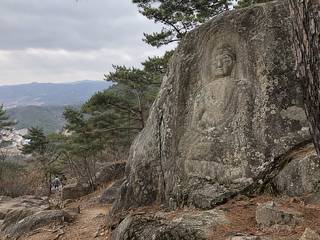
Gyeongju Namsan 경주 남산
A sacred mountain dotted with Buddhist rock carvings, stone pagodas and temple sites, explored on well-marked hiking trails.
Gyeongju · Gyeongsang ·
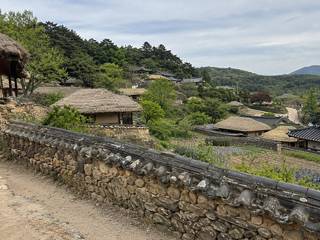
Yangdong Village 양동마을
A UNESCO-listed Joseon clan village of tiled and thatched houses spread over hillsides, still home to residents.
Gyeongju · Gyeongsang ·
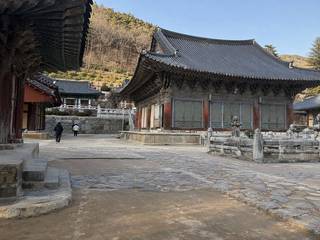
Tongdosa Temple 통도사
One of Korea's great monasteries and the easiest to reach of the seven Sansa mountain monasteries (UNESCO 2018); free to enter since May 2023, parking charged.
Yangsan · Gyeongsang ·
Seolleung and Jeongneung 선릉과 정릉
Three Joseon royal burial mounds in a wooded park among Gangnam's office towers, 7 minutes from Seolleung Station; part of the Royal Tombs listing (2009). ₩1,000, closed Mondays.
Seoul · Seoul ·
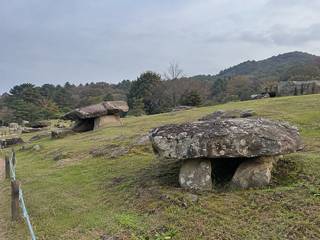
Gochang Dolmen Site 고창 고인돌 유적
447 Bronze Age stone tombs along a hillside, one of the three dolmen areas listed in 2000; the Dolmen Museum costs ₩3,000 and a small trolley runs to the stones.
Gochang · Jeolla ·
Daeseong-dong Tumuli 김해 대성동 고분군
Grassy burial mounds of the Geumgwan Gaya kingdom with a free museum, a few minutes' walk from the light rail west of Busan; part of the Gaya Tumuli (UNESCO 2023).
Gimhae · Gyeongsang ·
Bangudae Petroglyphs 반구천의 암각화
Prehistoric carvings of whales and whale hunting on a cliff above a stream, Korea's newest World Heritage site (2025); the nearby Ulsan Petroglyph Museum is closed on Mondays.
Ulsan · Gyeongsang ·
Sosuseowon 소수서원
Korea's first royally chartered Confucian academy, in pine woods beside a stream; one of the nine Seowon listed in 2019, with a museum and a reconstructed scholars' village next door.
Yeongju · Gyeongsang ·
Frequently asked questions
How many UNESCO World Heritage sites does Korea have?
Seventeen: 15 cultural and 2 natural (Jeju's volcanic island and lava tubes, and the tidal flats). The newest is the Bangudae petroglyphs in Ulsan, inscribed in 2025. In July 2026 the committee meeting in Busan added four areas to the tidal flats listing rather than a new site.
Which UNESCO sites can I see from Seoul?
Changdeokgung Palace and Jongmyo Shrine are in central Seoul, and the royal tombs of Seolleung and Jeongneung are in Gangnam. Hwaseong Fortress in Suwon (30–40 minutes by train) and Namhansanseong (subway Line 8, then a bus) make easy half-day trips, and the Ganghwa dolmens are on an island west of the city.
Are Korea's UNESCO sites expensive?
No. Bulguksa, Seokguram, the walls of Hwaseong and Namhansanseong cost nothing. Jongmyo and the royal tombs charge ₩1,000, Changdeokgung ₩3,000, Yangdong ₩4,000 and Hahoe ₩5,000. At palaces, Jongmyo and the royal tombs, visitors wearing hanbok and foreigners 18 and under or 65 and over enter free.
Which city has the most UNESCO sites?
Gyeongju. The old Silla capital is part of four listings: Bulguksa and Seokguram, the Gyeongju Historic Areas (tomb parks, Wolji pond, Namsan), Yangdong Village, and Oksanseowon, one of the nine listed Confucian academies. One or two nights there covers the core of them.
Is the Seoul City Wall a World Heritage site?
Not yet. Korea submitted the 'Capital Fortifications of Hanyang' (the Seoul City Wall with Bukhansanseong and Tangchundaeseong) to UNESCO in January 2026, and the decision is expected in 2027. The wall is free to walk now; see the fortresses page.
Sources
Facts on this page were checked against these sources on 25 October 2026. Prices, hours and rules change — confirm with the operator before you go.
- 국가유산청 국가유산포털 – 한국의 세계유산 (17건, 등재 연도) (Korean) · official
- 유네스코한국위원회 – 우리나라 세계유산 목록 (Korean) · official
- 외교부·국가유산청 보도자료 – 한국의 갯벌 2단계 확대 등재 (2026-07-25) (Korean) · official
- 경향신문 – 제48차 세계유산위원회, 한국의 갯벌 경계 확대 확정 (2026-07-28) (Korean)
- 국가유산포털 – 조선왕릉 (2009년 등재, 40기) (Korean) · official
- 국가유산포털 – 한국의 역사마을: 하회와 양동 (2010년 등재) (Korean) · official
- 국가유산포털 – 한국의 서원 (9개 서원, 2019년 등재) (Korean) · official
- 궁능유적본부 – 관람시간 (창덕궁·종묘·조선왕릉, 정기휴일) (Korean) · official
- 궁능유적본부 – 관람요금 (궁궐·종묘·조선왕릉, 한복 무료) (Korean) · official
- 궁능유적본부 – 오시는 길 (선릉과 정릉, 동구릉) (Korean) · official
- Royal Palaces and Tombs Center – Changdeokgung (English) · official
- 수원문화재단 – 수원화성 관람안내 (Korean) · official
- 경기도 남한산성세계유산센터 – 관람안내 (Korean) · official
- 국가유산청 보도자료 – 「한양의 수도성곽」 세계유산 등재신청서 제출 (2026-01-30) (Korean) · official
- 불국사 – 관람시간 및 요금 (2023년 5월 4일부터 무료) (Korean) · official
- 경주문화관광 – 대릉원 (Korean) · official
- 경주 양동마을 – 관람안내 (관람료·시간) (Korean) · official
- 안동하회마을 – 관람안내 (관람료·셔틀버스) (Korean) · official
- 세계자연유산제주 – 성산일출봉 탐방안내 (Korean) · official
- 세계자연유산제주 – 만장굴 탐방안내 (Korean) · official
- 공주시 문화관광 – 공산성 (관람시간·관람료) (Korean) · official
- 해인사 – 관람안내 (장경판전 내부 사전예약 탐방) (Korean) · official
- 통도사 – 관람안내 (2023년 5월 4일부터 무료, 주차요금) (Korean) · official
- 고창 세계유산 고인돌박물관 – 관람안내 (관람료·시간·탐방열차) (Korean) · official
- 고창 고인돌박물관 – 고창 고인돌 유적 (447기) (Korean) · official
- 순천만습지 – 관람요금 (Korean) · official
- 순천만습지 – 오시는 길 (66번 버스) (Korean) · official
- 김해시 대성동고분박물관 – 관람안내 (Korean) · official
- 김해시 – 대성동고분박물관 찾아오시는 길 (Korean) · official
- 울산암각화박물관 – 관람안내·공지사항 (사연댐 수위) (Korean) · official