Before you go
Before you go: Korea travel essentials
Updated
Book your trip
South Korea is an easy country to travel in. It has fast transport, good mobile coverage, card payments almost everywhere and a 24-hour tourist helpline. A few things are worth sorting out before you fly: entry paperwork, a data plan, the right apps and a sense of the season you are visiting in. This hub collects the basics and links to the detailed pages.
Entry and K-ETA
Visa-free visitors from about 112 countries and territories normally need K-ETA, an online travel authorization. In 2026, citizens of 22 countries and territories are temporarily exempt until 31 December 2026, including the US, UK, Canada, Australia, Japan and most of Western Europe. Children aged 17 or under and adults aged 65 or over are also exempt. The fee, validity, the free e-Arrival Card and the rules for Jeju are all on our K-ETA page. Only apply on the official site, k-eta.go.kr.
Money
Korea’s currency is the won (KRW). Notes come in 1,000, 5,000, 10,000 and 50,000 won, and coins in 10, 50, 100 and 500 won. Visa, Mastercard and American Express are accepted at most hotels, department stores, restaurants and shops. Still, smaller places may not take every card, so carry some cash for market stalls and street food. Transport cards are often topped up with cash at station machines and convenience stores.
You can change money at banks and licensed exchange offices. Banks generally open 09:00–16:00 on weekdays and close at weekends. Airports have exchange counters that stay open for flights. Many ATMs at airports, banks and convenience stores accept foreign cards, but not all of them do, so it helps to bring a second card.
SIM, eSIM and data
A data connection makes navigation and translation far easier. The main options are:
- eSIM: buy online before you leave and activate it by scanning a QR code. Check first that your phone supports eSIM.
- Prepaid USIM (physical SIM): sold at carrier roaming centres in Incheon, Gimpo, Gimhae and Jeju airports and at some CU, GS25, 7-Eleven and Emart24 convenience stores. Stock varies by branch.
- Portable Wi-Fi (“egg”) or roaming: also available from the airport roaming centres.
Free public Wi-Fi is common in airports, subway and train stations and many public spaces.
Weather and when to go
Korea has four distinct seasons. The figures below are Korea Meteorological Administration averages for 1991–2020.
- Spring (April–May): mild and fairly dry, and the season for cherry blossoms. March and April are also the windiest and least humid months.
- Summer (June–August): hot and humid. August, the hottest month, averages roughly 20–27 °C across the country, and humidity is close to 80 percent. The rainy season (jangma) usually starts on Jeju around 19 June and reaches central Korea around 25 June, lasting about a month. About 54 percent of the year’s rain falls in summer, and typhoons can arrive in late summer.
- Autumn (September–November): clear, dry and comfortable, with autumn colours from October.
- Winter (December–February): cold and dry. January averages range from about −7 °C in the mountains to just above freezing in the south.
For most first-time visitors, April–May and late September–early November are the best compromise.
Electricity
Korea uses 220 V at 60 Hz, and sockets take two round pins (plug types C and F). Travellers from North America, the UK and Australia need a plug adapter. Hotels, airports and convenience stores often sell them. Check that your devices accept 220 V. Most modern chargers handle 100–240 V.
Tipping and etiquette
Tipping is not part of everyday Korean culture, and restaurants, taxis and cafés do not expect it. Basic courtesies help. Take your shoes off where you see a raised floor or shoe racks. Keep your voice down on the subway. Leave the priority seats free for elderly and pregnant passengers.
Useful apps
- Naver Map or Kakao Map for walking, subway and bus directions. Both are more detailed in Korea than global map apps.
- Papago for translating text, speech and photos of menus and signs.
- Kakao T for calling taxis.
Install them and set them to English before you travel. Some features may need a Korean phone number.
Emergency numbers
- 112: police
- 119: fire and ambulance
- 1339: infectious disease hotline
- 1330: Korea Travel Helpline, run by the Korea Tourism Organization. It gives tourist information, interpretation and help with complaints. Call +82-2-1330 from abroad. From a mobile phone in Korea, you may need to add an area code, such as 02-1330 for Seoul.
Many large hospitals in Seoul and other cities have international clinics with interpreters.
Next steps
Once the paperwork is done, plan your routes with Transportation and check whether a Korail Pass suits your itinerary. Then start with Seoul, Busan, Gyeongju or Jeju. For a ready-made plan, see Seoul in 3 days.
Before you go: all guides
K-ETA & entry
Money & cards (coming soon)
SIM & eSIM (coming soon)
Weather & seasons (coming soon)
Etiquette (coming soon)
City guides
Busan
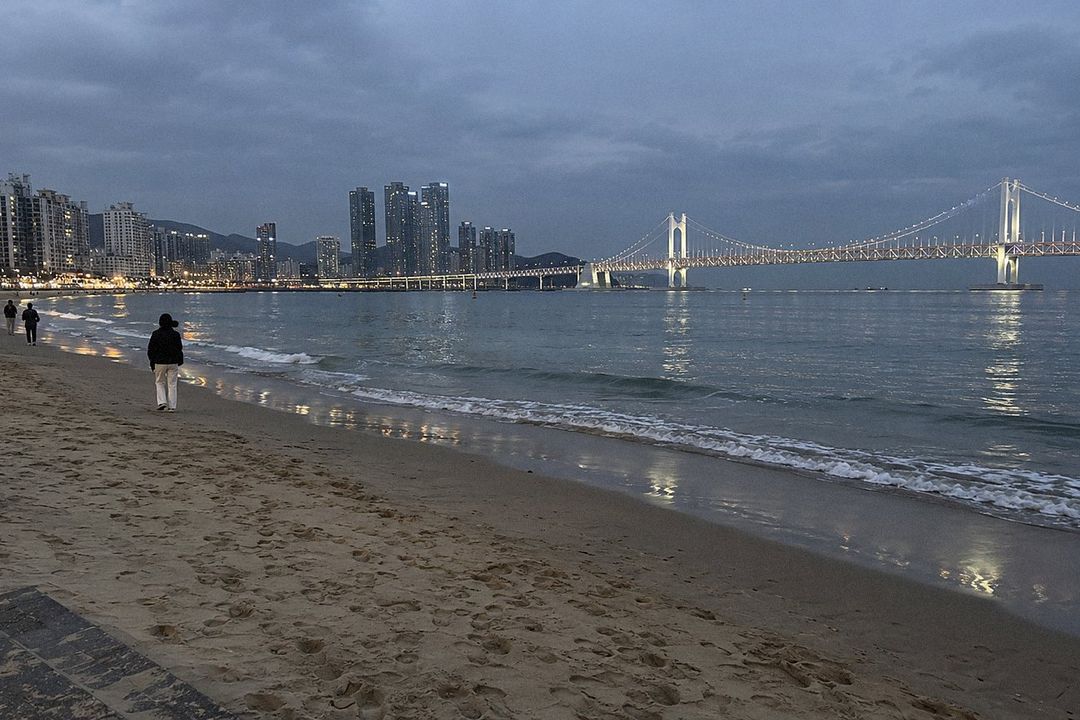
Korea's second city and busiest port, wrapped around beaches, hillside villages, fish markets and a temple on the rocks.
Gyeongju
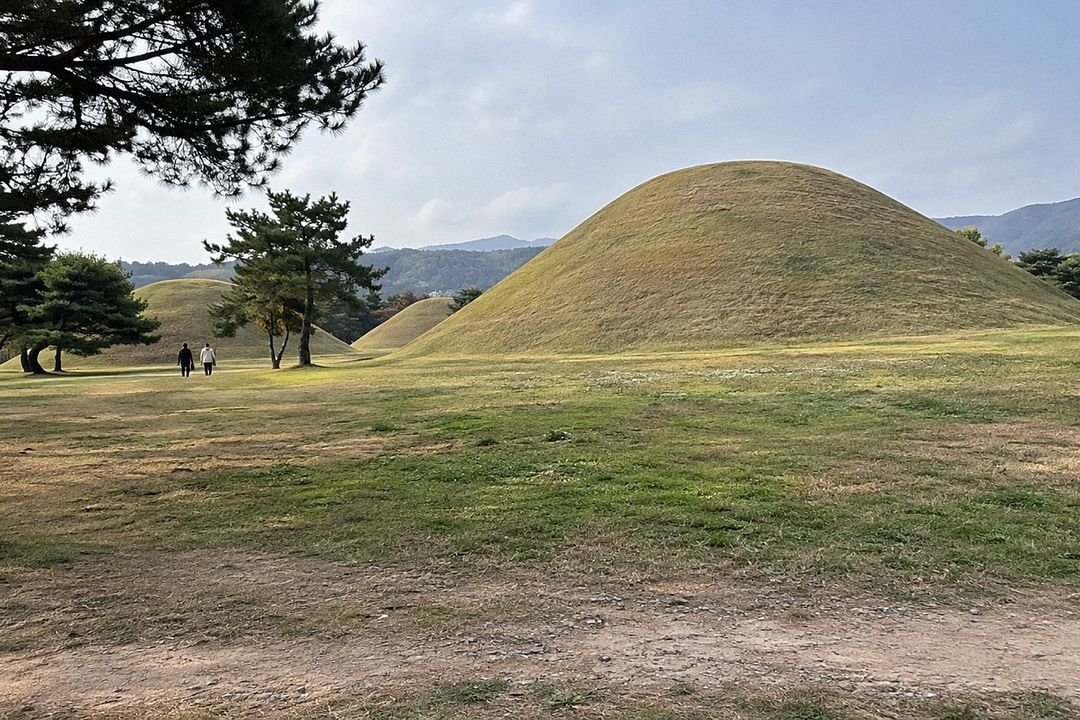
The former Silla capital, an open-air museum of grassy royal tombs, ancient temples and stone Buddhas in the southeast.
Jeju Island
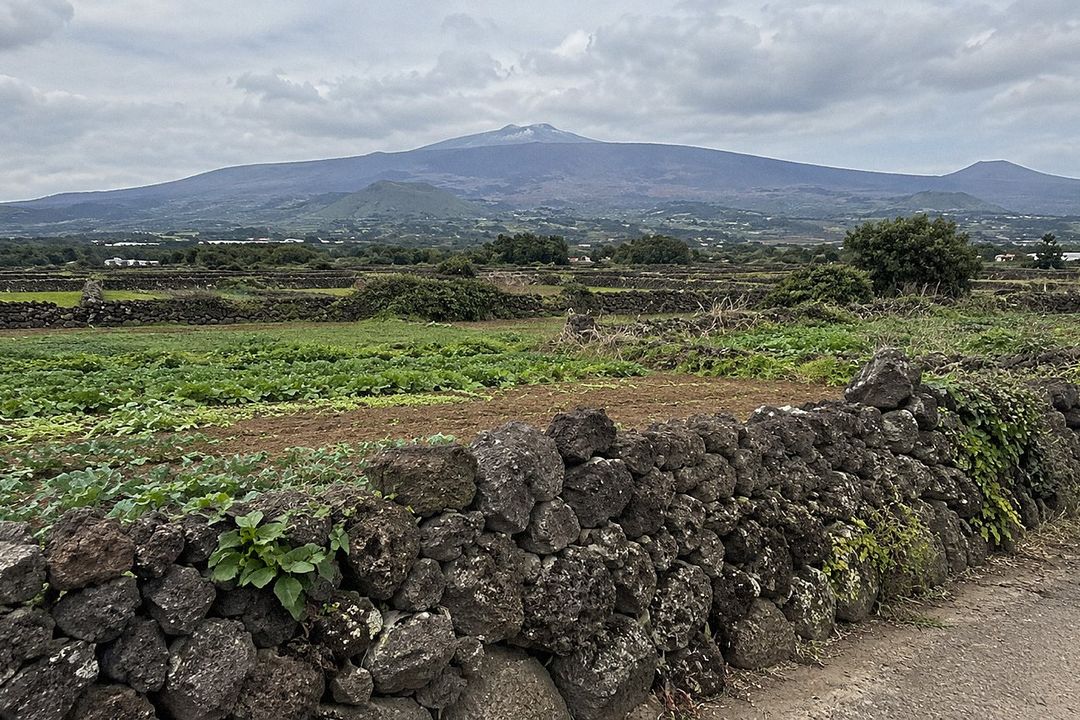
Korea's volcanic holiday island, with the country's highest peak, UNESCO-listed craters and lava tubes, black-sand coves and waterfalls.
Seoul
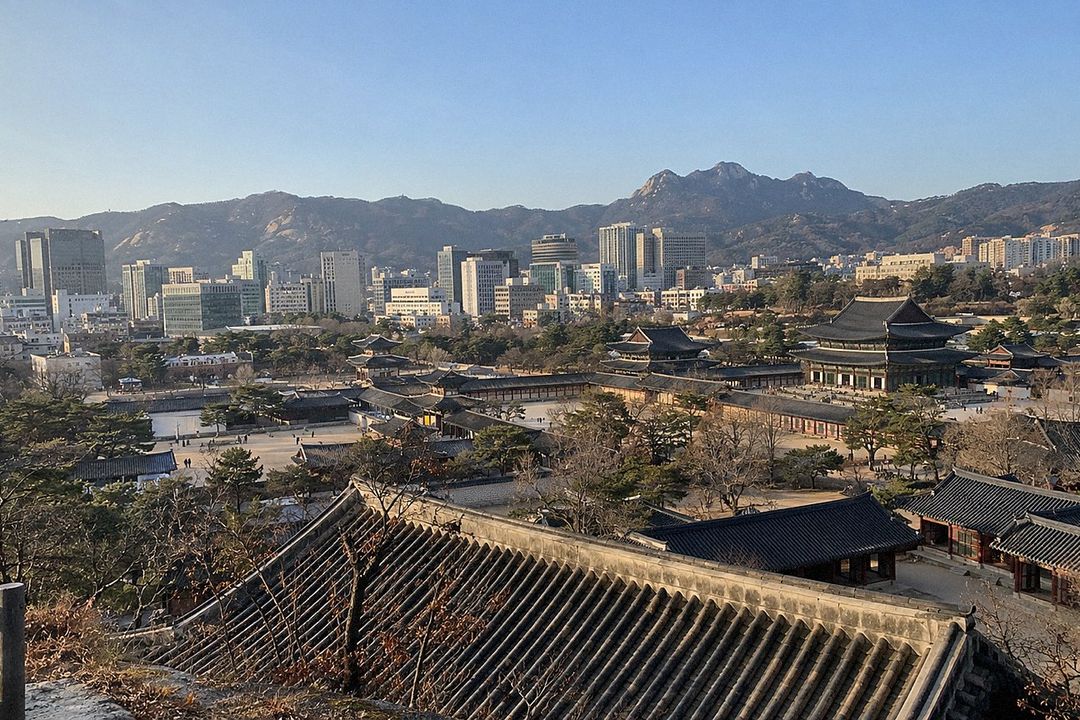
Korea's capital: Joseon palaces and hanok lanes beside skyscrapers, night markets, Han River parks and granite peaks inside the city limits.
Frequently asked questions
What plug do I need in Korea?
Korea uses 220 V at 60 Hz with sockets for two round pins (plug types C and F). Most phone and laptop chargers accept 100–240 V and only need a plug adapter; check the label on anything else.
What is the best time to visit Korea?
Spring (April to May) and autumn (late September to mid-November) are usually the most comfortable. Summer is hot and humid, and the rainy season normally runs from late June for about a month. Winter is cold and dry.
Which emergency numbers should I save?
112 for police, 119 for fire and ambulance, and 1330 for the Korea Travel Helpline run by the Korea Tourism Organization (+82-2-1330 from abroad). 1339 is the infectious disease hotline.
Do I need cash in Korea?
Cards are widely accepted at hotels, department stores and most shops, but smaller places may not take every card, so carry some won for market stalls and street food.
Sources
Facts on this page were checked against these sources on 2 October 2026. Prices, hours and rules change — confirm with the operator before you go.
- VisitKorea: Useful Information (currency, electricity and communications, emergency situations, business hours) · official
- VisitKorea: 1330 Travel Helpline & Complaint Center · official
- 기상청 날씨누리: 우리나라 기후 (기온, 강수량, 장마, 1991–2020 평년값) (Korean) · official
- K-ETA official website (Korean) · official
- 공주시 관광: 1330 관광통역안내전화 (Korean) · official
- Institute for Basic Science living guide: electricity (plug types C and F)
- The Korea Times: Why tipping culture remains controversial in Korea (2025)